
After years of burning rods on everything from thin sheet metal to heavier mild steel frames, I’ve learned that choosing the right electrode makes or breaks a weld. That’s why 6013 welding rod specifications come up so often in the shop, especially when talking with new welders or DIY guys who want clean, reliable results without fighting the arc.
There’s a lot of confusion around where 6013 fits compared to other filler rods, or whether it’s a better choice than MIG vs TIG welding for certain jobs. I hear questions all the time about metal thickness, joint prep, arc control, and why a weld looks smooth but lacks strength.
Understanding these specs matters in the real world because they directly affect bead appearance, penetration, safety, and cost-efficiency on everyday fabrication work. Let’s break it down so you can use 6013 rods with confidence and get solid, professional-looking welds every time.
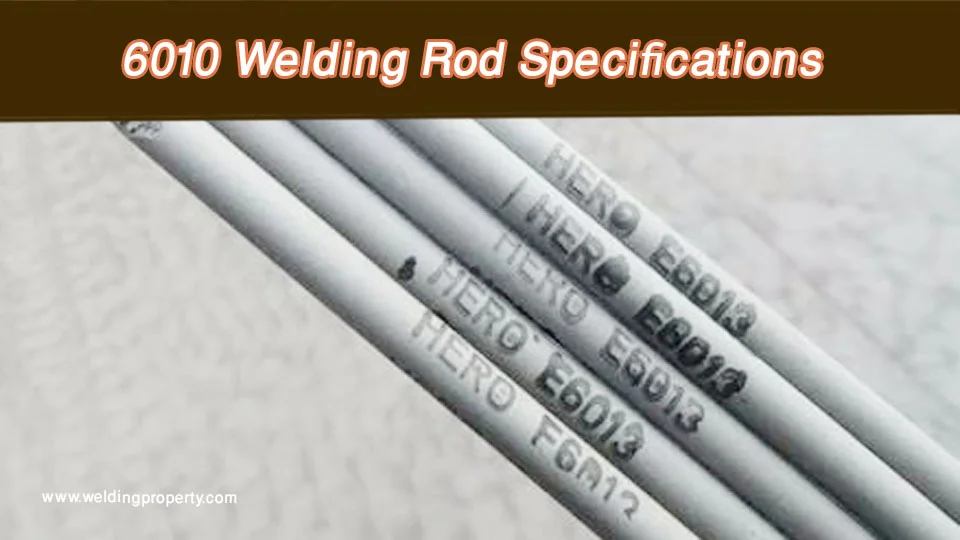
What Makes the 6013 Welding Rod Stand Out in the Shop
When I first started welding back in the day, I grabbed whatever rod was handy, but experience taught me that not all electrodes are created equal. The 6013, classified as E6013 under AWS standards, is a rutile-coated stick electrode designed primarily for shielded metal arc welding (SMAW).
That “E” stands for electrode, the “60” means it delivers a minimum tensile strength of 60,000 psi in the weld metal, and the “1” indicates it’s suitable for all welding positions—flat, horizontal, vertical, and overhead. The “3” points to its rutile (titanium dioxide) flux coating, which gives it that smooth, forgiving arc.
How does it work? The coating melts during welding to create a shielding gas that protects the molten weld pool from atmospheric contamination, like oxygen and nitrogen, which could cause porosity or brittleness.
As the rod burns, it deposits filler metal with a fast-freeze characteristic, meaning the puddle solidifies quickly. This is why it’s great for out-of-position welding; it doesn’t sag or run like some deeper-penetrating rods might.
I use the 6013 when I’m dealing with light-gauge mild steel, say 1/8-inch or thinner, on jobs like automotive repairs or building custom brackets. Why? Because it offers shallow penetration, which reduces the risk of burn-through on thin stock, and its slag is self-releasing—peels off with minimal chipping.
In real shop situations, this saves time on cleanup, especially if you’re welding galvanized material where deeper rods might cause more zinc fumes and health risks. But remember, it’s not ideal for heavy structural work; for that, you’d want something like a 7018 for deeper penetration and higher strength.
One practical tip from my workbench: Always store these rods in a dry place. Moisture pickup can lead to hydrogen cracking, and I’ve had to scrap a few beads because I left a box open overnight in a humid shop.
If you’re just starting out, practice on scrap pieces to get a feel for how the arc starts—it’s buttery smooth on AC machines, which are common in home garages across the US.
Breaking Down the Key Specifications of 6013 Rods
Diving into the nitty-gritty, the 6013’s specs are what make it versatile for everyday welding. Typical diameters range from 1/16-inch (about 1.6mm) up to 5/32-inch (4mm), with lengths around 12 to 14 inches. The coating is high-titania, providing excellent arc stability and low spatter, which is a godsend when you’re welding in tight spaces.
Electrically, it runs on AC, DC electrode positive (DCEP), or DC electrode negative (DCEN). I prefer DCEP for most jobs because it gives better penetration without excessive heat buildup.
Yield strength is around 48,000 to 66,500 psi, and elongation in the weld is typically 17% to 25%, meaning the joint can flex a bit without cracking—perfect for vibration-prone applications like machinery repairs.
When should you spec this rod? For general fabrication on clean or lightly rusted mild steel, especially in all positions. It’s not for high-alloy steels or critical load-bearing welds, but for hobbyists fixing lawnmower frames or pros tacking up sheet metal enclosures, it’s spot on. Why? Cost-wise, a 10-pound box runs about $20-30 in US stores, making it economical without sacrificing quality.
In my experience, a common mistake is overlooking the rod’s compatibility with your machine. If you’re using a basic 110-volt inverter welder, like those from Harbor Freight, the 6013 shines because it strikes easily at lower amps.
But push it too hard on thick plate, and you’ll get undercut or lack of fusion—I’ve fixed those on jobs where a trainee ignored the specs and cranked the amps.
Amperage Ranges and How to Dial Them In for Perfect Welds
Amperage is where the rubber meets the road with the 6013. Get it wrong, and you’re looking at porous welds or rod sticking; get it right, and your beads look like they came from a pro. The range depends on diameter—smaller rods need less current to avoid overheating, while larger ones handle more for thicker materials.
For a 3/32-inch rod, I start at 70-90 amps on thin sheet; bump to 80-110 for 1/8-inch plate. With 1/8-inch diameter, 90-140 amps covers most jobs, and for 5/32-inch, 130-180 amps lets you tackle up to 1/4-inch steel without issues. These are ballpark figures—always adjust based on your machine and material thickness.
How does it work in practice? Higher amps give more heat and faster deposition, but on thin metal, that means distortion or warping. I once welded a custom exhaust bracket at 100 amps on 16-gauge steel, and it laid down beautifully with no waves. But crank to 120, and you’d see the metal buckle.
When to use lower amps? For overhead or vertical welds to control the puddle. Why? The fast-freeze flux helps, but too much heat makes it drip. Shop tip: Test on scrap with your specific welder—US brands like Lincoln or Miller might run hotter than imports. If your rod sticks, drop amps by 10 and try a slight drag technique.
Common pitfall: Beginners forget polarity affects amps. On DCEN, you might need 10-20% more current for the same penetration. I’ve trained guys who switched from AC to DC and wondered why their welds looked weak—simple fix, just recalibrate.
Here’s a quick comparison table for amperage by diameter:
| Diameter (inches) | Typical Amperage Range (AC/DC) | Best For Material Thickness |
|---|---|---|
| 1/16 (0.0625) | 40-70 amps | Up to 1/16-inch sheet |
| 3/32 (0.09375) | 70-110 amps | 1/16 to 1/8-inch |
| 1/8 (0.125) | 90-140 amps | 1/8 to 3/16-inch |
| 5/32 (0.15625) | 130-180 amps | 3/16 to 1/4-inch |
Use this as a starting point, and fine-tune based on your setup.
Electrode Diameters and Choosing the Right Size for Your Job
Picking the right diameter is crucial—too small, and you’ll burn rods too fast; too big, and starting the arc becomes a hassle on thin stuff. The 6013 comes in standard sizes: 1/16, 3/32, 1/8, and 5/32 inches are the most common in US welding supply shops.
How it works: Smaller diameters like 3/32-inch melt quicker with less heat input, ideal for low-amp machines. Larger ones, say 1/8-inch, deposit more metal per pass, speeding up production on thicker joints.
I grab 3/32-inch for most DIY repairs, like welding patches on a truck bed—it’s forgiving and doesn’t require a beast of a welder. For shop fabrication, 1/8-inch handles multi-pass welds on frames without excessive rod changes.
Why match size to job? Mismatched diameters lead to poor bead appearance or incomplete fusion. Lesson learned: On a gate repair, I used 5/32-inch on 14-gauge tubing at 150 amps—burned right through. Switched to 3/32 at 80 amps, and it was smooth sailing.
Tip: For vertical welds, go smaller to reduce heat and spatter. Always check the rod’s burn-off rate; 6013 burns evenly, but if it’s too fast, lower amps or switch sizes.
Processes and Techniques for Using 6013 Effectively
The 6013 is built for SMAW, the classic stick process that’s portable and doesn’t need gas shielding—perfect for outdoor jobs in windy US farms or construction sites.
Step-by-step guide to a basic flat weld:
- Prep the joint: Clean rust or paint with a wire brush; bevel edges on thicker stock for better penetration.
- Set your machine: AC or DC, amps per diameter as above. Strike the arc by tapping or scratching.
- Hold the rod at 15-20 degrees from vertical, drag it steadily at 1/8-inch per second.
- Watch the puddle: It should be oval, with the slag forming behind.
- End the bead: Backstep slightly to fill the crater and avoid cracks.
For vertical up, weave side-to-side; overhead, keep a tight arc to prevent drips.
Why this rod for SMAW? Its flux makes it user-friendly for beginners learning in community colleges or home shops.
In my workshop, I teach trainees to start with 6013 before moving to trickier rods—builds confidence without the frustration of restarts.
Common mistake: Poor joint prep leads to inclusions. Fix by grinding out and rewelding, but prevent it with acetone wipes on oily surfaces.
Material Compatibility and When to Pair 6013 with Specific Metals
The 6013 excels on mild carbon steels like A36 or 1018—common in US fabrication for everything from trailers to shelving.
It’s compatible with galvanized steel, but vent fumes well to avoid zinc poisoning. For stainless or aluminum? Skip it; use specialized rods like 309 or MIG for those.
How it works: The filler metal matches low-carbon steels, providing good ductility without brittleness.
When to use: For repairs on rusty equipment, as its shallow penetration doesn’t dig deep into contaminants. Why? Deeper rods like 6010 might cause more porosity on dirty metal.
Shop anecdote: Fixed a leaky boat trailer with 6013 on mild steel tubing—matched perfectly, no cracks after years of saltwater exposure. Mistake to avoid: Using on high-strength steels; it’ll undercut and fail under stress. Test compatibility on scrap first.
Pros of 6013 compatibility:
- Versatile for clean or lightly contaminated mild steel
- Low hydrogen risk on properly stored rods
- Good for tacking before final welds
Cons:
- Limited to low-alloy steels
- Not for critical high-tensile applications
- Shallow penetration means multi-passes on thick joints
Safety Considerations When Working with 6013 Rods
Safety isn’t optional in welding—I’ve got the scars to prove it. With 6013, the rutile coating produces fumes, so always use a respirator or exhaust fan, especially indoors.
Wear leather gloves, long sleeves, and a helmet with at least shade 10 lens to protect from UV rays and spatter. The rod’s easy arc reduces sticking risks, but if it happens, don’t yank—turn off the machine first.
Why focus on this? Improper handling leads to burns or eye flash. In US shops, OSHA mandates ventilation for fumes containing manganese and silica from the flux.
Tip: For overhead welding, secure your position to avoid falls. I’ve seen pros skip harnesses and regret it. Always ground your work properly to prevent shocks, especially on damp floors.
If you get a bad weld from wrong settings—say, porosity from high amps—grind it out safely with eye protection.
Joint Preparation Tips for Optimal Results with 6013
Joint prep is half the battle. For butt joints, bevel at 30 degrees on plates over 1/8-inch; for lap joints, overlap by at least the material thickness.
How: Use an angle grinder for clean edges, removing mill scale that could cause arc instability.
When: Always on rusty or painted metal—6013 tolerates some dirt, but clean preps yield stronger welds.
Why: Poor prep leads to lack of fusion. I once skipped beveling on a frame, got undercut, and had to redo the whole thing.
Shop tip: For thin sheets, use backing bars to prevent burn-through. Clamp pieces to minimize distortion.
Fixing Common Weld Defects Caused by 6013 Misuse
Even with great specs, mistakes happen. Porosity? Often from moisture—dry rods at 250°F for an hour.
Undercut: Too high amps or fast travel—slow down and drop current.
Cracks: From rapid cooling—preheat thick stock to 100°F.
How to fix: Grind defects flush, clean, and reweld with proper settings. I’ve salvaged many jobs this way, turning lemons into lemonade.
Pro tip: Inspect with a magnifying glass post-weld; early catches save time.
Pros and Cons of 6013 Compared to Other Rods
Let’s stack it up.
Pros:
- Easy slag removal, low spatter
- All-position versatility
- Forgiving for beginners
- Economical for general use
Cons:
- Shallow penetration limits thick material
- Lower strength than 7018
- Not low-hydrogen for critical welds
Compared to 6010: 6013 is smoother but less penetrating. Vs. 7018: Less strength but easier handling without ovens.
In my shop, 6013 is the daily driver for 70% of jobs.
Step-by-Step Guide to a Multi-Pass Weld with 6013
For thicker stock:
- Clean and bevel joints.
- Tack with low amps.
- Root pass: 90 amps on 1/8-inch rod, stringer bead.
- Filler passes: Weave at 110 amps.
- Cap pass: Smooth over at 100 amps.
Cool between passes to avoid overheating.
This builds strong joints without distortion.
Wrapping Up
Nailing the 6013’s specs has saved me countless hours and materials. You’ve got the tools now to pick the right diameter, dial in amps, and prep joints like a seasoned welder—whether you’re a student practicing in class or a hobbyist in your garage.
It boils down to matching the rod to the task for safe, efficient results that hold up. Always run a stringer bead first on new material to check penetration—adjust from there, and you’ll rarely go wrong.
FAQs
What amperage should I use for 6013 on thin sheet metal?
For 16-18 gauge, stick to 70-90 amps on a 3/32-inch rod. Start low to avoid burn-through, and use a drag technique for even heat.
Can I use 6013 for vertical welding, and how?
Absolutely—it’s all-position. Set amps 10% lower than flat, weave slightly, and keep a short arc to control the puddle. Practice on scrap to avoid sags.
What’s the difference between 6013 and 7018 rods?
6013 has shallower penetration and easier slag removal for light work; 7018 offers higher strength but needs dry storage and is trickier for beginners.
How do I store 6013 rods to prevent issues?
Keep them in a sealed container or rod oven at 100-150°F. Moisture causes cracking—I’ve tossed batches after humid storage, so don’t skimp here.
Is 6013 suitable for welding rusty metal?
It handles light rust well due to its flux, but clean heavily rusted areas first. For best results, wire brush and use on mild steel only.