
Figuring out the maximum fillet weld size for plate thickness is one of those things that took me a while to really understand. When I was starting out, I thought bigger welds always meant stronger joints — so I’d pile on extra filler, crank up the amps, and create huge fillet welds on thick plate. Turns out, that’s not how it works at all. Over-welding wastes wire, overheats the metal, and can actually weaken the joint.
The right fillet size depends on your plate thickness, joint prep, welding process (MIG, TIG, or flux core), and how the load hits the weld. Once I learned the proper sizing rules, everything from structural brackets to fabrication projects got cleaner, stronger, and a whole lot more efficient.
I’ll break down exactly how to size your fillet welds correctly so you get maximum strength without wasting time, heat, or filler metal.
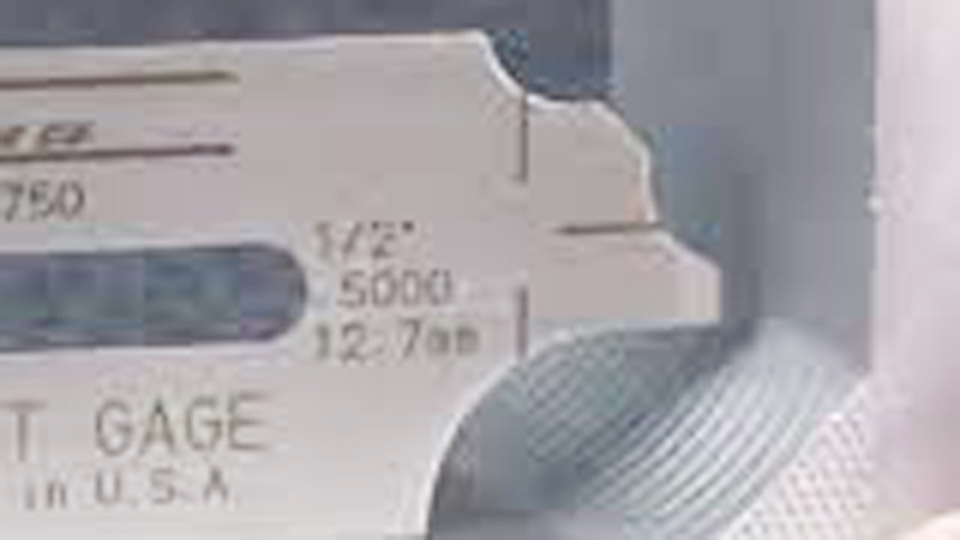
Image by penntoolco
Why Maximum Fillet Weld Size Actually Matters in the Real World
Too many guys think the only limit is how much you can pile on before the puddle falls through. Wrong. The base metal itself is the limiting factor 90% of the time. When your fillet leg gets bigger than the plate is thick, the heat-affected zone (HAZ) can eat all the way across the plate thickness. That turns your tough structural steel into a brittle candy bar that cracks the first time somebody looks at it funny.
I’ve seen 1-inch plate with a 5/16 fillet crack clean through the thickness in a seismic test because the HAZ overlapped. Safety, fatigue life, and passing UT aren’t negotiable. Plus, every extra 1/16 on the leg is another pound of 7018 per foot you’re paying for. On a 200-foot beam line, that adds up quick.
How Thick Does the Plate Have to Be for a Certain Fillet Size?
Here’s the rule of thumb I still keep taped inside my hood: for single-pass fillets on carbon steel with processes like SMAW, FCAW, or GMAW, the maximum leg size should never exceed the thickness of the thinner plate being joined. That’s straight out of AWS D1.1 Table 5.8 if you’re working structural.
For example:
- 3/16 plate → max practical single-pass fillet around 3/16 (some guys push 7/32 with spray, but you’re living on the edge)
- 1/4 plate → 1/4 fillet is safe all day
- 3/8 plate → you can comfortably run 5/16 to 3/8
- 1/2 plate → 7/16 is usually the ceiling before you start needing multiple passes or preheat just to keep from cracking the plate
That’s not me guessing—that’s decades of watching qualified WPSs and breaking test plates in the booth.
Single-Pass vs Multi-Pass: When You Can Break the “Plate Thickness” Rule
The magic happens when you’re allowed multiple passes. Once you switch to a weave or stringer technique, you can absolutely lay fillets larger than the plate thickness because you’re controlling heat input and giving the plate time to cool between passes.
I’ve put 5/8 fillets on 3/8 plate for heavy equipment repair using 8018-C3 with a temper bead sequence—perfectly acceptable because I kept interpass below 550 °F and proved it out with macros.
If you’re running flux-core out in the field on a catwalk, though, most foremen still cap you at plate thickness for single-pass work because nobody wants to babysit interpass temp with a Tempilstik when it’s 15 °F and blowing.
Lap Joints vs T-Joints: The Rules Change a Little
Here’s where a lot of guys get tripped up. On a simple T-joint (like a stiffener to a web), the limiting thickness is the thinner of the two pieces. But on lap joints, AWS D1.1 lets you go 1/16 less than the thickness of the overlapping plate in prequalified procedures.
So a 1/2 plate lapping another 1/2 plate can take a 7/16 fillet instead of a full 1/2. That 1/16 sounds tiny until you’re figuring consumables on a pressure vessel job.
Common Mistakes I Still See on Job Sites (And How to Fix Them)
Running the leg too big on thin stuff and watching the plate warp like a potato chip. Fix: drop voltage two numbers and travel faster. You’ll shrink the leg and keep penetration without melting the edge away.
Trying to force a 3/8 fillet on 1/4 plate with 7018 because “low-hydrogen is better.” You’ll get undercut city and probably a crack starter. Switch to a 3/32 or 1/8 E71T-1 flux-core, spray transfer, and keep that leg honest.
Forgetting preheat on high-strength plate when pushing the limit. Anything over 70 ksi yield (think A514 or HY-80), and you better be hitting 200-300 °F minimum if you’re near the max fillet size, or you’ll hydrogen-crack before the Super can cool off.
Practical Machine Settings That Actually Work in the Shop
Let me give you some real numbers I use every week.
For 7018 on 3/8 plate laying 5/16 fillets (my bread-and-butter stiffener size):
- 1/8 rod, 115-130 amps DC+
- Slight uphill angle, 1-second pause on each side of the toe
- Travel about 7-9 inches per minute
For dual-shield flux-core on the same joint when I need to fly:
- 0.045 wire, 26-28 volts, 320-360 ipm wire speed
- 3/4 to 1-inch stick-out, 15-20° push angle
- You’ll lay a dead-flat 5/16 to 11/32 fillet without breaking a sweat
For thin stuff (3/16 plate max 3/16 fillet) with short-circuit GMAW:
- 0.035 solid wire, 75/25 gas
- 17-18 volts, 180-220 ipm
- Gun almost perpendicular, fast travel—keeps heat low and leg controlled
Material Matters: Carbon Steel vs HSLA vs Stainless
Carbon steels like A36 or A572 are pretty forgiving. Push the limit and you usually just get distortion, not cracks.
Quenched-and-tempered stuff (A514, T-1, etc.) will punish you instantly if you exceed plate thickness on a single pass. I keep a cheat sheet in my box: never more than 0.8 times plate thickness on Q&T without multiple passes and preheat.
Stainless is a different animal. 308L on 1/4 304 plate? You can run a convex 5/16 fillet all day with 98/2 gas because stainless dissipates heat so well. Just watch for sugar (oxidation) if you get greedy with the heat.
Fillet Weld Size Chart I Keep in My Toolbox
| Thinner Plate Thickness | Max Single-Pass Fillet (Carbon/HSLA) | Max Multi-Pass Fillet (Typical) | Common Process |
|---|---|---|---|
| 3/16″ | 3/16″ | 5/16″ | FCAW-S, SMAW |
| 1/4″ | 1/4″ | 3/8″ | FCAW-G, GMAW |
| 5/16″ | 9/32″ | 7/16″ | SMAW, FCAW-G |
| 3/8″ | 5/16″–3/8″ | 5/8″ | All processes |
| 1/2″ | 7/16″ | 3/4″+ | All processes |
| 3/4″+ | Plate thickness minus 1/16″ | No practical limit | Any |
Print that out, laminate it, stick it on your box. Saved more than one new guy from getting yelled at.
When the Drawing Calls for Bigger Fillets Than the Plate Allows
Happens all the time. Engineer wants 1/2 fillets on 3/8 plate for whatever reason. You’ve got three options:
- Get an engineering change notice (ECN) and bump plate thickness.
- Write a new WPS for multi-pass with controlled interpass (my usual route).
- Butter the base metal first with a temper bead layer, then come back with your big fillet. Takes longer, but I’ve used it on mining equipment where changing plate wasn’t an option.
How to Measure Your Fillet the Right Way (Not Just Eyeball It)
Grab a stainless fillet gauge—Cambridge or G.A.L. Gage, doesn’t matter. Slide it in until it touches both legs. If the gauge rocks, you’re concave and undersized. If it won’t touch the root, you’re convex and probably oversized. I check the first three joints every morning until the machine settles in. Takes ten seconds and keeps the inspector happy.
Pro Tips From Thirty Years of Burning Rod
On thin plate, always weld vertical-down fillets when you can. Gravity keeps the puddle from growing too big.
Use a 1/16 smaller leg than you think you need on the first pass, then add a cosmetic cap pass. Looks better, uses less filler, and rarely fails inspection.
When in doubt, mock it up. I keep scrap drops in the truck. Ten minutes welding coupons beats ten hours grinding out rejected welds.
Wrapping Up
Look, after reading this you now know exactly how big you can go without turning good steel into junk. You’ve got real numbers for every common thickness, settings that actually work in dirty field conditions, and the why behind every rule.
Next time you’re staring at a joint, you won’t have to guess—you’ll know whether to grab the 1/8 rod or the 5/32, single pass or multi, and you’ll sleep good knowing that weld isn’t coming back to bite you.
One last pro tip I wish somebody told me on day one: always weld the thinnest stuff first thing in the morning when you’re fresh and the base metal is cold. Your fillet legs will be more consistent and you’ll push the maximum size with way less drama.
FAQs
What is the maximum fillet weld size for 1/4 inch plate?
For single-pass work on carbon or low-alloy steel, keep it at 1/4 inch max. You can push 5/16 with multi-pass or spray transfer flux-core if your WPS allows it and you control heat input.
Can I put a 1/2 inch fillet on 3/8 plate?
Only with multiple passes, preheat (usually 200-250 °F minimum), and a qualified procedure. Single-pass will almost certainly crack or distort the plate.
Does AWS D1.1 limit fillet weld size based on plate thickness?
Yes—Table 5.8 for prequalified joints generally limits single-pass fillet legs to the thickness of the thinner part joined, and even multi-pass has practical heat-input limits to avoid HAZ issues.
Is there a difference between static and cyclic loading rules?
Absolutely. For fatigue-critical connections (cranes, bridges, anything seismic), many engineers derate the allowable fillet size another 1/16–1/8 below static just to keep the HAZ smaller and improve fatigue life.
Will a bigger fillet always make the joint stronger?
Up to a point—then you hit diminishing returns and actually weaken the base metal through excessive heat. Strength is about proper fusion and minimal HAZ degradation, not just piling on filler.