
Getting a Lincoln stick welder set up properly is one of those things that makes all the difference between a smooth, strong weld and endless frustration. I remember the first time I tried to fire up a new stick machine — I had clamps in the wrong spots, the amperage all over the place, and the rod kept sticking before I even got a decent puddle going.
Whether you’re working on mild steel, stainless, or thicker plate, the right setup — from electrode selection and amperage settings to proper grounding and joint prep — is key to clean, strong welds. Skip a step, and you’re asking for spatter, poor fusion, or even safety issues. I’ll walk you through a step-by-step, real-world guide to get your Lincoln stick welder dialed in perfectly every time.
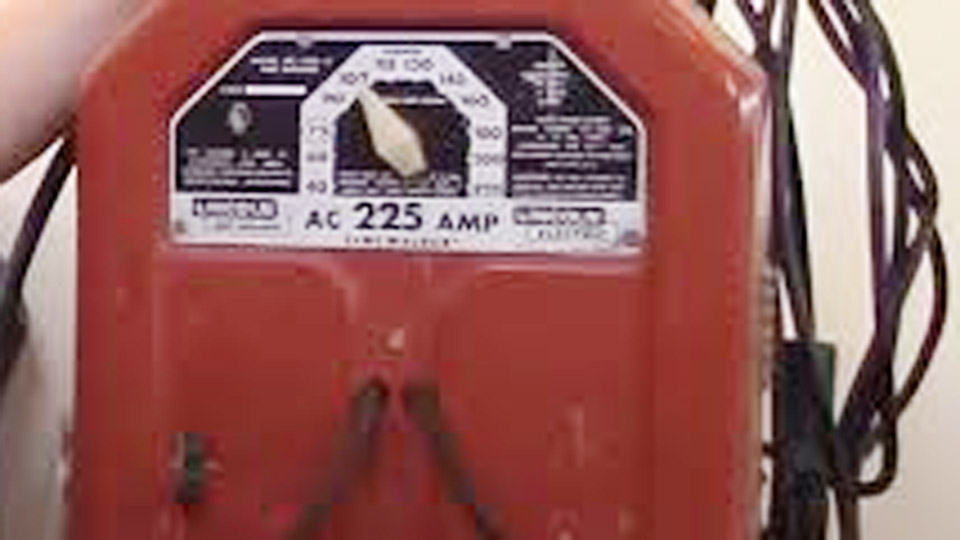
Image by forestry
Understanding Your Lincoln Stick Welder
Lincoln Electric makes some of the most dependable stick welders out there, built tough for American workshops. Take the AC-225—it’s an AC-only machine ideal for basic mild steel jobs, running on 230V single-phase power with output up to 225 amps.
Then there’s the AC/DC 225/125, which gives you DC options for smoother arcs on low-hydrogen rods or stainless. I’ve used both on everything from pipeline repairs to hobby builds, and the DC polarity switch on the latter really shines for crack-resistant welds.
These machines feature a simple amperage selector dial, fan-cooled internals, and heavy-duty output terminals. The duty cycle is typically 20% at max output, meaning you can weld for about 2 minutes straight in a 10-minute cycle before cooling off—plenty for most intermittent work.
Check your nameplate for exact specs; it’s usually on the front or side. Why does this matter? Matching your welder to the job prevents overheating and ensures consistent arc stability, which directly impacts weld quality and longevity.
In my early days, I grabbed an AC-225 for a gate repair without checking voltage compatibility, and it tripped my breaker mid-job. Lesson learned: always verify your power source against the manual’s input requirements to avoid downtime.
Safety Precautions Before Setup
Safety isn’t just a checklist—it’s what keeps you welding another day. I’ve seen too many guys in the shop skip gear and end up with flash burns or worse. Start by suiting up: a welding helmet with at least shade 10 lens (ANSI Z87.1 approved), flame-resistant jacket, leather gloves, safety glasses under the hood, and steel-toe boots. Long pants without cuffs to catch sparks, and never weld in shorts or open-toed shoes.
Ventilation is key—stick welding fumes contain manganese and other nasties, so use a fume extractor or work outdoors with wind at your back. If indoors, open doors and fans aren’t enough; invest in a respirator if you’re on low-hydrogen rods.
Keep a fire extinguisher handy, clear flammables within 35 feet, and never weld on containers that held combustibles without venting them first.
Electrically, ground everything properly to prevent shocks. I’ve had a close call with a damp floor amplifying a loose connection—always inspect cables for frays and use dry insulation. Follow OSHA guidelines for PPE and workspace setup; it’s not overkill, it’s smart.
Why prioritize this? A safe setup lets you focus on technique, reducing accidents that could sideline you or compromise weld strength.
Gathering Essential Tools and Materials
Before plugging in, round up your kit. You’ll need electrode holders (the stinger), work clamps, and cables—Lincoln’s are beefy, but check for wear. Stock up on rods: E6013 for easy starts on clean steel, E7018 for high-strength jobs. Get a chipping hammer, wire brush, and angle grinder for slag removal and joint prep.
Don’t forget measuring tools like a caliper for material thickness and a soapstone for marking. For the workspace, a sturdy table or sawhorses, clamps to hold pieces, and anti-spatter spray if you’re picky about cleanup. In US shops, we often use AWS-certified rods for code compliance, so grab those from suppliers like Airgas.
From experience, skimping on quality rods leads to spatter city. I once used cheap imports on a trailer frame, and the porosity required grinding it all out—waste of time and filler. Invest in Lincoln’s own electrodes for compatibility; they run smoother on their machines.
Electrical Requirements and Installation
Hooking up power is where many setups go wrong. Lincoln stick welders like the AC-225 need a 230V, 50A circuit—single-phase, with a NEMA 6-50R receptacle. Use #8 or #6 copper wire for runs under 100 feet to handle the draw without voltage drop. Install a dedicated breaker; sharing with other tools can cause trips.
Ground the welder frame via the green wire in the plug—essential for safety per NEC codes. If your shop’s on 208V, expect slightly lower output, but it’ll work. I’ve wired plenty of these in barns and garages; always kill power at the panel before connecting, and use a multimeter to confirm 230V at the outlet.
For portable use, a generator rated at least 5kW continuous works, but ensure clean power to avoid arc instability. Why fuss over this? Proper electrical setup ensures full amperage delivery, preventing weak welds and machine strain that cuts lifespan.
Connecting Cables and Accessories
With power sorted, let’s cable up. The electrode cable (longer one) goes to the positive terminal for DC+ polarity—common for most rods. Work cable to negative, then clamp it firmly to your workpiece, scraping off paint or rust for a solid ground. Loose grounds cause erratic arcs; I’ve chased that ghost more times than I care to admit.
Attach the stinger: strip cable end, insert into the holder, and tighten securely. For the AC/DC model, select polarity on the switch—DC+ for E7018, AC for basic E6011. Route cables flat to avoid trips, and never coil them around your body to minimize EMF exposure.
In practice, shorter cables reduce resistance for hotter arcs on thick stock. Test connections by powering on (without rod) and checking for fan operation—no odd noises mean you’re good.
Selecting the Right Electrodes
Electrode choice is make-or-break for weld quality. For mild steel, E6011 penetrates deep on dirty surfaces, great for repairs. E6013 gives smooth beads with easy slag removal, ideal for thin sheets. Low-hydrogen E7018 needs dry storage but delivers tough welds for structural work per AWS D1.1.
Size matters: 1/8-inch for general use, 3/32 for finer control on 1/4-inch plate. Lincoln’s Fleetweld line matches their machines perfectly—check the box for polarity and amp ranges. I’ve switched mid-job from E6013 to E7018 on a pressure vessel mockup, and the difference in crack resistance was night and day.
Store rods in a heated oven if hydrogen’s a concern; moisture pickup causes hydrogen cracking. Always match rod to base metal—stainless calls for 308L types. This ensures compatibility, reducing defects like undercut or inclusions.
| Electrode Type | Best For | Polarity | Amp Range (1/8″) | Pros | Cons |
|---|---|---|---|---|---|
| E6011 | All-position, dirty metal | AC/DC+ | 75-125 | Deep penetration, versatile | Rough bead appearance |
| E6013 | Thin materials, clean steel | AC/DC+/- | 80-130 | Easy start, minimal spatter | Less penetration |
| E7018 | Structural, high-strength | DC+ (AC possible) | 90-150 | Strong, crack-resistant | Needs dry storage, harder to restart |
This table’s saved me on jobs—print one for your shop wall.
Adjusting Machine Settings
Dialing in settings is art meets science. Start with the amperage selector: for 1/8-inch E6013 on 1/4-inch mild steel, aim for 90-120 amps. Thicker metal? Crank to 150-200. Use the machine’s chart inside the door as a baseline—it’s tailored for Lincoln rods.
For AC models, that’s it; DC versions add polarity. Test on scrap: too low amps give a weak, ropy bead; too high blows holes. I’ve fine-tuned by feel—listen for that crisp bacon sizzle for a stable arc.
Factor in joint type: fillets need moderate amps for fusion without undercut. Overhead positions? Lower to control the puddle. Always let the machine cool per duty cycle; pushing it leads to internal damage.
Step-by-Step Guide to Starting Your First Weld
Alright, gear on, machine ready—let’s weld. First, prep the joint: bevel edges on anything over 3/16-inch for penetration, grind clean, and clamp secure.
Step 1: Insert rod into stinger at a 15-20 degree angle.
Step 2: Strike the arc—scratch like a match, then lift to rod diameter length.
Step 3: Maintain short arc, travel at steady speed. For stringers, drag straight; weaves for wider beads.
Step 4: Chip slag after cooling, inspect for defects like cracks.
Step 5: Restart by tapping hot rod end or grinding fresh.
I remember my first bead on an AC-225—it was lumpy, but practicing on scrap built confidence. Focus on puddle control; it’s the key to sound welds.
Common Mistakes and How to Fix Them
Even pros slip up. Overheating the machine? Stick to duty cycle—fan runs post-weld for cooling. Poor ground? Clean and reclamp closer to the joint.
Arc won’t start? Check polarity or try fresh rod—damp ones pop. Undercut edges? Reduce amps or angle the rod more. I’ve fixed porosity by switching to low-hydrogen on contaminated steel; always diagnose by bead appearance.
Blowing holes in thin metal? Drop amps and use smaller rods. Practice fixes these—don’t get discouraged; every welder’s been there.
Advanced Tips for Better Welds
Once basics click, tweak for pros. Preheat thick plates to 200°F for even heating, reducing cracks. Use backstepping on long seams to minimize distortion.
For vertical welds, start low amps and weave up. Overhead? Short arc, quick dabs. I’ve used these on scaffold repairs, saving hours versus grinding fixes.
Experiment with rod angles: 10 degrees for deep pen, 30 for flatter beads. Track settings in a notebook—it’s gold for repeat jobs.
Maintenance and Troubleshooting Your Welder
Keep it running smooth. Wipe dust from vents monthly; inspect cables for cracks. Store in a dry spot to prevent rust.
Trouble? No power—check breaker or plug. Erratic arc? Clean terminals or replace cables. Overheating trips breaker? Improve airflow or reduce duty.
I’ve revived an old AC-225 with just contact cleaner on the switch—simple fixes extend life. For big issues, hit a Lincoln service center; DIY internals voids warranty.
Real-World Applications in US Welding
In American shops, these setups shine for ag repairs, auto frames, and construction. I’ve used an AC/DC 225/125 on ASME-coded boilers, dialing DC+ for E7018 on carbon steel.
For hobbyists, it’s great for trailers or gates—cost-effective with low setup needs. Pros appreciate portability for site work under API standards. Always match to codes; it builds trust with inspectors.
Conclusion
You’ve now got the know-how to set up your Lincoln stick welder confidently, from power hookup to arc striking. Mastering these steps means safer sessions, stronger welds, and fewer headaches, whether you’re a student practicing beads or a fabricator on deadline.
You’re better equipped to pick the right rod for the material, tweak settings for optimal fusion, and troubleshoot on the fly—skills that pay off in durable results and efficiency.
Always weld a test coupon before the real job; it’ll reveal setup tweaks early and save material. Keep practicing, and you’ll weld like a seasoned hand in no time.
FAQs
What electrode should I use for beginner stick welding on mild steel?
For starters, grab E6013 rods—they’re forgiving with easy arc starts and clean slag removal. Run them at 80-130 amps on clean 1/8-1/4 inch steel for smooth practice beads.
How do I prevent my Lincoln stick welder from overheating?
Respect the 20% duty cycle: weld 2 minutes max per 10-minute period at full amps. Keep vents clear, use in well-ventilated spots, and let the fan run after shutdown to cool internals.
What’s the difference between AC and DC settings on my welder?
AC works for basic rods like E6011 on rusty metal with good penetration but more spatter. DC+ gives smoother arcs for low-hydrogen E7018, ideal for crack-free welds on structural steel.
Why is my arc unstable during welding?
Check for loose grounds, frayed cables, or damp rods. Clean the work surface, ensure proper polarity, and adjust amps—start mid-range and fine-tune based on the puddle.
Can I use my Lincoln stick welder for cutting or piercing?
Yes, with 1/8-inch E6011 at max amps. For cutting, hold a long arc and push through; for piercing, circle the rod to enlarge holes. Always on scrap first to dial technique.