
Stepping onto a pipeline job quickly makes one thing clear — this isn’t everyday shop welding. When people ask what does a pipeline welder do, there’s often confusion about whether it’s just running beads all day or something more specialized.
In reality, pipeline welding demands precision, discipline, and a solid understanding of joint prep, arc control, and metal thickness under strict code requirements.
The work involves heavy-wall pipe, specific filler rods, and process choices like stick versus TIG welding, sometimes even MIG for certain applications. There’s no room for shortcuts because weld quality directly affects safety, structural strength, and long-term reliability once a line is pressurized.
Many welders underestimate the pressure and skill involved until they see failed X-rays or costly rework. That’s why understanding the true role of a pipeline welder matters — and this guide dives into the real-world skills, challenges, and techniques that separate field-ready welders from the rest.
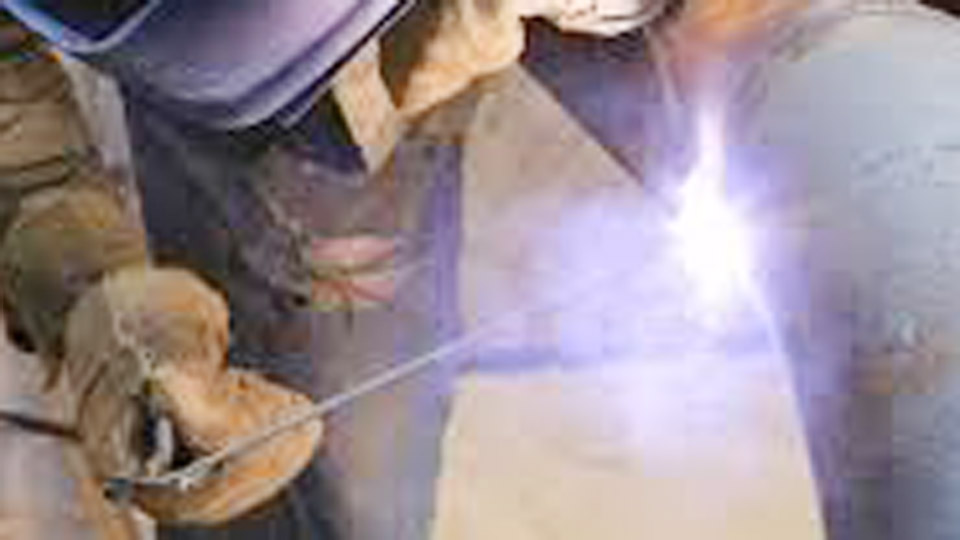
Image by waylanderwelding
The Everyday Grind: What a Pipeline Welder’s Day Looks Like
You’re up before the sun, coffee in hand, heading to a remote site where the wind’s howling and the ground’s either mud or frozen solid. As a pipeline welder, your day starts with safety briefings—always. We’ve all heard stories of guys skipping that and paying the price with burns or worse.
Once cleared, you gear up in flame-resistant coveralls, gloves that feel like they’re made of lead, and a helmet that’s seen better days but still flips down smooth.
The core of the job is prepping and welding pipe joints. You’ll inspect the pipe ends for defects—rust, dents, or mill scale that could weaken the bond.
I remember my first big project; I overlooked a tiny crack, and it cost us a full day redoing the section. Lesson learned: always bevel the edges properly with a grinder or torch to create that perfect V-groove for penetration.
Then comes the welding itself. Most pipeline work uses stick welding (SMAW) for its reliability in the field, but you’ll see MIG or TIG on specialized jobs. You’re laying root passes, hot passes, fills, and caps, each layer building strength.
On a 36-inch diameter pipe, that means contorting into awkward positions—uphill, downhill, overhead—while maintaining a steady arc. Wind is your enemy; it blows away shielding gas, so you rig up windbreaks from tarps or scrap metal.
Breaks are short; lunch is whatever you packed, eaten in the truck. Afternoons might involve testing welds with X-rays or ultrasounds, fixing rejects, or helping the crew with rigging. By quitting time, you’re beat, but knowing that pipeline’s integrity rests on your work? That’s the rush.
Key Skills Every Pipeline Welder Needs to Master
If you’re thinking about jumping into this, forget the classroom fluff—pipeline welding demands hands-on chops honed on real jobs. First off, blueprint reading is non-negotiable. You’ll decipher isometric drawings showing pipe runs, elevations, and fittings. Miss a dimension, and your weld’s off by inches, scrapping expensive material.
Welding technique is king. You need to control your travel speed, electrode angle, and amperage like second nature. For carbon steel pipes, I run 6010 rods for the root—it’s aggressive and digs deep—but switch to 7018 for fills because it lays smoother and resists hydrogen cracking.
Settings? Aim for 90-120 amps on the root, bumping to 130-150 for caps, depending on pipe thickness. Too hot, and you burn through; too cool, and you get lack of fusion.
Physical stamina matters too. Hauling 50-pound rod boxes, climbing scaffolds, working in 100-degree heat or sub-zero cold—it’s brutal. I’ve pulled 12-hour shifts in pouring rain, shielding my arc with my body to keep going. Mental toughness is key; pressure from deadlines and inspectors can rattle newbies.
Don’t overlook fitting skills. Aligning pipes with come-alongs or chain falls, tacking them in place before full welds. A misaligned joint stresses the weld, leading to failures down the line. Pro tip: use a hi-lo gauge to check internal alignment; anything over 1/16 inch, and you’re asking for trouble.
Tools and Gear: What You Can’t Weld Without
No pipeline welder hits the site without a solid kit. Your welding machine is the heart—portable diesel rigs like the Miller Big Blue or Lincoln SAE-400, cranking out 300+ amps for heavy-duty work. They’re beasts, but reliable in remote spots with no grid power.
Electrodes are your ammo. Stock up on 6010 for roots, 7018 for everything else—low-hydrogen to prevent cracking in high-strength steels. Wires for MIG setups? ER70S-6 is standard for clean, strong deposits. Keep ’em dry; moisture ruins ’em, causing porosity that fails inspections.
Hand tools: grinders with flap discs for beveling, chipping hammers to slag off, wire brushes for cleaning. I’ve jury-rigged fixes with a come-along when a pipe jack failed—always have backups.
Safety gear saves lives. Full-face shields with auto-darkening lenses (shade 10-13), respirators for fumes, and ear plugs for the constant grind. I once welded without proper ventilation and ended up with metal fume fever—felt like the flu from hell. Now, I insist on fans or exhaust systems.
For testing, you’ll use dye penetrants for quick checks or wait for NDT techs with their gear. In the shop, we mock up joints on scrap to test settings before the real deal.
Common Welding Processes in Pipeline Work
Pipeline welding isn’t one-size-fits-all; you pick the process based on material, location, and specs. Stick welding dominates because it’s versatile and doesn’t need fancy gas setups in the field. You strike an arc, melt the rod, and build the weld bead by bead. It’s forgiving on dirty surfaces but requires skill to avoid slag inclusions.
For faster production, mechanized welding like orbital TIG shines on stainless or alloy pipes. It automates the torch rotation around the joint, ensuring consistent penetration. I’ve used it on natural gas lines where purity is critical—no contaminants allowed.
MIG (GMAW) comes in for shop fab or repairs, spraying wire continuously for high deposition rates. But outdoors? Wind scatters the gas, so you add flux-cored wire for self-shielding.
Each has trade-offs. Stick is slow but strong; TIG is precise but tedious. Choose wrong, and you compromise weld integrity—cracks under pressure, leaks in service.
Preparing Joints: The Make-or-Break Step
Prep work is where welds live or die. Start by cutting pipe square with a torch or bandsaw—any angle throws off alignment. Bevel to 37.5 degrees for full penetration; too shallow, and you get incomplete fusion.
Cleanliness is next. Remove oil, paint, rust with solvents and brushes. On galvanized pipe, grind off the zinc or risk toxic fumes. I’ve seen guys skip this and end up with porous welds that fail hydro tests.
Fit-up: Clamp pipes with dogs or wedges, check with levels and squares. Tack weld every few inches—short bursts to avoid distortion. Heat input matters; too much warps the pipe.
In cold weather, preheat to 200-300°F with torches or induction heaters to prevent brittle fractures. Post-weld, stress relieve if specs call for it.
Common mistake? Rushing prep. Take time here, and the welding flies.
Challenges on the Job: Weather, Terrain, and Tight Deadlines
Pipeline work throws curveballs. Weather’s a big one—rain shorts your arc, snow freezes rods. I bundle gear in tarps and use tents over joints to keep dry.
Terrain? Welding on hills means fighting gravity; downhill beads run fast, risking burn-through. Use stringers instead of weaves for control.
Deadlines pressure you into corners. Crews push for miles per day, but shortcuts lead to rejects. I’ve rejected my own welds when fatigued—better safe than sorry.
Safety risks: High pressure means explosion hazards. Always vent lines, use lockout/tagout. Fumes from coatings can be deadly; monitor air quality.
Cost efficiency: Wasted material hurts the bottom line. Optimize rod use, minimize grinding.
Material Matters: Choosing the Right Pipe and Fillers
Pipelines use API 5L grades like X52 or X70—high-strength, low-alloy steels for toughness. Match fillers: 7018 rods for similar properties.
For corrosive environments, stainless like 316L with matching TIG wire. Incompatibility? Galvanic corrosion eats the joint.
Thickness varies—schedule 40 to 80. Thicker walls need multi-pass welds; plan layers to avoid defects.
Alternatives: When short on rods, I’ve used 6011—similar to 6010 but AC/DC versatile.
Training and Getting Started in Pipeline Welding
Breaking in? Start with trade school or apprenticeship—learn basics like oxy-acetylene cutting, then specialize.
Certifications: AWS D1.1 for structural, but pipelines lean on API 1104. Pass bend tests, radiographs.
On-the-job: Shadow veterans. I learned more from mistakes than classes.
Career path: Rig welder to inspector, maybe foreman. Pay’s good—$30-50/hour plus per diem—but travel’s constant.
Pros and Cons of Being a Pipeline Welder
Let’s break it down simple.
Pros:
- High earnings: Overtime piles up.
- Adventure: New sites, travel.
- Satisfaction: Building infrastructure.
- Skill demand: Always jobs.
Cons:
- Physically demanding: Backaches, burns.
- Isolation: Away from family weeks on end.
- Risky: Accidents happen.
- Inconsistent work: Boom-bust cycles.
| Aspect | Pros | Cons |
|---|---|---|
| Pay | Competitive, with bonuses for remote work | Variable based on oil prices |
| Lifestyle | See the country, build camaraderie | Long hours, harsh conditions |
| Growth | Quick advancement with certs | Requires constant upskilling |
| Job Security | Steady in energy sectors | Tied to industry fluctuations |
Step-by-Step Guide to Welding a Pipeline Joint
- Inspect materials: Check pipe for damage, verify grades.
- Cut and bevel: Square ends, grind 30-37 degree bevel.
- Clean: Wire brush, solvent wipe.
- Align and fit: Use jacks, check hi-lo.
- Tack: Short welds at 12, 3, 6, 9 o’clock.
- Root pass: 6010 rod, 100 amps, stringer technique.
- Hot pass: Clean slag, 7018 at 120 amps.
- Fills and cap: Layer up, weave for width.
- Inspect: Visual, then NDT.
- Coat: Apply epoxy for corrosion protection.
Tips: Watch heat—interpass temp under 500°F. Grind between passes for clean ties.
Real-World Scenarios: From Repairs to New Builds
On new lays, you’re welding endless strings—miles of pipe. Focus on speed without sacrificing quality.
Repairs: Locate leaks with pigs, cut out sections, weld patches. I’ve done hot taps on live lines—nerve-wracking but essential.
Fab shops: Pre-weld spools for field install. Controlled environment, but tolerances tight.
Offshore: Similar but with waves, salt—use marine-grade gear.
Safety First: Avoiding the Pitfalls
Burns, arc flash, falls—hazards everywhere. PPE is mandatory; inspect it daily.
Fume control: Position exhaust, use low-fume rods.
Electrical safety: Ground properly, avoid wet conditions.
Emergency prep: Know first aid, evacuation plans.
I’ve dodged close calls by double-checking setups.
Why Weld Integrity is Non-Negotiable
A failed weld can spill thousands of gallons, costing millions in cleanup. It’s about environment, safety, economy.
Strong welds mean reliable flow, fewer shutdowns.
Wrapping Up
You’ve got a solid grasp on what a pipeline welder does—from the daily hustle of laying flawless beads to tackling the curveballs that come with the territory. Whether you’re a hobbyist eyeing pro work, a student prepping for the field, or a vet brushing up, understanding these ins and outs arms you to make smarter choices on joints, materials, and techniques.
You’ll spot weak prep a mile away, dial in those machine settings for bombproof welds, and keep safety front and center to avoid the headaches I’ve learned the hard way. Always carry extra 7018 rods in a sealed oven—nothing kills momentum like pulling a damp stick mid-job. Stay sharp out there, and weld like your life’s on the line—because sometimes it is.
How much do pipeline welders make?
Entry-level might start around $25/hour, but with experience and certs, you’re looking at $40-60/hour plus overtime and per diem for travel. In boom times, six figures easy, but factor in downtime between gigs.
What certifications do you need for pipeline welding?
Focus on API 1104 quals—root and cap tests on pipe. AWS CWI helps for inspection roles. Renew every few years with continuing ed or retests.
Is pipeline welding dangerous?
Yeah, it’s got risks—fumes, burns, heavy lifting. But with proper PPE, training, and not cutting corners, you minimize ’em. I’ve seen more injuries from complacency than the work itself.
What’s the difference between uphill and downhill welding in pipelines?
Uphill builds strength with better penetration for high-pressure lines; slower but reliable. Downhill’s faster for thinner walls, but risks lack of fusion if not controlled. Choose based on specs and position.
How do you handle welding in bad weather?
Rig wind shields, use tents over joints, preheat more in cold. For rain, delay if possible, or work in shifts under cover. Adapt or eat rejects.