
Fixing a stripped bolt hole in an aluminum head is one of those repairs that instantly makes your stomach drop, especially when you know aluminum threads don’t forgive mistakes. I’ve run into this on engine heads and housings where one over-torqued bolt or wrong fastener turns a simple job into a headache.
The confusion usually starts with which fix is actually safe—thread inserts, helicoils, time-serts, or oversizing the bolt—and whether the repair will hold up under heat, vibration, and load.
Aluminum is soft, heat-sensitive, and very different from steel, so proper prep, alignment, and torque control matter just as much as the repair method itself.
This isn’t just about getting a bolt to tighten; it’s about sealing surfaces, structural integrity, and avoiding costly engine damage later. I’ll walk you through proven, shop-tested ways to fix stripped bolt holes in aluminum heads the right way.
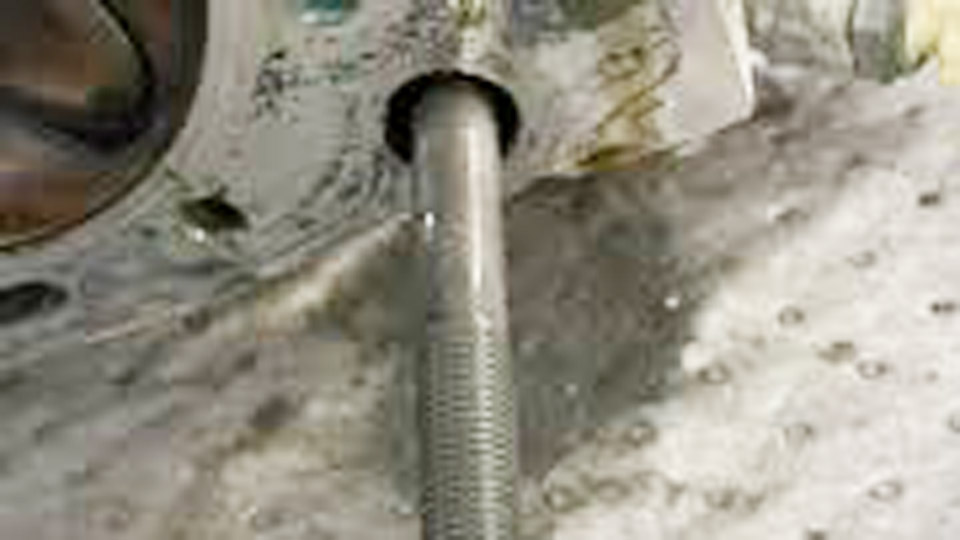
Photo by subarumechanics
What Causes Bolt Holes to Strip in Aluminum Heads
Stripped threads happen when the bolt’s torque exceeds the aluminum’s grip, often from cross-threading, rust buildup, or just plain over-tightening. In my experience, it’s common on high-mileage engines where bolts have been removed and reinstalled multiple times without anti-seize.
Aluminum’s lower tensile strength compared to steel means those fine threads wear out faster, especially in high-heat areas like cylinder heads.
How does it work mechanically? The threads deform under load, losing their helical shape and allowing the bolt to spin without holding tension.
When this occurs in a critical spot, like a head bolt hole, it disrupts even pressure across the gasket, leading to blows or warps. I’ve pulled heads off V8s where one stripped hole caused uneven combustion, dropping power and spiking emissions.
You should address it immediately when you notice that telltale loose feel during torquing. Ignoring it invites bigger problems, like coolant mixing with oil or compression loss.
Why bother fixing it yourself? In a busy shop, machine work adds up quick—$200 or more per hole at some places. Doing it in-house builds your skills and keeps costs down for hobby projects.
Practical tip: Always use a torque wrench calibrated for aluminum specs, usually lower than steel—around 60-70 ft-lbs for many head bolts. And clean those holes with a thread chaser before reinstalling; it prevents debris from accelerating wear.
Assessing the Damage: Is Welding the Right Choice
Before grabbing your TIG torch, evaluate the hole. Shine a light in there—is it just the top threads gone, or the whole depth compromised? In aluminum heads, corrosion from coolant can eat away material, making shallow strips easier to fix than deep ones.
Welding works by filling the hole with compatible aluminum, then redrilling and retapping to restore threads. It’s ideal for severe damage where inserts might not hold, like when surrounding material is thin or cracked. I’ve used it on vintage Ford heads where helicoils failed from vibration, and the weld gave a beefier base.
When to use it: For high-stress applications, like racing engines or heavy loads, where you need maximum strength. Why? The weld integrates with the base metal, reducing failure points. But if the head’s still on the engine, welding’s tricky due to heat distortion risks—better to pull it for precision.
Shop-floor tip: Measure the hole diameter with calipers. If it’s oversized by more than 0.010 inches, welding might be your go-to over inserts, which require stable walls. Common mistake? Assuming all aluminum is the same—cast heads are porous, so preheat to avoid cracks.
Comparing Repair Methods: Welding, Inserts, and More
Not every strip needs a weld. Let’s break down options based on what I’ve tested in the shop.
| Method | Pros | Cons | Best For |
|---|---|---|---|
| TIG Welding Fill and Redrill | Strong, integrated repair; customizable thread size; handles cracks | Requires skill and equipment; risk of distortion; time-intensive | Severe damage, custom builds, high-heat areas |
| Helicoil or Thread Insert | Quick install; stronger than original threads; no heat needed | Can fail in extreme vibration; enlarges hole slightly | Mild strips, in-place repairs, budget fixes |
| Time-Sert Insert | Solid sleeve for better hold; reusable bolts | More expensive kit; needs precise drilling | OEM-like strength, frequent disassembly |
| Epoxy or JB Weld | No tools required; cheap | Weak under torque; not for critical bolts | Temporary low-stress fixes, non-engine parts |
Welding shines when inserts won’t cut it, like on thin-walled heads. I’ve welded up holes on Harley Davidson cylinders where inserts spun out, and the repair lasted seasons of hard riding. Inserts are great for DIYers without a welder, but they don’t add material—key for worn-out aluminum.
Beginner mistake: Skipping material compatibility. Use 4043 filler for most cast aluminum to match expansion rates and avoid cracking.
Pro tip: If opting for inserts, always use a drill guide to stay perpendicular—I’ve seen crooked installs ruin good heads.
Preparing the Aluminum Head for Repair
Prep is everything—rush it, and your weld fails. Start by removing the head if possible; working on the bench beats contorting under a hood. Clean the area with a degreaser like simple green, then wire brush to bright metal. Aluminum oxidizes fast, so weld soon after.
How it works: Removing oils and oxides ensures fusion. For stripped holes, drill out remaining threads with a bit slightly larger than the bolt—say, 3/8″ for a 5/16″ hole—to create a clean void.
When to prep deeply: If the head’s oily from engine residue, soak in solvent overnight. Why? Contaminants cause porosity in welds, weakening the repair.
Practical advice: Tape off nearby ports and water jackets to keep shavings out. I’ve learned the hard way—debris in coolant passages led to overheating on a test run. Use compressed air post-drill, and always wear eye protection; aluminum chips fly everywhere.
Anecdote: On a Subaru boxer head, I skipped thorough cleaning once, and the weld bubbled like popcorn. Had to grind it all out and start over—lesson learned: patience pays.
Choosing the Right Welding Process and Filler
For aluminum, TIG is king—precise control over heat input minimizes distortion. SMAW (stick) is possible with special rods, but it’s messier and harder on thin material. MIG works for thicker sections, but TIG’s my pick for heads.
Filler metal: 4043 for general cast aluminum; it’s flowy and crack-resistant. Switch to 5356 for higher strength if the head sees heavy duty. Diameter? 1/16″ for fine control on small holes.
Amperage ranges: Start at 80-100 amps for 1/8″ thick aluminum, bumping to 120-150 for buildup. Use AC current for cleaning action—balance at 30-40% electrode negative for penetration.
When and why: TIG when precision matters; avoid overkill processes that warp the head. Safety note: Aluminum fumes are no joke—use a respirator and good ventilation to dodge metal fever.
Shop tip: Preheat the head to 200-300°F with a torch to reduce thermal shock. Common error: Too high amps melt through; dial it back and build layers.
Step-by-Step Guide to TIG Welding the Stripped Hole
Let’s get hands-on. This is how I fill and restore a stripped hole.
First, secure the head on a stable surface. Insert a stainless steel backer bolt if threads are nearby—it protects them from heat, as stainless holds shape.
Establish a puddle: Torch the hole edges to melt base metal, adding filler in dabs. Build up in layers, letting each cool to avoid sagging.
How it flows: The molten aluminum fills the void, fusing with walls. Pulse the pedal for control—short bursts prevent overheating.
Post-weld: Let cool naturally, then grind flush with a carbide burr. Drill to original size (e.g., 0.25″ for 1/4-20 threads), then tap carefully.
Tips: Work in a clean area; wind blows away argon shield gas. Mistake fix: If porous, grind out and reweld—don’t patch over bad spots.
This process took me 30 minutes on a recent Chevy LS head repair, holding 70 ft-lbs no problem.
Machine Settings and Technique Tips
Dial your TIG machine right: 100-140 amps, 60-80 Hz frequency for focused arc. Electrode: 3/32″ pure tungsten, sharpened to a point.
Technique: Hold the torch at 15-20° angle, filler at 45°. Dab, don’t drag—keeps the puddle clean.
When adjusting: Lower amps for thin areas to curb burn-through. Why these settings? They balance penetration and cleanup on aluminum’s oxide layer.
Real tip: Practice on scrap aluminum heads from junkyards. I’ve burned through a few learning to feather the pedal smoothly.
Error: Dirty electrode causes erratic arc—clean with a dedicated brush.
Joint Preparation and Material Handling
Joint prep for hole fills: Bevel edges slightly with a file for better fusion. Clean to shiny metal; acetone wipes oxides.
Handling: Clamp the head to dissipate heat. For cast aluminum, avoid rapid cooling—wrap in insulation post-weld.
Why prep matters: Poor edges lead to incomplete fusion, cracking under torque.
Lesson: On a motorcycle head, inadequate bevel caused a leak; now I always chamfer.
Common Mistakes and How to Fix Bad Repairs
Beginners overheat, warping the head—measure flatness post-weld with a straightedge. Fix: Machine shop resurfacing.
Pros forget anti-seize on reinstall, stripping again. Always apply.
Bad weld? Grind out, reclean, reweld. I’ve salvaged botched jobs by starting fresh.
Tip: Test torque on a mock-up bolt before final assembly.
Safety Considerations in Aluminum Welding
Aluminum dust is flammable—keep a fire extinguisher handy. Fumes cause dizziness; extractor fan essential.
Gear: Leather gloves, auto-darkening helmet (shade 10-12), long sleeves.
Why prioritize? I’ve seen sparks ignite oily rags—clean workspace saves lives.
Real-World Examples from US Shop Practices
In US auto shops, welding aluminum heads is common on GM LS engines or Ford Modulars. For a stripped exhaust bolt, I welded a Toyota head, using 4043 at 110 amps—held through 50,000 miles.
Fabrication hobbyists: On custom ATV frames, similar fixes prevent trail breakdowns.
Students: Start with low amps; build confidence on non-critical parts.
Suggesting Amperage Ranges and Filler Compatibility
For 1/4″ bolts: 90-120 amps. Thicker heads: 130-160.
Compatible fillers: 4043 for most; check head alloy (e.g., A356 common).
Prep: Degrease, brush.
Post-Repair Testing and Maintenance
Torque bolts in sequence, check for leaks with a pressure tester.
Maintenance: Inspect threads yearly; use anti-seize.
Why test? Catches issues before road use.
Anecdote: Post-weld on a diesel head, pressure test revealed a pinhole—quick fix saved a gasket.
Wrapping Up
Reflecting on these repairs, it’s clear that tackling a stripped bolt hole builds real shop savvy. You’ve got the tools now to choose welding when it fits, avoiding costly mistakes and ensuring your engine runs tight.
Remember, the key is matching the method to the damage—don’t force a weld on a simple strip. Always back purge with argon on enclosed holes to eliminate oxidation inside; it’s the difference between a good repair and a great one.
FAQ’s
Can I fix a stripped bolt hole without removing the head?
Sure, if access allows. Use inserts like Time-Sert for in-place drilling and tapping—keeps downtime low. But for welding, pull the head to control heat.
What’s the best filler rod for aluminum head repairs?
Go with 4043 for flow and crack resistance on cast heads. For stronger needs, 5356 adds tensile strength—test on scrap first.
How do I prevent stripping threads in the future?
Clean holes before torquing, use anti-seize, and stick to spec—e.g., 65 ft-lbs for many GM heads. Avoid reusing stretched bolts.
Is welding stronger than inserts for head bolts?
Often yes, as it rebuilds material. But inserts are plenty strong for stock apps; welding excels in modified or damaged setups.
What if my weld cracks after repair?
Grind it out, preheat higher (300°F), and reweld with slower cooling. Cracks usually stem from impurities or shock—clean thoroughly.