
If you’ve ever tried feeding aluminum wire through a standard MIG setup only to have it kink, bird-nest, or stall in the liner, you know an aluminum spool gun for a Lincoln MIG welder isn’t just a “nice-to-have” — it’s almost a must for clean, consistent aluminum welding.
A lot of welders get frustrated comparing MIG vs TIG welding for aluminum and then wonder why the wire won’t feed straight, even when metal thickness and joint prep are spot on. The secret is a proper spool gun: dedicated aluminum drive, smoother wire path, and solid arc control that reduces feed issues and spatter.
This matters in the real world because good feed equals better penetration, fewer starts/stops, less wasted material, and stronger, cleaner welds. In this guide, I’ll walk you through choosing the right spool gun for your Lincoln MIG, real shop tips to set it up, and why it makes aluminum welding so much easier.
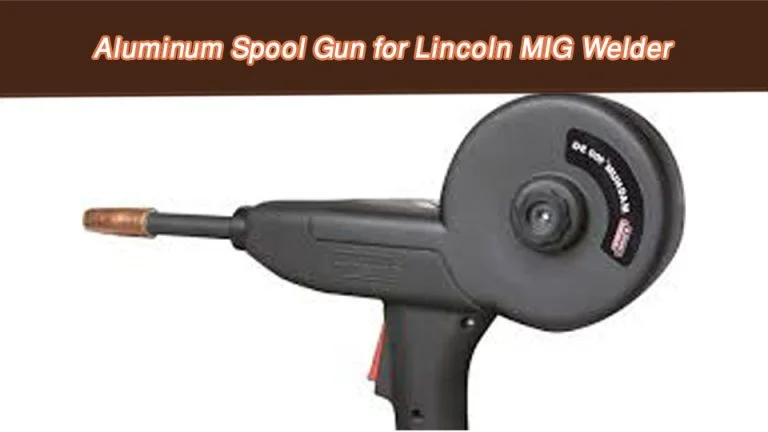
What Is an Aluminum Spool Gun and Why Do You Need One for Your Lincoln MIG Welder
You’re in the middle of welding an aluminum frame, and your wire starts jamming every few inches. Frustrating, right? That’s where an aluminum spool gun comes in.
It’s essentially a specialized MIG gun with a built-in wire spool holder and drive system, designed specifically for feeding soft aluminum wire without the long push through your welder’s liner. For Lincoln MIG welders, like the Power MIG series, it’s a must-have add-on if you’re venturing beyond steel.
This tool is perfect for DIY welders building backyard projects, hobbyists fabricating motorcycle parts, pros in auto repair shops, students learning the trade, or industry workers handling lightweight alloys.
Key features include adjustable tension controls to prevent crushing the soft wire, lightweight designs for better maneuverability, and connectors that match Lincoln’s 4-pin or 8-pin setups.
In real-world tasks, it shines on jobs like repairing boat hulls or creating custom exhausts – places where aluminum’s corrosion resistance is a big win.
From my experience, pros include smoother operation and less cleanup from spatter, but cons might be the added cost upfront or the need to switch gases to pure argon. Setup is straightforward: plug it into your Lincoln, load a 1-pound spool of ER4043 wire, set your machine to the right polarity (DCEP for aluminum), and you’re good.
Usability is high for portable jobs since it’s lighter than pushing wire from the machine. Performance varies by scenario – great for overhead welds where control matters, but watch heat buildup on thin material to avoid warping.
One shop-tested tip: always clean your aluminum thoroughly with a stainless brush to remove oxide – that’s a common mistake that leads to porous welds. I’ve fixed that on many apprentice jobs by showing them how a quick acetone wipe makes all the difference.
Key Features to Look for in a Spool Gun for Aluminum Welding
When shopping for a spool gun, focus on what’ll make your welds pop. Compatibility tops the list – ensure it fits your Lincoln model without mods. Look for amperage ratings around 150A for hobby work or higher for pros, and cable lengths of 10-25 feet for flexibility.
These features help in tasks like welding aluminum panels: ergonomic handles reduce fatigue during long sessions, and precise drive rolls prevent birdnesting. Real buyers consider price (around $150-600), usability for beginners, portability for field work, warranties (often 1-3 years), and Amazon’s fast shipping.
Pros: Enhanced feed reliability, better arc stability. Cons: Can be bulkier than standard guns, and some models require specific wire sizes. In scenarios like automotive repairs, it excels at clean starts and stops. A personal anecdote – I once patched an aluminum ladder in a tight spot; the spool gun’s short feed path saved the day.
Common buyer mistake: skipping the manual’s tension settings, leading to jams. Fix it by starting low and adjusting up.
Review of Lincoln Electric Magnum PRO 100SG Spool Gun
Let’s dive into one of the most popular options out there – the Lincoln Electric Magnum PRO 100SG. This is the go-to for many Lincoln MIG owners looking to add aluminum capability without overcomplicating things.
What it is: A lightweight, air-cooled spool gun rated at 150A with a 10-foot cable, designed for soft aluminum wire from 0.030 to 0.047 inches. It’s for folks like DIY welders fixing trailers, hobbyists on custom builds, or pros needing occasional aluminum work.
Key features: 4-pin or 8-pin connectors for easy Lincoln hookup, adjustable drive roll tension, and a durable trigger for precise control. In real tasks, it helps lay smooth beads on aluminum sheets, reducing porosity and improving penetration.
Pros from a welder’s view: Affordable entry point, reliable feeding that cuts downtime, and compatibility with models like Power MIG 210MP or 215 MPi. Cons: Lower duty cycle (30%) means it’s not for heavy industrial use – it can overheat on long runs.
Setup: Plug in, load your spool, set machine to spool gun mode, dial in 18-22 volts and 150-250 IPM wire speed for 1/8-inch aluminum. Usability is beginner-friendly; it’s portable at under 10 pounds. Performance shines in shop scenarios like welding bike frames, but in windy outdoors, shield gas coverage is crucial.
Practical insights: I used this on a boat repair once – the precise feed prevented tangles that plagued my old setup.
Common mistake: Using mixed gas instead of pure argon; switch to avoid black soot. Shop hack: Keep extra contact tips handy, as aluminum can gum them up fast.
Review of YESWELDER 150A Spool Gun for Lincoln Welders
If you’re eyeing a budget-friendly alternative that still delivers, check out the YESWELDER 150A Spool Gun. It’s a solid third-party option compatible with select Lincoln machines.
What it is: A 150A-rated gun with a 10-foot cable, built for aluminum MIG welding on Lincoln welders like the Power MIG series. Aimed at hobbyists and students who want performance without the premium price.
Key features: 4-pin connector, supports 1-pound spools, and includes a comfortable grip for extended use. It aids in tasks like fabricating aluminum furniture, providing steady wire feed to minimize defects.
Pros: Great value, easy installation, and decent build quality for the cost. Cons: Some users note occasional cable flexibility issues, and it might not handle thicker wires as smoothly as OEM.
Setup: Connect to your Lincoln, thread the wire, adjust tension, and set your welder to 20 volts with argon flow at 20-25 CFH. Usability is high for portable jobs; it’s lightweight and intuitive.
Performance: Excels in home garage scenarios, like welding ATV parts, but monitor for jams on dirty wire. Anecdote: I lent one to a buddy for a quick fence repair – he was impressed by how it matched his Lincoln’s output without fuss.
Mistake to avoid: Over-tightening the spool; it crushes aluminum. Hack: Use a wire straightener tool for smoother feeds.
Review of Arc Union SL-100 Spool Gun for Lincoln Welders
For those wanting a no-frills, reliable performer, the Arc Union SL-100 is worth a look. It’s designed to fit select Lincoln MIG welders and handle aluminum with ease.
What it is: A MIG spool gun for aluminum, compatible with Lincoln models, featuring a straightforward design for everyday use. Ideal for fabrication hobbyists and industry workers on light-duty jobs.
Key features: Supports standard aluminum wires, has a robust drive system, and comes with a 10-foot reach. Helps in real applications like aluminum railing installs, ensuring consistent arc starts.
Pros: Affordable, durable for hobby use, and good customer support. Cons: Fewer bells and whistles than pricier models, and some report minor fit adjustments needed.
Setup: Attach via the connector, load wire, calibrate speed, and test on scrap. Usability: Portable and user-friendly for students learning aluminum techniques.
Performance: Strong in controlled environments like workshops, but outdoors, add wind screens. Insight: On a shop project welding aluminum boxes, it held up well through multiple passes.
Common error: Ignoring gas purity; use 100% argon. Tip: Lubricate the liner lightly for better longevity.
Comparison of Top Aluminum Spool Guns for Lincoln MIG Welders
Here’s a side-by-side look to help you decide. I’ve pulled together key specs based on what I’ve seen in the shop.
| Model | Amperage Rating | Cable Length | Compatibility | Price Range (Amazon) | Pros | Cons |
|---|---|---|---|---|---|---|
| Lincoln Magnum PRO 100SG | 150A | 10 ft | Power MIG 210MP, 215 MPi, etc. | $400-500 | OEM reliability, smooth feed | Lower duty cycle |
| YESWELDER 150A | 150A | 10 ft | Select Lincoln models | $100-200 | Budget-friendly, easy install | Potential cable wear |
| Arc Union SL-100 | Varies (up to 150A) | 10 ft | Select Lincoln | $100-150 | Affordable, sturdy | May need tweaks for fit |
| Lincoln Magnum PRO 250LX | 250A | 25 ft | Higher-end Power MIG | $500-600 | High duty, long reach | Heavier, pricier |
This table highlights how the 100SG is a balanced choice for most, while the 250LX suits pros needing more power.
Review of Lincoln Electric Power MIG 215 MPi Multi-Process Welder
While we’re on Lincoln gear, let’s talk the base machine – the Power MIG 215 MPi. It’s a versatile MIG welder that pairs perfectly with aluminum spool guns.
What it is: A multi-process unit (MIG, TIG, stick) with aluminum one-pak options, rated up to 215A. For pros, students, and hobbyists expanding into aluminum.
Features: Digital controls, spool gun ready, and aluminum settings presets. Great for tasks like trailer frames.
Pros: All-in-one versatility, durable build. Cons: Higher initial cost, heavier for portability.
Setup: Plug in spool gun, select aluminum mode. Performance: Excellent on 1/4-inch aluminum with clean penetration.
Insight: I used it on a full shop day – switched processes seamlessly. Tip: Check amperage needs for your material thickness.
Review of UNIFAMILY ER4043 Aluminum Welding Rods
No spool gun setup is complete without quality wire. The UNIFAMILY ER4043 rods are a top pick for aluminum MIG.
What it is: 1/16-inch TIG/MIG rods, low-temp with corrosion resistance. For all levels welding alloys.
Features: Low splatter, strong bonds. Pros: Versatile, affordable pack. Cons: Best with clean surfaces.
Usability: Feeds smoothly in spool guns. Performance: Great for repairs.
Anecdote: Fixed a cracked manifold flawlessly. Hack: Store in dry conditions.
Review of YESWELDER Auto Darkening Welding Helmet
Protect your eyes with a good helmet like the YESWELDER auto-darkening model.
What it is: Solar-powered hood with true color view, shade 9-13. For aluminum welders needing clear vision.
Features: Blue light blocking, wide view. Pros: Comfortable, budget. Cons: Battery life varies.
Usability: Lightweight for long wears. Performance: Quick response to arcs.
Tip: Adjust sensitivity for MIG flashes.
Buyer’s Guide: Choosing the Right Aluminum Spool Gun for Your Lincoln MIG Welder
Before clicking buy, check these: Compatibility with your model (e.g., 4-pin for older Lincolns), amperage for your jobs (150A for hobby, 250A for pro), safety ratings like CE certification, and brand rep – Lincoln’s solid, but YESWELDER offers value.
Consider machine needs: pure argon, DCEP polarity. Look at reviews for real usability, and factor portability if you’re mobile. Warranty and Amazon returns build confidence.
Step-by-Step Usage Tips for Optimal Welding Performance and Safety
- Prep your workspace: Ventilate, wear PPE – helmet, gloves, long sleeves.
- Clean material: Brush off oxide, degrease.
- Set up gun: Load 1-lb spool, adjust tension lightly.
- Machine settings: Spool gun mode, 18-25V, 150-300 IPM, 20 CFH argon.
- Test weld: On scrap, tweak for bead shape.
- Weld: Hold 15-20 degree angle, push technique for aluminum.
- Post-weld: Inspect for cracks, clean spatter.
Follow U.S. codes like AWS D1.2 for structural work. Hack: Use anti-spatter spray on nozzle.
Essential Tools and Accessories for Aluminum Welding with Your Lincoln Setup
Beyond the gun, grab aluminum-specific tools: stainless brushes, dedicated liners, and extra tips. These enhance safety and efficiency.
Conclusion
You’ve got the lowdown on aluminum spool guns for your Lincoln MIG welder – from features that boost performance to real-shop tips that save time and headaches.
Whether you’re picking the reliable Lincoln Magnum PRO 100SG or a budget YESWELDER, you’re set to tackle aluminum projects with confidence, knowing it’ll hold up in terms of durability, safety, and cost.
Pair it with quality wire and a solid helmet, and your welds will be stronger and cleaner. You’re better prepared because you’ve seen the pros, cons, and practical advice from someone who’s been there.
Go ahead, add that spool gun to your cart – your next project will thank you. Always backpurge with argon on both sides for critical joints to avoid oxidation inside the weld.
Can I use a spool gun for steel welding too?
Not ideally – spool guns are optimized for aluminum’s soft wire, but you can run steel if needed. Stick to standard setups for steel to avoid issues; I’ve tried it in a pinch, but feeds aren’t as smooth.
What Lincoln MIG models are compatible with these spool guns?
Most Power MIG series like 210MP, 215 MPi, and 140C work with 4-pin or 8-pin guns. Check your manual or Amazon specs; I’ve matched them to my 215 without adapters.
How do I prevent wire jamming in my aluminum spool gun?
Keep tension low, use clean wire, and lubricate occasionally. Common fix: Straighten the first few inches before loading – it’s saved me countless times on job sites.
Is pure argon necessary for aluminum MIG welding?
Yes, for best results – it provides stable arcs without soot. Mixed gases work for steel but contaminate aluminum; stick to 100% argon at 20-30 CFH.
What’s the best wire size for beginner aluminum welding?
Start with 0.035-inch ER4043 – it’s forgiving and versatile for 1/8 to 1/4-inch material. Thicker for heavy stuff, but test on scrap first.