
Watching a plasma cutter slice cleanly through metal almost feels unreal, but there’s solid science behind it. Understanding how a plasma cutter works helps explain why it can cut steel, stainless, and aluminum so quickly and accurately.
Many welders and DIY fabricators get confused about how electricity, compressed air, and extreme heat combine to form a plasma arc, or why settings like amperage, air pressure, and torch distance make such a big difference. These factors directly affect cut quality, speed, consumable life, and overall safety.
Knowing what’s happening inside the torch isn’t just technical knowledge—it helps you make cleaner cuts, reduce dross, and extend the life of your machine. In this guide, I’ll break down the plasma cutting process in clear, shop-friendly terms so you can understand exactly how it works and how to use it more effectively.
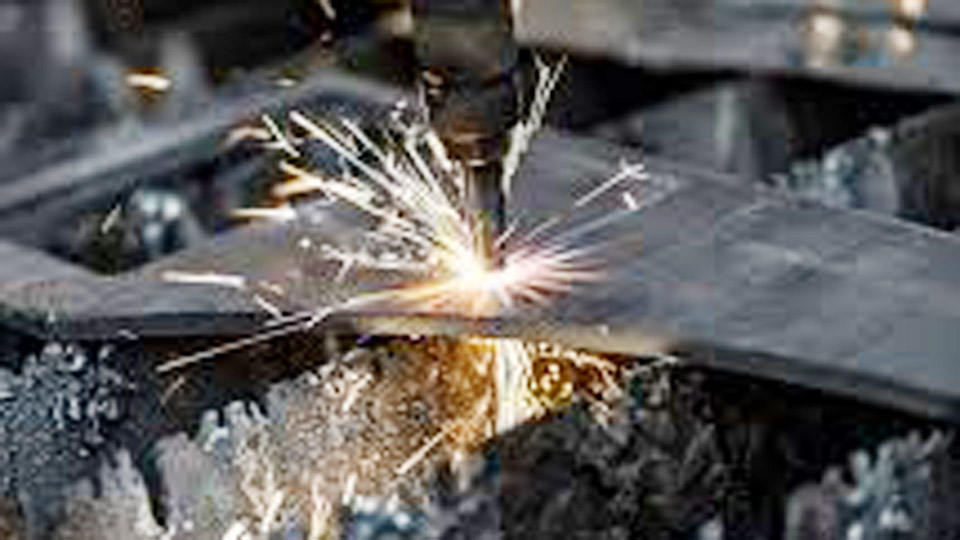
Photo by tooliom
What Exactly Is Plasma Cutting and Why Should You Care?
Plasma cutting harnesses an ionized gas—plasma—to melt and blow away metal, creating a clean severance without the mechanical force of saws or the wide heat-affected zones of oxy-fuel torches. At its core, it’s an electrical arc supercharged by compressed air or inert gases, reaching temperatures up to 30,000°F. That’s hotter than the surface of the sun, folks, and it slices through conductive materials like butter.
In my shop days, I first grabbed a plasma cutter for a rush job on aluminum brackets. Traditional methods would’ve warped the thin stock, but plasma kept it flat and ready for TIG welding. You use it when precision matters—think automotive frames, HVAC ductwork, or artistic metalwork.
Because it cuts down setup time, handles thicknesses from gauge sheet to 1-inch plate, and works on rusty or painted surfaces that would foul up other tools.
Practically speaking, if you’re a DIYer fabricating a trailer hitch or a pro in a shipyard, plasma reduces physical strain. No more wrestling heavy stock into a bandsaw. But skip it for non-conductive materials like wood or plastic; it’s strictly for metals.
A common mistake I see? Newbies ignoring material type—trying to cut copper alloys without adjusting for conductivity, which chews up consumables fast.
The Science Behind the Plasma Arc: Breaking It Down Step by Step
Let’s get into how this beast actually operates. It starts with the power source, usually a constant current inverter unit, feeding electricity to the torch. Compressed air (or nitrogen for better edge quality) flows through the nozzle, where a high-frequency spark ionizes it into plasma.
Step one: Pilot arc ignition. You pull the trigger, and a low-amp arc forms between the electrode and nozzle inside the torch. This isn’t cutting yet—it’s just prepping the plasma stream.
Step two: Transfer to the workpiece. Touch the torch to the metal or use drag mode, and the arc jumps to the material, amping up to full power. The plasma jet melts the metal while the gas pressure ejects the molten slag.
Step three: Motion and control. You guide the torch along your line, maintaining a standoff distance—usually 1/8 inch for hand torches. Too close, and you risk nozzle damage; too far, and the cut weakens.
From experience, I’ve botched cuts by rushing this. On a 1/2-inch mild steel plate for a machinery base, inconsistent speed led to dross buildup, forcing me to grind for hours. Tip: Practice on scrap with steady, fluid motion—like drawing a straight line with a marker.
Choosing the Right Plasma Cutter for Your Shop Needs
Not all plasma cutters are created equal. Entry-level units like the Hypertherm Powermax 30 handle up to 3/8-inch cuts at 30 amps, perfect for hobbyists in a garage setup. Step up to a 60-amp machine, and you’re severing 1-inch steel with ease, ideal for professional fab shops.
When do you pull one out? For quick prototypes or repairs where time is money. I once swapped my oxy-acetylene for plasma on a fleet of truck frames—cut time dropped by 70%, and no tip cleanups needed.
Pros: portability (many run on 110V), minimal preheat, and versatility across metals. Cons: higher initial cost than torches, and consumables like electrodes and nozzles wear out every 100-200 pierces.
Shop tip: Buy from US brands like Miller or Lincoln for reliable parts availability. Avoid cheap imports; they’ll fail mid-job, as I learned on a rainy deadline.
Setting Up Your Plasma Cutter: Amperage, Gas, and Torch Basics
Setup is where the magic—or mishaps—happens. Start with amperage: Match it to material thickness. For 1/4-inch steel, 40-50 amps suffices; crank to 80 for 3/4-inch. Too low, and you get ragged edges; too high, excessive kerf width wastes material.
Gas choice matters. Air plasma is standard for cost-effectiveness, but argon-hydrogen mixes shine on stainless for oxide-free cuts. In my experience, switching to nitrogen on aluminum prevented dross and improved weld prep.
Torch assembly: Install the electrode, swirl ring, nozzle, and shield cap. Check for wear—cracked nozzles cause arc instability.
Practical advice: Always ground the workpiece securely; poor clamping leads to erratic cuts and safety hazards like arc flashbacks.
I remember training a new guy who skipped the air filter install. Moisture in the line pitted the electrode, halting a whole shift. Lesson: Invest in a dryer and regulator—keeps your system humming.
Material Compatibility: What Metals Cut Best and How to Prep Them
Plasma excels on conductive metals: carbon steel, stainless, aluminum, brass, and copper. For steel up to 1 inch, it’s unbeatable; aluminum cuts cleaner than with saws, avoiding burrs.
Prep is key. Clean off heavy rust or scale with a grinder—plasma handles light oxidation, but thick buildup scatters the arc. Joint prep for cutting? Mark lines with soapstone or a scribe; use guides for straight cuts.
Why use it here? On galvanized steel, it minimizes zinc fumes compared to torches, but always ventilate.
Common error: Cutting painted metal without masking—paint vapors clog filters. Shop fix: Strip paint first or use fine-cut consumables for minimal spatter.
In fabrication, I’ve cut intricate shapes for gates using templates. Tip: For thin sheets, lower amps to 25-30 to prevent warping, and clamp to a sacrificial table.
Step-by-Step Guide to Making Your First Plasma Cut
Ready to fire it up? Here’s a hands-on walkthrough from my shop routine.
- Safety first: Don PPE—leather gloves, shade 8-12 helmet, flame-resistant jacket. Plasma UV is intense; skip this, and you’ll regret the burns.
- Power on the unit, set amps based on charts (e.g., 45 amps for 1/2-inch mild steel). Connect air at 60-70 PSI.
- Assemble torch: Ensure consumables are tight but not over-torqued—I’ve stripped threads that way.
- Ground clamp to clean metal, away from the cut path to avoid arc diversion.
- Position torch at 90 degrees, 1/8-inch standoff. Trigger for pilot arc, then contact or drag.
- Move steadily: 10-20 inches per minute for thick stock. Watch the sparks—trailing means good speed.
- Release trigger at end, let post-flow air cool the torch.
Post-cut: Inspect for dross. If sticky, increase speed or amps. Real tip: Pierce holes by starting at an angle to blow slag away from you.
Common Mistakes and How to Fix Them on the Fly
Even pros slip up. Overheating the torch from continuous duty? Duty cycles matter— a 40% rating means 4 minutes on, 6 off at max amps. I once pushed a unit too hard on a long fence repair; it shut down mid-cut.
Ragged edges? Check nozzle wear or low air pressure. Fix: Swap consumables every 50 arcs.
Arc not starting? Dirty ground or wet air. Clean connections and drain filters daily.
Beginners often cut too slow, building heat distortion. Speed up, and practice on scrap. For pros, ignoring machine maintenance leads to voltage fluctuations—calibrate yearly.
Safety Considerations: Protecting Yourself in the Shop
Plasma cutting kicks out fumes, UV radiation, and high-decibel noise. I’ve seen guys skip respirators on stainless cuts, inhaling chromium hexavalent—nasty stuff linked to lung issues.
Ventilate with exhaust fans or use fume extractors. Ear protection for the compressor hum, and never cut near flammables—sparks fly far.
Electrical safety: Inspect cords for frays; use GFCI outlets in damp shops. Tip: Stand on dry mats to avoid shocks.
In my career, a loose ground caused a flashback that singed my sleeve. Now, I double-check everything before triggering.
Comparing Plasma Cutting to Other Methods: When to Switch Tools
| Method | Best For | Pros | Cons | Typical Amps/Gas | Cost per Cut |
|---|---|---|---|---|---|
| Plasma | Conductive metals, precision | Fast, clean edges, portable | Consumables wear, initial cost | 30-100 amps, air/nitrogen | Medium |
| Oxy-Fuel | Thick steel, no power needed | Cheap fuel, deep cuts | Slow, heat distortion, preheat required | N/A, oxygen/acetylene | Low |
| Laser | Thin sheets, high accuracy | Minimal kerf, automated | Expensive machines, clean room needed | N/A, fiber/CO2 | High |
| Abrasive Saw | Straight cuts, non-metals | Simple, no heat | Dusty, slow, blade wear | N/A | Low |
From the table, plasma wins for versatility in mixed shops. I ditched oxy-fuel for plasma on most jobs—less setup, better on alloys. But for 2-inch plate outdoors, oxy still rules without electricity.
Pros of plasma: No gas cylinders to haul, cuts stacked sheets. Cons: Noise and EMF interference with nearby electronics.
Advanced Techniques: Fine-Tuning for Pro-Level Results
Once basics click, level up. For bevel cuts on pipe preps, angle the torch 45 degrees—great for weld fit-up.
Gouging mode on some units removes welds without grinding. I use it for defect repairs, saving abrasives.
CNC plasma tables automate for production; hand torches for field work. Tip: On thick stainless, use water tables to reduce fumes and dross.
Material-specific: Lower amps on aluminum (20-40) to avoid melt pools. For copper, shield gas prevents oxidation.
Shop anecdote: On a custom bike frame, precise plasma holes allowed perfect tube notching—welds held up to abuse.
Troubleshooting Plasma Cutter Issues in Real Time
Machine won’t power? Check breakers and cords—I’ve traced it to shop voltage drops from other tools.
Weak arc? Low air flow or worn electrode. Measure PSI at the torch end.
Excessive dross? Adjust speed or use anti-spatter spray on nozzles.
Pros monitor consumable life; I log hours to predict swaps, avoiding downtime on jobs.
Integrating Plasma Cutting into Your Welding Workflow
Plasma shines in prep. Cut parts accurately, and your MIG or stick welds align better, reducing distortion.
For repairs, plasma removes damaged sections cleanly. On a trailer rebuild, it let me excise rusted crossmembers without warping the frame.
Tip: Pair with a straight edge or circle cutter for repeatability. In fabrication, it’s the bridge from design to weld.
Why matters: Cleaner cuts mean less filler, lower amps, stronger joints. I’ve cut rework by half integrating it.
Wrapping Up
Mastering plasma cutting transformed how I approach projects—from hasty hacks to precise executions. You’ve got the rundown now: the arc science, setups, fixes, and integrations that keep jobs profitable and safe.
Armed with this, you’ll pick the right machine, dial in settings, and avoid pitfalls that waste time and materials. Always start your day by blowing out the torch lines—prevents clogs and ensures that first cut is as clean as the last.
FAQs
What Thickness Can a Plasma Cutter Handle?
Depends on the unit. A 30-amp hobby model tops at 3/8-inch steel; 100-amp pros sever 1.5 inches. Factor in 20% derate for alloys. Tip: Test on scrap to find your sweet spot without forcing it.
How Do I Choose Between Air and Gas Plasma?
Air for budget cuts on steel—cheap and simple. Switch to nitrogen or argon for stainless/aluminum to avoid oxidation and get smoother edges. In my shop, air handles 80% of jobs; specialty gases for client specs.
Why Is My Plasma Cut Leaving Dross?
Usually slow speed or wrong amps. Increase travel rate, check air pressure (60-80 PSI), or replace worn nozzles. For bottom dross, tilt the torch slightly forward.
Is Plasma Cutting Safe for Beginners?
Yes, with precautions. Start low amps, use auto-darkening helmets, and practice standoff. Common risk: Flying slag—wear full PPE. I’ve trained dozens; focus on basics, and it’s safer than torches.
How Often Should I Replace Plasma Consumables?
Every 100-300 arcs, depending on use. Inspect daily for pitting or cracks. Pro hack: Buy in bulk from US suppliers like ESAB for consistency and keep spares handy to avoid mid-job halts.