
Coating the inside of an air compressor tank is something that usually comes up after spotting rust flakes in the drain or moisture blowing through the air line. I’ve run into this more than once, especially on older tanks that see a lot of humidity or don’t get drained as often as they should.
The big question is whether an internal coating actually works—or if it’s safer to leave the tank bare and focus on maintenance. From a fabrication and welding standpoint, this matters because internal corrosion weakens the tank, affects air quality, and can turn into a serious safety hazard if ignored.
There’s also confusion around what coatings are compatible with compressed air, pressure cycles, and metal surfaces that are hard to prep properly. I’ll break down when coating the inside of an air compressor tank makes sense, what products are used, and what welders and shop owners need to know before attempting it.
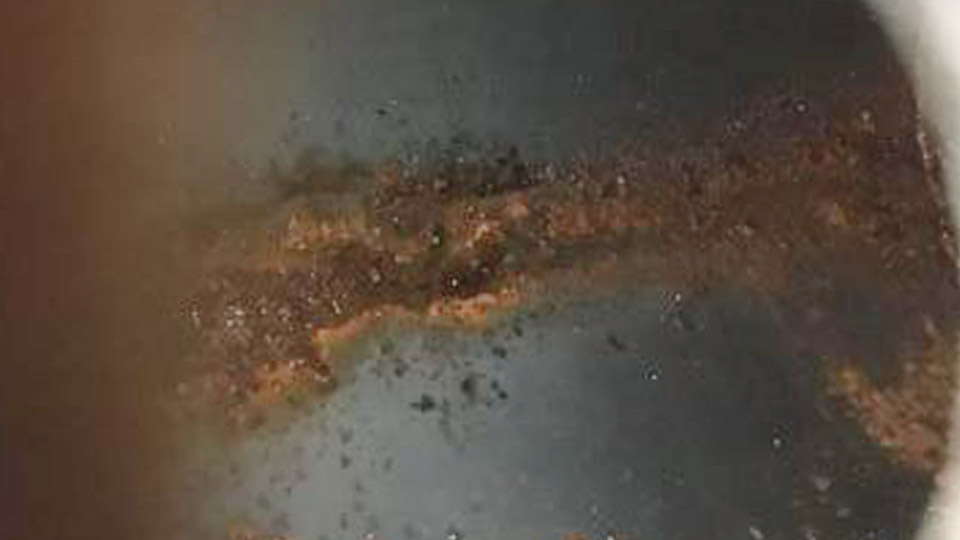
Photo by reddit
Why Your Air Compressor Tank Needs Internal Protection
In any welding shop, your air compressor is the unsung hero powering everything from grinders to spray guns. But inside that tank, it’s a different story. Air compression pulls in ambient moisture, and as the air cools, water droplets form on the walls.
Over time, this leads to oxidation—rust—that eats away at the metal. I’ve seen tanks in humid environments like coastal fab shops fail in under five years without any intervention.
Coating the inside works by sealing the steel surface with a durable layer, typically epoxy-based or similar to fuel tank sealers. This barrier prevents oxygen and water from reacting with the metal, stopping rust in its tracks. When to use it? If your tank drains show rusty water, or if you’re in a high-humidity area—think Florida garages or Midwest summers—it’s essential.
Beyond longevity, it maintains air purity. Rusty flakes can travel downstream, gumming up regulators or causing inconsistent pressure that leads to poor weld penetration. In my shop, after coating a 60-gallon tank, I noticed fewer clogs in my air tools, meaning less time cleaning filters and more time welding.
Pros of internal coating include extended tank life (up to double in some cases), better air quality for precise work like TIG welding on aluminum, and reduced maintenance. Cons? It’s a bit of a project—requires draining, cleaning, and curing time—and if the coating fails due to poor prep, it could flake off and block lines.
Common mistake: Skipping rust removal, which traps corrosion underneath and accelerates pitting. Shop tip: Always inspect your tank annually by draining fully and using a borescope if possible. If you spot heavy scaling, coating becomes a priority before it compromises structural integrity.
Common Causes of Rust in Compressor Tanks and How Coating Helps
Rust doesn’t just happen; it’s fueled by everyday shop conditions. High humidity from weather or even steam from nearby welding processes accelerates it. Poor drainage habits—forgetting to bleed the tank after use—lets water pool at the bottom, creating a perfect rust breeding ground. Materials matter too; most US-made tanks are carbon steel, which is tough but prone to corrosion without protection.
Coating addresses this head-on by forming a non-porous shield. It doesn’t just cover rust; when applied correctly, it bonds chemically, halting further degradation.
In practice, I’ve used coatings on tanks exposed to salty air from road de-icing in winter shops, and it made a huge difference. Why it works: The coating’s flexibility handles tank expansion under pressure without cracking, unlike brittle paints.
When should you coat? Ideally on a new tank as preventive maintenance, but it’s salvageable on older ones if rust isn’t too advanced.
Real-world insight: A buddy of mine in a auto body shop ignored early rust signs, and his tank developed pinhole leaks during a busy season—cost him a full replacement and lost jobs.
Lesson learned: Coat proactively if your compressor runs daily. Tip: Pair coating with an automatic drain valve to minimize water buildup post-application.
Choosing the Right Coating for Your Air Compressor Tank
Not all coatings are created equal, especially for the demands of a welding environment. You want something rated for high pressure, moisture resistance, and compatibility with compressed air systems. Popular options include epoxy sealers like KBS Tank Sealer or POR-15, which are designed for similar applications in fuel tanks but work great here.
Epoxy coatings cure to a hard, flexible finish that withstands up to 200 PSI—perfect for standard shop compressors. They’re resistant to chemicals, so if your air lines carry oil mist for tools, it won’t degrade.
Alternatives like polyurethane offer better UV resistance but aren’t ideal internally since tanks aren’t exposed to light. Avoid regular paints; they chip and flake under pressure cycles.
Factors to consider: Tank size (smaller tanks are easier to coat evenly), operating temperature (hot shops need heat-resistant formulas), and budget. A good kit runs $50-100 for a 30-60 gallon tank.
Shop anecdote: I once tried a cheap hardware store epoxy on a spare tank— it didn’t adhere well and peeled after a few months, clogging my sandblaster. Stick to proven brands.
Pro tip: Check for NSF certification if your compressor supplies air for food-grade welding jobs, though that’s rare.
Here’s a quick comparison table to help you decide:
| Coating Type | Pros | Cons | Best For | Approximate Cost |
|---|---|---|---|---|
| Epoxy (e.g., KBS) | Excellent adhesion, rust-stopping, flexible | Requires thorough prep, longer cure time | Humid shops, daily use | $60-80 per kit |
| Polyurethane | Good chemical resistance, smooth finish | Prone to bubbling if not applied perfectly | Occasional use, dry climates | $50-70 per kit |
| Rubberized | Easy application, vibration dampening | Less durable under high pressure | Small DIY tanks | $40-60 per kit |
Always match the coating to your tank’s material—steel is standard, but aluminum tanks rarely need it since they don’t rust.
Preparing Your Tank for Coating: Step-by-Step Shop Prep
Prep is where most folks mess up, leading to failed coatings. Start by shutting down your compressor, releasing all pressure, and disconnecting power. Drain the tank completely—tilt it if needed to get every drop out. Safety first: Wear gloves and eye protection; rusty water can splash.
Step 1: Remove fittings. Unscrew the drain valve, pressure switch, and any ports. Use penetrating oil on stuck threads—I’ve broken more than one fitting rushing this.
Step 2: Clean the interior. Flush with a degreaser like simple green to remove oil residues from air tool lubrication. For rust, use a rust remover like phosphoric acid-based solution. Pour it in, slosh around, let sit 30 minutes, then rinse thoroughly. If rust is heavy, chain or wire inside with a flexible shaft tool—careful not to scratch too deep.
Step 3: Dry completely. Use compressed air (from another source) or a fan to blow out moisture. Leave open for 24 hours in a warm shop. Any residual water will ruin adhesion.
Common mistake: Rushing drying. I once coated a tank that seemed dry but had hidden pockets—coating bubbled and failed within weeks. Tip: In cold shops, use a heat gun gently to speed drying without warping metal.
Applying the Coating: Hands-On Techniques That Work
Application is straightforward but requires patience. Most kits involve pouring the mixed coating in and rotating the tank to cover all surfaces.
Step 1: Mix the coating per instructions—usually a two-part epoxy. Work in a well-ventilated area; fumes are strong.
Step 2: Pour in the recommended amount (check kit for tank volume). Seal ports with plugs or tape.
Step 3: Rotate the tank slowly—roll it on its side, stand it upright, invert if possible. Aim for even coverage; 10-15 minutes of sloshing does it for a 60-gallon tank.
Step 4: Drain excess. Remove a plug at the bottom and let it flow out into a container for disposal. Rotate again to avoid pooling.
Step 5: Cure. Leave ports open and let it air dry for the specified time—often 24-48 hours. Don’t rush; incomplete curing leads to soft spots.
For larger tanks, use a spray method if the coating allows. Attach a wand to a spray gun and mist inside through ports. I’ve done this on vertical tanks—saves back strain but requires more skill for even coats.
Pro tip: If your tank has baffles, ensure coating reaches everywhere by using a mirror or endoscope to check.
After coating, reinstall fittings with thread sealant. Test at low pressure first—build to 50 PSI and check for leaks before full use.
Troubleshooting Common Coating Issues in the Shop
Even with good prep, problems arise. If the coating doesn’t adhere, it’s usually trapped rust or oil. Fix by stripping with acetone and reapplying.
Flaking post-application? Often from over-thick layers or movement during curing. Scrape out flakes, sand lightly, and patch with more coating.
Bubbles mean moisture was present—drain and recoat affected areas. In my experience, 80% of issues trace back to incomplete cleaning.
Safety note: Never coat a damaged tank. If you spot cracks (common in welding shops from vibrations), weld repairs first. Use SMAW with 7018 rods at 100-150 amps for 1/8″ steel—grind flush and coat over.
Maintaining Your Coated Tank for Long-Term Performance
Coating isn’t set-it-and-forget-it. Drain daily to prevent water buildup that tests the barrier. Install an inline filter to catch any potential flakes, though rare with good application.
Monitor pressure gauges for anomalies—sudden drops could indicate internal issues. Annually, inspect through ports with a light.
In humid welding environments, add a desiccant dryer upstream. I’ve extended coated tank life to 15+ years this way, versus 5-7 uncoated.
Tip: If your compressor vibrates excessively (common with belt-driven US models like Ingersoll Rand), mount on rubber pads to reduce stress on the coating.
When Not to Coat: Alternatives for Rust Prevention
Sometimes coating isn’t ideal—like on tiny portable tanks where access is tough. Instead, focus on prevention: Automatic drains, rust inhibitors in air lines, or switching to aluminum tanks.
If rust is advanced, replacement might be safer. Cost-benefit: A new 30-gallon tank is $200; coating kit $60 plus labor.
In pro shops, consider aftercoolers to reduce moisture entry. I’ve retrofitted these on older setups, cutting rust risk by half without coating.
Real Shop Stories: Lessons from Coating Gone Wrong (and Right)
Back in my early days, I coated a tank without full rust removal—seemed fine at first, but six months later, pitting worsened under the seal, leading to a leak during a frame weld job. Had to shut down for repairs.
Contrast that with a recent 80-gallon Quincy: Thorough prep, KBS coating, and it’s been flawless for three years, handling daily plasma cuts without a hitch.
A trainee once forgot to mix the epoxy fully—resulted in sticky spots that attracted dirt. We stripped and redid it, turning it into a teaching moment on attention to detail.
These stories underline: Experience trumps shortcuts. In welding, like coating, precision pays off.
Integrating Coating into Your Welding Workflow
For fabricators, a reliable compressor means uninterrupted work. Post-coating, your air is cleaner, reducing weld defects like inclusions from contaminants.
If you’re welding tank repairs, coat immediately after to protect new metal. Use low-hydrogen rods to avoid cracks, preheating to 200°F if steel is thick.
Hobbyists: Coat before big projects like building a trailer—ensures steady air for grinding and painting.
Wrapping Up
Taking time to coat equips you with a tougher, more reliable system. You’re not just preventing rust; you’re investing in smoother operations and fewer headaches. Always pressure-test your coated tank gradually after curing—start low and listen for hisses. It’ll save you from surprises down the line.
FAQ
What’s the best coating for a rusty air compressor tank in a humid shop?
Go with an epoxy like POR-15 or KBS—clean rust first with acid etch, apply by sloshing, and cure fully. It bonds tight and holds up to moisture better than alternatives.
Can I coat the inside without removing the compressor head?
Yes, if ports allow access. Pour through the drain, rotate, but for even coverage, partial disassembly helps. Avoid if tank is welded shut.
How long does a coated tank last compared to uncoated?
Expect 10-15 years versus 5-8 uncoated, depending on drainage habits. I’ve seen coated tanks outlast the compressor motor in busy shops.
What if the coating starts flaking after a few months?
Drain, inspect, and remove loose bits with a scraper. Reapply after cleaning—usually from poor prep. Add filters to catch debris.
Is it safe to weld on a coated tank if repairs are needed later?
Strip the coating around the weld area first, repair with matching filler, then recoat the patch. Use proper ventilation to avoid burning the old coating.