
After spending years burning rods topside and talking shop with commercial divers, one question keeps coming up whenever underwater welding is mentioned: what’s the real deep sea underwater welder salary? I’ve seen plenty of skilled welders assume it’s all easy money, but the truth hits harder once you understand what the job demands.
This isn’t just running beads like MIG vs TIG welding in a clean shop — it’s welding thick steel underwater, often on stainless, with precise joint prep, tight arc control, and zero room for mistakes.
Add in pressure, visibility issues, safety risks, and the need to master specialized filler rods, and suddenly the pay question makes a lot more sense. Knowing how salary ties to skill level, depth, and experience matters if you’re considering this path. Stick with me — the details ahead separate hype from hard-earned reality.
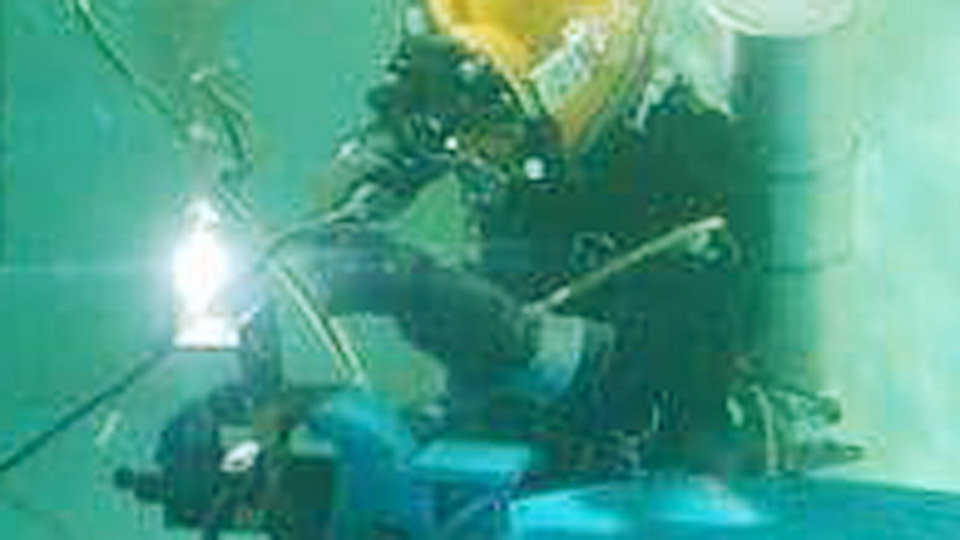
Image by weldingpros
What Is Deep Sea Underwater Welding Anyway?
Deep sea underwater welding isn’t your backyard MIG setup on a rusty truck frame. It’s welding in an environment that fights you every step—water, pressure, and zero visibility half the time.
Basically, you’re a commercial diver with welding chops, repairing structures like oil platforms, pipelines, or ship hulls without hauling them topside.
There are two main types: wet welding and dry welding. Wet welding happens right in the water, using a special electrode that’s waterproofed to handle the conductivity.
I remember my first wet weld on a shallow pier repair—stick welding (SMAW) with a 7018 rod modified for underwater use. The arc bubbles like crazy, and you have to angle it just right to avoid porosity from the hydrogen.
Dry welding, or hyperbaric, seals you in a chamber pumped dry at depth. That’s for deeper jobs, like 500 feet down, where precision matters for high-strength joints on subsea manifolds.
Why does this matter? Because the process affects your setup. For wet work, you’re dealing with higher amperage to combat the cooling effect of water—say, 200-300 amps on a DC welder with positive polarity to minimize explosion risks from gas pockets.
Prep the joint clean, bevel it steep, and always ground close to the work to avoid stray currents zapping you. I’ve burned through gloves forgetting that. Use it when time’s short and depths aren’t insane; it’s cheaper but riskier for cracks due to rapid quenching.
In my shop days before diving, I’d practice on wet plates to simulate it—submerge a test piece and weld blind. Teaches you feel over sight. If you’re starting out, grab a basic diving cert first, then layer on welding quals. It’s not for hobbyists; this is pro-level where a bad weld means leaks, failures, and big bucks in repairs.
The High Risks That Justify Those Big Paychecks
No sugarcoating it—this job’s dangerous, and that’s why the pay can climb. I’ve lost count of the close calls: currents pulling you off station, equipment failures, or that one time a hose kink left me low on air at 200 feet. The risks aren’t hype; they’re real, from electrocution if your insulation fails to explosions from trapped gases in the weld puddle.
Decompression sickness, or the bends, is a killer—nitrogen bubbles in your blood if you surface too fast. I’ve seen guys hit with it after long saturation dives, where you’re living in a pressure chamber for weeks. Then there’s drowning, hypothermia in cold currents, and long-term stuff like lung damage from breathing mixes or joint issues from pressure.
Studies peg the mortality rate at around 15%, way higher than topside welding. Life expectancy? I’ve heard it’s as low as 35-40 years for full-timers, compared to 78 for average folks, thanks to the cumulative toll. Fumes are bad enough on land; underwater, they’re trapped in your helmet.
Why risk it? For the integrity of critical infrastructure. A failed weld on a deep-sea pipeline could spill oil, shut down production, or worse. Safety’s non-negotiable: double-check your rig, use non-conductive gloves, and always have a tender topside monitoring.
Common mistake? Rushing prep—skip cleaning marine growth, and your weld’s weak. Fix it by abrasive blasting the joint dry if possible, or use a high-pressure water jet. In hyperbaric setups, control the habitat gas to avoid fire risks. I’ve turned down jobs where the safety plan felt off; better broke than broken.
These hazards drive the pay up—companies know they need skilled hands willing to dive into hell. If you’re thinking about it, weigh the adrenaline against the hospital bills. It’s not just a job; it’s a lifestyle that tests every ounce of your grit.
Breaking Down the Numbers: What You Can Really Earn
Alright, let’s talk dollars, because that’s why most folks google this. From what I’ve pieced together from my network and recent gigs, deep sea underwater welder salaries in 2025 average around $50,000 to $93,000 annually for U.S. workers.
But that’s the broad stroke—rookies might pull $40,000 to $60,000 starting out, while seasoned pros in offshore hotspots hit $80,000 to $150,000 or more. I’ve known guys clearing $200,000 in peak seasons with overtime and hazard pay.
Hourly? Expect $22 to $46, depending on the spot. Offshore oil rigs pay the best, often $60,000+ base with bonuses for deep dives. Inland work, like bridge repairs, might cap at $50,000-$70,000. It’s not steady; projects come in bursts, so you might bank big for months then hunt for the next.
Here’s a quick breakdown in a table for clarity:
| Experience Level | Salary Range (Annual) | Typical Locations | Notes |
|---|---|---|---|
| Entry-Level (0-3 years) | $40,000 – $60,000 | Inland rivers, shallow harbors | Basic certs, less hazard pay |
| Mid-Level (4-9 years) | $60,000 – $150,000 | Offshore platforms, pipelines | Includes overtime, travel perks |
| Experienced (10+ years) | $150,000 – $300,000+ | Deep sea rigs, international | Saturation diving bonuses, high risk |
These figures factor in benefits like health insurance (crucial with the risks) and per diems for remote sites. Cost efficiency? High pay offsets gear costs— a good dive suit runs $5,000, welding setup another $2,000. But remember, taxes hit hard on that overtime. I’ve stashed away during fat years to cover lean ones; don’t blow it all on toys.
If you’re in Texas like me sometimes, averages dip to $43,000 statewide but climb to $96,000 in Houston hubs. Payscale pegs the national average at $100,131 this year. It’s variable, but smart planning turns it into real wealth.
Factors That Crank Up or Dial Down Your Pay
Your paycheck isn’t random—it’s tied to what you bring to the dive bell. Experience tops the list: start with basic commercial diving and topside welding, and you’re entry-level. Rack up deep dives, get AWS certified for underwater, and companies bid for you. I’ve seen pay jumps 50% after specializing in hyperbaric.
Location matters huge. Gulf of Mexico or North Sea? Expect premiums for harsh conditions—$100+ per hour on saturation jobs. Inland? Safer but lower, maybe $25-40 hourly. International gigs in places like the Middle East can double U.S. rates but add travel hassles.
Certifications are your golden ticket: ADCI for diving, AWS D3.6 for welding standards. Add NDT inspection skills, and you’re versatile—companies pay extra for one-stop fixes. Hours play in too; overtime at 1.5x racks up fast on 12-hour shifts.
Common pitfall? Underestimating union vs. non-union. Unions like the Pile Drivers offer better rates and safety nets, but gigs might be scarcer. Fix it by networking at dive schools or trade shows. Material compatibility factors indirectly—knowing how to weld dissimilar metals underwater (like stainless to carbon) makes you indispensable for repair jobs.
When ideal setups aren’t there, improvise: I’ve used battery-powered grinders for prep when power’s spotty. Bottom line, build skills that solve real problems, and the money follows.
How to Get Your Foot in the Water: Training and Entry
Jumping in blind? Bad idea. Start with commercial diving school—places like Ocean Corp or Divers Institute run 6-9 month programs costing $20,000-$30,000. They cover air/mixed gas diving, plus welding modules.
First, get physically fit: pass a dive medical, swim tests, and pressure tolerance. Then learn basics—rigging, cutting, and wet welding practice. I started with topside certs (TIG and stick) before diving; helps with joint design underwater where visibility sucks.
Step-by-step to entry:
- Earn a high school diploma or GED—basics for most programs.
- Get welding experience: Practice on land with wet simulations. Use 6010 rods for root passes in water; they’re forgiving on contamination.
- Enroll in dive school: Focus on hyperbaric welding if deep sea’s your goal.
- Certify: ADCI card, then underwater welding endorsements.
- Apprentice: Start shallow, build hours. I’ve mentored newbies on pier jobs—teach them to check electrode coatings for water resistance.
Costs add up: gear, travel, lost wages during training. But ROI’s quick if you hustle. Alternatives? Military diving paths, like Navy, offer free training but commit time. Safety first—skip shortcuts; a botched cert means no jobs.
Once in, network with contractors at ports. My first gig came from a bar chat with a rig supervisor. It’s tough entry, but rewarding if you love the challenge.
My Personal Take: Lessons Learned from Years Underwater
Back in my early days, I chased the hype—heard stories of $200k years and signed up for a Gulf platform repair. First dive: 150 feet, fixing a cracked riser. Visibility zero, current shoving me around, but the weld held, and that check cleared big. Taught me patience; rush a bead, and hydrogen cracks ruin it. Fix? Slow travel speed, multi-pass for strength.
Another lesson: gear maintenance. Once, a faulty regulator nearly ended me—bubbles everywhere, panic sets in. Now, I inspect everything pre-dive: hoses, helmets, even the welding cable insulation. Common mistake among new guys? Ignoring fatigue. Long shifts lead to sloppy joints; take breaks, hydrate.
I’ve worked saturation—living pressurized for 28 days, welding non-stop. Pay’s insane, but isolation messes with you. Pro tip: Journal dives; tracks what works, like using lower voltage in salt water to cut spatter.
From shop to sea, it’s evolved my skills—better at exotic alloys now, like Inconel for corrosion resistance. If you’re hobby welding, try underwater sims in a pool; builds respect for the pros. This job’s changed me; tougher, but wiser about risks vs. rewards.
Pros and Cons of Diving for Dollars
Every job’s got trade-offs, and this one’s no exception. Here’s the straight talk:
Pros:
- High earnings potential: Clear six figures with experience, beating most shop gigs.
- Adventure: Travel to rigs worldwide, variety keeps it fresh.
- Skill prestige: You’re elite—combining diving and welding opens doors.
- Benefits: Good outfits offer insurance, retirement, even dive allowances.
Cons:
- Extreme danger: High injury/death risk, short career span.
- Inconsistent work: Feast or famine; downtime hurts the wallet.
- Physical toll: Back issues, hearing loss from pressure.
- Family strain: Weeks away, missed holidays.
Weigh them personally. For me, pros won out for a decade, but now I mix with topside consulting. If safety’s your jam, stick to land; otherwise, dive in prepared.
Conclusion
You now know the risks that pump those numbers, the skills that earn them, and how to chase them without getting burned. Armed with this, you’re better equipped to decide if the paycheck’s worth the pressure, or if a steadier shop life suits you.
Always prioritize your exit strategy—save aggressively, cross-train in inspection, so you can surface with your health and finances intact. Welding’s a craft; underwater, it’s survival. Stay safe out there.
FAQs
How Dangerous Is Underwater Welding Really?
It’s one of the riskiest trades, with dangers like electrocution, decompression sickness, and explosions. I’ve dodged a few, but stats show a 15% mortality rate and life expectancy around 35-40 years. Mitigate with top gear and training—never skip pre-dive checks.
What’s the Best Way to Train for Underwater Welding?
Hit a reputable school for commercial diving and welding certs. Practice wet welds on land first, focus on SMAW techniques. Budget $20k-30k and 6-9 months; it’s hands-on, so get fit and start shallow to build confidence.
Do Underwater Welders Work Year-Round?
Not usually—it’s project-based, with peaks in summer or after storms. I’ve had months off, so budget for it. Offshore offers more consistency, but expect rotations. Diversify skills to fill gaps with topside jobs.
What’s the Difference Between Wet and Dry Underwater Welding?
Wet’s direct in water—faster, cheaper, but prone to defects from quenching. Dry uses a sealed chamber—precise for deep work, less risk. Use wet for quick fixes; dry for critical strength. I’ve done both; dry pays more for the setup hassle.
How Can I Maximize My Salary as an Underwater Welder?
Stack experience, certs, and offshore gigs. Specialize in hyperbaric or NDT. Network for high-hazard jobs—they add bonuses. I’ve boosted mine by 30% learning exotic materials; always upsell your versatility to contractors.