
Choosing between different types of welding rods can be confusing, especially when you’re staring at a rack full of electrodes that all look similar but behave very differently once you strike an arc. I’ve burned rods that ran smooth and clean, and others that stuck, splattered, or just didn’t fit the job at all.
Things like metal thickness, joint prep, and whether you’re welding with stick, MIG, or TIG all play a role in which rod or filler material works best. A lot of welders struggle with questions like when to use 6011 versus 7018, or how rod coating affects penetration and arc control.
Getting this right matters for weld strength, appearance, and avoiding costly rework. In this guide, I’ll break down the different welding rods, what they’re best used for, and how to choose the right one for your specific project with confidence.
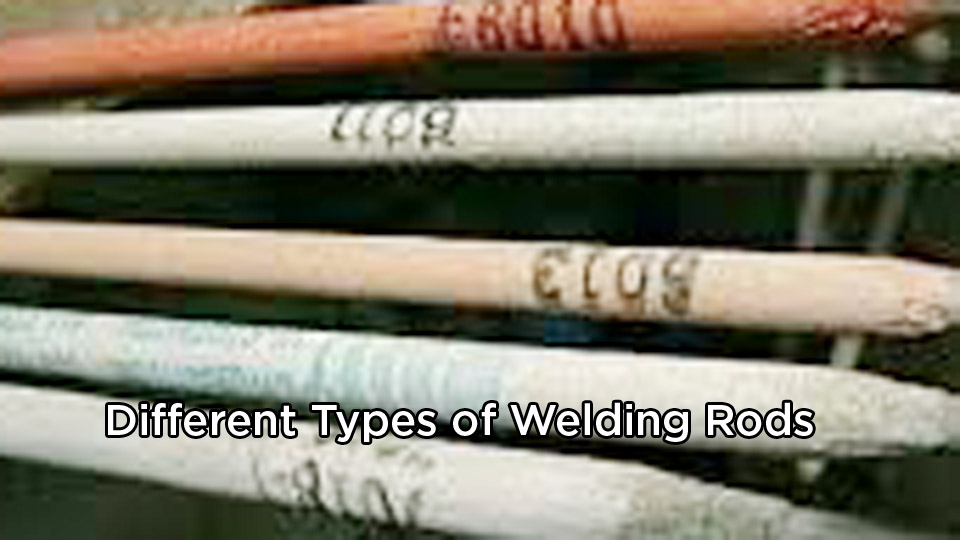
Image by indiamart
Basics of Welding Rods: What They Are and Why They Matter
A welding rod, or electrode if we’re getting technical, is basically a metal filler coated in flux that you use to join pieces together in processes like stick welding. It’s the core wire that melts into the weld pool, and the coating burns off to create shielding gas, slag, and sometimes alloying elements. I’ve pulled all-nighters fixing equipment where the rod choice made the difference between a quick patch and a full rebuild.
How does it work? When you strike an arc, the rod’s core melts, depositing metal while the flux coating vaporizes to protect the molten pool from air contaminants like oxygen and nitrogen.
That slag layer on top? It’s your friend—it slows cooling and prevents cracks, but you’ve got to chip it off clean for inspection. In my shop, I always stress testing your setup on scrap first; nothing worse than a rod that digs in too deep on thin sheet metal.
Why bother with all this? Because the wrong rod can lead to hydrogen cracking in high-strength steels, especially if moisture sneaks in. I’ve learned that the hard way on pipeline repairs—pick a low-hydrogen rod for those, or you’re asking for trouble. It matters for everything from DIY fence fixes to pro fabrication, keeping your work safe and sound.
Breaking Down the Main Types of Welding Rods
I’ve used just about every type out there, from basic carbon steel sticks to exotic alloys for stainless. The key is knowing your base metal, the position you’re welding in, and the environment it’ll face. I’ll break it down by common categories, with the whys and hows based on real jobs.
Carbon Steel Welding Rods: The Workhorses of the Shop
These are your go-to for mild steel projects, like building frames or repairing machinery. Think of them as the reliable pickup truck in your fleet—versatile and tough. The core is usually a mild steel wire, coated to suit different needs.
How they work: The coating determines penetration and bead appearance. For instance, a cellulose-based one gives deep penetration for root passes, while rutile types lay down smoother beads for fill and cap.
When to use them: On clean, rust-free mild steel in a garage setup. I’ve welded countless truck beds with these; they’re forgiving for beginners but strong enough for heavy use. Why? They match the base metal’s properties, ensuring good tensile strength without brittleness.
Common mistake: Ignoring rust. Always grind it off, or you’ll get porosity that weakens the joint. Pro tip: Preheat thicker sections to 200°F to avoid cracking—I’ve skipped that once and paid with a redo.
Low-Hydrogen Welding Rods: Essential for High-Strength Jobs
If you’re dealing with high-carbon or alloy steels, low-hydrogen rods are non-negotiable. These have coatings that minimize moisture pickup, reducing the risk of underbead cracking.
What they are: Often classified with a “low-hydrogen” designation, like those with basic coatings that produce less hydrogen in the arc.
How it works: The flux is baked to stay dry, creating a clean weld pool with minimal diffusible hydrogen. In practice, you store them in a rod oven at 250°F to keep ’em pristine—I’ve got one humming in my shop 24/7.
When and why: For structural work, like beams in construction or pressure vessels. On a job site in the Midwest, I used them on crane repairs; anything else would’ve cracked in the cold. Safety-wise, hydrogen embrittlement is real—I’ve seen welds fail catastrophically without them.
Tips: Use short arc lengths and stringer beads to control heat input. If your machine’s an old Lincoln tombstone, dial amperage down 10% from spec to avoid burn-through. Mistake to avoid: Leaving rods out overnight; rebake ’em if they get damp.
Stainless Steel Welding Rods: For Corrosion-Resistant Work
Stainless rods are your shield against rust and heat, perfect for food-grade equipment or marine repairs. The core matches stainless alloys, with flux to stabilize the arc.
How they function: They deposit chromium and nickel for that corrosion resistance, while the coating prevents oxidation. I’ve welded exhaust systems where the bead had to hold up to salt and moisture without pitting.
When to choose them: On austenitic stainless like 304 or 316. Why? Mismatched rods lead to galvanic corrosion, eating away at your work. In my experience, they’re pricier but save on long-term maintenance.
Practical insight: Cleanliness is king—use dedicated brushes to avoid carbon contamination. Settings: Run at 80-120 amps on a DC machine for flat positions. Common error: Overheating causes carbide precipitation; keep interpass temps under 300°F.
Aluminum Welding Rods: Tricky but Rewarding for Lightweight Projects
Aluminum rods? Yeah, they’re out there for stick welding, though TIG’s more common. These have aluminum cores with flux to break through oxide layers.
What sets them apart: The flux is aggressive to handle aluminum’s high conductivity and oxide film.
How to use: Strike a soft arc and move fast to avoid puddling. I’ve patched boat hulls with these in a pinch when my TIG setup was down.
When they’re right: For non-critical aluminum repairs, like frames or tanks. Why? They provide good fusion without expensive gas setups. But watch for porosity—preheat to 200°F and use a backstep technique.
Lesson learned: Don’t mix with steel tools; contamination ruins everything. If you’re short on gear, a basic AC machine works, but DC reverse polarity is better for penetration.
Cast Iron Welding Rods: Saving Old Machinery One Weld at a Time
For repairing cracked engine blocks or antique parts, cast iron rods are lifesavers. Nickel-based cores with special flux for machinability.
How they work: They deposit a soft, ductile weld that absorbs stress without cracking the brittle cast.
When to deploy: On gray or nodular cast iron. I’ve revived farm implements countless times; why replace when you can weld?
Tips: Preheat the whole piece to 500°F slowly, peen the bead while hot to relieve stress. Machine settings: Low amps, 60-90, with short welds to control heat. Mistake: Skipping post-weld slow cooling—wrap in insulation or it’ll crack.
Decoding Welding Rod Classifications: Making Sense of the Numbers
Those codes on the box aren’t just gibberish—they tell you everything from tensile strength to position suitability. I’ve memorized ’em from years of trial and error.
Understanding the EXXXX System for Stick Rods
The “E” stands for electrode, first two or three digits are tensile strength in ksi (like 60 for 60,000 psi), third is positions (1 for all, 2 for flat/horizontal), fourth is coating type and current.
How to apply: For a vertical up weld on pipe, grab a 1 in the third spot for good slag flow. In my shop, I stock E6010 for root passes—deep dig, DC positive.
Why it matters: Mismatch the strength, and your weld’s the weak link. Real example: On trailer hitches, use at least 70ksi to match the frame.
Common Classifications and Their Best Uses
Let’s compare a few in a table for quick reference—I’ve pulled this from shop notes over the years.
| Classification | Tensile Strength | Best For | Pros | Cons |
|---|---|---|---|---|
| E6010 | 60 ksi | Root passes, pipe | Deep penetration, all positions | Rough bead, high spatter |
| E6013 | 60 ksi | Sheet metal, general | Smooth arc, easy slag removal | Shallow penetration |
| E7018 | 70 ksi | Structural, low-hydrogen | Strong, crack-resistant | Needs dry storage, slower |
| E308 | Varies (stainless) | Food equipment | Corrosion-resistant | Expensive, sensitive to contamination |
| ENi-Cl | Varies (nickel) | Cast iron repair | Machinable, ductile | Requires preheating, costly |
From experience, E6013 is my starter rod for hobbyists—forgiving on dirty metal. But for pros, E7018’s the boss for reliability.
Choosing the Right Rod for Your Welding Process
Rods aren’t just for stick; think fillers for MIG and TIG too. I’ve switched processes mid-job based on what’s available.
Stick Welding Rods: The Classic Choice
SMAW rods are self-shielded, great for outdoors. Use ’em when wind blows away gas. I’ve welded fences in gusty fields—no issues.
How: Select based on base metal and position. Prep: Bevel joints 60 degrees for full penetration.
When: Portable jobs without power for fancy machines. Safety: Wear leather—spatter flies.
MIG Welding Wires: Solid and Flux-Cored Options
Though called wire, it’s rod-like. Solid for clean indoor work, flux-cored for dirty or outdoor.
Works by: Continuous feed through gun, with gas or self-shielding. I’ve run miles of it on auto frames.
Why: Faster than stick, less cleanup. Settings: 18-22 volts, 250-350 ipm wire speed on 1/8″ steel.
Mistake: Wrong gas mix causes porosity—use 75/25 argon/CO2 for carbon steel.
TIG Filler Rods: Precision for Thin Materials
Hand-fed rods for TIG, clean and controlled. Aluminum, stainless pros.
How: Dip into pool without touching tungsten. I’ve detailed motorcycle parts with ’em.
When: Aerospace or art pieces needing beauty. Tip: Cut rods to 3-foot lengths for handling.
Practical Tips for Handling and Storing Welding Rods
Storage ain’t glamorous, but it’s saved me headaches. Keep ’em dry in sealed cans or ovens—moisture’s the enemy.
Common issue: Bent rods from rough handling; straighten or toss ’em for consistent arc.
In the field: Use portable ovens if you’re mobile. I’ve improvised with heated toolboxes in a bind.
Prep work: Always inspect for damage. For joints, clean to bare metal—wire brush or grinder.
Alternatives: If low-hydrogen’s out, use E6011 as a backup, but watch for cracks.
Joint Design and Preparation: Setting Up for Success
Good welds start before the arc. Design joints for rod type—butt for flat, lap for strength.
Step-by-step: 1. Clean surfaces. 2. Bevel edges if thick. 3. Tack weld. 4. Run beads.
I’ve botched jobs skipping bevels—weak fusion. Tip: For overhead, use smaller rods to fight gravity.
Machine tweaks: On inverters, polarity matters—DCEN for some aluminum.
Safety First: Avoiding Common Hazards with Rod Choice
Wrong rod amps up risks—fumes from certain coatings, UV burns from unstable arcs.
Always: Ventilate for hex chrome in stainless. PPE: Helmet, gloves, respirator.
From experience: Test rods on scrap to dial in—no surprises mid-weld.
Troubleshooting Weld Defects Related to Rod Selection
Porosity? Often wrong rod for dirty metal—switch to cellulose type.
Cracks: Hydrogen—go low-hy. Undercut: Too hot; lower amps.
I’ve fixed miles of bad welds; key is root cause analysis in the shop.
Conclusion
You’ve now got the inside scoop on the different types of welding rods—from carbon steel staples to specialty stainless and beyond. You’re better equipped to pick the right one for your base metal, process, and conditions, meaning stronger welds, fewer failures, and safer days in the shop.
Whether you’re a DIYer fixing a mower or a pro on a deadline, this knowledge cuts down rework and boosts confidence. Always keep a mixed pack of E6010, E7018, and E6013 on hand—it’s your emergency kit for 90% of jobs, and test ’em quarterly to ensure they’re dry and ready.
FAQs
What’s the Best Welding Rod for Beginners?
For starters, grab E6013—it’s rutile-coated for a stable arc and easy slag chip-off, perfect for practicing on mild steel scraps without frustration. I’ve handed these to apprentices first; they forgive shaky hands and give clean beads at 70-100 amps.
How Do I Know If My Welding Rod Is Too Damp?
If the arc sputters erratically or you see excessive smoke and porosity in the weld, it’s likely moisture. Rebake low-hydrogen rods at 300°F for an hour—I’ve salvaged batches this way instead of tossing ’em.
Can I Use the Same Rod for Different Metals?
Rarely—mismatches cause weak or corrosive welds. Stick to compatible fillers, like nickel for cast to steel transitions. In a pinch on job sites, I’ve used E7018 on low-alloy, but test first.
What’s the Difference Between AC and DC Welding Rods?
AC rods like E6011 handle alternating current for deeper penetration on magnetized pipe, while DC ones like E7018 give smoother control. I’ve switched based on machine availability—DC positive for most stick work.
How Long Do Welding Rods Last in Storage?
Properly sealed, years—but low-hydrogen types need ovens after opening, or they absorb moisture in weeks. From experience, check for rust; if coated, they’re shot. Rotate your stock like I do every six months.