
Yes—plasma cutters use either compressed air or specialized gases, depending on the type of cutter and the material being cut. In most portable or entry-level plasma cutters, compressed air is the go-to choice because it’s cheap, easy to source, and works well on mild steel.
More advanced or industrial plasma cutters can use gases like oxygen, nitrogen, or argon blends to improve cut quality, reduce dross, and handle metals like stainless steel or aluminum. The choice of gas affects cut speed, edge smoothness, and heat input, similar to how shielding gas influences MIG welding.
This matters in the real world because the wrong gas—or inconsistent airflow—can cause rough edges, wasted consumables, or poor cut penetration. I’ll break down which gas to use for different metals and plasma cutter types so your cuts come out clean, fast, and predictable.
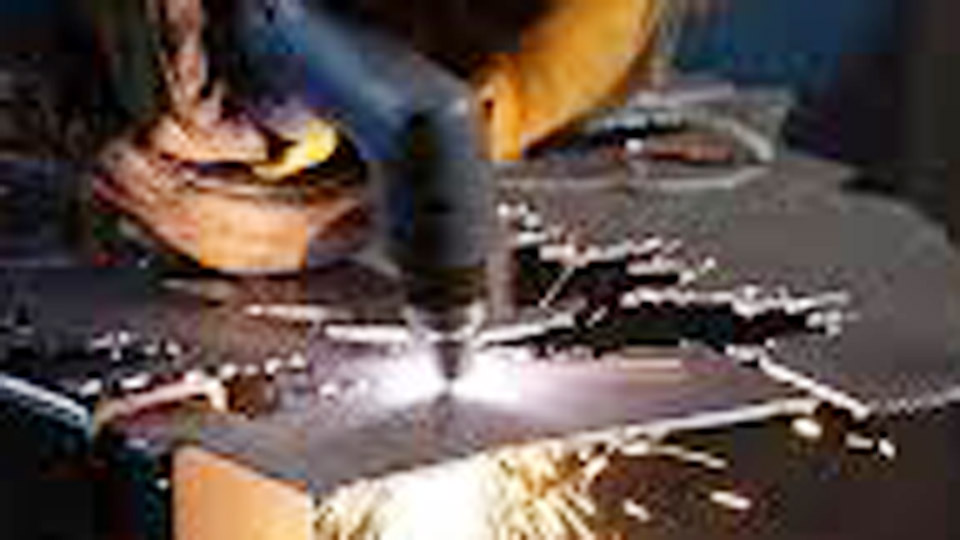
Photo by yeswelder
What Exactly Is Plasma Cutting and Why Does the Gas Matter?
Plasma cutting slices through metal using a superheated, electrically ionized gas—plasma—that conducts electricity and melts material away. It’s faster than oxy-fuel for thin sheets and doesn’t warp the workpiece as much, which is why it’s a staple in auto shops, fabrication yards, and even home garages across the US.
The process starts with an electrical arc between the electrode in your torch and the workpiece. That arc ionizes the gas flowing through the nozzle, turning it into plasma hotter than 20,000°F. The high-velocity stream blows molten metal out of the kerf, leaving a clean cut.
But here’s where it gets practical: the type of gas (or air) you use dictates the arc stability, cut speed, and edge finish. Use the wrong one, and you’ll get oxidation on stainless, poor penetration on aluminum, or nozzles that burn out too fast.
I remember my first plasma setup—a basic air unit from Hypertherm. It was perfect for quick jobs on carbon steel, but when I tried it on some marine-grade aluminum, the cuts looked like they’d been chewed by a beaver.
Switching to nitrogen fixed that, but it cost more in tanks. That’s why understanding this upfront saves you from trial-and-error headaches.
You’ll want to use plasma when you need speed and precision on conductive metals up to about 1-1/2 inches thick, depending on your machine’s amps. It’s ideal for curved cuts or piercing holes without pre-drilling, unlike saws or torches.
In the shop, I pull it out for everything from chassis mods to HVAC ductwork. Tip: Always check your material thickness against the cutter’s rated capacity—pushing beyond it with the wrong gas leads to sluggish cuts and overheating.
How Does Compressed Air Fit Into Plasma Cutting?
Compressed air is the workhorse for most plasma cutters, especially the affordable air plasma systems popular in US shops like those from Miller or Lincoln Electric. It’s basically shop air dried and filtered to remove moisture and oil, pumped through your compressor at 60-90 PSI.
Here’s how it works: Air gets forced into the torch, where it’s ionized by the arc. The oxygen in the air helps oxidize and eject the molten metal, making it efficient for ferrous materials. No fancy tanks needed—just hook up your compressor, and you’re cutting.
I use air 80% of the time because it’s cheap and readily available. On a typical day fabricating truck frames, it gives me smooth cuts on 1/4-inch steel at 40-60 amps without breaking the bank. But when? Opt for air on mild steel or when cost is king. It’s great for hobbyists or small shops without gas storage space.
Shop tip: Keep your air dry with an inline filter/dryer. Wet air causes erratic arcs and shortens electrode life—I learned that the hard way after a humid summer ruined a batch of consumables. Aim for 4-6 CFM at 90 PSI for consistent performance; anything less, and your cuts stall mid-way.
When Should You Switch to Specialty Gases Instead?
Not all jobs are air-friendly. Specialty gases like nitrogen, oxygen, or argon-hydrogen mixes step in for better results on non-ferrous metals or thicker stock. These are inert or reactive gases stored in cylinders, metered through regulators into dual-gas plasma systems.
Take nitrogen: It’s inert, so it doesn’t oxidize the cut edge like air does. The arc compresses it into plasma, delivering a narrower kerf and smoother finish. Oxygen, on the other hand, boosts cutting speed on carbon steel by reacting with the metal, but it can roughen stainless.
Why use them? For premium cuts where appearance matters, like architectural metalwork or food-grade stainless. In my experience, air leaves black oxide on aluminum, forcing extra cleanup, but nitrogen gives a bright, ready-to-weld edge. Use gases on materials over 1/2-inch or when air causes too much dross.
Practical advice: Start with a dual-gas cutter if your work varies—models like the Hypertherm Powermax series handle both. Regulator settings? 70-100 PSI for most gases. And don’t mix gases without checking compatibility; I once tried argon on steel and got porous cuts that needed grinding out.
Comparing Air and Gas: Which Wins for Your Setup?
Let’s get real—choosing air or gas boils down to your projects, budget, and shop setup. I’ve run both in high-volume environments, and neither is universally better; it’s about matching to the job.
Air is straightforward for beginners: No cylinders to refill, lower upfront costs (a decent 50-amp air unit runs $800-1,500), and it’s versatile for steel up to 3/4-inch. Drawbacks? More dross on non-ferrous metals and shorter consumable life due to oxidation.
Gases shine in quality: Nitrogen for aluminum (cleaner edges, less heat-affected zone), oxygen for faster steel cuts (up to 20% quicker than air). But they add expense—$50-100 per tank refill—and require storage safety. In a pro shop, gases pay off on repeat jobs; for DIY, stick with air unless you’re chasing perfection.
Here’s a quick comparison table to pin on your shop wall:
| Aspect | Compressed Air | Specialty Gases (e.g., Nitrogen/Oxygen) |
|---|---|---|
| Cost | Low (uses existing compressor) | Higher (tanks and refills) |
| Best For | Mild steel, general fab | Aluminum, stainless, thick stock |
| Cut Quality | Good, but more cleanup needed | Excellent, minimal dross |
| Speed | Moderate | Faster on specific materials |
| Consumable Life | Shorter due to oxidation | Longer with inert gases |
| Setup Complexity | Simple hook-up | Regulators and cylinders required |
From lessons learned: A buddy of mine cheaped out on air for stainless railings and spent days sanding oxide. Switch to nitrogen next time, and you’ll thank me.
Setting Up Your Plasma Cutter: Step-by-Step for Air Systems
Getting started with an air plasma cutter? I’ll walk you through it like I do with trainees. This assumes a standard US machine like the Eastwood Versa Cut or similar.
First, inspect your compressor: Needs at least 5 HP for consistent flow. Connect a 1/4-inch hose with quick couplers, and install a moisture trap right at the cutter inlet.
Step two: Ground your workpiece securely—clamp directly to clean metal, not paint. Poor ground causes weak arcs and safety risks.
Three: Select consumables. For air, use copper electrodes and swirl rings rated for your amps. Install them snug but not overtight—overtorquing cracks nozzles.
Four: Set parameters. For 1/8-inch steel, dial 25-35 amps at 80 PSI. Thicker? Bump to 50 amps. Always start low to avoid blowback.
Five: Strike the arc. Hold the torch at 1/8-inch standoff, trigger, and move steadily at 10-20 inches per minute. Watch for drag lines—if present, slow down or up amps.
Six: Post-cut. Let the torch cool with post-flow air, then inspect. Rough edges? Check air pressure or replace electrode if pitted.
I’ve botched setups by skipping the ground check—arc wandered, cut wandered. Fix it early, and your jobs fly.
Amperage Ranges: Dialing In Power for Clean Cuts
Amperage is your plasma’s horsepower—too low, and cuts drag; too high, and you melt the nozzle. Most handheld cutters range 20-100 amps, with portables at 30-60 for DIY.
For air on mild steel: 1/16-inch needs 20-30 amps; 1/4-inch, 40-60; 1/2-inch, 80+. Aluminum with nitrogen: Drop 10-20% amps since it conducts heat better.
How it works: Higher amps widen the kerf and speed up, but increase heat input, risking distortion on thin sheets. I always test on scrap—start at manufacturer specs (check your manual, like Lincoln’s charts), then tweak based on dross.
Shop tip: On variable materials, use a machine with auto-voltage control. It adjusts amps on the fly.
Common mistake? Cranking amps for speed, only to warp panels. Solution: Use lower amps with slower travel for precision work like art pieces.
Electrode and Consumable Basics in Plasma Torches
The electrode is the heart of your torch—a tungsten or hafnium tip that initiates the arc. In air systems, it’s hafnium for longevity, embedded in copper.
Diameters vary: Standard 0.040-inch for low amps, up to 0.060 for high-power. How it works: Arc erodes it over time, so inspect after 50-100 pierces.
Use smaller for fine detail, larger for heavy cutting. Why? Thinner electrodes focus the arc for narrow kerfs.
Tips: Change when the pit deepens 1/16-inch—ignoring it causes swirl gas leaks and poor cuts. In my shop, we log consumable hours; saves guessing. Mistake pros make: Reusing worn ones to save bucks, leading to inconsistent arcs. Fix: Stock spares and swap proactively.
Safety First: Hazards and How to Handle Them
Plasma cutting throws UV rays, fumes, and hot spatter—treat it like welding on steroids. Always gear up: Shade 8-12 helmet, leather gloves, and flame-resistant jacket.
Gases add risks: Compressed air can burst hoses if overpressured; inert gases displace oxygen in confined spaces. How to stay safe? Ventilate well—fumes from galvanized steel are toxic.
When using oxygen, watch for fire hazards; it accelerates combustion. Shop anecdote: I once had a spark ignite oily rags near a cutter—now I keep a fire extinguisher mounted nearby.
Tips: Ground everything to prevent shocks. Use PPE rated for plasma (ANSI Z87+ glasses). And never cut painted or coated metals without stripping—releases nasty vapors.
Common Mistakes That Ruin Your Plasma Cuts and How to Fix Them
Even seasoned guys slip up. Top one: Dirty air. Moisture spits arcs; fix with a refrigerated dryer.
Another: Wrong standoff distance. Too close drags the torch, wearing nozzles; too far weakens the cut. Aim for 1/8-1/4 inch, use drag shields for contact cutting.
Overheating: Running duty cycle max without breaks melts internals. Solution: Follow 60% at rated amps—cut 6 minutes, cool 4.
Bad joints? Poor prep like rust or mill scale blocks conductivity. Clean with a grinder first.
I fixed a trainee’s wavy cuts by adjusting travel speed—too fast skips material. Practice on scrap to dial it in.
Joint Prep and Material Compatibility for Better Results
Prep is half the battle. For butt joints, bevel edges 30 degrees on thick stock for full penetration if welding later.
Materials: Air loves carbon steel; avoid on copper—it splatters. Aluminum? Gas preferred to prevent oxide buildup.
Compatibility: Match gas to metal—oxygen for steel speeds cuts but pits aluminum. Tip: For mixed jobs, invest in quick-swap torches.
In repairs, like fixing farm equipment, grind bevels and use air for quick patches. Mistake: Skipping prep on oily parts—arcs pop. Wipe with degreaser always.
Step-by-Step Guide for Gas Plasma Cutting
Switching to gas? Here’s the drill for a nitrogen setup on stainless.
One: Secure your cylinder upright, chain it to prevent tipping.
Two: Attach regulator—set to 80 PSI for most torches.
Three: Purge lines to clear air; run gas 30 seconds.
Four: Install gas-specific consumables—check for swirl rings designed for inert flow.
Five: Set amps lower than air—30-50 for 1/4-inch stainless.
Six: Cut with steady motion; nitrogen gives laser-like edges.
Seven: Shutdown: Close valves, bleed pressure.
I use this for custom exhausts—air leaves haze, gas shines. Pro tip: Monitor tank levels; running dry mid-cut arcs erratically.
Pros and Cons of Upgrading Your Plasma System
Upgrading to dual-gas? Pros: Versatility for any metal, pro finishes, longer life on pricey materials.
Cons: Higher costs, more maintenance, learning curve on settings.
For hobbyists, air suffices; pros, gas unlocks efficiency. I upgraded after landing aerospace gigs—paid for itself in reduced rework.
Wrapping Up
From rusty truck beds to precision prototypes, the gas versus air debate always circles back to your specific needs. You’ve now got the tools to assess your shop’s demands, tweak settings for killer results, and avoid the pitfalls that waste time and materials.
This knowledge puts you ahead, whether you’re a weekend warrior or running a crew—better cuts mean stronger builds and fewer do-overs. Always preheat thick plates slightly before piercing; it reduces blow holes and extends your electrode life dramatically.
FAQ’s
Can you use regular shop air for plasma cutting?
Absolutely, as long as it’s clean and dry. Hook up a compressor delivering 4-6 CFM at 70-90 PSI, add a filter to trap oil and water. I’ve run it this way for years on basic steel jobs without issues—just check for consistent pressure to avoid arc stutter.
What happens if you use the wrong gas on aluminum?
You’ll get oxidized, rough edges that require grinding, and possibly warped material from excess heat. Switch to nitrogen for clean, bright cuts. I learned this fixing boat parts—air made them look amateur; gas turned them pro.
How do I know when to replace plasma consumables?
Look for a pitted electrode deeper than 1/16-inch or a worn nozzle orifice. Erratic arcs or increased dross are signs too. Change them every 50-100 hours; ignoring it leads to poor cuts and machine damage.
Is plasma cutting safer with air or gas?
Air is simpler with fewer storage hazards, but gases like oxygen increase fire risk. Either way, prioritize ventilation and PPE. In confined spaces, air avoids asphyxiation worries from inerts.
What’s the best amperage for cutting 1/2-inch steel?
Aim for 60-80 amps with air or oxygen for clean severance. Start at the low end, test on scrap, and adjust speed to minimize dross. Too low, and it drags; too high, and you risk distortion.