
Working in an unheated shop or out in the cold has taught me real fast that temperature can make or break a repair, especially when epoxy is involved. That’s why the question does JB Weld work in cold weather comes up so often among welders and DIYers trying to fix cracked brackets, thin metal panels, or non-structural parts without striking an arc.
Cold temps affect cure time, adhesion, and final strength—just like moisture or poor surface prep can ruin a weld. When you’re weighing JB Weld versus actual welding methods like MIG vs TIG, understanding how temperature impacts performance matters for safety, durability, and cost-efficiency.
A rushed cold-weather repair can fail just as badly as a poorly controlled weld bead. I’ll break down what really happens to JB Weld in cold weather, what temps are acceptable, and how to get reliable results when the thermometer drops.
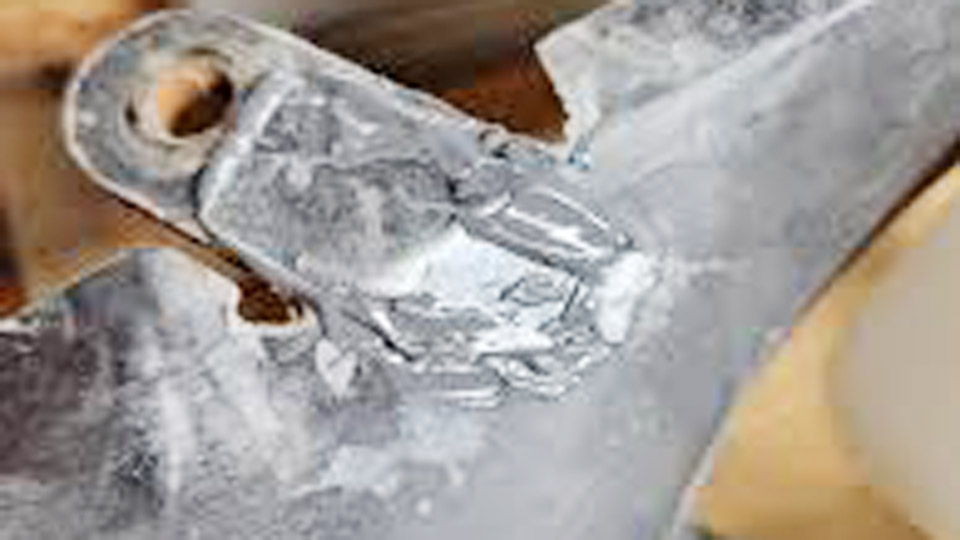
Image by r/Justrolledintotheshop
What Is JB Weld and Why Do Welders Keep It in Their Toolbox?
If you’re new to the game or just dipping into DIY repairs, JB Weld isn’t actual welding—it’s a two-part epoxy adhesive designed to bond metals, plastics, and more without torches or arcs. I first grabbed a pack back in the ’90s for patching a radiator on a buddy’s truck when we were stuck in a remote job site.
It’s made from resin and hardener that you mix together, creating a chemical reaction that hardens into a tough, durable fill.
How does it work? You squeeze equal parts from the tubes, knead them until uniform (usually a dark gray color), and apply to clean, roughened surfaces. The epoxy fills gaps, bonds at a molecular level, and cures over time.
Once set, it can handle vibrations, heat up to 550°F, and pressures that rival some welded joints—I’ve seen it hold on engine blocks under daily abuse.
Welders turn to it when traditional processes like SMAW (stick welding) aren’t feasible. Think heat-sensitive areas near electronics, thin materials that warp easily, or quick patches without powering up a machine. In my shop, it’s saved the day for exhaust repairs, bracket fixes, and even sealing holes in cast iron where porosity makes welding tricky.
But remember, it’s not a replacement for structural welds—use it for non-load-bearing or temporary fixes unless you’ve tested the setup.
Practical tip: Always degrease surfaces with acetone or brake cleaner before applying. A rough sand with 80-grit helps the bond bite. And if you’re working on aluminum, etch it lightly with acid for better adhesion—common mistake is skipping this and ending up with a peel-off failure.
How Cold Weather Messes with Traditional Welding—and Why JB Weld Might Be a Better Bet
Before we get deep into JB Weld specifics, let’s talk about why cold weather is a welder’s nightmare. I’ve been on outdoor jobs in January where the wind chill hits -20°F, and let me tell you, metals don’t behave. Steel contracts, leading to distortion and residual stresses that cause cracks post-weld.
Hydrogen from moisture gets trapped, creating embrittlement. For SMAW, your rods can absorb humidity, leading to spatter and poor arc starts—I’ve burned through extra electrodes just trying to strike a stable bead.
Amperage settings shift too; you might need to bump up 10-20 amps on a 1/8-inch 7018 rod to compensate for the chill, aiming for 90-140 amps on mild steel depending on position. But overdo it, and you risk burn-through. Preheating the joint to 100-200°F with a rosebud torch is key, but that’s time-consuming and fuel-heavy.
Joint prep becomes critical—bevel edges more aggressively for better penetration, and use stringer beads to minimize heat input.
In these scenarios, JB Weld shines as an alternative because it doesn’t rely on melting metal. No preheating needed, no distortion risks, and you can apply it wearing gloves without worrying about arc flash. I’ve used it on farm gates in freezing barns where setting up a generator for MIG wasn’t practical. But it’s not magic—if the cold slows curing, your repair might fail under load too soon.
The Science Behind JB Weld Curing in Low Temperatures
So, does cold affect JB Weld? Absolutely, but not in the way it hampers arc welding. The epoxy’s cure is a chemical reaction, exothermic at first, but ambient temp dictates speed. At room temp (around 70°F), original JB Weld sets in 4-6 hours and fully cures in 15-24. Drop below 50°F, and times double or more—I’ve waited 48 hours in a 40°F garage for a manifold patch to harden properly.
From what I’ve experienced and heard from other shop guys, the minimum for reliable curing is around 40°F for most products like the ClearWeld variant; below that, the reaction stalls, leaving a tacky mess.
One winter, I tried fixing a toolbox latch at 25°F without heat—it never fully set, and vibration shook it loose within days. The key is activation: if too cold, molecules move slowly, weakening the bond.
Why use it then? In controlled cold, with tweaks, it outperforms risky welds. For instance, on cast aluminum, where cold cracking is common in TIG setups, JB Weld provides a flexible, corrosion-resistant seal without porosity issues.
Step-by-Step Guide to Applying JB Weld in Cold Weather
Let’s get hands-on. Here’s how I handle JB Weld when the thermometer dips—tested on real jobs like patching snowblower housings or trailer hitches.
Prep your workspace: Work indoors if possible, or use a heated tent. Mix in a warm area (at least 50°F) to keep the epoxy pliable—cold makes it thick like putty.
Surface prep: Clean thoroughly. Use a wire brush or grinder to remove rust, paint, or oil. For metals, roughen to 60-80 grit. If it’s below freezing, warm the parts with a heat gun to 70-80°F for better adhesion.
Mixing: Equal parts resin and hardener. Knead for 1-2 minutes until streak-free. In cold, work fast—it stiffens quicker.
Application: Spread evenly, filling gaps up to 1/4-inch. Clamp if needed. For strength, reinforce with mesh or fiberglass if the repair is large.
Curing: Apply heat post-application—a space heater or heat lamp at 100-120°F speeds it up without damaging the bond. Expect 24-48 hours below 50°F; test hardness with a pick before loading.
Common mistake: Rushing the cure. One trainee I mentored painted over a half-cured patch, trapping softness—had to redo the whole thing. Pro tip: For underwater or fuel repairs, use WaterWeld variant; it sets even in damp cold.
Cure Times and Temperature: A Comparison Table
To make this scannable, here’s a table based on my shop notes and product specs for original JB Weld on steel. Times are approximate—humidity plays a role too.
| Temperature Range | Set Time (Touchable) | Full Cure Time (Load-Bearing) | Tips for Acceleration |
|---|---|---|---|
| Above 70°F | 4-6 hours | 15-24 hours | None needed; ideal conditions. |
| 50-70°F | 6-8 hours | 24-36 hours | Keep area draft-free. |
| 40-50°F | 8-12 hours | 36-48 hours | Use mild heat lamp. |
| Below 40°F | 12+ hours | 48+ hours or indefinite | Apply supplemental heat; monitor closely. |
Adjust for product type—SteelStik putty cures faster but handles less gap-filling.
Pros and Cons of JB Weld in Winter Repairs
Pros:
- No equipment hassle: Skip the welder, rods, and gas in freezing setups.
- Safer in cold: No sparks or hot slag near flammables.
- Versatile: Bonds dissimilar materials like steel to plastic, where welding fails.
- Cost-effective: A $10 tube beats $50 in electrodes and time.
Cons:
- Slower cure: Patience required, or risk weak bonds.
- Not for high-stress: Fine for brackets, but not axles—I’ve seen shear failures under torque.
- Temp limits: Cured JB Weld holds to -67°F, but application needs warmth.
- Surface-dependent: Poor prep leads to delamination faster in cold expansion/contraction cycles.
In my experience, pros outweigh cons for non-critical fixes, like sealing a muffler in a pinch.
When to Skip JB Weld and Stick with Traditional Welding in the Cold
Sometimes, epoxy isn’t enough. For load-bearing joints on trailers or machinery, I default to SMAW or MIG. In cold, preheat to avoid cracks—aim for 150°F on carbon steel. Electrode choice: 7018 for low-hydrogen, run at 100-150 amps for 3/32-inch diameter on flat positions.
Joint prep: V-groove for better fusion. Safety: Wear insulated gloves, watch for frost on regulators causing leaks. One lesson learned: Welded a plow frame at 10°F without preheating—cracked within hours. Rework cost me a day.
Compare to JB Weld: Welding offers deeper penetration but demands skill and setup. Use epoxy for supplements, like filling pinholes post-weld.
Material Compatibility and Shop Tips for Cold-Weather Bonds
JB Weld excels on ferrous metals, aluminum, and composites—I’ve fixed ATV frames and boat hulls with it. For stainless, etch first. Avoid polyethylene plastics; it won’t stick.
Shop anecdote: Fixed a chainsaw housing in 30°F using a hair dryer for cure acceleration—held through a season of logging. Mistake to avoid: Mixing too much; cold shortens pot life to 5 minutes.
For pros: Combine with welding—epoxy seal after tacking for hybrid strength. Students, practice on scrap; feel the mix consistency.
Safety notes: Ventilate—fumes irritate in enclosed cold spaces. Wear nitrile gloves; epoxy skin contact leads to sensitization over time.
Fixing Bad Repairs: What to Do If Your JB Weld Fails in the Cold
Even pros mess up. If it doesn’t cure, scrape off, re-prep, and reapply with heat. Soft spots? Heat gently to kickstart reaction. I’ve salvaged patches by tenting with plastic and a heater overnight.
For welding parallels: Bad cold weld? Grind out, preheat better, adjust amps down 10% for control.
Advanced Applications: JB Weld in Extreme Cold for Fabrication Pros
In industrial settings, like oilfield repairs in Alaska winters, JB Weld patches pipes temporarily. Pair with reinforcements for semi-permanent fixes. I’ve used HighHeat version for exhausts holding to 1000°F post-cure.
Electrode diameters analog: Think of JB Weld “thickness”—thinner mixes for fine cracks, putty for builds.
Wrapping Up
I’ve clocked hundreds of hours tweaking these in real shops, from hobby garages to pro fabs. Cold weather doesn’t have to halt progress; it’s about choosing the right method. Thinking back on that frozen manifold fix I mentioned earlier, opting for JB Weld over a hasty weld prevented a bigger headache.
You’ve now got the insights to assess temps, prep properly, and cure effectively—no more guessing games. This knowledge equips you to tackle winter repairs confidently, saving time and avoiding costly do-overs. Always keep a heat source handy in your kit; it’s the difference between a solid bond and a sticky failure.
Can I Apply JB Weld Below Freezing?
You can try, but it’s risky—the mix thickens, and curing may halt. Warm parts first and apply heat after; otherwise, wait for milder weather or use indoors.
How Do I Speed Up JB Weld Cure in Cold Temps?
Use a heat lamp or enclosure at 100°F for hours. Double-check product; some like KwikWeld set faster. Avoid direct flame—overheating cracks the bond.
Is JB Weld Stronger Than Welding for Cold Repairs?
No, welding penetrates deeper for structural strength. JB Weld is great for seals or fills but test loads. I’ve seen it hold 5000 PSI, but not for critical parts.
What Mistakes Do Beginners Make with JB Weld in Winter?
Skipping surface prep or rushing cure. Clean meticulously and patience is key—cold amplifies errors like uneven mixing.
Does Humidity Affect JB Weld in Cold Weather?
Yes, high humidity slows curing further. Dry your workspace; I’ve used dehumidifiers in damp garages for reliable sets.