
Flux Core Aluminum Welding Rods are one of the most misunderstood consumables I see people ask about in the shop and online. A lot of DIY welders assume they work just like steel flux core wire — load it up, pull the trigger, and weld aluminum without gas.
In reality, aluminum behaves very differently when it comes to heat control, oxidation, puddle visibility, and penetration. Choosing the wrong rod or wire can lead to weak welds, excessive spatter, cracking, or zero fusion, especially on thin aluminum.
Understanding what flux core aluminum rods actually are, when they work (and when they don’t), and how they compare to MIG, TIG, or aluminum brazing rods can save serious time and money.
This guide breaks down the truth behind flux core aluminum options, real-world limitations, and what actually works when you need strong, reliable aluminum welds.
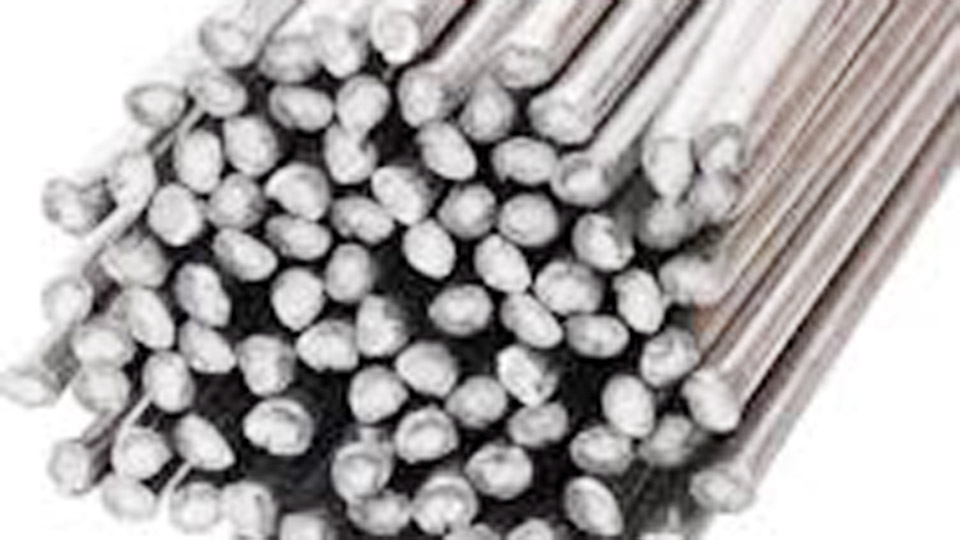
Image by hunanxunzhuo
What Are Flux Core Aluminum Welding Rods?
You’re out in the shop, no argon tank handy, and you’ve got to join two pieces of aluminum without warping them to hell. Flux core aluminum welding rods are essentially hollow aluminum tubes packed with flux—a chemical mix that cleans the surface, prevents oxidation, and helps the metal flow smoothly.
Unlike solid rods that need separate flux dipping, these have it built right in, making them a go-to for quick, gasless fixes.
In my experience, most of these rods are designed for low-temperature applications, around 700-800°F, which is more like brazing than full-on fusion welding. That means they’re melting and bonding without fully liquifying the base metal, ideal for thin sheets or cast aluminum parts.
You’ll find them in diameters like 1/16″ or 1/8″, sold in packs of 10 to 50, often labeled as “easy melt” or “low temp” for aluminum repairs.
Don’t confuse them with steel flux core wires for MIG welders—those are for arc welding and won’t play nice with aluminum. These rods are torch-friendly, working with propane, MAPP gas, or even oxy-acetylene if you’re dialing it down. I’ve used them on everything from radiator tanks to lawnmower decks, and they hold up surprisingly well when prepped right.
How Do Flux Core Aluminum Welding Rods Work?
At the heart of it, these rods rely on the flux to do the heavy lifting. When you heat the rod with your torch, the flux melts first, bubbling up to dissolve that stubborn aluminum oxide layer that’s always trying to sabotage your weld. Then the aluminum core flows into the joint, creating a bond that’s strong but not as penetrating as a TIG weld.
Think of it like soldering on steroids—the low melt point keeps heat input minimal, reducing the chance of burn-through on thin stock. In the shop, I always start by cleaning the area with a stainless steel brush to expose fresh metal, then apply heat evenly to both pieces until the rod starts to puddle. The flux residue? It’s corrosive, so scrub it off post-weld to avoid long-term pitting.
From what I’ve seen on job sites, the key is controlling your heat. Too hot, and you’ll vaporize the flux before it works; too cool, and the rod won’t flow. It’s a feel thing—after a few practice runs on scrap, you’ll get the rhythm.
When to Use Flux Core Aluminum Welding Rods
These rods shine in scenarios where you can’t haul out the big guns. Say you’re a hobbyist fixing an aluminum bike frame in your garage—no need for a $2,000 TIG machine when a simple propane torch and these rods will do. I’ve pulled them out for emergency repairs on trailers, where dragging extension cords for a welder isn’t practical.
They’re perfect for non-structural work like sealing leaks in AC condensers or patching holes in pots and pans. In fabrication shops, we use them for prototyping aluminum enclosures or repairing cast parts that warp easily under high heat. If you’re a student practicing joints, start here—it’s forgiving and teaches you heat control without the intimidation of arc strikes.
But know their limits: For load-bearing stuff like automotive frames or pressure vessels, skip these and go for MIG or TIG. They’re best for alloys like 3003 or 6061, not super-thick plates where penetration matters most.
Pros and Cons of Flux Core Aluminum Welding Rods
Every tool has its trade-offs, and these rods are no exception. Let’s break it down based on what I’ve dealt with in real welds.
| Aspect | Pros | Cons |
|---|---|---|
| Ease of Use | Super simple—no gas, minimal setup. Just torch and go. | Requires steady hand; uneven heat leads to weak spots. |
| Cost | Cheap packs under $20, no shielding gas expense. | Flux residue cleanup adds time and elbow grease. |
| Heat Control | Low temp prevents distortion on thin metal. | Not for thick materials—limited penetration. |
| Portability | Field-friendly; fits in a toolbox. | Joints weaker than fused welds; not for high-stress apps. |
| Versatility | Works on dirty or oxidized surfaces better than solid rods. | Corrosive flux can damage if not removed properly. |
In my shop, the pros outweigh the cons for quick fixes, but I’ve learned to test joints under stress before calling it done.
Step-by-Step Guide to Using Flux Core Aluminum Welding Rods
I’ve botched enough of these to know the right sequence—follow this, and you’ll avoid my early mistakes.
First, gather your gear: Propane torch, flux core aluminum welding rods (1/16″ for thin work), stainless wire brush, safety glasses, gloves, and a fire extinguisher nearby. Work in a ventilated area—fumes from flux aren’t friendly.
Step 1: Prep the surface. Scrub both pieces with the wire brush to remove oxide, dirt, or paint. For greasy spots, wipe with acetone. A clean joint is non-negotiable; skip this, and your bond will fail.
Step 2: Fit the joint. Use clamps for tight alignment—V-groove for butt joints, lap for sheets. Preheat thicker pieces gently to avoid cracks.
Step 3: Light the torch. Set to a neutral flame—blue cone, no soot. Heat the base metal until it’s shiny, about 700°F; test by touching the rod—if it melts without force, you’re good.
Step 4: Apply the rod. Dip it into the puddle, letting flux flow first. Move in circles for even distribution, building up as needed. Don’t overheat; pull back if metal sags.
Step 5: Cool and clean. Let it air cool—no quenching. Wire brush off residue, then wash with hot water and soap to neutralize flux acids.
I’ve used this on a cracked aluminum manifold once—took 10 minutes, held for years. Practice on scrap first; it’s the best teacher.
Common Mistakes with Flux Core Aluminum Welding Rods and How to Fix Them
I’ve seen—and made—plenty of screw-ups with these rods. Top one: Rushing the prep. Dirty surfaces lead to porous welds that look like Swiss cheese. Fix: Always brush until you see bare metal, no exceptions.
Another biggie: Overheating. Aluminum conducts heat fast, so you end up with droopy messes or burn-through. Solution: Use a temp stick or infrared thermometer to stay under 800°F. Heat in short bursts.
Forgetting to clean flux residue? That’s a corrosion bomb waiting to explode. I’ve had repairs pit out after a month in humid shops. Scrub immediately post-weld, and consider a neutralizing rinse.
Uneven feeding happens if your rod angle’s off—aim for 15-20 degrees to the joint. And don’t force it; let heat do the work. If joints crack later, it’s often from poor fit-up—add backing strips for support.
Equipment and Setup Tips for Flux Core Aluminum Welding
You don’t need a full welder here, which is the beauty of it. A basic propane torch kit from the hardware store does the trick—I’ve used Bernzomatic models for years, reliable and cheap.
For better control, upgrade to a MAPP gas setup; hotter flame for quicker heats on thicker stock. No electricity needed, so it’s perfect for remote jobs like farm repairs.
If your shop has an oxy-acetylene rig, dial it to a soft flame—too carburizing, and you’ll contaminate the weld. Always have a heat sink nearby, like wet rags, to protect adjacent areas.
Pro tip from the trenches: Keep rods dry in a sealed container; moisture ruins the flux. And invest in leather gloves—molten aluminum splatters hurt like hell.
Material Compatibility and Joint Design Insights
Not all aluminum plays nice with these rods. Stick to non-heat-treatable alloys like 1100 or 5052 for best results; heat-treatable ones like 7075 can lose strength from the low-heat process.
For joint design, laps and fillets are your friends—more surface area for bonding. On butt joints, bevel edges to 45 degrees for better flow.
I’ve mixed these rods with dissimilar metals occasionally, like aluminum to copper, but test first—flux might not handle it well. Always match rod alloy to base for corrosion resistance.
In fabrication, think about post-weld finishing; these joints sand smooth easily for painted surfaces.
Real-World Applications in Welding and Fabrication
Out on the job, these rods have bailed me out more times than I can count. Fixing a leaky aluminum fuel tank on a generator? Flux core rods sealed it without risking explosion from high heat.
In hobby work, I’ve repaired ATV frames where TIG would’ve warped the thin tubing. Pros use them for quick patches on scaffolding or ladders during construction downtime.
For students, it’s a low-barrier entry to aluminum work—learn on cheap pots before graduating to engines. In industry, think marine repairs: Patching hulls without dry-docking.
One memorable fix: A cracked transmission housing on a vintage car. Torch and rods got it back on the road same day, no shop downtime.
Safety Considerations When Working with Flux Core Aluminum Rods
Safety isn’t optional—I’ve seen burns and fume issues firsthand. Always wear ANSI-rated glasses; flying flux is no joke.
Ventilate well; flux smoke irritates lungs—use a fan or respirator in tight spaces. Leather aprons protect from splatter, and keep a first-aid kit stocked for burns.
Aluminum dust from brushing? Mask up to avoid inhalation. And never weld near flammables—these rods can ignite oils fast.
Post-weld, handle hot pieces with tongs. I’ve learned: Rush safety, and you’ll pay later.
Alternatives to Flux Core Aluminum Welding Rods
Sometimes these rods aren’t the fit. For stronger joints, MIG with argon and a spool gun is king—feeds solid wire smoothly, great for production.
TIG gives pristine beads on thin gauge; AC current cleans oxide as you go. I’ve switched to it for aerospace-grade work.
Stick welding with coated aluminum electrodes works on DC machines, but it’s messier with more spatter.
For no-heat options, mechanical fasteners or adhesives—epoxy holds surprisingly well on prepped surfaces.
In a pinch, traditional brazing with separate flux and rods mimics these, but integrated flux cores save steps.
Advanced Techniques for Better Results with Flux Core Rods
Once basics click, try multi-pass builds for thicker repairs—layer thin beads to avoid cracks.
For vertical joints, work uphill; gravity helps flow. I’ve added silicon bronze rods for hybrid bonds on tricky alloys.
Pulse heating: On-off torch to control puddle size. And always tensile test your practice welds—bend ’em till they break to gauge strength.
In shop experiments, mixing rod sizes—thinner for starts, thicker for fills—speeds things up.
Troubleshooting Weak or Failed Welds
Brittle breaks? Overheated—dial back temp. Porosity? Moisture in flux; store rods properly.
No flow? Base not hot enough—preheat more. Cracks? Stress relief anneal post-weld if possible.
I’ve chased ghosts on contaminated joints—always degrease thoroughly. If all fails, strip and restart; better than a redo later.
Cost Efficiency and Sourcing Tips
These rods are budget heroes—$10-15 per pack lasts for dozens of fixes. Buy in bulk from welding suppliers for deals.
Compare brands: Some fluxes are less smoky, easier cleanup. I’ve stuck with US-made for consistency.
Factor in torch fuel costs—propane’s cheap, but MAPP burns hotter, faster jobs.
For pros, stock ’em in the truck; saves trips for small gigs.
Integrating Flux Core into Your Welding Workflow
Make these rods part of your kit rotation. For hybrid projects, use ’em for tacks, then MIG over for strength.
In training apprentices, start here—builds confidence before arcs. I’ve incorporated ’em into shop protocols for aluminum prototypes.
Track usage: Log successes to refine techniques over time.
Conclusion
Armed with these insights, you’re set to tackle aluminum repairs with confidence, whether it’s a quick garage fix or a field patch that holds under real use. You’ll save time, cash, and frustration by picking the right tool for the job, ensuring your welds are solid and safe. Always underheat first and creep up—it’s easier to add heat than fix a melt-through. Get out there and weld smart.
FAQs
Can flux core aluminum welding rods be used on thick aluminum plates?
Not ideally—their low-temp nature limits penetration to about 1/8″ thick. For heavier stock, preheat thoroughly or switch to MIG for deeper fusion. I’ve pushed ’em on 1/4″ with multi-passes, but test strength first.
What’s the best way to clean flux residue after welding?
Hot water and a stiff brush work wonders—add mild soap to neutralize acids. For stubborn spots, a baking soda paste scrubs without scratching. I’ve skipped this once; corrosion set in quick in humid shops.
Do I need special equipment to use flux core aluminum welding rods?
Nope, just a basic torch like propane or MAPP. No welder required, which is why they’re DIY-friendly. Upgrade to rosebud tips for even heat on larger areas—makes flowing easier.
How do flux core aluminum welding rods compare to TIG for repairs?
They’re quicker and cheaper for non-critical fixes, but TIG wins on strength and appearance. Use rods for portability; TIG for precision. In my experience, rods handle dirty jobs better without gas.
What common aluminum alloys work best with these rods?
Stick to 1000-5000 series like 3003 or 6063—they bond well at low temps. Avoid 7000 series; heat affects temper. Always match rod to base for best corrosion resistance.