
Identifying galvanized metal is essential for construction projects, maintenance work, and metal recycling. Galvanized metal features a protective zinc coating that prevents rust and corrosion, making it valuable for outdoor applications. This guide will teach you reliable methods to determine if metal is galvanized using visual inspection, testing techniques, and professional tools.
You can tell if metal is galvanized by looking for a distinctive crystalline spangle pattern on the surface, which appears as geometric shapes resembling snowflakes. Fresh galvanized metal has a bright silver finish, while aged galvanized metal develops a dull gray patina with possible white rust deposits. The most reliable confirmation methods include the magnet test (galvanized steel attracts magnets) and the acid drop test, where dilute hydrochloric acid will bubble and fizz when applied to zinc coating.
Galvanized Metal Characteristics
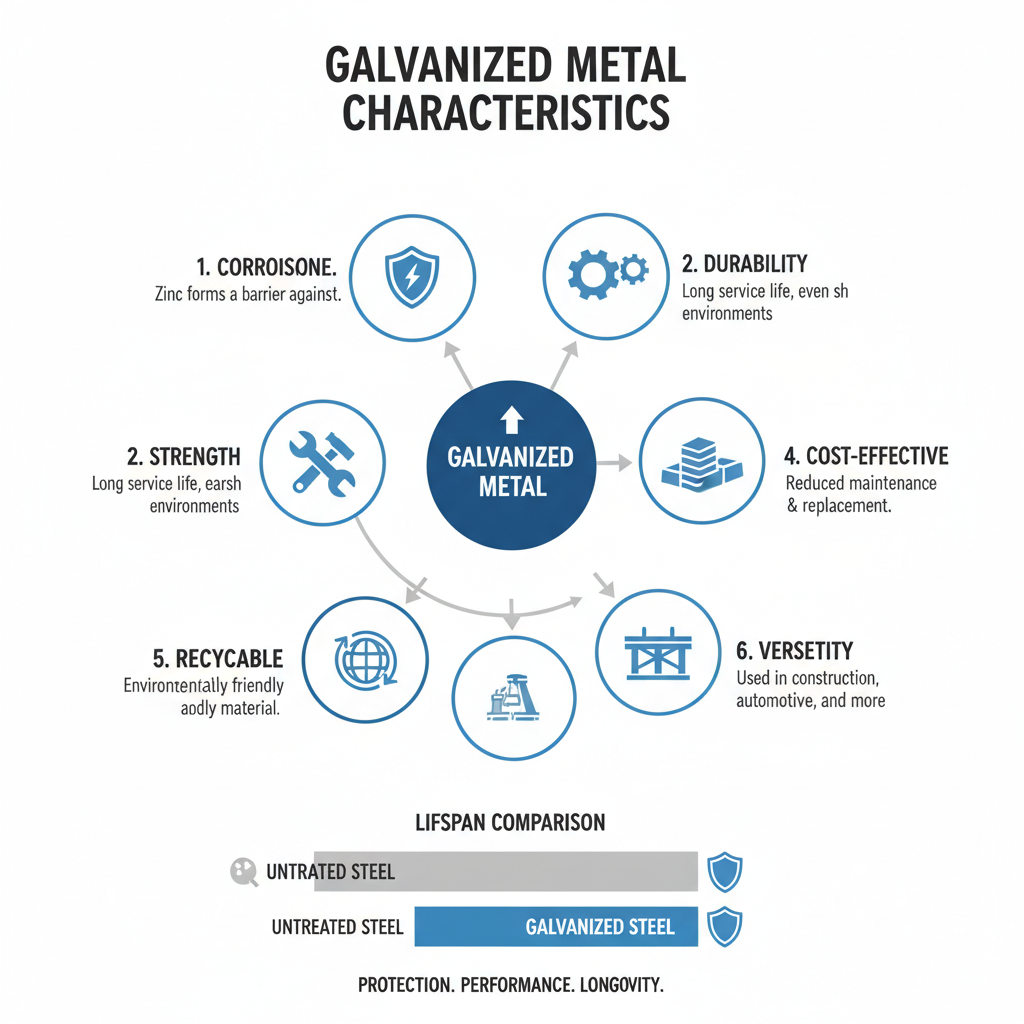
Galvanized metal undergoes a hot-dip galvanizing process where steel or iron is coated with zinc. This protective layer creates distinct visual and physical characteristics that help identify galvanized materials.
The most obvious indicator is the metal’s appearance. Fresh galvanized metal displays a bright, shiny silver finish with a distinctive crystalline pattern called “spangle.” This spangle pattern creates geometric shapes across the surface, resembling snowflakes or flower petals.
Over time, galvanized metal develops a matte gray patina as the zinc coating weathers. This patina formation is normal and indicates the zinc layer is protecting the underlying steel from corrosion.
Weight differences also help identify galvanized metal. The zinc coating adds approximately 10-15% more weight compared to uncoated steel of similar dimensions.
Visual Inspection Methods

Surface Appearance Analysis
Start your identification process with careful visual examination. Look for these key characteristics:
Crystalline Spangle Pattern: New galvanized metal shows distinctive geometric patterns across the surface. These patterns result from zinc crystallization during the galvanizing process.
Color Variations: Fresh galvanized surfaces appear bright silver or slightly bluish-silver. Aged galvanized metal develops a dull gray appearance with possible white zinc oxide deposits.
Surface Texture: Galvanized metal feels slightly rougher than painted or bare steel due to the zinc coating thickness. Run your fingers across the surface to detect this textural difference.
Edge Examination: Check metal edges and cut ends where the zinc coating is most visible. You’ll often see a distinct layered appearance where the zinc coating meets the base metal.
Weathering Patterns
Galvanized metal exhibits specific weathering characteristics that aid identification:
White rust or zinc oxide deposits form in areas with limited air circulation. These white, powdery substances indicate zinc corrosion, confirming galvanized coating presence.
Uniform weathering patterns distinguish galvanized metal from painted surfaces. Paint typically chips or peels unevenly, while galvanized coatings weather more consistently across the entire surface.
Testing Techniques for Galvanized Metal

Magnet Test Method
The magnet test provides quick initial screening for galvanized metal identification. Since galvanized steel contains ferrous base metal beneath the zinc coating, magnets will attract to the surface.
However, the zinc coating may slightly reduce magnetic attraction strength compared to bare steel. Use a strong neodymium magnet for more reliable results, especially on thicker galvanized coatings.
For precise identification, consider using a Neodymium Rare Earth Magnet Set which provides various magnet strengths for testing different coating thicknesses and metal types.
Acid Drop Test
The acid drop test offers definitive galvanized metal identification but requires safety precautions. This method involves applying dilute hydrochloric acid to a small, inconspicuous area.
Safety Requirements: Wear protective gloves, eye protection, and ensure adequate ventilation before conducting acid tests.
Procedure: Apply one small drop of dilute hydrochloric acid to the metal surface. Galvanized metal will produce immediate bubbling and fizzing as the acid reacts with zinc coating.
Results Interpretation: Active bubbling indicates zinc presence, confirming galvanized coating. No reaction suggests the metal lacks galvanized coating.
Copper Sulfate Solution Test
The copper sulfate test provides a safer alternative to acid testing for galvanized metal identification.
Mix copper sulfate crystals with water to create a blue solution. Apply this solution to a clean metal area using a cotton swab or brush.
On galvanized surfaces, the blue copper sulfate solution will not adhere or change color significantly. On bare steel or iron, the solution turns reddish-brown as copper deposits form through galvanic reaction.
Professional Testing Equipment
Coating Thickness Gauges
Professional coating thickness measurement provides accurate galvanized layer identification and thickness determination. These electronic instruments use magnetic or eddy current principles to measure coating thickness without damaging the surface.
Magnetic Pull-Off Gauges: These devices measure the force required to pull a calibrated magnet from the coated surface. Thicker galvanized coatings require more force to separate the magnet.
Electronic Thickness Gauges: Digital instruments provide precise coating thickness measurements in mils or microns. The Elcometer 456 Coating Thickness Gauge offers professional-grade accuracy for identifying and measuring galvanized coatings on ferrous substrates.
X-Ray Fluorescence (XRF) Analysis
XRF analyzers provide definitive elemental composition analysis, confirming zinc coating presence and measuring coating thickness simultaneously.
These handheld devices emit X-rays that excite atoms in the coating material. The resulting fluorescent X-rays create unique signatures for different elements, clearly identifying zinc in galvanized coatings.
XRF analysis works through paint layers and surface contamination, making it ideal for testing older or painted galvanized materials where visual identification proves difficult.
Common Identification Challenges
Distinguishing Galvanized from Aluminum
Both galvanized steel and aluminum appear silver-colored, creating identification confusion. Several methods help distinguish between these materials:
Weight Comparison: Galvanized steel feels significantly heavier than aluminum of similar dimensions due to steel’s higher density.
Magnet Response: Magnets attract strongly to galvanized steel but show no attraction to aluminum.
Spark Test: Filing or grinding produces different spark patterns. Galvanized steel creates bright orange sparks, while aluminum produces no sparks.
Painted Galvanized Metal
Paint often covers galvanized surfaces, hiding visual identification clues. Focus on these areas for better identification:
Unpainted Edges: Check cut ends, bolt holes, or areas where paint may have been removed during installation.
Paint Adhesion Patterns: Paint adheres differently to galvanized surfaces compared to bare steel, sometimes showing characteristic peeling or adhesion patterns.
Thickness Gauge Testing: Electronic coating thickness gauges can measure total coating thickness, including both paint and galvanized layers.
Aged Galvanized Surfaces
Long-term exposure creates identification challenges as galvanized surfaces develop patina and surface deposits.
White Rust Deposits: Look for white, chalky deposits that indicate zinc corrosion. These deposits confirm galvanized coating presence even on heavily weathered surfaces.
Patina Color: Aged galvanized metal develops a characteristic blue-gray patina different from rust colors on unprotected steel.
Base Metal Exposure: Areas where galvanized coating has worn through will show rust formation, indicating the underlying ferrous metal typical of galvanized products.
Field Testing Best Practices
Safety Considerations
Always prioritize safety when testing metal identification:
Wear appropriate personal protective equipment including safety glasses, gloves, and protective clothing when using chemical tests or power tools.
Ensure adequate ventilation when using acid tests or creating metal filings for spark tests.
Test in inconspicuous areas to avoid damaging visible surfaces or compromising the protective coating.
Documentation Methods
Record your testing results systematically:
Photographic Documentation: Take clear photos showing surface characteristics, test results, and any identifying markings or stamps.
Measurement Records: Document coating thickness measurements, weight comparisons, and dimensional data.
Test Location Mapping: Mark tested areas on drawings or sketches to avoid repeated testing in the same locations.
Conclusion
Identifying galvanized metal requires combining visual inspection techniques with appropriate testing methods. Start with visual examination of surface characteristics, spangle patterns, and weathering signs. Confirm your identification using magnet tests, acid drop tests, or professional coating thickness measurement equipment.
Remember that galvanized metal identification becomes more challenging with age, paint coverage, or heavy weathering. In these situations, focus on unexposed edges, use professional testing equipment, or consult with materials testing specialists for definitive identification.
Understanding how to tell if metal is galvanized helps ensure proper material selection, maintenance planning, and recycling decisions. Whether you’re working on construction projects, maintenance tasks, or metal recycling, these identification techniques will help you accurately distinguish galvanized materials from other metal types.