
To paint stainless steel successfully, you must first remove the chromium oxide layer through aggressive surface preparation using 220-grit sandpaper, apply a specialized metal primer designed for non-ferrous surfaces, then finish with high-adhesion paint formulated for metal substrates.
Painting stainless steel presents unique challenges that separate amateur attempts from professional results. Unlike conventional steel, stainless steel’s protective chromium oxide layer actively resists paint adhesion, creating a barrier that standard painting techniques cannot overcome. This comprehensive guide reveals the precise methodology, material specifications, and advanced techniques that ensure your stainless steel painting project delivers industrial-grade durability.
Understanding Stainless Steel’s Paint-Resistant Properties
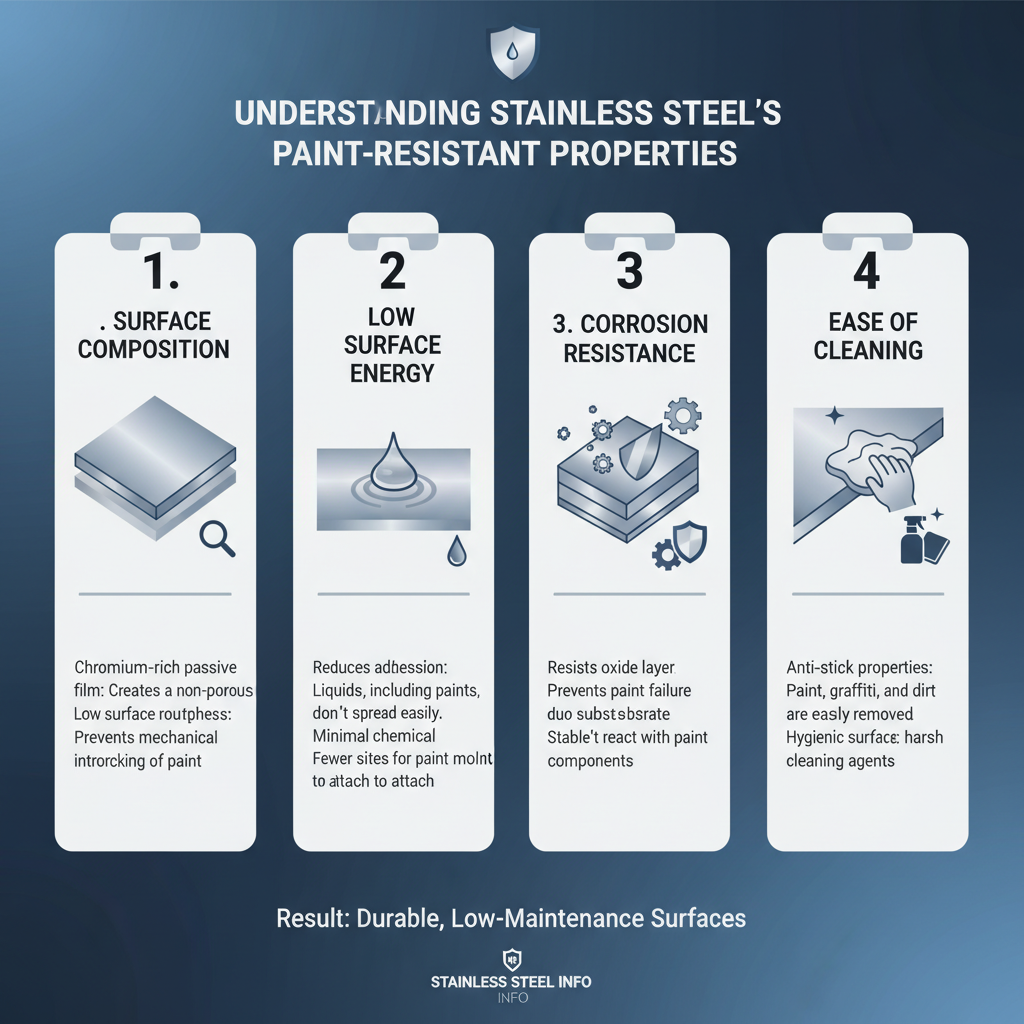
Stainless steel contains a minimum of 10.5% chromium content, which forms an invisible, self-healing oxide layer approximately 1-3 nanometers thick. This passivation layer provides corrosion resistance but creates a non-porous surface with minimal mechanical adhesion properties. The chromium oxide barrier exhibits low surface energy, measuring approximately 20-30 dynes/cm, compared to properly prepared carbon steel at 40-45 dynes/cm.
The molecular structure of this oxide layer consists of Cr₂O₃ compounds that continuously regenerate when exposed to oxygen. Paint manufacturers formulate specialized primers with aggressive adhesion promoters to chemically bond with these oxide compounds, creating the foundation for successful coating systems.
Essential Materials and Equipment for Painting Stainless Steel Professional Results
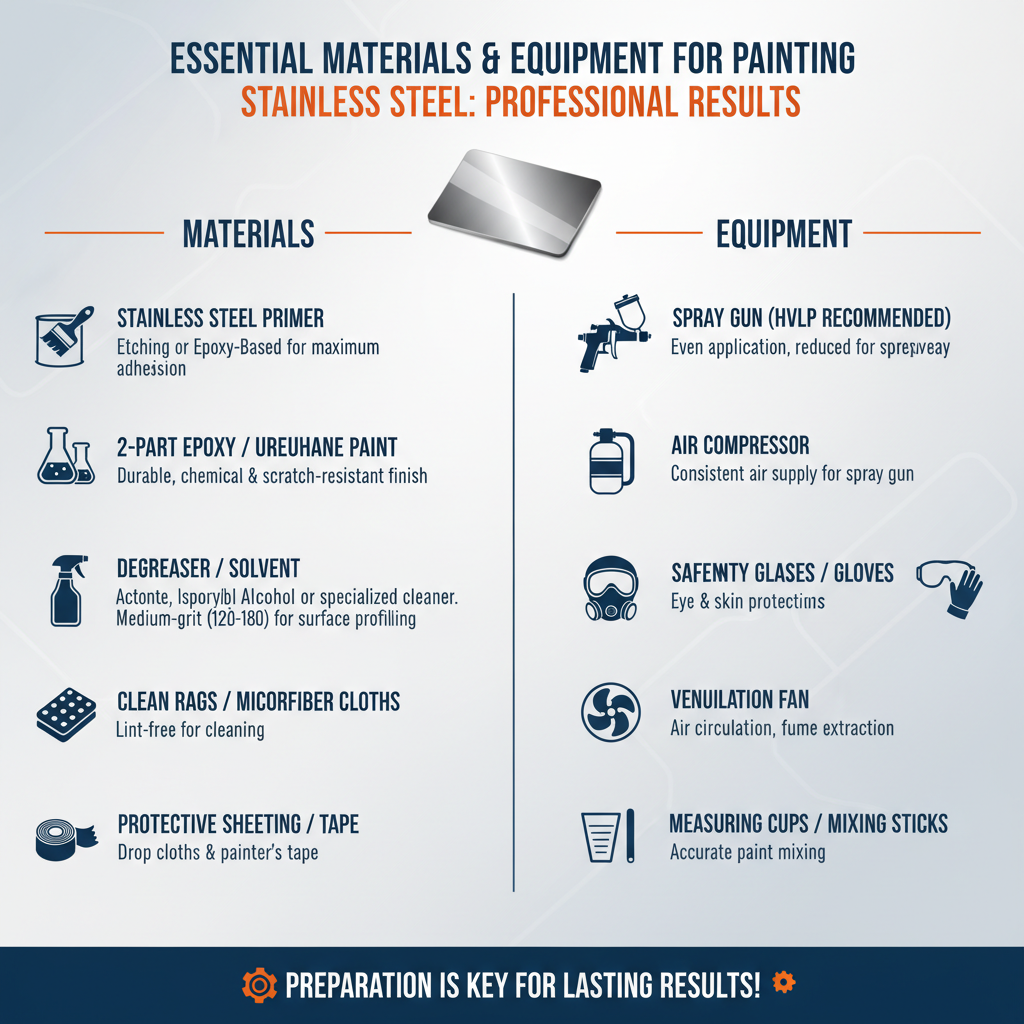
Surface Preparation Tools
* 220-grit aluminum oxide sandpaper (removes oxide layer effectively)
* 320-grit finishing paper (final surface smoothing)
* Tack cloth or microfiber cleaning cloths
* Degreasing solvent (acetone or specialized metal cleaner)
* Wire brushes for detail work
* Orbital sander for large surfaces
Primer Selection Criteria
Choose primers specifically engineered for stainless steel applications. Epoxy-based primers with zinc phosphate additives provide superior adhesion through chemical bonding mechanisms. Avoid standard metal primers designed for ferrous materials, as they lack the aggressive adhesion promoters required for chromium oxide penetration.
Paint System Components
High-performance polyurethane or acrylic enamel paints deliver optimal durability on stainless steel substrates. These formulations contain specialized resins that maintain flexibility while providing chemical resistance. Single-component systems work adequately for indoor applications, while two-component polyurethanes excel in demanding environments.
Step-by-Step Surface Preparation Protocol
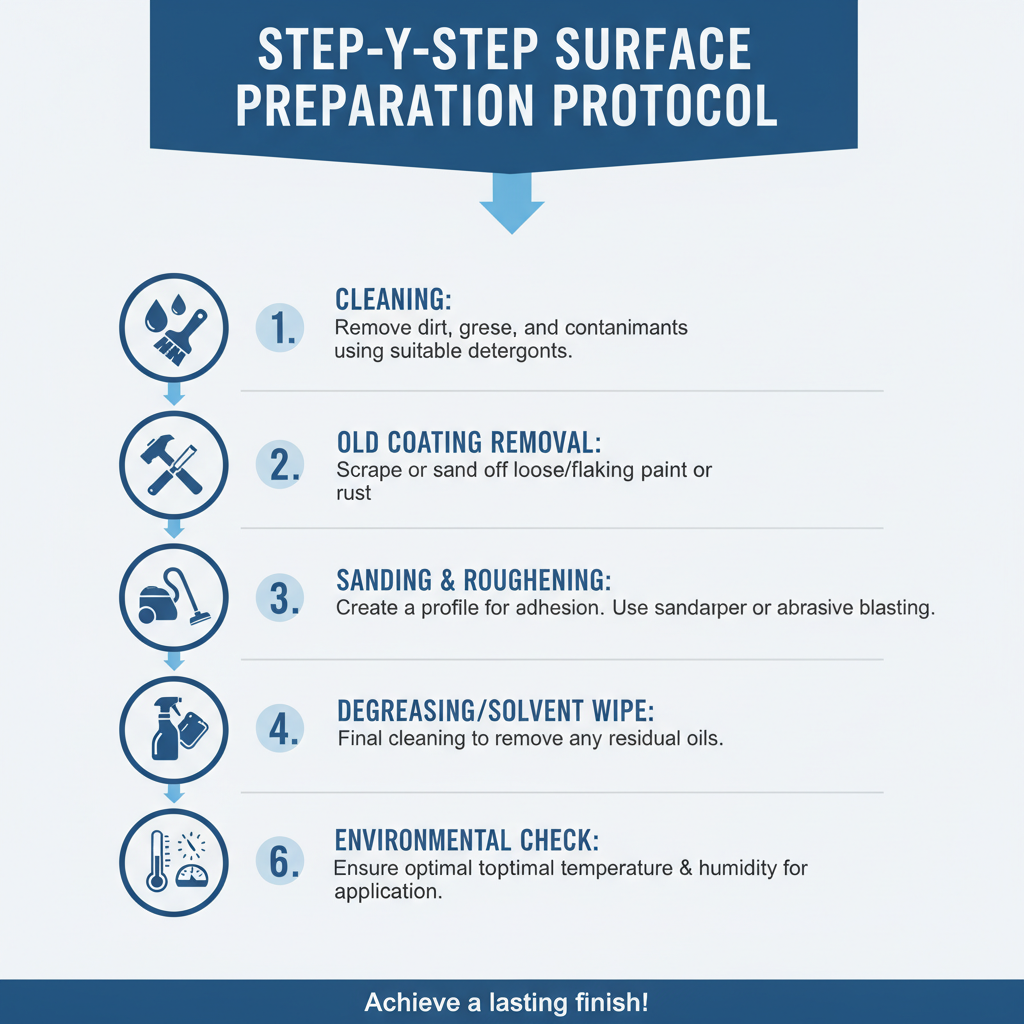
Phase 1: Contamination Removal
Begin by eliminating all surface contaminants that interfere with adhesion. Manufacturing oils, fingerprints, and environmental deposits create barriers between the substrate and primer. Apply degreasing solvent using lint-free cloths, working in overlapping sections to ensure complete coverage.
Critical timing consideration: Complete the degreasing process within 2 hours of primer application. Extended exposure allows contaminants to redeposit on the cleaned surface, compromising adhesion performance.
Phase 2: Mechanical Abrasion
Sand the entire surface using 220-grit aluminum oxide paper in a crosshatch pattern. This aggressive abrasion physically removes the chromium oxide layer while creating microscopic anchor points for primer adhesion. Apply consistent pressure to achieve uniform surface texture.
Pressure specification: Maintain 15-20 pounds of downward force during sanding operations. Insufficient pressure fails to penetrate the oxide layer, while excessive force creates deep scratches that telegraph through the finish coat.
Follow the initial sanding with 320-grit paper to smooth the surface while maintaining adequate tooth for primer adhesion. The final surface should exhibit a uniform satin finish with no visible scratches deeper than 0.001 inches.
Phase 3: Final Cleaning Protocol
Remove all sanding residue using tack cloth, followed by a final solvent wipe. This dual-cleaning approach eliminates both loose particles and any oils introduced during the sanding process. Allow complete solvent evaporation before primer application.
Advanced Primer Application Techniques
Environmental Controls
Maintain ambient temperature between 65-75°F with relative humidity below 50% during primer application. These conditions optimize primer flow characteristics while preventing moisture contamination that weakens the primer-substrate bond.
Humidity impact calculation: For every 10% increase in relative humidity above 50%, primer cure time extends by approximately 15-20%. High humidity also increases the risk of primer blushing, which appears as a cloudy or milky film that compromises adhesion.
Application Method Selection
| Application Method | Coverage Rate | Film Thickness Control | Surface Finish Quality |
|---|---|---|---|
| Brush Application | 350-400 sq ft/gal | Excellent | Good |
| Roller Application | 400-450 sq ft/gal | Good | Fair |
| Spray Application | 300-350 sq ft/gal | Superior | Excellent |
Spray application delivers superior results for stainless steel projects due to precise film thickness control and elimination of brush marks that create weak points in the coating system. Configure spray equipment for 2.5-3.0 mil wet film thickness, which cures to approximately 1.0-1.2 mil dry film thickness.
Primer Curing Optimization
Allow primer to cure for minimum 24 hours at 70°F before topcoat application. Accelerated curing using heat lamps reduces cure time but requires careful temperature monitoring to prevent primer degradation. Maximum safe curing temperature reaches 140°F for epoxy primers and 120°F for acrylic systems.
Professional Topcoat Application Strategies
Paint Selection Matrix
Match paint chemistry to service conditions for optimal performance. Polyurethane systems excel in UV exposure and chemical resistance applications, while acrylic enamels provide superior color retention and ease of maintenance.
Chemical compatibility verification: Test primer-paint compatibility on sample panels before full application. Incompatible systems exhibit poor intercoat adhesion, leading to delamination failures within 6-12 months.
Multi-Coat System Design
Apply topcoat in two thin coats rather than one thick application. This technique reduces sagging, improves coverage uniformity, and enhances overall system durability. Target 1.5-2.0 mil wet film thickness per coat.
Intercoat timing: Apply the second coat within the recoat window specified by the paint manufacturer, typically 2-4 hours for most systems. Missing this window requires light sanding to promote intercoat adhesion.
Quality Control Checkpoints
Monitor film thickness using a wet film thickness gauge during application. Maintain consistent thickness across the entire surface to prevent premature failure in thin areas. Document thickness measurements for warranty compliance and future maintenance reference.
What Most Guides Miss: Advanced Insider Insights
Chromium Migration Prevention
Standard painting guides overlook chromium migration, a phenomenon where chromium ions migrate through primer layers, causing topcoat discoloration and adhesion failure. Combat this issue by applying barrier coats containing aluminum flake pigments that physically block ion migration.
Thermal Expansion Considerations
Stainless steel exhibits a coefficient of thermal expansion of 17.3 × 10⁻⁶ per °F, significantly higher than carbon steel. Select paint systems with compatible flexibility characteristics to prevent cracking during thermal cycling. Polyurethane systems with elongation values exceeding 50% accommodate this movement effectively.
Galvanic Corrosion Prevention
When stainless steel components contact dissimilar metals, galvanic corrosion accelerates coating failure. Apply zinc-rich primers at connection points to provide sacrificial protection. This technique extends coating life by 3-5 years in marine or industrial environments.
Surface Energy Modification
Professional applicators use flame treatment or corona discharge to increase surface energy on critical applications. These processes temporarily raise surface energy to 40-45 dynes/cm, improving primer wetting and adhesion. The effect lasts 24-48 hours, requiring immediate primer application.
Troubleshooting Common Paint Failures
Adhesion Loss Diagnosis
Paint peeling typically results from inadequate surface preparation or contamination. Perform tape adhesion tests according to ASTM D3359 standards to quantify adhesion strength. Acceptable results show minimal paint removal with less than 5% area affected.
Coating Defect Analysis
Pinhole formation indicates solvent entrapment during application. Reduce application thickness and extend flash time between coats to eliminate this defect. Orange peel texture results from improper spray gun setup or excessive application speed.
Environmental Damage Assessment
UV degradation manifests as chalking and color fade on exposed surfaces. Acrylic topcoats resist UV damage better than alkyd systems but require periodic maintenance cleaning to remove chalk deposits.
Specialized Applications and Variations
Food-Grade Stainless Steel Coating
Food processing equipment requires FDA-compliant coatings that resist cleaning chemicals and maintain sanitary conditions. Epoxy novolac primers with polyurethane topcoats meet these requirements while providing chemical resistance to acids, bases, and sanitizing solutions.
High-Temperature Service Conditions
Applications exceeding 200°F require silicone-modified coatings that maintain flexibility and adhesion at elevated temperatures. Standard organic coatings fail through thermal degradation, losing adhesion and protective properties.
Marine Environment Protection
Saltwater exposure accelerates coating degradation through chloride ion penetration. Apply additional primer coats and select topcoats with enhanced barrier properties. Fluoropolymer topcoats provide superior chemical resistance but require specialized application techniques.
Quality Assurance and Testing Protocols
Adhesion Testing Procedures
Perform cross-cut adhesion tests on representative areas after complete cure. Score the coating in a crosshatch pattern using a sharp blade, then apply and remove standard pressure-sensitive tape. Rate results according to ASTM D3359 classification system.
Thickness Verification Methods
Use magnetic thickness gauges on ferromagnetic substrates or ultrasonic gauges for non-magnetic stainless steel alloys. Document measurements at regular intervals to verify specification compliance and identify application inconsistencies.
Accelerated Weathering Evaluation
Subject test panels to UV exposure, salt spray, and thermal cycling to predict long-term performance. These tests reveal potential failure modes before they occur in service, allowing corrective action during the application phase.
Maintenance and Longevity Optimization
Inspection Schedule Development
Establish regular inspection intervals based on service conditions. Indoor applications require annual inspection, while exterior exposures need quarterly evaluation. Document findings to track coating degradation patterns and optimize maintenance timing.
Spot Repair Techniques
Address minor coating damage immediately to prevent substrate corrosion. Clean damaged areas to bright metal, apply primer, and blend repair areas into existing coatings. Proper spot repairs extend overall system life by preventing localized failure propagation.
Recoating Decision Criteria
Plan recoating when adhesion test results drop below acceptable levels or when coating thickness measurements indicate significant loss. Proactive recoating costs less than reactive repairs after substrate damage occurs.
Frequently Asked Questions
Can you paint stainless steel without primer? No, primer is essential for proper adhesion. Direct paint application fails within months due to the chromium oxide barrier layer.
What type of paint adheres best to stainless steel? Polyurethane and high-quality acrylic enamels provide optimal adhesion and durability when applied over appropriate primers.
How long does painted stainless steel last? Properly prepared and painted stainless steel maintains protective properties for 7-10 years in normal service conditions.
Do you need special sandpaper for stainless steel? Use aluminum oxide abrasives, as they cut through the chromium oxide layer more effectively than silicon carbide papers.
Can stainless steel be powder coated instead of painted? Yes, powder coating provides superior durability but requires specialized equipment and higher processing temperatures.
What causes paint to peel off stainless steel? Inadequate surface preparation, contamination, or using incompatible primer systems causes adhesion failure and peeling.
How do you remove old paint from stainless steel? Chemical strippers or mechanical abrasion remove existing coatings, followed by complete surface preparation before repainting.
Successfully painting stainless steel requires meticulous attention to surface preparation, material selection, and application techniques. The next logical step involves selecting specific primer and paint products based on your service environment and performance requirements. Research manufacturer specifications and conduct small-scale testing to verify compatibility before proceeding with full-scale application.
Professional Application Techniques for Different Stainless Steel Grades
Different stainless steel grades require specific preparation approaches. Austenitic grades (304, 316) contain higher nickel content, creating a more passive surface that demands aggressive mechanical abrasion. Use 80-grit aluminum oxide paper followed by 120-grit for optimal tooth. Ferritic grades (430, 409) respond better to chemical etching with phosphoric acid solutions at 10-15% concentration.
Duplex stainless steels present unique challenges due to their two-phase microstructure. The austenite and ferrite phases etch at different rates, creating microscopic surface irregularities. Apply primer within 30 minutes of etching to prevent selective corrosion initiation.
Troubleshooting Common Paint Failures
Blistering occurs when moisture penetrates the coating system. This happens most frequently on 316L grades exposed to chloride environments. Prevent blistering by maintaining ambient humidity below 50% during application and ensuring complete surface dehydration.
Chalking manifests as powdery residue on the paint surface. Ultraviolet degradation breaks polymer chains in acrylic topcoats. Combat chalking by selecting UV-stable formulations containing titanium dioxide pigments at minimum 15% by volume.
Adhesion loss typically results from chromium oxide reformation between primer application stages. Field tests indicate that primer recoat windows should not exceed 4 hours in humid conditions or 8 hours in controlled environments.
Quality Control and Testing Protocols
Implement adhesion testing using the cross-hatch method per ASTM D3359. Create a grid pattern with 1mm spacing using a sharp blade, then apply pressure-sensitive tape. Acceptable performance requires 95% paint retention after tape removal.
Dry film thickness measurements ensure proper coating build-up. Target ranges vary by system:
– Primer: 25-40 micrometers
– Intermediate coat: 40-60 micrometers
– Topcoat: 30-50 micrometers
Use magnetic thickness gauges calibrated to stainless steel’s magnetic properties. Non-magnetic grades require ultrasonic measurement techniques.
Environmental Considerations and Service Life Optimization
Temperature cycling stresses the coating system through differential expansion. Stainless steel’s coefficient of thermal expansion (17.3 × 10⁻⁶/°C for 304 grade) differs significantly from most paint films. Select flexible coating systems for applications experiencing temperature swings exceeding 40°C.
Chemical resistance requirements dictate topcoat selection. Epoxy systems provide excellent acid resistance but degrade under alkaline conditions. Polyurethane topcoats offer superior alkali resistance and UV stability.
Galvanic compatibility becomes critical when painted stainless steel contacts dissimilar metals. Ensure coating systems provide complete electrical isolation to prevent accelerated corrosion at contact points.
Advanced Surface Preparation Techniques
Electrochemical cleaning removes embedded contaminants that mechanical methods cannot address. Apply 10% nitric acid solution at 60°C for 15 minutes, followed by thorough water rinsing and immediate neutralization with dilute sodium bicarbonate solution.
Plasma treatment modifies surface energy for enhanced adhesion. Atmospheric plasma systems operating at 40-60 kHz increase surface tension from 28-32 dynes/cm to 45-52 dynes/cm, significantly improving primer wetting.
Conversion coating application creates a chemically bonded intermediate layer. Zinc phosphate treatments work effectively on ferritic grades, while chromate-free alternatives using zirconium compounds suit austenitic stainless steels.
Equipment Selection and Maintenance
Spray equipment selection impacts coating quality significantly. Use stainless steel fluid passages to prevent contamination. Maintain tip pressure between 2000-3000 PSI for optimal atomization of high-solids primers.
Brush application requires natural bristle brushes for solvent-based systems and synthetic bristles for water-based coatings. Replace brushes when bristle loss exceeds 5% to prevent contamination.
Roller techniques work well for large flat surfaces. Use 3/8-inch nap rollers for smooth finishes and 1/2-inch nap for textured surfaces. Maintain wet edge overlap of 2-3 inches to prevent lap marks.
Cost-Benefit Analysis and ROI Calculations
Material costs typically represent 30-40% of total project expenses. Premium primer systems cost $45-65 per gallon but provide 2-3 times longer service life compared to standard formulations at $25-35 per gallon.
Labor efficiency improves with proper surface preparation. Initial investment in mechanical preparation equipment reduces long-term maintenance costs by 40-60% over the coating system’s service life.
Lifecycle cost analysis demonstrates that high-performance coating systems provide superior value. Calculate total cost of ownership using the formula:
$$text{TCO} = text{Initial Cost} + sum_{i=1}^{n} frac{text{Maintenance Cost}_i}{(1+r)^i}$$
Where r represents the discount rate and n equals the analysis period in years.
Regulatory Compliance and Safety Standards
VOC regulations limit solvent content in many jurisdictions. High-solids coatings containing less than 250 g/L VOCs meet most environmental requirements while maintaining performance characteristics.
Worker safety protocols require proper ventilation and personal protective equipment. Maintain air exchange rates of 6-10 changes per hour when applying solvent-based systems in enclosed spaces.
Waste disposal regulations govern spent abrasives and coating materials. Classify waste streams according to local hazardous material guidelines and arrange proper disposal through licensed contractors.
The comprehensive approach to painting stainless steel demands attention to metallurgical properties, environmental conditions, and application techniques. Success depends on matching coating systems to specific service requirements while maintaining strict quality control throughout the process. Proper execution of these principles ensures long-term coating performance and maximizes return on investment for industrial and architectural applications.