
Figuring out how long JB Weld takes to dry in cold weather is something I learned the hard way during a winter repair job on a steel bracket. I mixed the epoxy like usual, slapped it on, and expected it to set in a few hours — but cold temps slow everything down. Way down.
Whether you’re fixing a crack, filling a small hole, or bonding metal parts you’d normally weld, temperature has a huge impact on cure time, strength, and how well the epoxy bonds to the surface. If the metal is cold, the resin stays gummy, the bond weakens, and the whole repair can fail long before you put it under load.
That’s why knowing how JB Weld behaves in low temps — and how to speed up the cure safely — really matters for durability and cost-efficiency. I’ll break down exactly what to expect from JB Weld in cold weather, plus the tricks I use to get a strong, reliable cure even when the shop feels like a freezer.
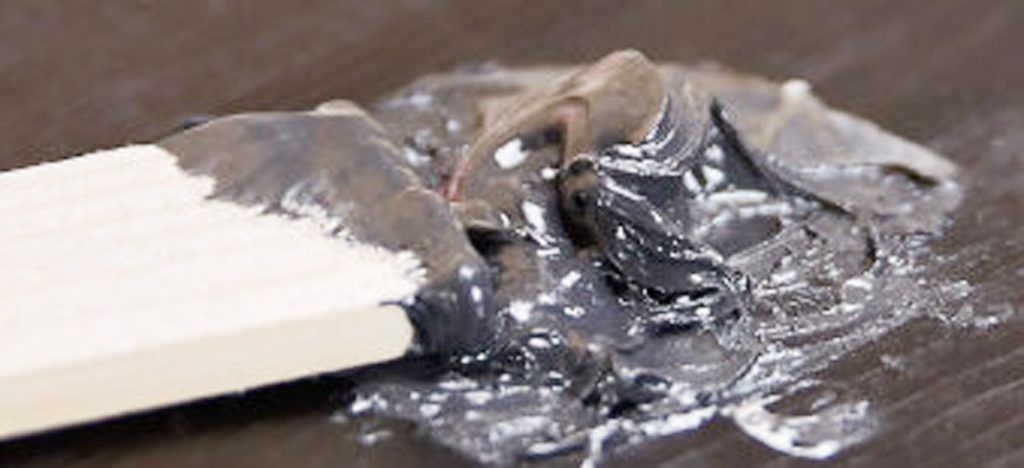
Image by speedalternators
What Exactly Is JB Weld and Why Do We Love It So Much?
JB Weld is a two-part steel-reinforced epoxy that cures into something harder than most mild steel filler. Welders, farmers, mechanics, and fab shop guys keep a tube in the way carpenters keep duct tape — it’s the ultimate “get me home” fix.
It bonds metal, wood, plastic, concrete, and ceramic, fills holes, rebuilds threads, and can even take a beating at 550°F once fully cured.
In the field it’s saved me on cracked exhaust manifolds, busted snowplow frames, aluminum boat patches, and even a snapped loader arm on a Bobcat when I was 200 miles from the nearest welder.
Why Cold Weather Turns JB Weld Into Molasses
Epoxy cure is a chemical reaction, not evaporation. Heat speeds the reaction; cold slows it down — dramatically. The package says “sets in 4-6 hours, full cure 15-24 hours” at 70°F.
Drop the temperature to 40°F and you’re looking at 12-24 hours just to get stiff enough to sand, and full strength can take three to five days. Below freezing? I’ve seen it stay tacky for a week if you don’t help it along.
Exact Cure Times by Temperature (From My Own Log Book)
Here’s what I’ve recorded on actual jobs over the years:
- 70–80°F → Set 4–6 hrs | Full cure 15–24 hrs
- 50–60°F → Set 10–15 hrs | Full cure 36–48 hrs
- 40–50°F → Set 18–24 hrs | Full cure 3–4 days
- 30–40°F → Set 24–36 hrs | Full cure 5–7 days
- 20–30°F → Set 36–72 hrs | Full cure 7–14 days
- Below 20°F → Don’t even bother unless you heat it (see below)
These aren’t guesses — these are times I wrote down while patching combine headers in North Dakota and fixing frozen water lines in Montana.
How to Make JB Weld Cure Fast in Cold Weather — Tricks That Actually Work
Warm the parts first
I keep a small propane torch or heat gun in the truck. Warm the metal to at least 70–80°F for a couple minutes before you mix the epoxy. The metal acts like a heat sink and keeps the epoxy warm while it kicks.
Use a heat lamp or trouble light
Stick a 100-watt incandescent bulb or shop heat lamp 12–18 inches away for the first 4–6 hours. I’ve rigged a cardboard box over the repair with a drop light inside — turns it into a mini oven.
JB Weld KwikWeld is your cold-weather friend
The “Kwik” version is formulated to cure faster and at lower temps than original. Down to about 35°F it still sets in 20–30 minutes and gets handle-strong in a couple hours. Keep a tube in the glove box for emergencies.
Warm the tubes before mixing
Ten seconds in a cup of hot coffee or under your armpit softens the epoxy so it mixes better and starts the reaction faster.
Mix on a warm surface
I mix on an old welding coupon I’ve heated with the torch. Warm aluminum transfers heat into the blob while I’m kneading it.
Insulate after application
Wrap the repair in bubble wrap, an old towel, or even hand warmers taped on top. Every degree you hold in there cuts cure time.
Common Cold-Weather Mistakes I See All the Time
- Not cleaning the surface because “it’s too cold to wash it” → oil and frost kill adhesion
- Mixing with gloves that have snow or ice on them → moisture contaminates the epoxy
- Thinking “it’ll be fine” and driving the truck two hours later → shears the half-cured bond
- Using regular JB Weld on a -10°F day with no heat → still soft a week later
When JB Weld Is the Wrong Choice in Cold Weather
If it’s below 20°F and you can’t heat the part or insulate it, just stop. You’re better off drilling and bolting, using a mechanical fastener, or waiting for a warmer day to stick weld it. Epoxy that never reaches 50°F during cure will stay cheesy forever.
Step-by-Step: Emergency Frame Crack Repair at 15°F (What I Did Last Winter)
- Jacked the truck and put it on stands
- Wire-wheeled the crack clean (used a cordless Milwaukee — cold kills battery fast)
- Hit the area with MAP gas torch until too hot to touch (about 150°F)
- Warmed both JB Weld tubes in my coat pocket
- Mixed Original JB Weld on a heated piece of 1/4″ plate
- Buttered it thick, vee’d the crack with a die grinder first for more meat
- Covered the repair with a shop rag and taped two chemical hand warmers on top
- Left a 250-watt heat lamp pointed at it overnight in the shed
- Next morning at 9 a.m. it was hard as a rock — drove the truck 400 miles two days later, still holding a year later
Original vs KwikWeld vs WaterWeld vs PlasticWeld in Cold — Quick Comparison
| Product | Lowest Reliable Temp | Set Time in 40°F | Best Use in Cold |
|---|---|---|---|
| Original JB Weld | 50°F | 18–24 hrs | Heavy steel repairs, max strength |
| JB Weld KwikWeld | 35°F | 20–40 min | Emergency fixes, quick turnaround |
| JB WaterWeld | 40°F | 20–25 min | Underwater or wet repairs |
| JB PlasticWeld | 50°F | 15–20 min | Plastic and composites |
Pro Tip Almost Nobody Uses
After you apply JB Weld in cold weather, sprinkle a tiny amount of baby powder or talc on the surface after it gets leather-hard (usually 6–8 hours with heat). Keeps the blue tape or clamps from sticking when you wrap it for insulation and makes cleanup way easier.
Final Word From the Shop Floor
Cold weather doesn’t have to stop you from using JB Weld — it just means you have to babysit the cure a little. Warm the part, insulate it, or switch to KwikWeld, and you’ll get a bond that outlasts a lot of weekend warrior stick welds I’ve seen.
I’ve trusted this stuff to hold loader arms, snowmobile tunnels, and even a cracked engine block long enough to limp 300 miles home. Do it right and you’ll forget it was ever broken.
Keep a tube of KwikWeld and a $10 heat lamp in the truck from November to April. You’ll thank me when you’re stranded on the side of the road at 2 a.m. with a busted radiator bracket and 18°F wind chill.
Frequently Asked Cold-Weather JB Weld Questions
Can JB Weld cure below freezing?
Yes, but extremely slowly. Below 32°F without heat you’re looking at many days to weeks for full strength. Add heat and insulation and you can get reliable cures down to about 10°F.
Does JB Weld shrink when it cures in cold?
No more than in warm weather. Epoxy shrinkage is minimal anyway (less than 1%), but cold just stretches the timeline.
Will a hair dryer work to heat the repair?
Absolutely. I’ve used my wife’s 1800-watt hair dryer on high for 10 minutes, then wrapped the part in a towel. Works great in a pinch.
How long should I wait before painting over JB Weld applied in cold?
Wait until it’s fully cured — at least 48 hours with supplemental heat in 30–40°F weather. Painting too early traps moisture and softness underneath.
Is there a JB Weld made specifically for cold temperatures?
Not officially, but KwikWeld is the coldest-tolerant formula they sell and the one we all carry on plow trucks and harvest rigs for that reason.
Stay warm out there, clean your parts, and don’t rush the cure — your repair will last longer than the truck if you do it right.