
Powder coating powder typically lasts 12 to 24 months when stored properly, though some formulations can remain viable for up to 5 years. Understanding the shelf life of powder coating materials is crucial for maintaining quality finishes and avoiding costly waste in your coating operations.
The longevity of powder coating powder depends on several factors including storage conditions, powder type, and manufacturer specifications. This guide will help you maximize your powder’s lifespan and identify when it’s time to replace your coating materials.
Powder Coating Powder Shelf Life
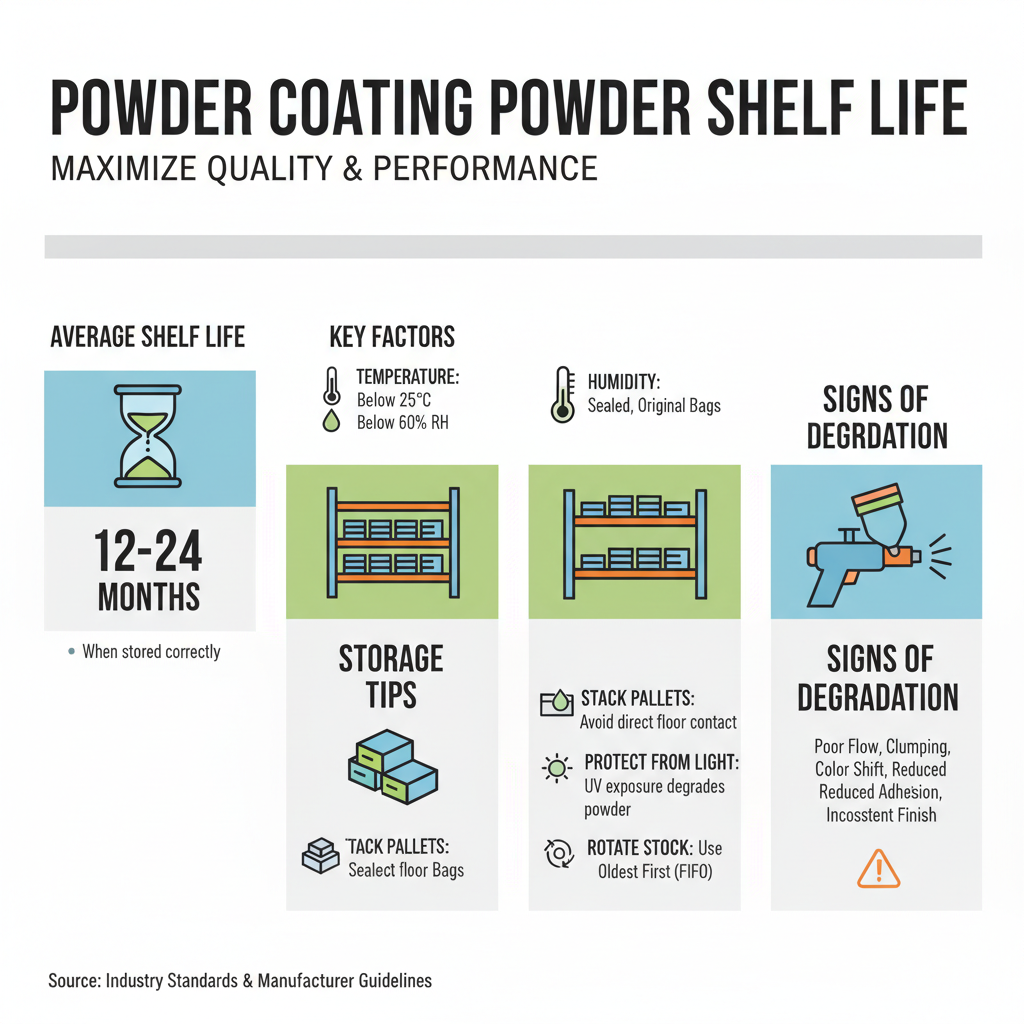
Powder coating powder doesn’t expire like food, but it does degrade over time. The shelf life refers to the period during which the powder maintains its optimal performance characteristics.
Most powder coating manufacturers provide shelf life recommendations ranging from 12 months to several years. Akzo Nobel Interpon powder coatings, for example, typically offer 12-month shelf life guarantees when stored under proper conditions.
The powder’s chemical composition affects its longevity. Thermosetting powders contain crosslinking agents that can gradually react even during storage, potentially reducing their effectiveness over time.
Factors That Affect Powder Longevity
Several environmental and handling factors influence how long your powder coating powder will last:
Temperature Control
– Store powder between 60-80°F (15-27°C)
– Avoid temperature fluctuations
– Never expose to extreme heat or freezing conditions
Humidity Management
– Maintain relative humidity below 50%
– Use dehumidifiers in storage areas
– Prevent moisture absorption which causes clumping
Light Exposure
– Store in dark environments
– UV light can degrade certain powder formulations
– Use opaque containers for long-term storage
Proper Storage Techniques for Maximum Shelf Life Of Powder Coating Powder
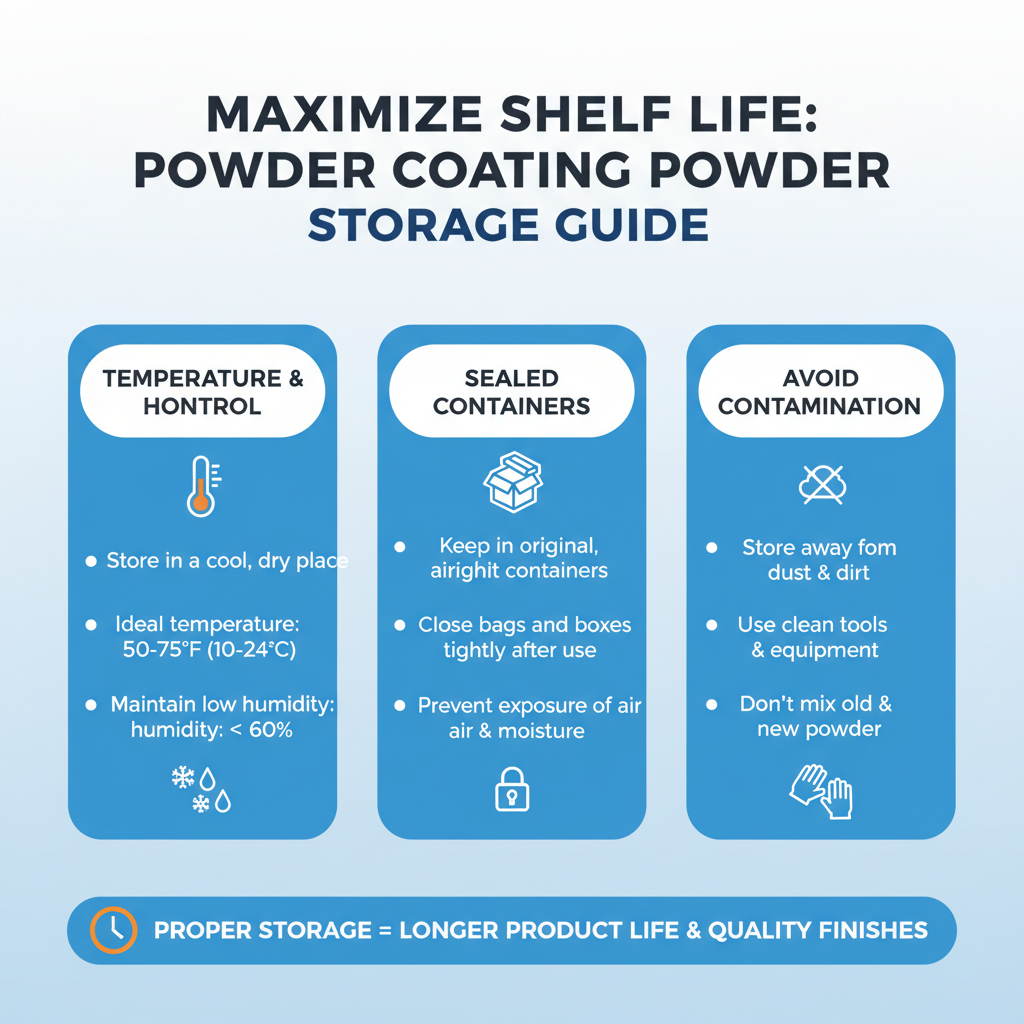
Implementing correct storage practices significantly extends powder coating powder lifespan and maintains consistent application quality.
Container Selection and Sealing
Original manufacturer containers provide the best protection. These containers are designed to prevent moisture infiltration and maintain powder flowability.
When transferring powder, use airtight containers made from materials that won’t react with the coating. Avoid metal containers that might introduce contamination.
Always seal containers immediately after use. Even brief exposure to ambient air can introduce moisture that shortens shelf life.
Environmental Storage Conditions
Create a dedicated storage area with controlled environmental conditions. Temperature stability is more important than maintaining specific temperatures within the recommended range.
Install humidity monitoring equipment to track moisture levels. Tiger Drylac powder coatings and similar professional-grade products perform best when stored in consistently dry environments.
Organize storage areas to follow first-in, first-out inventory rotation. Label containers with purchase dates and use older powder first.
Handling Best Practices
Minimize powder exposure during handling. Use clean, dry tools when measuring or transferring powder to prevent contamination.
Avoid introducing foreign materials into powder containers. Even small amounts of dirt, oil, or other contaminants can affect powder performance and shelf life.
Store different powder types separately to prevent cross-contamination. Color bleeding or chemical interactions between different formulations can occur if powders mix.
Signs Your Powder Coating Powder Has Expired
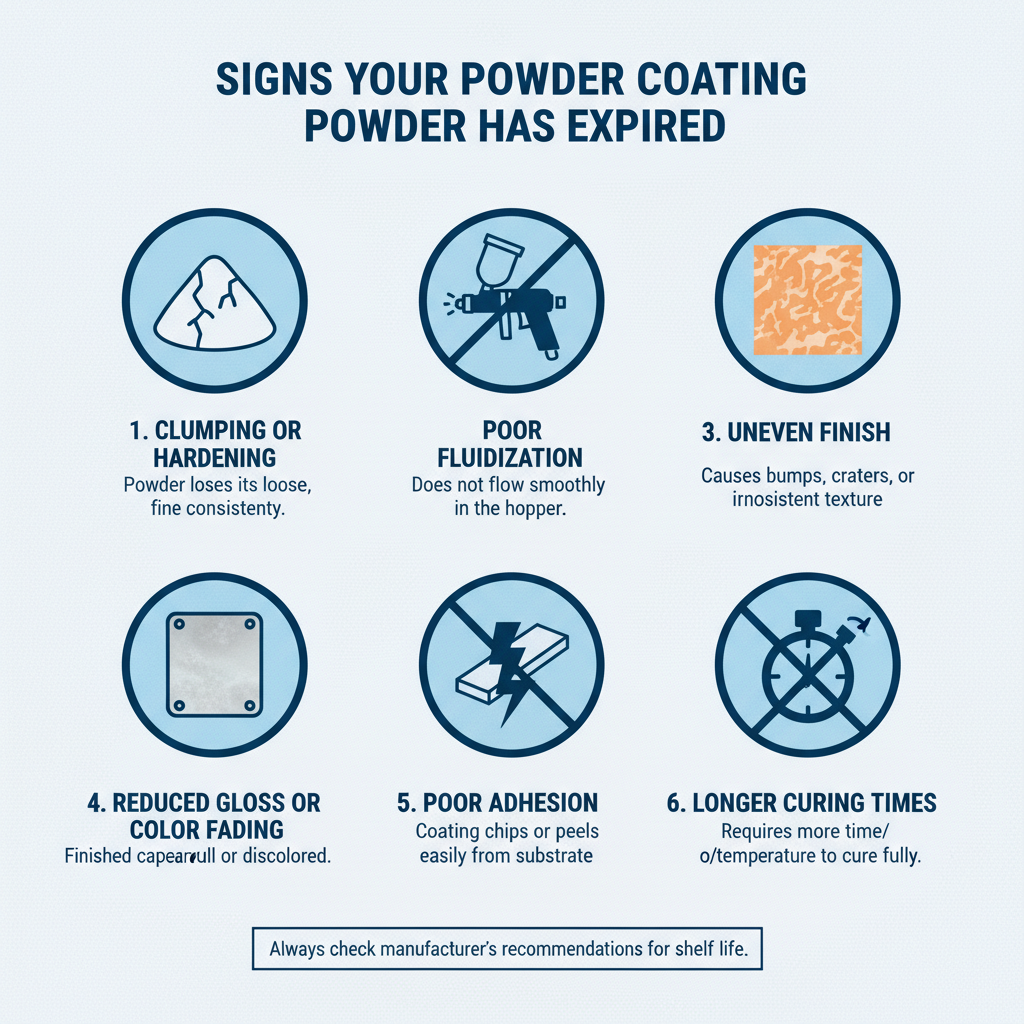
Recognizing deteriorated powder coating powder helps prevent application problems and ensures quality finishes.
Visual Inspection Indicators
Fresh powder coating powder flows freely and has consistent color throughout. Expired or degraded powder shows several visual signs:
– Clumping or caking indicates moisture absorption
– Color changes suggest chemical degradation
– Separation of components creates uneven appearance
– Hard chunks that don’t break apart easily
Performance Testing Methods
Conduct spray tests on sample pieces before using stored powder for important projects. Fresh powder should spray evenly without excessive overspray or poor transfer efficiency.
Check cure characteristics by coating test panels and evaluating the finished surface. Degraded powder may not cure properly, resulting in poor adhesion or surface defects.
Monitor powder flow characteristics during application. Powder that doesn’t flow smoothly through spray equipment may have exceeded its useful life.
Application Quality Assessment
Evaluate finished coating quality for signs of powder degradation:
– Poor leveling or orange peel texture
– Inconsistent color or gloss levels
– Reduced durability or adhesion
– Difficulty achieving proper film thickness
Extending Powder Coating Powder Life
Implementing preventive measures and proper handling techniques can significantly extend powder coating powder shelf life beyond manufacturer recommendations.
Advanced Storage Solutions
Consider investing in climate-controlled storage systems for high-value powder inventories. These systems maintain optimal temperature and humidity levels automatically.
Use desiccant packets in storage containers to absorb residual moisture. Replace desiccants regularly to maintain effectiveness.
Install air filtration systems in storage areas to reduce airborne contaminants that could affect powder quality.
Inventory Management Strategies
Implement inventory tracking systems to monitor powder age and usage patterns. This helps prevent powder from exceeding its shelf life before use.
Purchase powder in quantities that match your usage patterns. Buying excessive amounts may lead to waste if powder expires before use.
Establish relationships with suppliers who can provide fresh powder with longer remaining shelf life.
Reconditioning Techniques
Some mildly degraded powder can be reconditioned through screening or sifting to remove clumps and restore flowability.
Gentle mixing can redistribute settled components in some powder formulations. However, this doesn’t restore chemically degraded powder.
Consider professional powder reconditioning services for expensive specialty powders that have minor degradation issues.
Different Powder Types and Their Lifespans
Various powder coating formulations have different shelf life characteristics based on their chemical composition and intended applications.
Epoxy Powder Coatings
Epoxy-based powders typically offer 12-18 month shelf life when properly stored. These powders are sensitive to humidity and temperature fluctuations.
Epoxy powders may show yellowing over time, especially when exposed to light during storage. This doesn’t necessarily indicate complete degradation but may affect color-critical applications.
Polyester Powder Coatings
Polyester powders generally have longer shelf life than epoxy formulations, often lasting 18-24 months under proper storage conditions.
These powders maintain better color stability during storage and show less sensitivity to minor environmental variations.
Hybrid Powder Formulations
Hybrid powders combining epoxy and polyester characteristics typically fall between pure formulations for shelf life, averaging 12-20 months.
Storage requirements for hybrid powders follow the more restrictive guidelines of their component materials.
Conclusion
Powder coating powder typically lasts 12-24 months when stored properly, though actual lifespan varies based on formulation, storage conditions, and handling practices. Maintaining consistent temperature and humidity levels, using appropriate containers, and following proper inventory rotation ensures maximum powder life.
Regular inspection for visual signs of degradation and performance testing helps identify when powder replacement is necessary. Implementing advanced storage solutions and inventory management strategies can extend powder life beyond manufacturer recommendations.
Understanding these factors helps optimize your powder coating operations while minimizing waste and maintaining consistent quality results. Proper powder management ultimately saves money and ensures reliable coating performance for your projects.