
Stainless steel surfaces can develop rust spots despite their corrosion-resistant properties, leaving homeowners frustrated with unsightly brown marks on appliances, sinks, and fixtures. Understanding how to properly remove these spots without damaging the underlying metal is essential for maintaining your stainless steel items.
To clean rust spots on stainless steel, create a paste using baking soda and water, apply it to the affected area, scrub gently with a soft cloth following the grain direction, then rinse and dry thoroughly. For stubborn spots, white vinegar or specialized stainless steel cleaners provide additional cleaning power.
This guide will walk you through multiple proven methods for rust removal, explain why rust forms on stainless steel, and provide expert tips to prevent future corrosion. You’ll learn which household items work best and when to consider professional-grade solutions.
Why Rust Forms on Stainless Steel
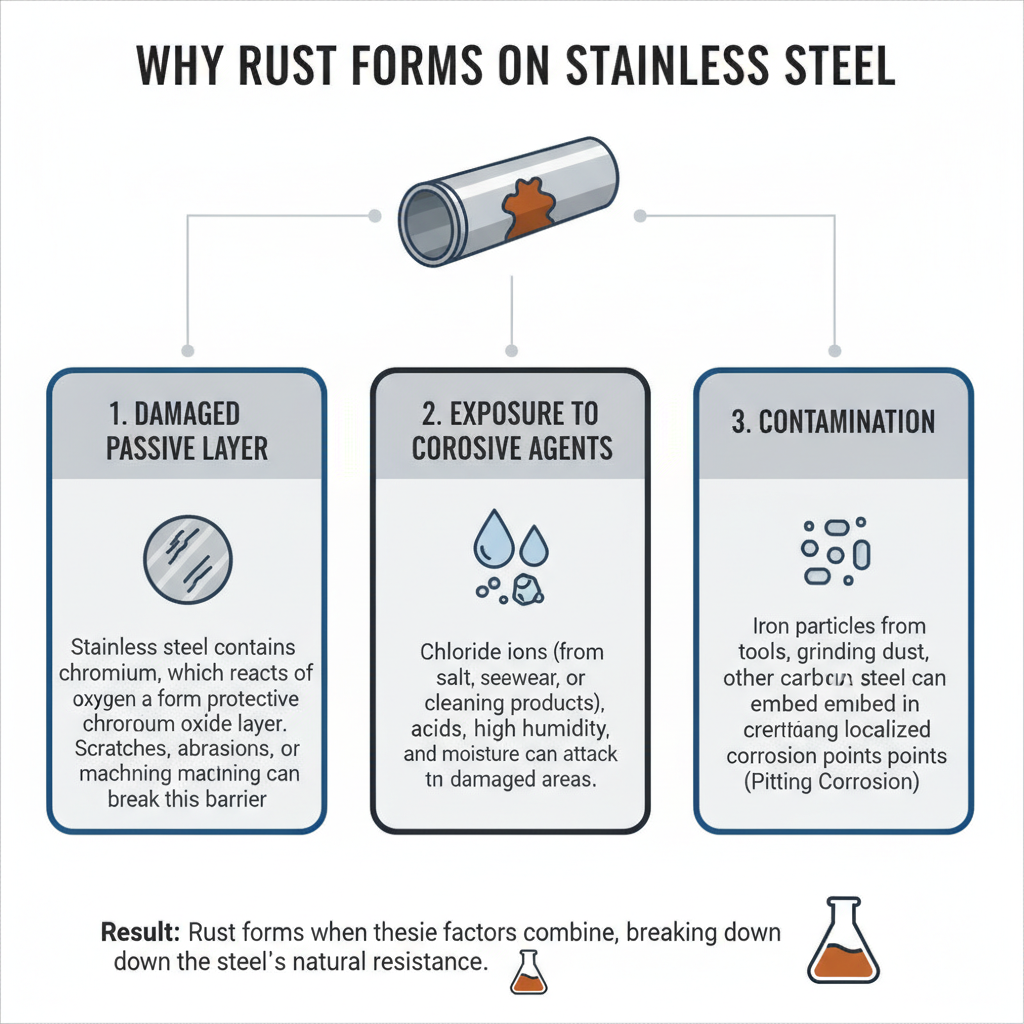
Stainless steel contains chromium, which forms a protective oxide layer that prevents corrosion under normal conditions. However, this protective barrier can break down when exposed to certain environmental factors.
Chloride exposure from salt water, pool chemicals, or road salt creates the most common cause of stainless steel rust. The chlorides penetrate the protective layer, allowing oxygen and moisture to reach the underlying iron content.
Scratches and surface damage also compromise the protective coating. Deep scratches expose the base metal to air and moisture, creating ideal conditions for rust formation. Poor-quality stainless steel with lower chromium content shows increased susceptibility to corrosion.
Essential Cleaning Supplies To Clean Rust Spots on Stainless Steel
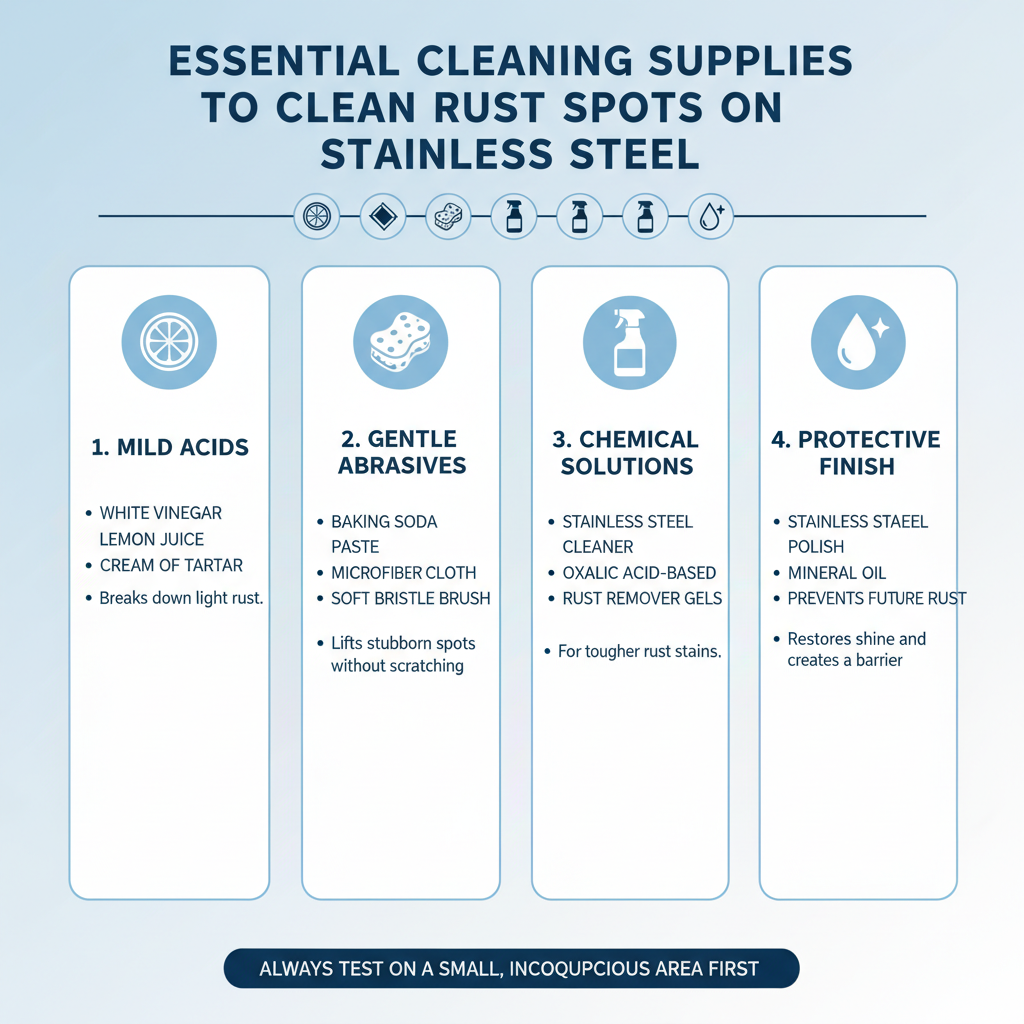
Gathering the right materials ensures effective rust removal without surface damage. Most effective cleaning agents are common household items that work through gentle chemical action.
Basic supplies include:
• Baking soda
• White vinegar
• Soft microfiber cloths
• Non-abrasive sponges
• Dish soap
• Clean water
For stubborn rust:
• Lemon juice
• Cream of tartar
• Commercial stainless steel cleaner
• Fine steel wool (0000 grade only)
Avoid harsh abrasives like regular steel wool, bleach, or ammonia-based cleaners. These materials can scratch the surface or cause chemical reactions that worsen corrosion.
The Baking Soda Method To clean Rust Spots on Stainless Steel
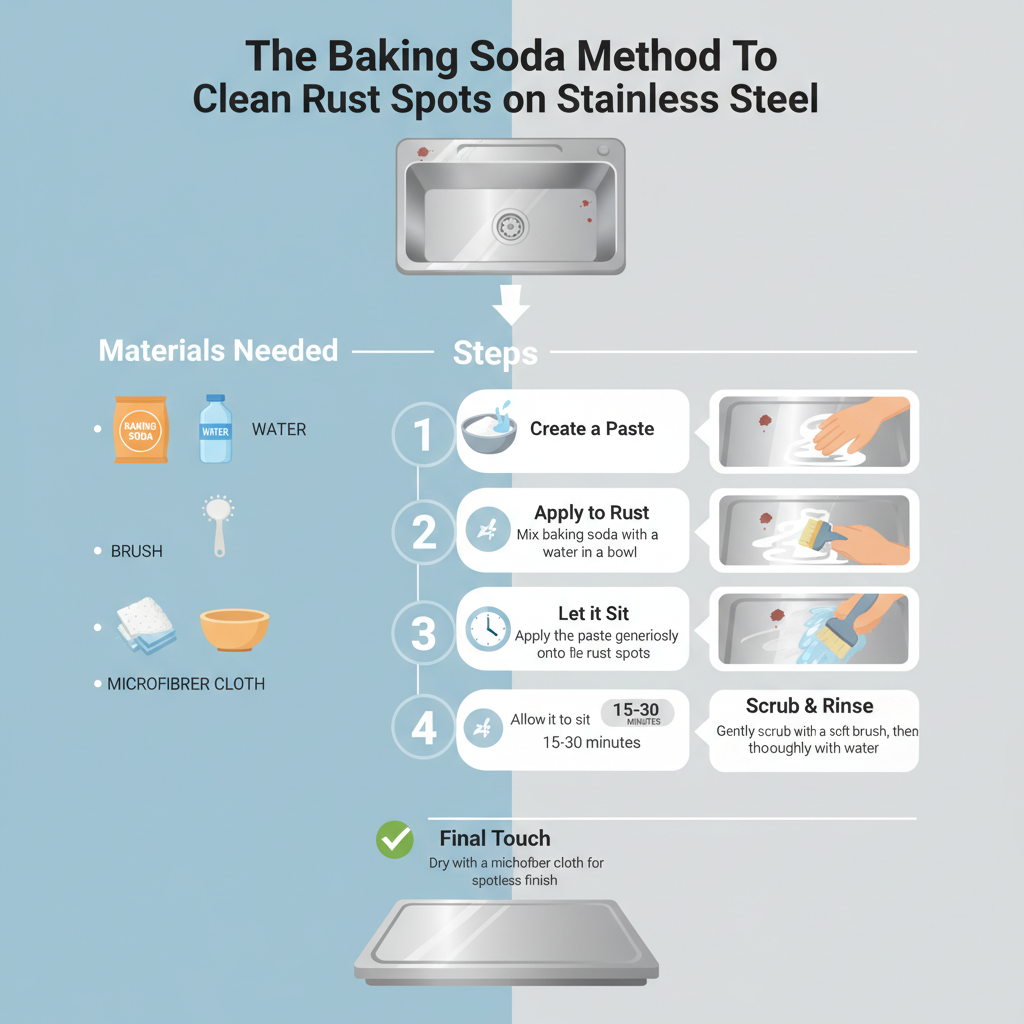
Baking soda provides gentle abrasive action while neutralizing acids that contribute to rust formation. This method works effectively for light to moderate rust spots without risking surface damage.
Mix three parts baking soda with one part water to create a thick paste. The consistency should be similar to toothpaste, allowing easy application without dripping.
Apply the paste directly to rust spots using a soft cloth or plastic spoon. Cover the entire affected area with a thin, even layer. Allow the paste to sit for 15-20 minutes, giving the baking soda time to break down rust particles.
Scrub gently using a microfiber cloth, always moving in the direction of the steel’s grain pattern. Circular motions can create visible scratches that detract from the surface appearance. Apply light pressure and let the baking soda do the work.
Rinse thoroughly with clean water and dry immediately with a soft towel. Water spots can form quickly on stainless steel, so complete drying prevents new staining issues.
White Vinegar Treatment
The acetic acid in white vinegar dissolves rust through chemical action, making it particularly effective for stubborn spots that resist mechanical cleaning methods.
Soak a clean cloth with undiluted white vinegar and place it directly over the rust spot. For vertical surfaces, tape the cloth in place or hold it against the area for several minutes.
Allow the vinegar to work for 10-15 minutes before scrubbing. The acid needs time to penetrate and dissolve rust particles. Longer contact times may be necessary for heavy rust buildup.
Scrub with a soft brush or cloth, following the grain direction. The rust should lift away easily after proper acid treatment. Stubborn areas may require a second application.
Neutralize the acid by rinsing thoroughly with water, then wipe dry. Vinegar residue can cause water spots or interfere with the steel’s protective coating if left on the surface.
Lemon and Salt Technique
Citric acid from fresh lemons combined with salt’s abrasive properties creates an effective natural rust remover. This method works particularly well on outdoor stainless steel exposed to weather conditions.
Cut a fresh lemon in half and sprinkle coarse salt directly onto the cut surface. The salt acts as a mild abrasive while the citric acid provides chemical cleaning action.
Rub the salted lemon directly onto rust spots using moderate pressure. The natural oils in lemon peel help condition the stainless steel surface while cleaning. Work in small circular motions, then follow the grain direction for final passes.
For larger areas, squeeze lemon juice into a bowl and add salt to create a paste. Apply this mixture with a soft cloth, allowing 10-15 minutes of contact time before scrubbing.
Rinse thoroughly and dry completely. Citric acid can leave residue that attracts dirt if not properly removed.
Commercial Stainless Steel Cleaners
Professional-grade cleaners contain specialized ingredients designed specifically for stainless steel maintenance. These products often combine rust removal with protective coating application.
Choose cleaners specifically labeled for stainless steel use. Multi-surface cleaners may contain ingredients that damage or discolor stainless steel surfaces.
Apply according to manufacturer directions, typically involving spray application followed by wiping with a microfiber cloth. Most commercial cleaners require minimal scrubbing due to their chemical formulation.
Field experience shows that foam-based cleaners often provide better coverage and longer contact time than liquid sprays. The foam clings to vertical surfaces, allowing active ingredients more time to work.
Always test commercial cleaners on an inconspicuous area first. Some formulations may react differently with various stainless steel grades or finishes.
Preventing Future Rust Formation
Regular maintenance prevents rust formation more effectively than reactive cleaning. Establishing a consistent care routine protects your investment in stainless steel items.
Clean stainless steel weekly using mild dish soap and water. This removes salt deposits, food residues, and other contaminants before they can compromise the protective coating.
Dry surfaces immediately after cleaning or exposure to moisture. Water spots contain minerals that can initiate corrosion, especially in areas with hard water.
Apply specialized stainless steel polish monthly to restore the protective coating. Quality polishes contain ingredients that fill microscopic scratches and enhance corrosion resistance.
Address scratches promptly using fine polishing compounds designed for stainless steel. Deep scratches that penetrate the protective layer create permanent weak points for rust formation.
When to Seek Professional Help
Extensive rust damage or pitting requires professional assessment and treatment. Attempting to remove deep corrosion with household methods can cause irreversible surface damage.
Professional restoration services use specialized equipment and compounds not available to consumers. They can assess whether rust removal is feasible or if replacement is more cost-effective.
Consider professional help when rust covers more than 25% of the surface area or when previous cleaning attempts have failed. Repeated aggressive cleaning can worsen the problem by removing more protective coating.
High-value items like commercial kitchen equipment or architectural features warrant professional treatment to maintain warranties and appearance standards.
Common Cleaning Mistakes
Using abrasive materials ranks as the most frequent error in stainless steel care. Regular steel wool, scouring pads, and harsh brushes create scratches that become rust initiation points.
Cleaning against the grain direction creates visible scratches that detract from appearance. Always identify the grain pattern before beginning any cleaning process.
Leaving cleaning products on surfaces too long can cause chemical etching or discoloration. Even mild acids like vinegar can damage stainless steel if left in contact for extended periods.
Using chlorine bleach or ammonia-based cleaners causes chemical reactions that accelerate corrosion. These products break down the protective chromium oxide layer.
Inadequate rinsing leaves cleaning residues that attract dirt and can interfere with the steel’s natural protective properties.
FAQ
Can I use CLR or other lime removers on stainless steel rust?
CLR and similar products contain strong acids that can damage stainless steel finishes. Stick to milder acids like vinegar or lemon juice for safe rust removal.
Why does my stainless steel keep getting rust spots after cleaning?
Recurring rust typically indicates inadequate drying, exposure to chlorides, or damage to the protective coating. Address the underlying cause rather than just treating symptoms.
Is it safe to use steel wool on stainless steel?
Only use 0000-grade steel wool as a last resort for stubborn rust. Coarser grades will scratch the surface and create more rust problems.
How long should I let vinegar sit on rust spots?
Limit vinegar contact to 15 minutes maximum. Longer exposure can etch the surface or cause discoloration.
Can rust spots spread to other areas of stainless steel?
Rust itself doesn’t spread, but the conditions causing rust (like salt exposure or scratches) can affect adjacent areas if not addressed.
What’s the difference between water spots and rust spots?
Water spots appear white or cloudy and wipe away easily. Rust spots are brown or orange and require chemical or abrasive removal.
Should I oil stainless steel after cleaning rust?
Use only products specifically designed for stainless steel. Regular oils can attract dirt and may interfere with the protective coating.
Final Thoughts
Removing rust spots from stainless steel requires patience and the right approach, but most surface rust responds well to simple household remedies. The baking soda paste method provides the safest starting point for most situations, while vinegar offers additional power for stubborn spots.
Success depends on working with the steel’s grain pattern, using appropriate pressure, and thorough rinsing after treatment. Prevention through regular cleaning and immediate drying proves more effective than reactive rust removal.
When household methods fail or rust damage appears extensive, professional assessment can determine whether restoration is practical or replacement is necessary. Proper technique and consistent maintenance will keep your stainless steel surfaces looking their best for years to come.