
To cut aluminum tread plate effectively, select the appropriate cutting tool based on thickness—circular saws for thin plates, plasma cutters for thick sections—mark your cut line precisely, secure the material firmly, and maintain consistent feed rates while using proper safety equipment throughout the process.
Aluminum tread plate, also known as diamond plate or checker plate, presents unique cutting challenges due to its raised pattern and varying thickness requirements. Professional fabricators and DIY enthusiasts alike must understand the nuanced approach required for clean, precise cuts that maintain structural integrity while preserving the decorative surface pattern.
Aluminum Tread Plate Composition and Properties
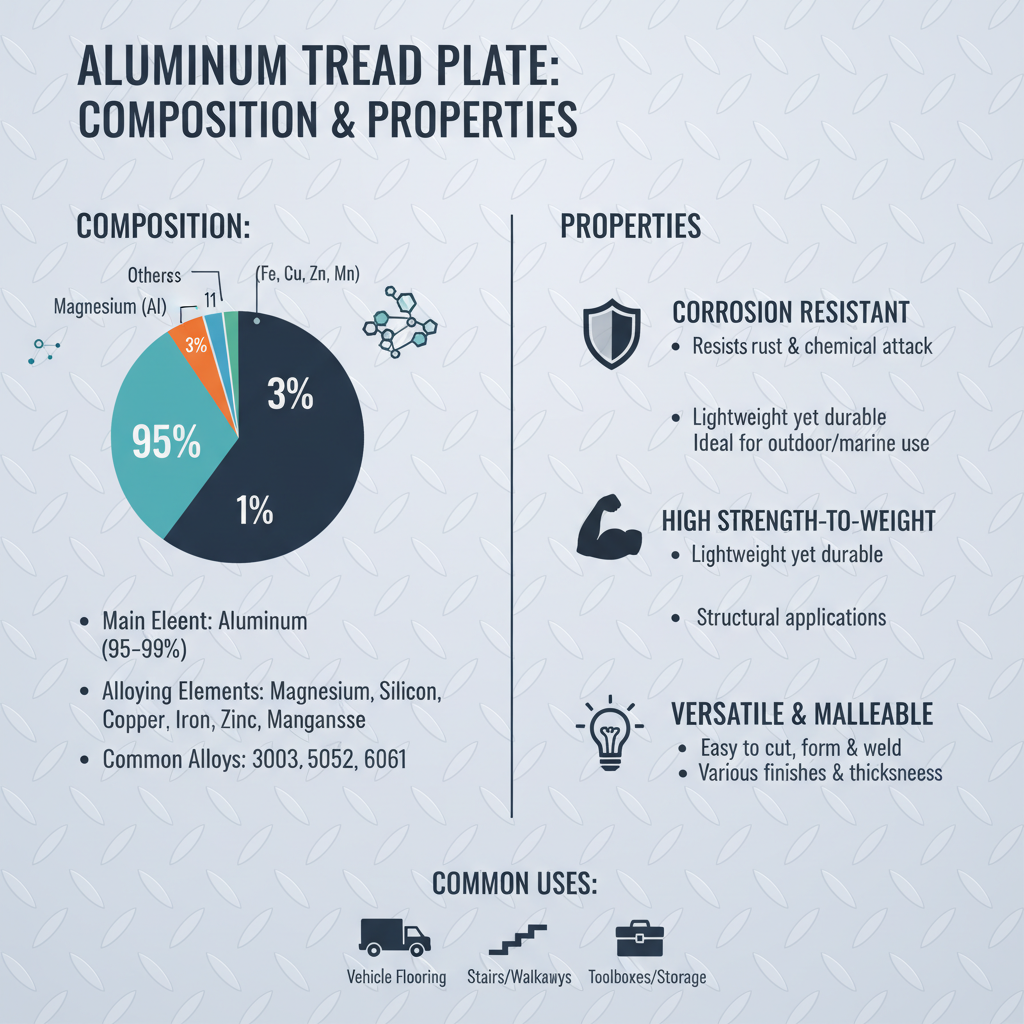
Aluminum tread plate typically consists of 3003, 5052, or 6061 aluminum alloys, each offering distinct characteristics that directly impact cutting methodology. The 3003 alloy provides excellent corrosion resistance and formability, making it ideal for decorative applications. The 5052 variant offers superior strength and marine-grade corrosion resistance, while 6061 delivers exceptional structural properties through heat treatment.
The raised diamond or bar pattern creates thickness variations across the surface, typically ranging from 0.063 inches to 0.375 inches for the base material, with pattern heights adding 0.020 to 0.125 inches. This dimensional variance requires careful tool selection and cutting parameter adjustments to prevent binding, chipping, or pattern deformation.
Material hardness varies significantly between alloys. The 3003 alloy measures approximately 28 HB on the Brinell scale, while 6061-T6 reaches 95 HB. This hardness differential directly influences cutting speed, tool wear rates, and required cutting forces.
Essential Tools and Equipment Selection Matrix
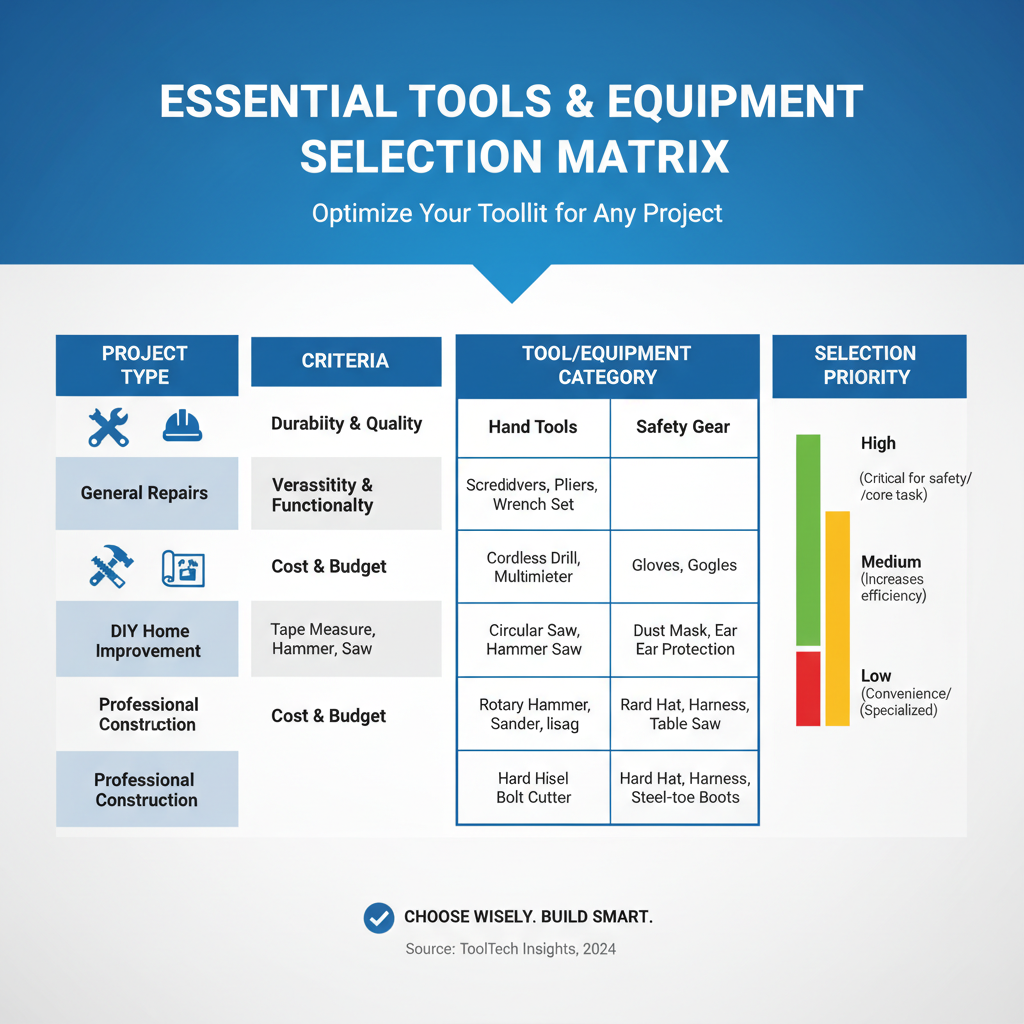
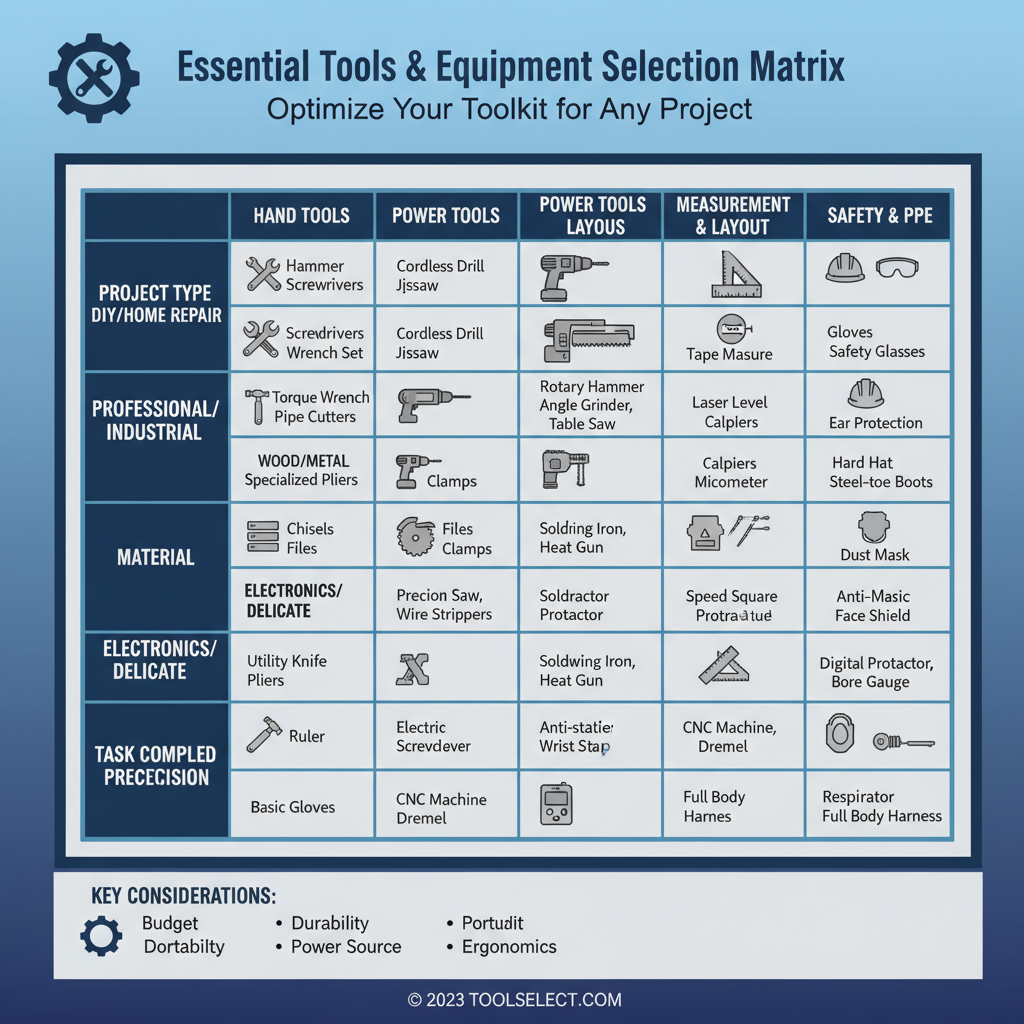
Power Tool Categories for Different Applications
Circular Saws with Specialized Blades
Circular saws equipped with carbide-tipped blades featuring 60-80 teeth provide optimal results for aluminum tread plate up to 0.25 inches thick. The high tooth count ensures smooth cuts while minimizing burr formation. Blade geometry should feature a negative rake angle between -5° and -10° to prevent aggressive cutting that can cause material grabbing.
Jigsaw Applications for Curved Cuts
Variable-speed jigsaws excel at intricate cuts and curves in thinner tread plate materials. Select bi-metal blades with 14-18 TPI (teeth per inch) for aluminum-specific applications. The reciprocating action requires careful speed control—typically 1,500-2,500 SPM for optimal chip evacuation.
Plasma Cutting for Heavy-Duty Applications
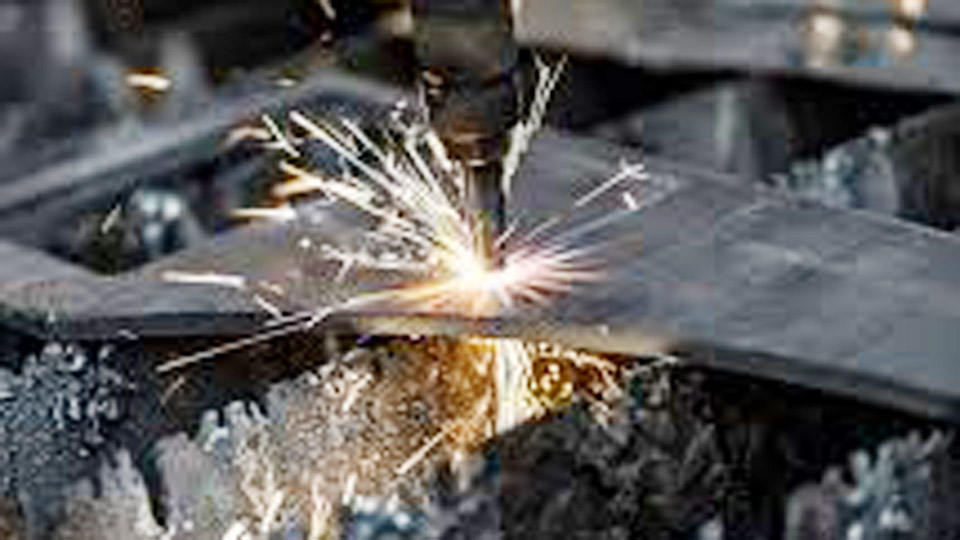
Plasma cutters handle thick aluminum tread plate efficiently, particularly materials exceeding 0.375 inches. Modern inverter-based units operating at 40-60 amps provide clean cuts with minimal heat-affected zones. Compressed air plasma systems work effectively for most applications, while nitrogen plasma delivers superior edge quality for critical applications.
Band Saw Precision Cutting
Horizontal and vertical band saws offer exceptional accuracy for straight cuts. Blade selection requires careful consideration—bi-metal blades with 10-14 TPI work optimally for aluminum tread plate. Cutting speeds should range from 200-400 SFPM (surface feet per minute) depending on material thickness.
Cutting Tool Comparison Table
| Tool Type | Max Thickness | Cut Quality | Speed | Cost | Best Application |
|---|---|---|---|---|---|
| Circular Saw | 0.25″ | Excellent | Fast | Low | Straight cuts, production |
| Jigsaw | 0.125″ | Good | Moderate | Low | Curves, detailed work |
| Plasma Cutter | 2″+ | Very Good | Very Fast | High | Heavy plate, industrial |
| Band Saw | 6″+ | Excellent | Slow | Moderate | Precision, thick material |
| Angle Grinder | 0.375″ | Fair | Fast | Very Low | Rough cuts, demolition |
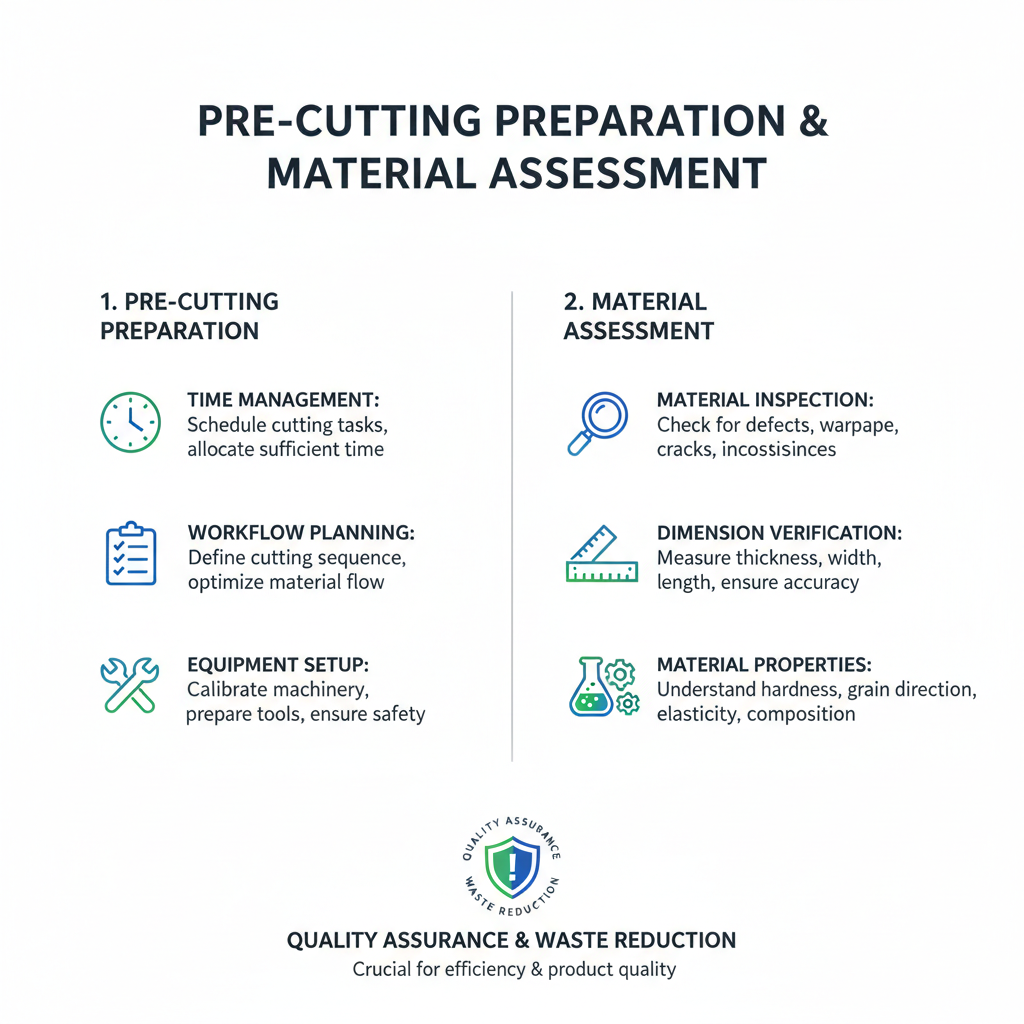
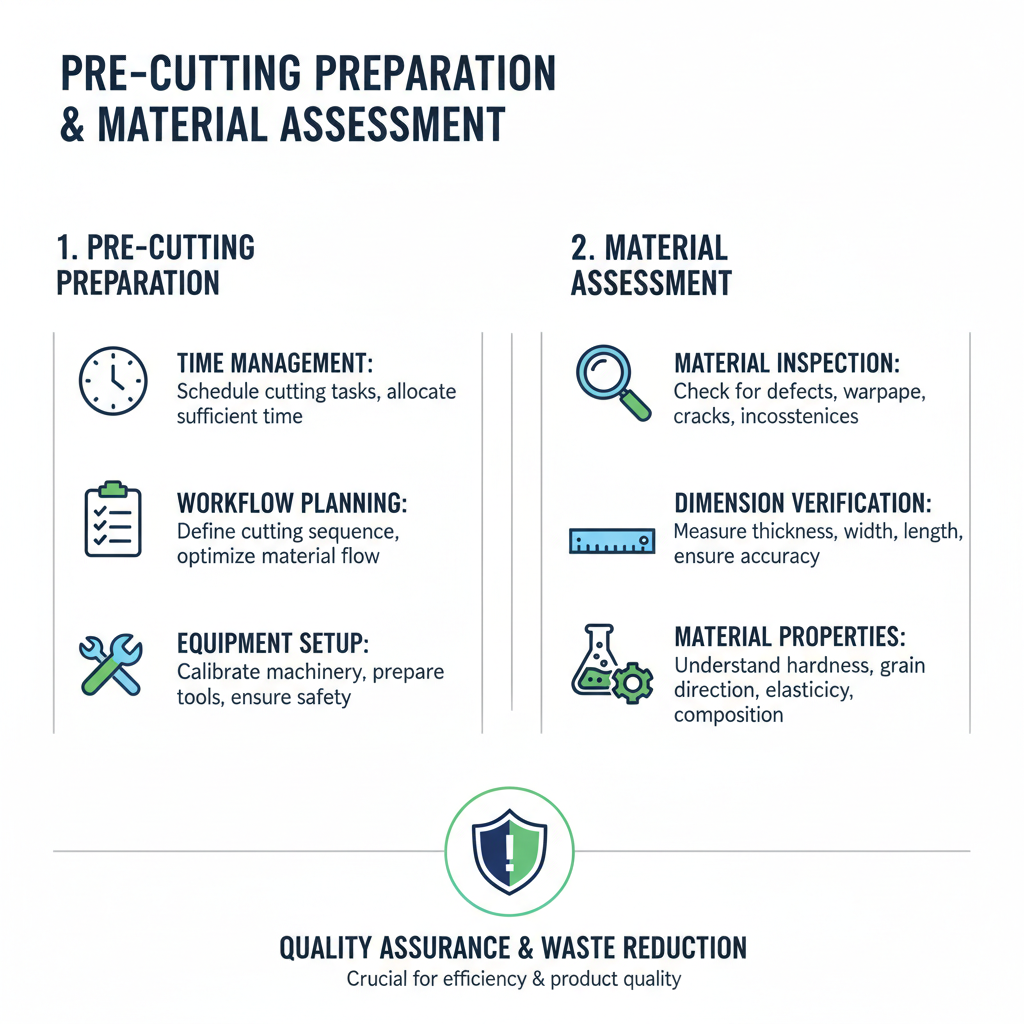
Pre-Cutting Preparation and Material Assessment
Surface Preparation Protocols
Clean the aluminum tread plate thoroughly using degreasing agents to remove manufacturing oils, dirt, and oxidation. Acetone or commercial aluminum cleaners effectively remove contaminants that can interfere with cutting accuracy or cause premature tool wear.
Inspect the material for defects including cracks, inclusions, or thickness variations that might affect cutting performance. Use precision measuring tools to verify actual thickness, as nominal specifications can vary by ±0.005 inches in standard manufacturing tolerances.
Layout and Marking Techniques
Accurate layout forms the foundation of professional cutting results. Use aluminum-compatible marking tools including:
* Scribe lines: Create permanent reference marks using carbide-tipped scribes
* Layout dye: Apply blue or red layout fluid for enhanced visibility
* Chalk lines: Provide straight-line references for long cuts
* Center punches: Mark drill points and reference locations
Measure twice, cut once remains the cardinal rule. Verify all dimensions using precision measuring instruments including steel rules, squares, and calipers calibrated to ±0.001 inches accuracy.
Workpiece Securing and Support Systems
Proper material support prevents vibration, binding, and dimensional distortion during cutting. Implement these securing methods:
Clamping Strategies
Use padded clamps to prevent surface marring while maintaining firm grip pressure. Position clamps close to the cut line without interfering with tool movement. For large sheets, employ multiple clamps spaced 18-24 inches apart.
Support Table Configuration
Construct auxiliary support tables using adjustable sawhorses or dedicated cutting tables. Ensure the support surface remains level within 0.030 inches across the entire work area. Use sacrificial backing boards to prevent cut-through damage to permanent surfaces.
Step-by-Step Cutting Procedures by Tool Type
Circular Saw Cutting Methodology
Setup and Blade Selection
Install a carbide-tipped blade designed specifically for aluminum cutting. Verify blade sharpness—dull blades generate excessive heat and produce poor edge quality. Set cutting depth 0.125 inches deeper than material thickness to ensure complete penetration without excessive blade exposure.
Cutting Technique Execution
1. Position the saw base plate firmly against the material surface
2. Align the blade with the marked cut line using the saw’s guide system
3. Start the saw and allow it to reach full RPM before engaging the material
4. Maintain steady forward pressure while avoiding aggressive feeding
5. Complete the cut in a single pass to prevent step marks or dimensional variations
Feed Rate Optimization
Maintain feed rates between 10-20 inches per minute for optimal chip formation and heat dissipation. Excessive feed rates cause blade binding and poor surface finish, while insufficient rates generate excessive heat buildup.
Plasma Cutting Advanced Techniques
Equipment Setup Parameters
Configure plasma cutter amperage based on material thickness using manufacturer specifications. Typical settings range from 20 amps for 0.125-inch material to 60 amps for 0.75-inch plate. Adjust cutting speed inversely with thickness—faster speeds for thin materials, slower speeds for thick sections.
Torch Positioning and Movement
Maintain consistent torch height using automatic height control systems or manual techniques. Optimal standoff distance typically measures 0.125-0.250 inches from the material surface. Move the torch at steady speeds ranging from 60-200 IPM depending on thickness and desired edge quality.
Gas Selection Impact
Compressed air provides adequate results for most applications while offering cost advantages. Nitrogen plasma delivers superior edge quality with reduced oxidation but increases operating costs. Argon-hydrogen mixtures excel for thick sections requiring maximum cut quality.
Jigsaw Precision Cutting Methods
Blade Selection Criteria
Choose bi-metal blades with appropriate TPI ratings based on material thickness. Thin materials (under 0.125 inches) require 18-24 TPI, while thicker sections work optimally with 10-14 TPI blades. Ensure blade length exceeds material thickness by at least 1 inch.
Cutting Speed Control
Variable speed control enables optimization for different cutting conditions. Start at moderate speeds (1,500-2,000 SPM) and adjust based on cutting performance. Excessive speeds cause blade wandering and poor edge quality, while insufficient speeds promote blade binding.
Curve Cutting Techniques
Execute tight radius cuts using relief cuts to prevent blade binding. Make multiple straight cuts to remove waste material before attempting curved sections. Maintain steady forward pressure while allowing the blade to follow its natural cutting path.
Advanced Cutting Considerations and Variables
Thickness-Dependent Parameter Adjustments
Thin Plate Cutting (Under 0.125 inches)
Thin aluminum tread plate requires careful handling to prevent distortion and vibration. Use higher cutting speeds with fine-tooth blades to maintain smooth cuts. Support the material close to the cut line using auxiliary supports or vacuum tables.
Medium Thickness Applications (0.125-0.375 inches)
Medium thickness materials offer optimal cutting characteristics for most tools. Standard cutting parameters apply with moderate feed rates and conventional blade selections. Monitor cutting temperatures to prevent excessive heat buildup.
Heavy Plate Cutting (Over 0.375 inches)
Thick sections require reduced cutting speeds and increased cutting forces. Plasma cutting becomes the preferred method due to superior penetration capabilities and reduced mechanical stress on the material.
Alloy-Specific Cutting Modifications
3003 Alloy Characteristics
The soft, ductile nature of 3003 aluminum requires sharp cutting tools and moderate cutting speeds to prevent material smearing. Use positive rake angle tools when possible to reduce cutting forces and improve chip evacuation.
5052 Alloy Considerations
Higher strength 5052 alloy demands increased cutting forces and may require tool geometry modifications. Work hardening characteristics necessitate continuous cutting without interruption to prevent hardness buildup at the cut interface.
6061 Alloy Parameters
Heat-treated 6061 aluminum offers excellent machinability but requires careful temperature control to prevent strength loss in the heat-affected zone. Use flood cooling or intermittent cutting to manage thermal input.
What Most Guides Miss: Advanced Insider Insights
Heat Management and Thermal Control
Professional fabricators understand that aluminum’s high thermal conductivity creates unique cutting challenges rarely addressed in standard guides. The material’s ability to conduct heat rapidly can cause warping in thin sections while simultaneously creating heat buildup at the cutting interface.
Implement thermal management strategies including:
Intermittent Cutting Cycles
For precision applications, employ cutting cycles with planned cooling intervals. Cut for 30-60 seconds, then pause for 15-30 seconds to allow heat dissipation. This technique prevents thermal distortion while maintaining dimensional accuracy.
Coolant Application Methods
Flood cooling using water-soluble cutting fluids dramatically improves cut quality and tool life. For portable applications, use mist cooling systems or apply cutting wax to the blade teeth. Even simple water application can reduce cutting temperatures by 40-60°F.
Pattern Preservation Techniques
The raised tread pattern creates stress concentrations that can cause cracking or deformation during cutting. Professional techniques include:
Pattern Orientation Optimization
Orient cuts perpendicular to the pattern direction when possible to minimize stress concentration effects. Diagonal cuts across diamond patterns create the highest stress levels and should be avoided for critical applications.
Edge Preparation Methods
Chamfer or radius the cut edges to eliminate sharp corners that can initiate crack propagation. Use hand files or pneumatic die grinders with carbide burrs to create 0.030-0.060 inch chamfers on all cut edges.
Precision Measurement During Cutting
Real-time dimensional verification prevents costly errors and material waste. Implement these measurement protocols:
Progressive Measurement Techniques
Stop cutting at 25%, 50%, and 75% completion points to verify dimensional accuracy. Use precision measuring instruments to confirm cut location within specified tolerances before proceeding.
Thermal Expansion Compensation
Account for thermal expansion during cutting operations. Aluminum expands approximately 0.000013 inches per inch per degree Fahrenheit. For precision applications, measure material temperature and apply appropriate corrections.
Safety Protocols and Personal Protective Equipment
Comprehensive PPE Requirements
Eye and Face Protection
Use safety glasses with side shields as minimum protection. For plasma cutting operations, employ welding helmets with appropriate shade ratings—typically shade 5-8 for aluminum plasma cutting. Ensure all eye protection meets ANSI Z87.1 standards.
Respiratory Protection
Aluminum cutting generates fine particulates that can cause respiratory irritation. Use NIOSH-approved dust masks for mechanical cutting operations. Plasma cutting requires supplied-air respirators due to ozone and nitrogen oxide generation.
Hearing Conservation
Implement hearing protection for all power tool operations. Circular saws typically generate 90-100 dB noise levels, requiring foam earplugs or noise-reducing headphones rated for industrial applications.
Workshop Ventilation and Fire Prevention
Ventilation System Design
Install local exhaust ventilation systems to capture cutting fumes and particulates at the source. Maintain air velocity of 100-200 feet per minute across the cutting area to ensure effective capture.
Fire Safety Measures
Keep Class D fire extinguishers readily available for aluminum fire suppression. Standard ABC extinguishers can react violently with burning aluminum. Maintain clean work areas free of combustible materials and cutting debris.
Troubleshooting Common Cutting Problems
Edge Quality Issues and Solutions
Burr Formation Prevention
Excessive burr formation typically results from dull cutting tools, incorrect feed rates, or inadequate material support. Replace worn blades immediately, reduce feed rates by 25-30%, and ensure proper workpiece clamping.
Surface Finish Optimization
Poor surface finish often indicates incorrect cutting parameters or tool selection. For critical applications requiring smooth edges, use finishing passes at reduced feed rates with sharp, fine-tooth cutting tools.
Dimensional Accuracy Problems
Cut Line Wandering
Blade wandering during cutting usually results from inadequate material support, dull cutting tools, or excessive feed rates. Implement proper support systems, maintain sharp tools, and reduce cutting speeds until straight cuts are achieved.
Thermal Distortion Control
Heat-induced warping affects dimensional accuracy in thin materials. Use backing plates, implement cooling strategies, and consider stress-relief cuts in large panels to prevent distortion.
Quality Control and Inspection Procedures
Dimensional Verification Methods
Precision Measurement Protocols
Verify all critical dimensions using calibrated measuring instruments. Check cut angles using precision squares and protractors. Measure edge straightness using steel straightedges and feeler gauges to ensure compliance with project specifications.
Surface Quality Assessment
Inspect cut edges for defects including cracks, tears, or excessive roughness. Use visual inspection supplemented by tactile examination to identify surface irregularities that might affect subsequent operations.
Documentation and Process Control
Cutting Parameter Records
Maintain detailed records of cutting parameters including tool types, speeds, feed rates, and material specifications. This documentation enables process optimization and troubleshooting for future projects.
Quality Metrics Tracking
Establish quality metrics including dimensional accuracy, surface finish ratings, and tool life data. Track these parameters over time to identify trends and optimize cutting processes.
Frequently Asked Questions
What blade type works best for cutting aluminum tread plate?
Carbide-tipped circular saw blades with 60-80 teeth and negative rake angles provide optimal results for most aluminum tread plate applications.
Can I use a standard steel-cutting blade on aluminum?
No, steel-cutting blades have incorrect tooth geometry and can cause aluminum buildup, leading to poor cuts and potential safety hazards.
How do I prevent the aluminum from melting during cutting?
Maintain sharp cutting tools, use appropriate cutting speeds, and implement cooling strategies such as cutting fluid application or intermittent cutting cycles.
What’s the maximum thickness I can cut with a circular saw?
Most circular saws effectively cut aluminum tread plate up to 0.25 inches thick, though specialized blades and techniques can extend this to 0.375 inches.
Why does my cut edge have burrs?
Burr formation typically results from dull cutting tools, excessive feed rates, or inadequate material support. Address these factors to achieve clean cuts.
How do I cut curves in aluminum tread plate?
Use a variable-speed jigsaw with bi-metal blades designed for aluminum. Make relief cuts for tight radii and maintain steady cutting speeds.
What safety equipment is essential for aluminum cutting?
Essential PPE includes safety glasses, hearing protection, dust masks, and appropriate clothing. Plasma cutting requires additional respiratory and eye protection.
Professional Implementation Strategy
Master aluminum tread plate cutting by starting with simple straight cuts using circular saws before progressing to more complex operations. Practice parameter optimization on scrap materials to develop technique and confidence. Invest in quality cutting tools and maintain them properly for consistent results across all your fabrication projects.