
Fixing Hobart welder wire feed problems is something I’ve had to do more times than I care to admit. One day the machine feeds smooth as butter, and the next it’s sputtering, bird-nesting, or barely pushing wire through the liner. I’ve chased everything from worn drive rollers and kinked liners to the wrong wire diameter, dirty contact tips, and tension that was either way too tight or way too loose.
Whether you’re running flux core or solid wire with gas, proper wire feed speed, arc control, and even basic joint prep all go out the window when the machine can’t feed consistently. And since Hobart machines are popular with DIY welders and pros alike, these issues show up all the time — costing you weld quality, time, and a whole lot of frustration.
I’ll walk you through the exact steps I use in the shop to diagnose and fix wire feed issues on a Hobart, so you can get back to laying smooth, steady beads without the headache.
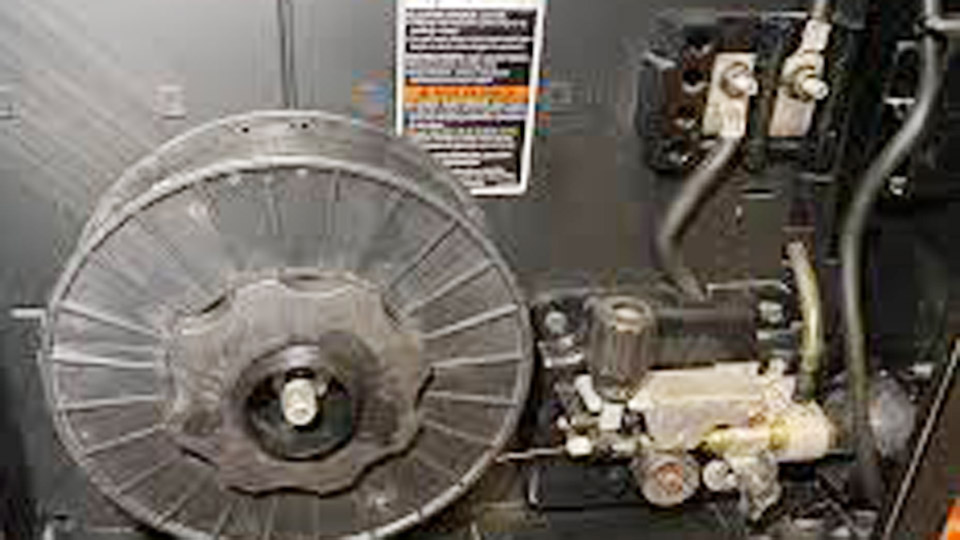
Image by I See You Don’t Know Shit About Welding
Why Wire Feed Problems Will Ruin Your Weld (And Your Mood)
Nothing kills momentum like watching perfect 75/25 gas flow out the nozzle while absolutely zero wire comes with it. Inconsistent feed means spatter, cold lap, burn-through, and welds that look like bird crap. On a paid job that can cost you call-backs.
In the hobby world it just pisses you off and wastes expensive wire and gas. Worst case, you start cranking voltage and wire speed to compensate and end up with a weld that fails inspection or breaks the first time somebody actually uses the part. Fixing the feeder right the first time saves money, time, and keeps you safe.
First Thing I Check: Drive Roll Tension (The Most Common Culprit)
Nine times out of ten the problem is the drive roll squeezing either too hard or too soft. Hobart puts that little spring-loaded arm on the tensioner for a reason. Too loose and the knurled roll just polishes the wire instead of biting. Too tight and you shave aluminum flakes or deform soft wire like 0.030 or 0.035 E70S-6 until it birdnests inside the gun liner.
I back the knob off completely, feed some wire by hand while slowly tightening until I feel the roll just start to grab, then go another half-turn. That’s usually perfect. If I’m running Lincoln SuperGlide or some of the cheaper imported stuff that’s slightly out of round, I might give it another quarter turn. You can feel it in your fingers when it’s right.
Matching the Right Drive Roll to Your Wire
Hobart ships most Handlers with a dual-groove .030/.035 knurled V-groove roll. That works great for mild steel solid wire, but if you’re feeding flux-core like I do on the farm when I don’t want to drag a bottle outside, flip that roll around to the knurled U-groove made for flux-core. Using the wrong groove is like trying to push a rope.
Same thing with aluminum: you need a smooth or polished U-groove roll and a Teflon or nylon liner. I learned that the hard way spooling up some 5356 on a buddy’s Handler 140 with the steel roll still in it. Thirty seconds in we had the mother of all birdnests.
Liner Issues That Drive Me Nuts
A clogged or wrong liner is the second biggest headache. I cut the liner about 1/8 inch short of the contact tip when it’s new, but after a couple hundred feet of wire it gets full of grinding dust, spatter, and shaved metal. When that happens the wire hangs up like a Chevy on a muddy back road.
I pull the whole liner out, blow it backwards with shop air (outside, wearing a mask), and run a liner reamer if I have one. If it’s really trashed I just buy a new one — they’re twenty-five bucks and worth every penny. Pro move: mark the liner length with a Sharpie before you pull it so you trim the new one exactly right.
Contact Tip Life and Why I Change Them More Than I Want To
I used to run contact tips until they looked like mushrooms. Bad idea. An oversized bore or spatter buildup makes the arc wander and the wire feeds erratic. I keep a little baggie of 0.035 tips in the toolbox and swap them every spool or two. While I’m in there I check the diffuser too — if the gas holes are half plugged you get porosity anyway, so clean or replace.
Gun and Cable Kinks That Sneak Up on You
Coil the MIG gun the way Hobart says — big loops, never tight figure-eights. I’ve seen guys wrap the lead tight around the machine to “save space” and then wonder why the wire stops halfway through a weld. A sharp bend collapses the liner and the wire jams every time. Same thing if you run over the lead with the forklift (don’t laugh, I’ve done it).
Spool Tension and Brake Problems
That little wing nut on top of the spindle isn’t decoration. Too tight and the motor has to fight the spool, overheats the driver, and you get inconsistent feed. Too loose and the spool overruns when you stop triggering, dumping a birdnest into the drive rolls. I set mine so the spool just stops turning about a second after I let go of the trigger. Takes ten seconds to dial in and saves hours of swearing.
Voltage and Wire Speed Settings That Actually Work
People chase symptoms with the knobs instead of fixing the root cause, but once the mechanical stuff is right you still need the settings in the ballpark. On my Handler 190 running 0.030 wire and C25 gas I usually live around door setting 4–5 and wire speed 50–60 for 1/4-inch mild steel.
If the wire starts stubbing or burning back into the tip, back the wire speed down first before you touch voltage. Hobart’s door charts are honestly pretty dang good — start there and tweak from experience.
Quick Comparison: Common Hobart Models and Their Quirks
| Model | Typical Issue I See Most | My Go-To Fix |
|---|---|---|
| Handler 140 | Undersized motor, liner clogs fast | Keep liner trimmed short, light tension |
| Handler 190 | Drive roll bearing wears | Replace with genuine Hobart roll kit |
| IronMan 230 | Trigger switch gets sticky | Clean or swap the whole gun switch |
| Beta-MIG 250 | Old plastic drive housing cracks | Upgrade to newer metal tension arm |
Burnback and How to Stop It From Eating Your Tips
If the wire keeps feeding a half-second after you release the trigger and welds itself to the tip, you’ve got burnback. Hobart has a burnback adjustment inside some models, but on the Handlers I just dial the slope down a hair or move the gun a little faster at the end of the weld. Worst case, add a half-inch stickout and it rarely happens.
Aluminum Feeding Tips That Actually Work
Aluminum wire is soft and loves to tangle. I use a spool gun when I can, but when I’m stuck with push feeder I run a Teflon liner, U-groove polished rolls, and keep tension baby-bottom light. I also inlet the gas at 30–35 CFH instead of 20 because aluminum likes a bigger envelope. Takes patience, but once it’s dialed you can lay some beautiful stack-of-dimes beads.
When It’s Time to Call Hobart (Or Just Order Parts)
If you’ve done everything above and it still acts up, check the control board relay or the motor itself. I’ve replaced a handful of motors over the years — usually after somebody ran straight CO2 on a machine not rated for it and cooked the windings.
Hobart’s customer service in Troy, Ohio will actually talk you through diagnostics on the phone and overnight parts if you’re nice to them.
Key Takeaways From Years of Fixing These Things
Get the mechanical side perfect first — tension, liner, drive roll, contact tip. Ninety percent of “my welder is broken” calls are one of those four things. Keep spare tips, a spare liner, and an extra set of drive rolls in the truck and you’ll almost never lose a day. Treat the gun lead like it’s made of glass and your problems drop in half.
One pro tip I’ll leave you with: every Friday afternoon I spend ten minutes blowing out the gun, checking tension, and swapping the tip whether it needs it or not. That habit alone has saved me more downtime than any fancy tool I’ve ever bought.
Next time the wire quits feeding, don’t throw the gun across the shop — run through this checklist and you’ll be laying perfect beads again before the coffee gets cold.
FAQs
Why does my Hobart welder keep birdnesting at the drive rolls?
Birdnesting is almost always drive roll tension too loose, wrong groove for the wire, or a kinked liner. Loosen tension all the way, hand-feed wire while slowly tightening until it grabs, then add half a turn.
Can I run flux-core wire in my Handler 190 without changing polarity?
Yes — just swap the leads inside the front panel to negative ground for flux-core (DCEP to DCEN). Hobart makes it easy with quick-connect terminals and a sticker showing which way.
How often should I replace the MIG gun liner on a Hobart?
If you weld daily, every 6–8 spools. Weekend warriors can usually go a couple years unless you’re grinding right next to the gun and sucking debris in.
Why does the wire feed slow down when the machine gets hot?
The motor thermal overload is kicking in. Clean the fan intake, check drive roll tension (overtight makes it work harder), and give it a ten-minute break. Happens a lot in summer when the shop hits 95°.
Is it worth upgrading to a spool gun for aluminum on a Handler 140?
For occasional aluminum repairs, yes. Push-feeding aluminum through 12 feet of regular liner is asking for trouble. A Spoolmate 100 pays for itself in frustration saved.