
When I first started working with thin-gauge steel, MIG welding without burning through felt like a constant battle. I’d get a bead going, think everything was dialed in, and then — fssst — the puddle would fall out and leave a hole right where I didn’t want one.
It doesn’t matter if you’re switching from TIG, experimenting with different filler wires, or trying to match your wire feed speed to the metal thickness — thin metal punishes every mistake. Too much heat, slow travel, poor joint prep, or sloppy arc control can turn a simple project into a patch-and-grind marathon.
Learning how to manage heat input with MIG is the real secret to clean, strong welds that don’t warp or blow through. I’ll show you the practical, shop-tested techniques that make MIG welding thin metal a whole lot easier — and a whole lot less frustrating.
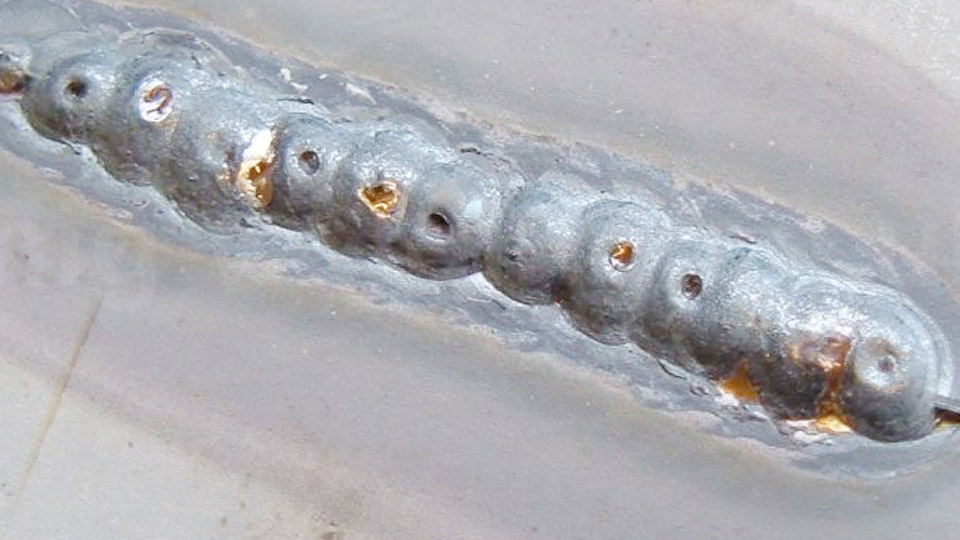
Image by mig-welding.co.uk
Understanding Thin Metal in MIG Welding
When we talk about thin metal in MIG welding, we’re generally referring to sheets or plates under 1/8 inch thick, often in the 18 to 24 gauge range for steel, or even thinner for aluminum like 0.040 inches. This is the stuff you’ll encounter in bodywork, exhaust systems, or artistic metal sculptures.
Why does thickness matter? Thinner materials have less mass to absorb heat, so the arc from your MIG gun can quickly overwhelm them, leading to burn-through or excessive warping that twists your workpiece out of shape.
In my experience, starting with the right mindset helps. I remember my first big mistake on a thin aluminum panel—I cranked up the amps thinking more power meant better penetration, but I ended up with a hole big enough to stick my finger through.
Lesson learned: thin metal requires finesse, not force. It’s all about balancing heat input with travel speed and technique to create a solid fusion without destroying the base material.
Semantic terms like “sheet metal welding” or “low-heat MIG” often pop up in searches because folks are looking for ways to handle these delicate jobs.
For US-based welders, sticking to materials compliant with ASTM standards ensures compatibility, especially if you’re working on projects that might need inspection down the line.
Common Challenges with Thin Metal Welding
The biggest hurdles? Burn-through, distortion, and poor bead appearance. Burn-through occurs when the molten puddle eats through the metal, often from too much voltage or lingering too long in one spot. Distortion comes from uneven heating, causing the metal to expand and contract at different rates, which can ruin precise fits in fabrication.
I’ve dealt with this on motorcycle tanks, where even slight warping meant hours of hammering to straighten. Porosity is another issue—tiny gas pockets from inadequate shielding that weaken the weld. And let’s not forget about incomplete fusion, where the weld doesn’t fully bond, leading to cracks under load.
These challenges matter because in real applications, like trailer repairs or furniture assembly, a failed weld can mean safety risks or costly do-overs.
To tackle them, focus on preparation and control. Cleanliness is key; any rust or oil amplifies heat issues.
Practical tip: always test on scrap pieces matching your project’s gauge. It’s saved me from ruining client work more times than I can count.
Choosing the Right MIG Welder for Thin Sheets
Picking a machine that can handle low amperage outputs is crucial for thin metal. Entry-level 110V units like the Lincoln Electric Handy MIG or Hobart Handler 140 are great starters for DIYers, as they dial down to around 30-40 amps without sputtering.
For pros, something with synergic controls, like the Miller Multimatic 215, lets you input material thickness and it auto-adjusts voltage and wire speed—super handy in a busy shop.
Why does the welder matter? Cheaper models might not maintain a stable arc at low settings, leading to erratic beads and more burn-through. I upgraded to a machine with pulse capabilities years ago, and it transformed my thin metal work, reducing heat input by 20-30% on average.
Look for features like adjustable inductance for smoother arcs on thin stuff. In the US, ensure it’s UL-listed for safety. Budget around $300-800 for a solid setup; it’s an investment that pays off in fewer mistakes.
Adjusting Voltage and Wire Speed for Thin Metal
Settings are where the magic happens. For 18-20 gauge mild steel, start with 14-16 volts and wire speed around 150-200 IPM using 0.023-inch wire. Too high voltage penetrates too deeply; too low, and you get poor fusion. Wire speed controls deposition—faster means more filler, but on thin metal, keep it moderate to avoid buildup.
I always fine-tune by listening: a smooth “frying bacon” sound means you’re in the zone. If it’s popping, drop the voltage. For aluminum, bump voltage to 17-19 and use pure argon for better arc stability.
Here’s a quick comparison table for common thicknesses:
| Material Thickness | Voltage (Volts) | Wire Speed (IPM) | Gas Flow (CFH) |
|---|---|---|---|
| 24 gauge steel | 13-15 | 120-160 | 15-20 |
| 20 gauge steel | 14-16 | 150-200 | 18-22 |
| 18 gauge steel | 15-17 | 180-220 | 20-25 |
| 0.040″ aluminum | 16-18 | 200-250 | 20-25 (Argon) |
Test these on scrap—every machine varies slightly due to power source or cord length.
Selecting the Proper Wire for Thin Metal MIG Welding
Wire choice can make or break your weld. For thin steel, go with ER70S-6 in 0.023-inch diameter—it’s the thinnest common size, feeding smoothly at low amps without overwhelming the puddle. Thicker wires like 0.030-inch add too much heat and filler, increasing burn-through risk.
Why ER70S-6? It has deoxidizers for cleaner welds on mildly rusty metal, common in US shops. For stainless, ER308L works well on thin gauges, resisting corrosion in food-grade or marine apps.
Anecdote: On a thin exhaust project, switching to smaller wire cut my burn-throughs by half. Pros: finer control, less spatter. Cons: feeds slower, so stock up on spools. Always match wire to base metal for compatibility.
Best Shielding Gas Mixtures for Thin Materials
Shielding gas protects the weld from contamination. For thin mild steel, a 75/25 argon/CO2 mix is gold—argon stabilizes the arc, CO2 adds penetration without excess heat. Avoid 100% CO2 on thin stuff; it’s too hot and spattery.
For aluminum, pure argon is essential, as it conducts heat better and prevents oxidation. Flow rates? 15-25 CFH—too low invites porosity, too high wastes gas and stirs the puddle.
In my workshop, I keep separate tanks for steel and aluminum to avoid mix-ups. Tip: Check for drafts; they disrupt gas coverage, leading to weak welds. This setup aligns with AWS guidelines for clean, strong joints.
Preparing Your Thin Metal for MIG Welding
Prep work is non-negotiable. Start by cleaning: wipe with acetone or grind off mill scale, rust, or paint. Contaminants cause porosity or erratic arcs, amplifying burn-through on thin edges.
Fit-up matters hugely—gaps over 1/32 inch invite holes, so clamp tightly. For butt joints, bevel edges slightly if needed, but on super thin, aim for square edges.
Personal story: I once skipped cleaning on a hurry job and ended up with bubbly welds that cracked. Now, I always degrease and wire brush. Use anti-spatter spray sparingly; it can contaminate if overdone.
Joint Design Tips for Thin Sheets
For thin metal, lap or T-joints are forgiving, distributing heat better than butts. In butts, use a backing bar if possible to absorb excess heat.
Design for minimal distortion: stagger welds or use fixtures. In fabrication, this ensures parts align post-weld, saving grinding time.
Tip: For automotive panels, overlap 1/2 inch for strength without added weight. Follow US codes like AWS D1.3 for sheet metal if it’s structural.
MIG Welding Techniques to Prevent Burn-Through
Techniques are your best defense. Push the gun at a 10-15 degree angle—it directs heat away from the puddle’s center, cooling the leading edge.
Avoid pulling; it piles heat and burns through faster. Travel speed: faster than on thick stock, around 20-30 IPM, to limit exposure.
I’ve used this on thin trailer floors, pushing steadily for flat, even beads.
The Stitch Welding Method for Thin Metal
Stitch welding is a game-changer: lay short 1/2-1 inch beads, skip ahead 2-3 inches, then fill gaps after cooling. This disperses heat, preventing accumulation.
When to use? On long seams like body panels to avoid warping. Why? Each stitch cools before the next, maintaining flatness.
Tip: Start at the center and work out for even contraction. Common mistake: continuous beads—fix by practicing pauses. I’ve stitched entire truck beds this way, no distortion.
Pros: Reduces heat, easy for beginners. Cons: Takes longer, but worth it for quality.
Using Pulse MIG for Thin Materials
If your welder has pulse mode, engage it—it alternates high/low current, reducing average heat by up to 30%. Great for stainless or aluminum thin sheets.
How it works: Peak current penetrates, background cools the puddle. When? For precision work like aerospace mockups.
In my shop, pulsing saved a thin alloy project from warping. Tip: Set pulse frequency to 1-2 Hz for thin stuff. Mistake: Ignoring it on capable machines—activate for better results.
Backing Bars and Heat Sinks in Thin Metal Welding
Clamp a copper or aluminum bar behind the joint—it absorbs heat without sticking to the weld. Ideal when access allows, like on bench work.
Why? Prevents blow-through by dissipating energy. Use on thin gauges under 20.
Anecdote: On a sculpture, a brass backing let me weld 24 gauge without holes. Tip: Polish the bar for easy removal. Avoid if no access, like in tubes.
Step-by-Step Guide to MIG Welding Thin Metal
Let’s break it down like I’m showing you in the shop.
- Gather gear: MIG welder, 0.023″ wire, 75/25 gas, clamps, PPE.
- Prep metal: Clean, fit tightly, clamp securely.
- Set machine: 14-16V, 150-200 IPM for 20 gauge steel.
- Tack weld: Small spots every 2 inches to hold shape.
- Weld: Push gun, stitch method, fast travel. Pause to cool.
- Inspect: Check for holes, grind if needed.
- Finish: Anti-corrosion coat if outdoors.
Follow this, and you’ll get pro-level results. Adjust for material—aluminum needs higher speed.
Common Mistakes When MIG Welding Thin Metal
Overheating from slow travel or high amps is top. Fix: Speed up, dial down.
Poor fit-up causes gaps and burn-through—clamp better.
Ignoring cooling leads to warps—always pause.
I’ve fixed warps with hammers, but prevention is better.
How to Fix Burn-Through in Thin Metal
If you blow a hole, stop, cool, then fill with short stitches around it. Use backing if possible.
Prevention: Lower heat, practice technique.
On patches, overlap and stitch carefully.
Safety Considerations for Thin Metal MIG Welding
Thin metal heats fast, so wear full PPE: leather gloves, helmet with shade 9-11, jacket.
Ventilate—fumes from zinc-coated steel are toxic. Use respirators in confined spaces.
Fire watch: Sparks ignite nearby flammables. Keep extinguisher handy.
In US shops, follow OSHA guidelines for eye and lung protection.
Real-World Applications of MIG Welding Thin Metal
In automotive, patch rust on fenders with stitches for seamless repairs.
Fabrication: Build lightweight gates or furniture frames, using pulse for clean looks.
Hobbyists: Custom bike parts, where thin tubes need precise joints.
I’ve welded thin exhausts that lasted years, thanks to proper gas and speed.
MIG Welding Thin Metal in Automotive Repairs
For cars, focus on 18-22 gauge panels. Use ER70S-6, stitch to avoid warps affecting door fits.
Tip: Match OEM metal for compatibility.
Sheet Metal Fabrication Tips with MIG
In shops, fabricate ducts or boxes. Tack heavily, use heatsinks for flatness.
Pros: Fast production. Cons: Requires skill for thin edges.
Conclusion
You’ve now got the guide to tackle MIG welding thin metal without burning through—from settings and prep to techniques like stitching and pulsing. You’re better prepared because understanding heat control means stronger, safer welds that save you money on materials and time on fixes.
Always keep a scrap bin handy for testing; it’s the quickest way to dial in your machine and build confidence before the real job.
Can I MIG weld 18 gauge steel without burn-through?
Absolutely, with the right setup. Use 0.023-inch wire, 15-17 volts, and stitch weld with fast travel. Practice on scraps to avoid continuous beads that build too much heat.
What are the best settings for MIG welding thin aluminum?
For 0.040-inch aluminum, set 16-18 volts, 200-250 IPM wire speed, and pure argon gas. Push the gun and use pulse if available to control heat and prevent oxidation.
How do I prevent warping when MIG welding thin sheet metal?
Minimize warping by tacking every 2 inches, using stitch welding, and allowing cooling between passes. Clamp to a sturdy table and use heatsinks like copper bars to dissipate heat evenly.
What’s the best MIG wire for thin metal?
ER70S-6 in 0.023-inch diameter is ideal for thin steel—it’s fine enough for low-heat applications and cleans up well. For aluminum, try ER4043 for good flow without cracking.
Why does my MIG weld burn through thin metal even at low settings?
It could be slow travel speed or poor fit-up creating gaps. Speed up your movement, ensure tight joints, and check gas coverage—drafts can disrupt the shield and concentrate heat.