
Burn-through is one of those problems that shows up fast and makes you question your settings and technique. Learning how to prevent burn through in welding usually becomes a priority when working with thin sheet metal, patch panels, or light-gauge tubing where one wrong move turns a clean joint into a blown-out mess.
I’ve dealt with it across different processes, and it almost always comes down to managing heat input, arc control, and matching the weld to the metal thickness. Whether you’re running MIG vs TIG, flux core, or stick, poor joint prep, wrong wire or rod size, and staying in one spot too long will get you in trouble.
This matters because burn-through weakens joints, wastes material, and drives up repair costs. Stick with me, and I’ll walk you through practical, shop-tested ways to keep your puddle under control and stop burn-through before it starts.
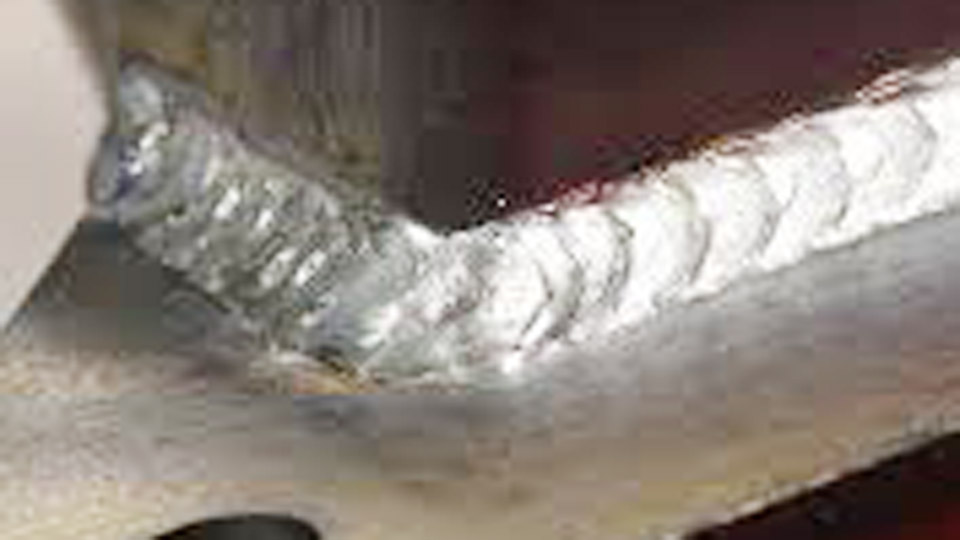
Photo by blackadvtech
What Exactly Is Burn Through and Why Does It Happen?
Burn through is essentially when your weld pool gets so hot that it penetrates completely through the material, creating a hole or thinning it out to the point of failure. It’s most common on thin metals like sheet steel under 1/8 inch thick, aluminum panels, or stainless exhausts.
In processes like MIG or TIG, it shows up as a blown-out spot; in stick welding, it might look like a crater with slag inclusions.
How does it work? Heat from the arc or torch builds up faster than it can dissipate, melting the base metal before the filler can bridge it properly. Factors like high amperage, slow travel speed, or poor joint fit-up amplify this.
I’ve burned through plenty of times early on by cranking the amps too high, thinking more power meant better penetration. Wrong move—it just vaporizes the metal.
You should watch for it anytime you’re welding thin stock, especially on butt joints or laps where heat concentrates. Why bother preventing it? Beyond the obvious rework, it affects penetration control.
Good welds need just enough heat for fusion without excess, avoiding distortion that can throw off alignments in frames or enclosures. In real shop situations, like automotive repairs or HVAC ductwork, burn through means leaks or weak spots that fail inspections.
From my experience, beginners often hit this on their first thin metal projects, like patching a mower deck. Pros aren’t immune either—rushing a job on a hot day can lead to the same issue if you’re not adjusting for ambient temperature, which speeds up heat buildup.
Selecting the Right Welding Process for Thin Materials
Not all welding processes are equal when it comes to thin metals. MIG welding is popular for its speed on sheet metal, but it can cause burn through if not dialed in. TIG offers more control with its foot pedal for amperage, making it ideal for precise work like aluminum bike frames. Stick welding? It’s trickier on thin stuff due to higher heat input, but possible with the right rods.
How each works: MIG uses a continuous wire feed with shielding gas, allowing quick tacks but risking hotspots if voltage is off. TIG’s tungsten electrode lets you pulse the heat, reducing overall input. Stick relies on flux-coated rods that burn to create the arc, but the slag can help dissipate heat if managed well.
Use MIG for production runs on mild steel sheets, like fabbing toolboxes. Switch to TIG for exotic metals or where appearance matters, such as custom railings. Stick is better for outdoor repairs on thicker pipes, but avoid it on anything under 14 gauge unless you’re experienced.
Practical tip: In my shop, I default to MIG for most thin work, but I always keep a TIG setup ready for aluminum. If you’re starting out, practice on scrap—set your MIG to short-circuit transfer mode for less heat.
Common mistake? Using flux-core wire without gas on thin metal; it spits more and burns through easier. Fix it by switching to solid wire with argon-CO2 mix.
Preparing Your Joints to Avoid Excessive Heat Buildup
Joint prep is where half the battle against burn through is won. It’s about creating a setup that distributes heat evenly and allows for proper filler addition without concentrating energy in one spot.
What it involves: Cleaning the edges, beveling if needed, and ensuring tight fit-up. For thin metals, a square butt joint works, but add a slight gap—about the thickness of your wire—to let heat escape.
How to do it: Start by degreasing with acetone, then wire brush oxides. For laps, overlap by at least 1 inch. Bevel thicker edges at 30 degrees to spread the weld.
When to prep this way: Always on thin stock, especially rusty or painted materials common in US shops. Why? Poor prep leads to porosity, which weakens the joint and invites burn through as you chase contaminants with more heat.
Shop-floor tips: I once had a trainee skip cleaning on a galvanized fence repair—zinc fumes aside, it burned holes everywhere.
Lesson: Remove coatings first. Use clamps to hold pieces flush; vibration from loose fits causes inconsistent arcs. For tubes, rotate them on a positioner to keep heat moving.
Step-by-step guide for a basic butt joint on 18-gauge steel:
- Cut pieces square with a shear or plasma.
- Deburr edges with a file.
- Clean with solvent and brush.
- Set a 0.030-inch gap.
- Clamp securely.
This setup has saved me countless headaches on body panels.
Mastering Amperage and Voltage Settings
Amperage and voltage are your heat dials—get them wrong, and burn through is inevitable. Amperage controls penetration depth; too high, and it drills holes. Voltage affects arc length and bead shape; too low, and you get spatter, but too high spreads heat unevenly.
How it works: In MIG, aim for 15-20 volts and 80-120 amps on 16-18 gauge steel. For TIG, start at 60-100 amps with pulsing. Stick welding? 70-90 amps for 1/8-inch rods on thin plate.
Use these settings on US machines like Lincoln or Miller welders, which often have charts on the door. Why adjust? Material thickness dictates—thinner needs less to avoid melting through.
Practical advice: Test on scrap matching your project. I keep a logbook of settings for common jobs, like 90 amps at 17 volts for MIG on auto sheet.
Mistake pros make: Not accounting for extension cords dropping voltage, leading to higher amps dialed in compensation—boom, burn through.
Comparison table for common processes on 16-gauge mild steel:
| Process | Amperage Range | Voltage | Wire/Rod Size | Notes |
|---|---|---|---|---|
| MIG | 80-110 amps | 16-18V | 0.030″ wire | Short-circuit mode for control |
| TIG | 70-100 amps | N/A | 1/16″ tungsten | Pulse at 1-2 Hz to cool |
| Stick | 60-80 amps | N/A | 3/32″ rod | Use 6013 for easier starts |
Pros of low amps: Less distortion. Cons: Slower fusion if too low.
Choosing the Best Electrodes and Filler Metals
Electrode diameter and type directly impact heat input. Thinner rods or wires mean less amperage needed, reducing burn risk.
What they are: In stick, rods like E6013 for mild steel; diameters from 1/16 to 1/8 inch. MIG wires: ER70S-6 in 0.023-0.035 inch. TIG fillers match base metal.
How to select: Match to material—aluminum needs 4043 wire. Smaller diameters for thin work to limit heat.
When to use: Always check compatibility; wrong filler can cause cracking post-weld.
Why it matters: Oversized electrodes require more amps, inviting burn through. In my shop, I stock multiple sizes—switching to 0.023 wire saved a thin aluminum job once.
Tips: Store rods dry to avoid hydrogen cracks. Common error: Using rusty wire, which arcs erratically. Fix by spooling fresh.
Pros/cons of electrode sizes:
- Small (0.023″): Pros—low heat, precise; cons—slower deposit.
- Large (0.035″): Pros—faster; cons—higher burn risk on thin.
Welding Techniques That Minimize Burn Risk
Technique is your hands-on defense. Travel speed, angle, and pattern all play roles.
What techniques: Stitch welding—short bursts instead of continuous beads. Pulsing in TIG. Backstepping to distribute heat.
How they work: Fast travel pulls the pool along before it burns deep. Angle the gun 10-15 degrees for push technique in MIG.
When to apply: On long seams or heat-sensitive alloys.
Why: Continuous welding builds cumulative heat; breaks let it cool.
Anecdote: On a boat trailer repair, I used stitch welds to avoid warping the thin frame—worked like a charm.
Step-by-step for MIG on thin sheet:
- Tack every 2 inches.
- Weld 1-inch segments, skipping ahead.
- Cool with compressed air if needed.
- Fill gaps on return.
Use backing bars—copper strips clamped behind to sink heat without sticking.
Fixing Burn Through When It Occurs
Even with prevention, it happens. Don’t scrap—fix it.
What to do: Grind out the hole, bevel edges, and reweld with lower settings.
How: Use a die grinder for clean-up, then bridge with filler.
When: On non-critical parts; for pressure vessels, replace.
Shop tip: I’ve patched motorcycle tanks by inserting a copper backer inside before rewelding. Mistake: Rushing the fix without cooling—leads to more holes.
Safety Considerations in Preventing Burn Through
Safety ties into everything. Burn through can eject sparks farther, risking fires.
What to consider: PPE—gloves, helmet with proper shade. Ventilation for fumes.
How: Keep a fire watch; use blankets over flammables.
When: Always, but especially in confined spaces.
Why: Molten drops burn skin; distorted parts can snap under load.
Personal note: I once had a spark ignite oily rags during a burn-through incident—now I clear the area religiously.
Step-by-step safety check:
- Inspect workspace.
- Don gear.
- Test weld on scrap.
- Have extinguisher ready.
Wrapping Up
Tweaking settings and practicing on scrap, it’s clear that preventing burn through comes down to balance—heat just enough for a solid weld, but not a drop more. You’ve got the tools now to spot risks early, from joint prep to electrode choice, making your projects stronger and safer.
Whether you’re a student learning the ropes or a seasoned fabricator, these strategies will cut down on rework and boost your confidence. Always preheat thicker sections slightly to even out heat absorption—it prevents cold spots that force you to amp up and risk burning through elsewhere.
FAQs
What causes burn through on thin stainless steel?
High heat from slow speeds or mismatched filler. Drop amps to 70-90 for TIG, use 308L rod, and travel faster. Clean oxides first to avoid chasing contaminants.
How do I set my welder for 20-gauge sheet without holes?
For MIG, try 70-90 amps at 15-17 volts with 0.023 wire. Test tacks on scrap; if it burns, speed up or add a heat sink like aluminum bar behind.
Can pulsing prevent burn through in TIG welding?
Absolutely—pulse at 1 PPS to let metal cool between peaks. It reduces average heat input while maintaining penetration on aluminum or thin alloys.
What’s the best backing material to avoid burn through?
Copper strips work best; they draw heat away without fusing. Clamp them tight for laps or butts on thin stock—I’ve used them on exhausts with zero issues.
Why does my stick weld burn through on pipe repairs?
Oversized rods or high amps. Switch to 3/32-inch 6011 at 60-80 amps, and use a whipping motion to control the pool. Practice on similar thickness first.