
Removing green corrosion from metal — usually a sign of copper or brass oxidation — can be tricky if you want to preserve the metal underneath. That green layer, often called verdigris, forms when copper reacts with moisture, air, or acids over time.
The easiest way to tackle it starts with some basic tools and household ingredients. For small pieces, a vinegar or lemon juice soak helps dissolve the corrosion.
You can follow up by gently scrubbing with a soft brush or steel wool to lift stubborn spots. For larger surfaces, a baking soda paste or commercial metal cleaner works well, especially on brass fixtures or copper pipes.
After removing the corrosion, always rinse thoroughly and dry to prevent it from returning, and consider applying a thin protective coating like wax or clear lacquer for long-term protection. With the right method, even heavily greened metal can be restored to a clean, shiny surface.
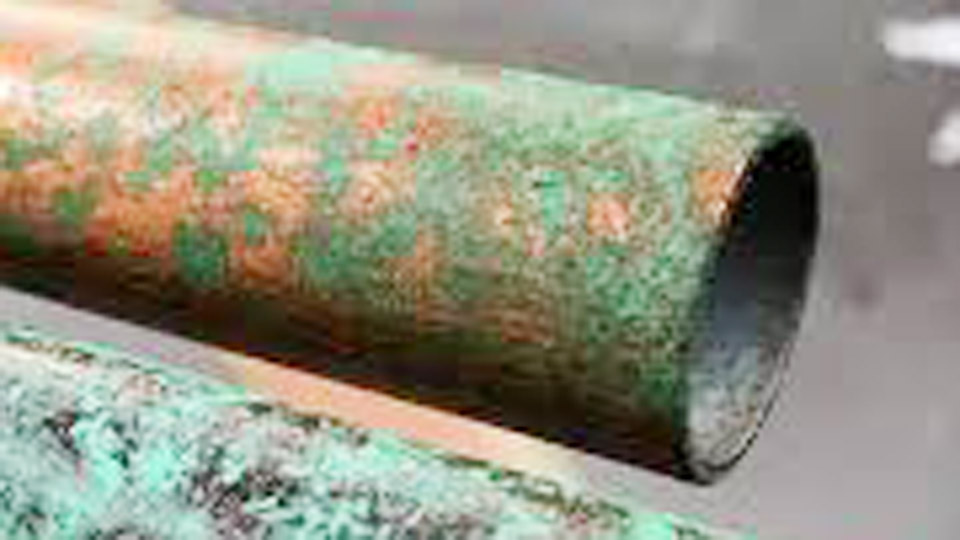
Image by aixihardware
What Causes Green Corrosion on Metal
Green corrosion isn’t some mysterious plague—it’s chemistry at work in your shop. From what I’ve seen over countless projects, it forms when copper in metals reacts with oxygen, moisture, and sometimes pollutants like chlorine or sulfur in the air.
Think of it as the metal’s way of oxidizing, creating compounds like copper carbonate or chloride that give that signature green hue. In welding terms, this is verdigris, and it’s common on brass fittings, copper wiring, or even bronze sculptures if you’re into artistic fab work.
Why does this matter for us welders? Well, in a humid garage or on a coastal job site, that green layer builds up fast, acting like a barrier that prevents proper fusion during welding.
I’ve had jobs where untreated corrosion led to porous welds that failed pressure tests—costly mistakes that taught me to address it early. It’s not rust like on steel; it’s more insidious because it can hide under paint or in crevices, weakening the base metal over time.
Understanding the root cause helps you prevent it, but when it’s there, knowing the “why” guides your removal approach. For instance, if the metal’s been exposed to battery acid or saltwater, the corrosion might be deeper, requiring more aggressive methods.
In my shop days, I’d always inspect incoming materials for this, especially salvage from junkyards, to avoid surprises mid-project.
Identifying Green Corrosion in Your Projects
Spotting green corrosion early is half the battle, especially before you fire up your welder. Look for that powdery or flaky green patina—it’s not uniform like paint; it’s uneven and can rub off on your gloves.
On copper alloys, it starts as a dull tarnish and progresses to bright green spots. I’ve pulled apart old plumbing assemblies where the inside was caked with it, invisible from the outside until you cut in.
In fabrication, this shows up on everything from automotive parts to marine hardware. Test it by scraping a small area with a utility knife—if it’s soft and comes off easily, it’s surface level. Deeper corrosion might pit the metal, which means checking for structural integrity before welding.
I remember a trailer repair job where green corrosion on brass bushings hid pitting that could’ve caused a wheel failure. Always probe with a pick or wire brush to gauge depth.
For welding students or hobbyists, confuse it with other issues at your peril. It’s not the same as white zinc oxide or red rust on iron; green means copper involvement. If you’re unsure, a quick vinegar wipe will fizz if it’s carbonate-based.
This identification step ensures you choose the right removal method without damaging the underlying metal, keeping your projects safe and reliable.
Tools and Materials You’ll Need
Before diving in, gather your gear—nothing fancy, just what works in a real shop. Start with safety basics: nitrile gloves to protect from chemicals, safety glasses, and a respirator if you’re dealing with dust or fumes. I’ve learned the hard way that skipping these leads to itchy skin or worse.
For mechanical removal, a wire brush attachment on your angle grinder is gold—go for stainless steel bristles to avoid contaminating the metal. Sandpaper in grits from 80 to 220 for finer work, and a scotch-brite pad for delicate surfaces.
Chemically, white vinegar or lemon juice mixed with salt does wonders for mild cases; for tougher stuff, grab a commercial copper cleaner like Brasso or a phosphoric acid-based gel.
In welding contexts, have your multimeter handy to check conductivity if it’s electrical components, and a caliper to measure material loss post-cleaning. Don’t forget neutralizers like baking soda solution to rinse acids.
From my fab shop toolkit, I always keep a Dremel with polishing bits for tight spots—saves hours on intricate parts. Budget-wise, this setup runs under $50 if you’re resourceful, making it accessible for DIYers.
Methods to Remove Green Corrosion
Tackling green corrosion isn’t one-size-fits-all; it depends on the metal’s condition and your project’s needs. I’ve tried everything from elbow grease to electrolysis, and each has its place in keeping welds clean and strong.
Mechanical Removal Techniques
When the corrosion isn’t too deep, mechanical methods are my go-to—they’re straightforward and don’t involve harsh chemicals. Start by securing the piece in a vise to avoid slips.
Use a wire brush on a drill or grinder at low speed, around 2,000 RPM, to scrub off the green layer without gouging the metal. I’ve found that working in circular motions prevents streaks and ensures even removal.
For larger surfaces, like a copper sheet for a custom hood, switch to an orbital sander with 120-grit paper. Apply light pressure—too much heat from friction can warp thin metals.
Follow up with a finer grit to smooth it out, prepping for welding. Pros: No residue left behind, great for immediate use. Cons: Labor-intensive and dusty, so ventilate your space.
Common mistake? Rushing it and scratching the base metal, which invites more corrosion. Take your time, and always wipe down with isopropyl alcohol afterward to remove oils. In shop scenarios, this method shines for quick fixes on job sites where chemicals aren’t practical.
Chemical Removal Solutions
Chemicals cut through green corrosion like butter when mechanical won’t do. For homebrew, mix equal parts vinegar and salt, apply with a rag, and let it sit for 10-15 minutes. The acid dissolves the carbonates—I’ve used this on brass valves before welding them into exhaust systems, restoring shine without effort.
For stubborn cases, opt for a phosphoric acid cleaner; dilute per instructions and brush on. Rinse thoroughly with water mixed with baking soda to neutralize.
Why this works? It etches just the corrosion, leaving the metal intact. In my experience, it’s perfect for intricate parts like copper heat exchangers where brushing can’t reach.
Pros: Fast and effective on irregular shapes. Cons: Can etch if left too long, and fumes require good ventilation. Always test on a scrap piece first. Tie this into welding by noting how clean surfaces improve TIG weld puddle control—no contaminants bubbling up.
Electrolytic Removal for Tough Cases
When corrosion’s eaten deep, electrolysis is the heavy hitter. Set up a plastic tub with a soda ash solution (1 tbsp per gallon of water), connect the corroded metal to the negative battery charger lead, and a sacrificial steel anode to the positive. Run at 12V for 30-60 minutes, watching bubbles form as the green lifts off.
I’ve pulled this off in my garage for antique bronze fittings—it’s gentle and thorough, preserving details. For welders, it’s ideal prepping pitted copper for brazing, ensuring no hidden weaknesses. Pros: Non-abrasive, handles large pieces. Cons: Setup time and electricity use.
Monitor the process to avoid over-etching; stir the solution occasionally.
Safety note: Use outdoors or with exhaust—hydrogen gas builds up. This method’s saved me on marine repairs where salt-induced green was rampant.
Step-by-Step Guide to Removing Green Corrosion
Let’s break it down into actionable steps, like I’d show a new apprentice. First, assess the extent: Scrape a test area to see if it’s surface or deep. Gear up with PPE.
Step 1: Clean loose debris with a soft brush or compressed air—prevents spreading mess.
Step 2: Choose your method. For mild, go chemical: Apply vinegar paste, wait, scrub with nylon brush.
Step 3: Rinse and neutralize. Water hose for outdoors, or bucket indoors.
Step 4: Dry thoroughly—use shop towels or heat gun on low to avoid moisture traps.
Step 5: Inspect and polish. Use fine sandpaper if needed, then apply a protective coat like clear lacquer for non-weld areas.
In welding prep, add a bevel if pitting requires filler. I’ve followed this on countless jobs, turning junk into jewels.
Comparing Removal Methods
Here’s a quick table to weigh your options, based on what I’ve tested in the field:
| Method | Time Required | Cost | Best For | Drawbacks |
|---|---|---|---|---|
| Mechanical | 15-30 min | Low (tools you have) | Flat surfaces, quick jobs | Dusty, physical effort |
| Chemical | 10-20 min | Medium (cleaners) | Intricate parts | Fumes, potential etching |
| Electrolytic | 30-60 min | Low (setup materials) | Deep corrosion, large items | Electricity needed, setup time |
This helps decide based on your shop setup—mechanical for daily use, others for specials.
Preventing Green Corrosion in the Future
Removal’s great, but prevention keeps your workflow smooth. Store copper metals in dry, sealed bins with silica packs—humidity’s the enemy. I’ve lined shelves with plastic sheeting in humid shops to cut moisture.
Apply protective coatings post-cleaning: Wax for tools, oil for fittings. In welding, use anti-spatter sprays that double as barriers. For outdoor projects, choose alloys with inhibitors or galvanize if compatible.
Regular inspections catch it early—wipe down after use. From experience, this saved a boat trailer build from redo’s. Tie in material choices: Opt for tinned copper in salty environments.
Safety Tips When Dealing with Corrosion
Safety first, always. Green corrosion flakes can irritate lungs, so mask up. Chemicals? Eye protection and gloves—no shortcuts.
In welding, ensure cleaned metals don’t re-corrode before tacking—work in batches. I’ve seen acid residues cause flash rust; neutralize properly.
Ventilate for fumes, and ground yourself if using electrolysis to avoid shocks. Pro tip: Keep a first-aid kit with eye wash—better safe than sorry in the shop.
Common Mistakes and How to Avoid Them
Biggest blunder: Using steel wool on copper—transfers iron, worsening corrosion. Stick to brass or plastic brushes.
Another: Over-soaking in acids, pitting the metal. Time it, and rinse quick.
Ignoring depth: Surface clean but deep pits weaken welds. Measure with calipers; fill if needed.
From my mishaps, always test methods on scraps. Rushing leads to rework—pace yourself for quality.
Conclusion
You’ve got the guide to handle green corrosion like a pro, from spotting it to scrubbing it off and preventing comebacks. Whether you’re a DIYer fixing up old hardware or a pro welder ensuring bombproof joints, removing that green stuff means stronger, safer work that lasts. You’ll save bucks on materials and avoid those frustrating failures that eat into your time.
After cleaning, hit the metal with a quick torch pass on low heat to evaporate hidden moisture—it’s prevented flash corrosion on humid days more times than I can count. Get out there and tackle that project; you’ve got this.
FAQs
Can green corrosion affect weld quality?
Absolutely, it can. That layer acts as an insulator, messing with heat transfer and causing incomplete fusion. I’ve seen it lead to brittle joints that crack under load. Clean thoroughly for clean puddles and solid beads.
What’s the best home remedy for removing green corrosion?
Vinegar and salt paste works wonders for light cases—cheap and effective. Apply, let sit, scrub. Rinse well to avoid residues that could interfere with welding fluxes.
Is green corrosion the same on all metals?
No, it’s mainly on copper alloys like brass. On aluminum, it’s white; steel gets red rust. Know your material—treat accordingly to maintain integrity for fabrication.
How do I know if the metal is salvageable after corrosion?
Check for pitting depth—if less than 10% of thickness, it’s usually good. Use a micrometer. Deeper? Consider filler or scrap it to avoid weak spots in load-bearing welds.
Can I weld directly over light green corrosion?
Don’t even think about it— it’ll contaminate your weld pool with oxides, leading to porosity. Always remove first for reliable, code-worthy work.