
Learning how to remove zinc coating from galvanized steel is something I had to figure out early on, especially when a project called for clean welds without all the popping, porosity, and nasty fumes that zinc loves to throw at you.
The first time I tried welding galvanized steel without stripping it, the arc went crazy, the bead looked awful, and the fumes were rough enough to make me rethink my life choices.
Whether you’re doing MIG, TIG, or stick, zinc absolutely destroys puddle control and weld quality — not to mention the safety issues. That’s why understanding the right methods to strip the coating, from grinding and sanding to chemical removal, matters so much for clean fusion, proper joint prep, and overall weld strength.
I’ll walk you through the safest, most effective ways to remove zinc so your welds come out smooth, strong, and trouble-free.
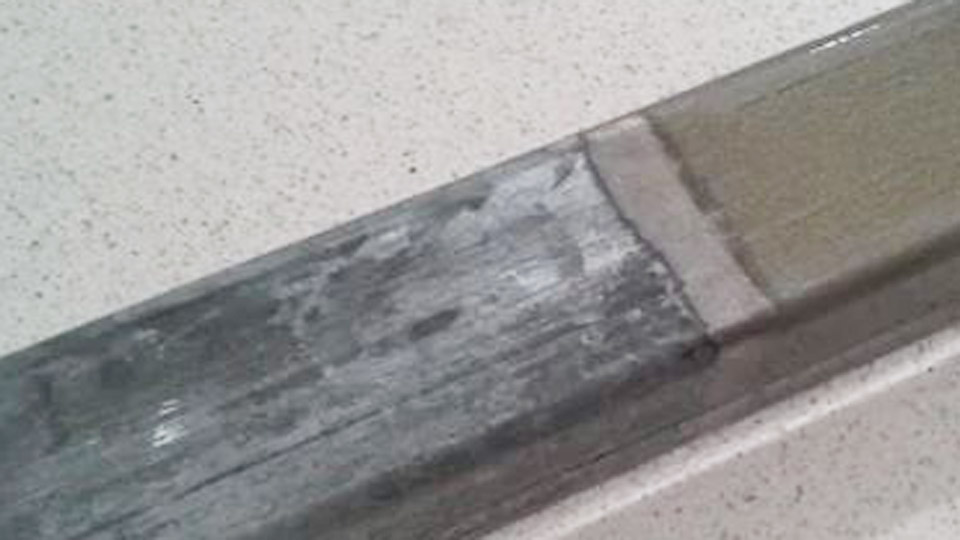
Image by reddit
Why Remove Zinc Coating Before Welding Galvanized Steel
I’ve been there in the trenches—rushing a job and thinking, “Eh, the zinc will just burn off.” Big mistake. Zinc coating on galvanized steel is there to fight corrosion, but it melts at around 780 degrees Fahrenheit, way below your typical welding temps. When you strike an arc, it vaporizes into fumes that can mess with your health and your work.
Safety-wise, inhaling those zinc oxide fumes leads to metal fume fever, which feels like the flu on steroids: chills, nausea, headaches. I once welded a galvanized bracket without stripping it first, and by the end of the day, I was laid up with a fever. Not fun, especially when you’re self-employed and deadlines are tight.
Beyond health, weld integrity takes a hit. The zinc causes spatter, porosity, and cracks because it contaminates the weld pool. For pros following AWS codes in the US, like D1.1 for structural steel, you can’t have that—inspections will flag it every time.
Even for DIYers fixing a trailer hitch or hobbyists building custom furniture, removing the zinc ensures strong, clean joints that hold up.
Material compatibility is key too; zinc doesn’t play nice with certain fillers or processes, leading to brittle welds. And cost-wise? Redoing a bad weld wastes time and money on rods, gas, and abrasives. Trust me, spending a bit upfront on removal saves you big in the long run. It’s all about working smarter in the shop.
Understanding Galvanized Steel and Its Zinc Layer
Galvanized steel is just regular carbon steel dipped in molten zinc or electroplated for protection. That layer can be thin, like on sheet metal for HVAC ducts, or thick on hot-dipped pipes for outdoor structures. Why does this matter?
The thickness affects how you remove it—thin coatings come off easy with chemicals, while heavy ones might need grinding. In my experience, hot-dip galvanized stuff, common in US farms or construction, has a rougher, spallier surface that traps zinc in pores, making complete removal trickier.
When you’re prepping, check the type: ASTM A123 specs for hot-dip mean thicker zinc, up to 3-4 mils, versus electro-galvanized at 0.2-1 mil.
For welding, you want bare steel to avoid hydrogen embrittlement, where zinc reactions weaken the metal. I’ve seen students in welding classes overlook this and end up with failed bend tests.
Practical tip: Use a magnet or scratch test—if it’s shiny silver under scratches, it’s galvanized. Knowing this helps you pick the right removal method without overdoing it and damaging the base metal.
Safety First: Hazards of Zinc Removal and How to Protect Yourself
Before we get into the how-to, let’s talk safety like I would with a trainee: Gear up or go home. Zinc fumes are no joke—they’re classified as hazardous by OSHA, and prolonged exposure can lead to chronic issues.
Always work in a well-ventilated area, outdoors if possible, or under a fume extractor. I keep a P100 respirator with organic vapor cartridges handy; it’s saved me more times than I can count on jobs with poor airflow.
Gloves are non-negotiable—nitrile for chemicals, leather for grinding. Eye protection? Full-face shield for acids to avoid splashes. And don’t forget hearing protection if you’re grinding loud.
Common mistake: Forgetting to neutralize acids after use, which can cause flash rust or skin burns. Fix it by having baking soda water ready. In the US, follow EPA guidelines for disposing of chemical waste—don’t dump it down the drain.
One pro tip from the field: Sip milk if you accidentally inhale fumes; the calcium helps bind zinc in your system. But prevention is better—set up a fan to blow fumes away from you, not recirculate them.
Tools and Equipment Needed for Zinc Removal
You don’t need fancy gear to strip zinc, but having the right stuff makes it efficient. For chemical methods, grab plastic buckets, brushes, and acids from your local hardware store like Home Depot.
Mechanical? A 4-1/2 inch angle grinder with flap discs (60-80 grit to avoid clogging) is my go-to; brands like DeWalt or Milwaukee hold up in daily use. Wire brushes for finishing touches.
For thermal, an oxy-acetylene torch with a rosebud tip works, but ventilation is critical. Safety kit: Respirator, gloves, safety glasses, fire extinguisher. If you’re a student or hobbyist, start with affordable options—a $50 grinder kit covers basics. Pros might add a bench grinder for small parts.
Tip: Keep rust inhibitors like WD-40 on hand post-removal to prevent oxidation before welding. I’ve rigged up a simple dip tank in my shop for batch jobs; it’s just a plastic tub with acid mix.
Chemical Methods to Remove Zinc Coating
Chemicals are my preferred way for small or intricate parts because they’re hands-off once set up. They dissolve the zinc without much elbow grease, ideal for DIYers or when you can’t grind indoors. But they require patience and safety smarts—acids can eat through skin or release gases.
Using Vinegar for Safe Zinc Removal
Vinegar’s acetic acid is gentle, making it perfect for hobbyists or students avoiding harsh stuff. It’s cheap, non-toxic, and available at any grocery store.
How it works: The acid reacts with zinc to form zinc acetate, which bubbles off. Use it when the coating’s thin, like on bolts or sheet metal for custom fab.
Step by step: Fill a glass or plastic container with white vinegar (5% acidity). Submerge your piece—I’ve done screws in a jar overnight. Let it sit 30 minutes to a few hours; bubbles mean it’s working. Rinse with water, scrub with a wire brush, and dry.
Why use it? No fumes like stronger acids, and it’s safe for home shops. But it’s slow on thick coatings—once I waited two days for heavy pipe.
Common mistake: Not rinsing well, leaving residue that causes rust. Fix: Neutralize with baking soda solution. Tip: For faster action, use cleaning vinegar at 10% strength. Pros: Safe, inexpensive. Cons: Time-consuming, not for large pieces.
Muriatic Acid for Faster Zinc Stripping
Muriatic acid (hydrochloric acid) is a beast for thick hot-dip galvanizing, common on structural steel. It eats zinc in minutes, producing hydrogen gas and zinc chloride. Use it outdoors or with exhaust—I’ve stripped entire gates this way on job sites.
Steps: Dilute 1 part acid to 10 parts water in a plastic bucket (add acid to water slowly). Dip or brush on the piece; bubbles start immediately.
Wait 5-15 minutes, rinse thoroughly, neutralize with baking soda water, and dry. When to use: For pros needing quick turnaround, like prepping beams for AWS-certified welds.
Anecdote: I once brushed it on a trailer frame without masking, and it etched nearby paint—lesson learned, tape off areas. Mistake: Inhaling fumes without a mask; causes coughing.
Fix: Always wear a respirator. Settings tip: For post-weld, apply cold galvanizing spray to restore protection. Pros: Fast, effective on heavy zinc. Cons: Hazardous, requires disposal care.
Other Acids Like Phosphoric or Nitric
Phosphoric acid, found in rust converters, is milder and leaves a phosphate layer that fights rust—great for fab hobbyists. Nitric’s aggressive for complete removal but risky with strong fumes. I’ve used phosphoric on hinges; soaks in hours without damaging steel.
Steps for phosphoric: Apply undiluted, wait 1-2 hours, rinse, dry. Why? Less toxic than muriatic. Cons: Costlier. Tip: Combine with wire brushing for stubborn spots.
| Method | Pros | Cons | Best For |
|---|---|---|---|
| Vinegar | Safe, cheap, no fumes | Slow, ineffective on thick zinc | Small parts, DIY |
| Muriatic Acid | Fast, thorough | Hazardous fumes, disposal issues | Large structural pieces, pros |
| Phosphoric Acid | Mild, rust-preventive | Moderate speed, higher cost | Hobbyists, intricate items |
Mechanical Removal Techniques for Zinc Coating
When chemicals aren’t feasible, grinding gets the job done clean and localized. It’s my fallback for weld preps where I only need to strip joints, saving time on big projects like farm equipment repairs.
Grinding and Sanding Galvanized Steel
Use an angle grinder with flap discs to abrade the zinc away. How it works: The abrasive cuts through the layer without gouging steel. Ideal for when/why: Precise control, no chemicals, good for US shop environments following OSHA dust rules.
Steps: Secure the piece in a vise. Start with 40-grit flap disc at low speed (3,000-5,000 RPM) to remove bulk zinc. Switch to 80-grit for smoothing. Wire brush residues. Always grind away from edges to avoid thin spots.
Mistake: Using fine grits first—clogs the disc. Fix: Coarse to fine progression. Tip: For machine settings, set your grinder to variable speed; lower for control on thin metal.
Anecdote: On a rushed job, I overheated the steel grinding too hard, warping it slightly—keep moving to dissipate heat.
Pros: Quick for spots, no waste. Cons: Dust creation, requires PPE.
Wire Brushing for Light Coatings
For thin zinc, a wire wheel on a bench grinder or drill suffices. Steps: Spin at 2,500 RPM, apply light pressure. Why use: Economical for students or small fab.
Tip: Combine with heat for easier removal.
Thermal Methods to Burn Off Zinc
Torching vaporizes zinc but produces the most fumes—reserve for well-ventilated areas or as a last resort.
Using a Torch to Remove Galvanized Coating
Oxy-acetylene or propane torch heats the zinc to melting point. Steps: Heat to 800°F until zinc smokes and beads, then wire brush off. Why: Fast for large areas like pipes.
Safety: Outdoors only, with respirator. Mistake: Overheating base metal. Fix: Use wet rags to cool surroundings.
Pros: No abrasives needed. Cons: High fume risk, uneven removal.
Preparing and Welding After Zinc Removal
Once stripped, act fast—bare steel rusts quick. Clean with solvent, prep joints per code (bevel for thick plates). For MIG, use ER70S-6 wire, 20-25 CFH argon/CO2, voltage 18-22V for 1/8″ steel. TIG? 7018 rod for strength.
Tip: Test weld on scrap; adjust amps to avoid burn-through.
Common Mistakes When Removing Zinc and How to Avoid Them
Skipping PPE—always gear up. Not neutralizing acids—leads to rust. Grinding too deep—check depth with calipers. I’ve fixed many by practicing on scraps first.
Real-World Applications for Removed Galvanized Steel
In US shops, stripped steel goes into trailers, fences, or machinery. For hobbyists, custom bikes or art. Students: Practice beads without fumes.
Key Takeaways and Why You’re Ready to Tackle This
Removing zinc coating from galvanized steel boils down to choosing the right method—chemical for ease, mechanical for precision, thermal with caution—and prioritizing safety every step.
You’ve got the steps, tools, and tips to make strong, safe welds that last, whether you’re a pro on a site or a DIYer in the garage. This knowledge boosts your weld integrity, cuts costs on fixes, and keeps you healthy.
Now you’re more prepared because you understand the why behind the how, just like I learned through trial and error. Always have a rust inhibitor spray ready post-removal; it buys you time before welding or painting. Go ahead, grab that galvanized piece, strip it clean, and lay down some perfect beads.
FAQ
Can I Weld Directly on Galvanized Steel Without Removing the Zinc?
No, it’s risky. The zinc creates toxic fumes and poor welds with porosity. If you must, use ventilation and special rods like E7018, but stripping is always better for quality and health.
What’s the Fastest Way to Remove Thick Zinc Coating?
Muriatic acid wins for speed—minutes versus hours—but grind for controlled, fume-managed removal on spots. Test on a small area first.
Is Vinegar Strong Enough for Hot-Dip Galvanized Steel?
It works on thin layers but struggles with thick hot-dip; expect longer soaks or switch to stronger acids. Great for safe, home use though.
How Do I Dispose of Acid After Removing Zinc?
Neutralize with baking soda until bubbling stops, then check local US regs—often okay for small amounts down the drain, but pros use waste services for compliance.
What PPE Do I Need for Grinding Zinc Off Steel?
Respirator for dust, gloves, eye protection, and hearing plugs. Work in ventilated space to avoid inhaling zinc particles.