
Setting the correct leaf spring shackle angle is crucial for optimal vehicle performance, ride quality, and suspension longevity. The shackle angle directly affects how your leaf springs compress and extend, impacting everything from handling to tire wear. This comprehensive guide will walk you through the process of determining and adjusting the proper shackle angle for your vehicle’s suspension system.
The proper leaf spring shackle angle typically ranges from 5 to 15 degrees from vertical, with most passenger vehicles performing best between 5 to 10 degrees. You can adjust this angle by changing shackle length, relocating mounting points, or adjusting spring eye bushings, with longer shackles increasing the angle and shorter ones decreasing it.
Leaf Spring Shackle Angle Basics
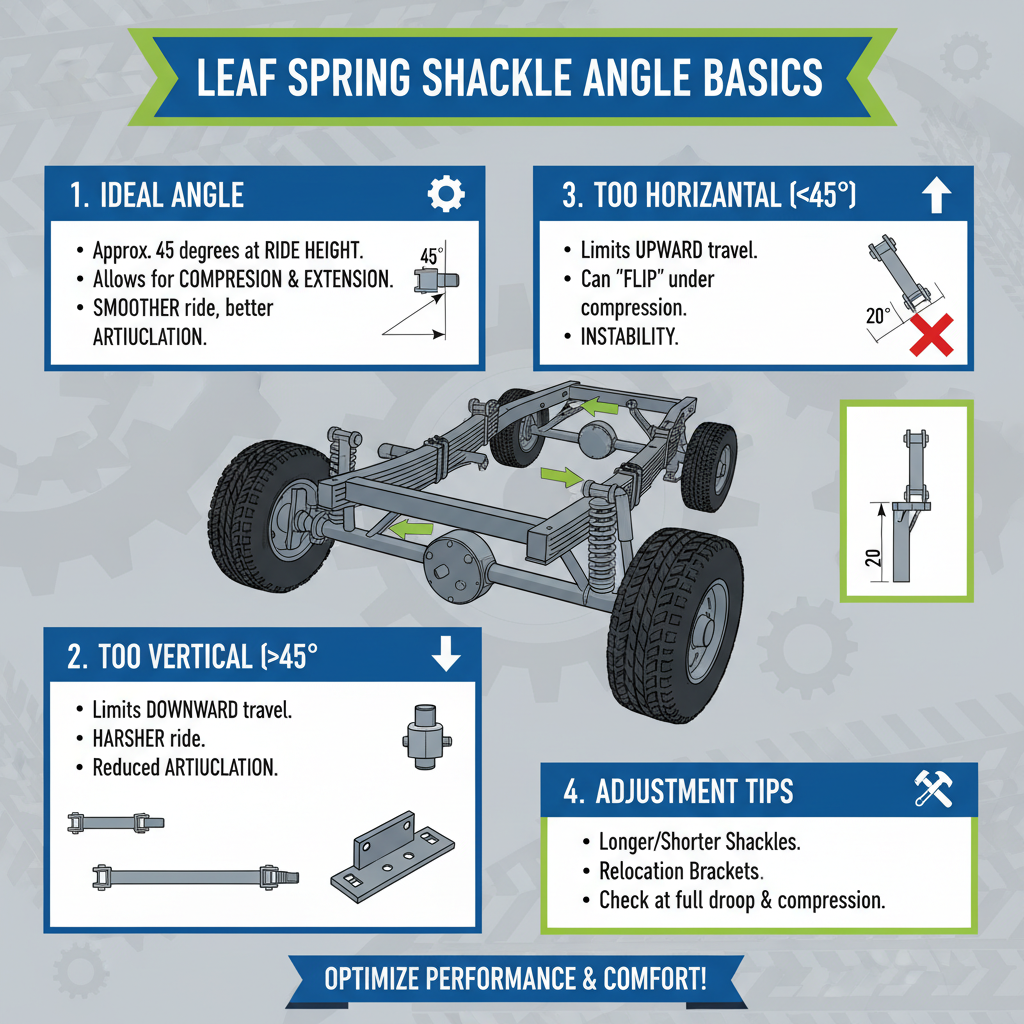
The leaf spring shackle angle refers to the position of the shackle relative to vertical when the vehicle is at ride height. This angle typically ranges from 5 to 15 degrees from vertical, depending on your vehicle’s specific requirements and intended use.
Proper shackle angle ensures that the leaf spring can articulate smoothly through its full range of motion. When the angle is incorrect, you may experience harsh ride quality, premature wear of suspension components, or poor handling characteristics.
The shackle connects the rear eye of the leaf spring to the vehicle frame, allowing the spring to change length as it compresses and extends. As the spring compresses under load, it becomes shorter, and the shackle must pivot to accommodate this change in length.
When measuring shackle angle, you’ll need a digital angle finder or protractor. Professional mechanics often use tools like the Wixey WR300 Type 2 Digital Angle Gauge for precise measurements, as accuracy is critical for proper suspension setup.
Tools and Equipment Needed

Before beginning the shackle angle adjustment process, gather the necessary tools and equipment:
– Digital angle finder or protractor
– Socket set and wrenches
– Jack and jack stands
– Measuring tape
– Level surface for accurate measurements
– Safety glasses and gloves
Ensure your vehicle is on level ground and at normal ride height with typical payload. Remove any excessive weight that wouldn’t normally be in the vehicle during regular use.
The measurement process requires the vehicle to be loaded to its normal operating weight. This means fuel tank should be at typical levels, and any regular cargo or equipment should be present.
Step-by-Step Guide to Measuring Current Shackle Angle
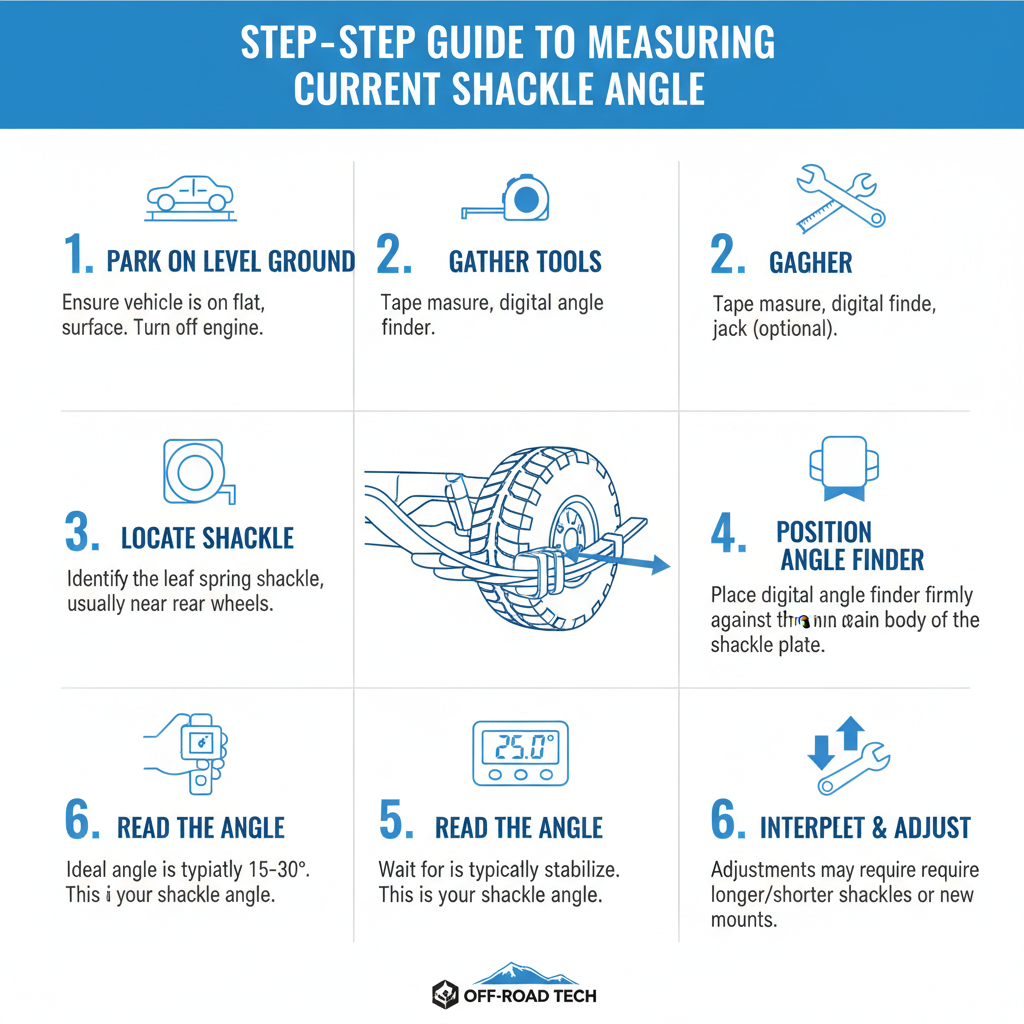
Start by positioning your vehicle on level ground and allowing the suspension to settle. Walk around the vehicle or gently bounce each corner to ensure the suspension has reached its natural position.
Locate the shackle assembly at the rear of each leaf spring. The shackle consists of two mounting points connected by a metal link that allows the spring eye to pivot.
Place your digital angle finder against the shackle, ensuring it’s aligned with the centerline of the shackle assembly. The measurement should be taken from the vertical position, with zero degrees representing perfectly vertical.
Record the angle measurement for both sides of the vehicle. It’s normal for there to be slight variations between left and right sides, but significant differences may indicate other suspension issues.
Take multiple measurements to ensure accuracy. Environmental factors like temperature can affect suspension components, so consistency in measurement conditions is important.
Determining the Correct Shackle Angle for Your Vehicle
The ideal shackle angle varies depending on your vehicle type and intended use. Most passenger vehicles and light trucks perform best with shackle angles between 5 and 10 degrees from vertical.
Heavy-duty trucks and commercial vehicles may require different angles based on their typical load conditions. Consult your vehicle’s service manual or contact the manufacturer for specific recommendations.
Consider your vehicle’s primary use when determining the target angle. Vehicles used for towing or hauling heavy loads may benefit from slightly different angles compared to those used primarily for daily driving.
Off-road vehicles often require specific shackle angles to optimize suspension travel and articulation. The terrain and driving style significantly influence the ideal setup.
For custom applications or modified vehicles, you may need to experiment within the acceptable range to find the optimal setting for your specific configuration.
Adjusting Shackle Angle: Methods and Techniques
Several methods exist for adjusting leaf spring shackle angle, depending on your vehicle’s current setup and desired changes.
Shackle Length Modification
The most common method involves changing the shackle length. Longer shackles increase the angle from vertical, while shorter shackles decrease it. This method is straightforward but requires purchasing new shackles of the appropriate length.
When selecting replacement shackles, ensure they’re designed for your specific vehicle and load requirements. Quality aftermarket options like Crown Automotive Leaf Spring Shackles are engineered to meet or exceed OEM specifications while providing the adjustability needed for proper angle setup.
Shackle Mounting Point Relocation
For more significant adjustments, you may need to relocate the shackle mounting points on the frame. This method requires welding skills and should be performed by experienced fabricators.
Frame modifications must maintain structural integrity while achieving the desired geometry. Always consult with suspension specialists before making permanent frame alterations.
Spring Eye Bushing Adjustment
In some cases, adjusting the spring eye bushings can fine-tune the shackle angle. This method works best for minor adjustments and may not be suitable for significant changes.
Polyurethane bushings often provide more precise control over suspension geometry compared to rubber bushings, though they may transmit more road noise and vibration.
Common Problems and Troubleshooting
Incorrect shackle angles can cause various issues that affect vehicle performance and safety. Understanding these problems helps identify when adjustments are necessary.
Harsh Ride Quality
When shackle angles are too steep, the suspension may feel harsh or rigid. The spring cannot articulate smoothly through its range of motion, resulting in poor ride comfort.
This condition often occurs when shackles are too short or when the vehicle has been lowered without proper suspension modifications.
Excessive Spring Wrap-Up
Shackle angles that are too shallow can cause spring wrap-up under acceleration or braking. This phenomenon occurs when the spring twists around its mounting points, creating unpredictable handling characteristics.
Spring wrap-up is particularly problematic in high-torque applications or when towing heavy loads.
Premature Component Wear
Incorrect angles accelerate wear on shackle bushings, spring eyes, and mounting hardware. The components experience increased stress and may fail prematurely.
Regular inspection of these components helps identify wear patterns that indicate improper shackle angles.
Handling Issues
Poor shackle angles can cause the vehicle to feel unstable during cornering or lane changes. The rear suspension may not respond predictably to steering inputs.
This issue is especially noticeable in vehicles with heavy rear loads or those used for towing.
Maintenance and Long-Term Considerations
Proper maintenance ensures your shackle angle adjustments remain effective over time. Regular inspections help identify issues before they become serious problems.
Check shackle bushings periodically for wear, cracking, or deterioration. Replace worn bushings promptly to maintain proper suspension geometry.
Lubricate grease fittings according to the manufacturer’s schedule. Proper lubrication reduces friction and extends component life.
Monitor your vehicle’s ride height over time. Sagging springs can change shackle angles and may require adjustment or spring replacement.
Keep detailed records of any modifications or adjustments made to your suspension system. This information is valuable for future maintenance and troubleshooting.
Consider seasonal variations in vehicle loading and adjust accordingly if necessary. Vehicles used for different purposes throughout the year may benefit from periodic angle verification.
Conclusion
Setting the correct leaf spring shackle angle is essential for optimal vehicle performance, safety, and component longevity. By following the measurement and adjustment procedures outlined in this guide, you can ensure your suspension system operates as intended.
Remember that proper shackle angle is just one aspect of suspension setup. Other factors like spring rate, shock absorber selection, and overall vehicle alignment also contribute to performance and ride quality.
When in doubt, consult with suspension specialists or experienced mechanics who can provide guidance specific to your vehicle and application. Taking the time to properly set your shackle angles will result in improved ride quality, better handling, and extended component life.
Regular maintenance and periodic verification of your settings will help maintain optimal performance over time. With proper attention to these details, your leaf spring suspension system will provide reliable service for many miles to come.