
Setting up a MIG welder without gas is something I’ve had to do plenty of times when working outdoors, on quick repairs, or in shops where hauling a shielding gas bottle just wasn’t practical. At first, it can be confusing—many welders assume MIG always needs gas, then run into spatter, ugly beads, or weak welds when things go wrong.
The key is understanding that you’re really switching to flux core welding, which changes how arc control, polarity, and wire selection work, especially across different metal thicknesses. Compared to MIG vs TIG, this setup is tougher on technique but far more forgiving in windy conditions and rough joint prep.
Getting it right matters for weld quality, penetration, and safety—because bad settings can mean brittle welds or costly rework. I’ll walk you through the exact steps to set up a MIG welder without gas the right way, using real-world, shop-tested advice that actually works.
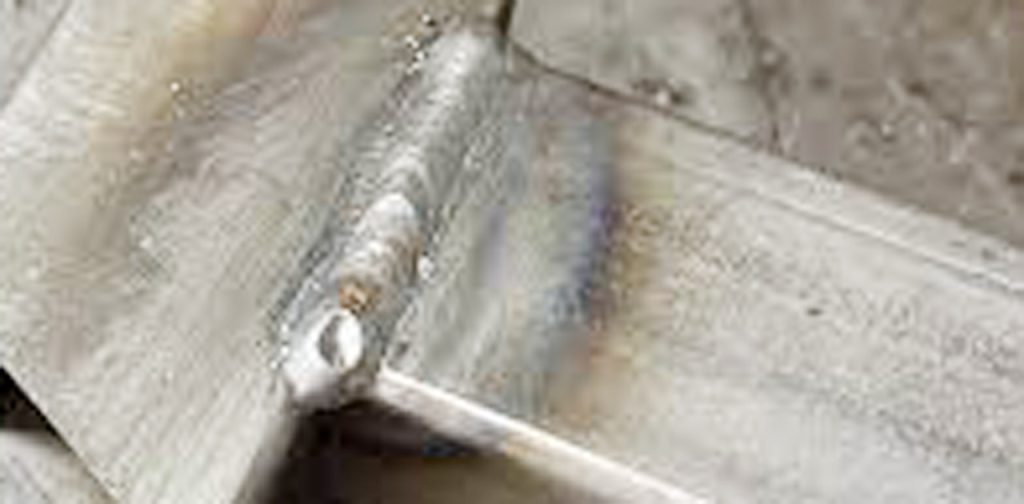
Image by theweldspace
Why Go Gasless? Real-World Reasons from the Shop Floor
Gasless MIG welding isn’t some gimmick; it’s a legit process for when traditional MIG with argon or CO2 isn’t feasible. I’ve used it on everything from fixing farm equipment in open fields to patching up trailers in drafty barns. The core difference? You’re swapping solid wire and gas for flux-cored wire that creates its own shielding as it burns.
This matters because in fabrication, time is money. Imagine you’re on a remote site—no gas supplier in sight—and you need to weld up a structural beam. Gasless lets you keep going without downtime. Plus, it’s forgiving on contaminated metals like rusty steel, which is half the stuff we deal with in repairs.
But here’s the kicker: it demands more from your setup. Poor wire choice or wrong polarity, and your welds look like Swiss cheese—full of holes from trapped slag.
From my experience, pros swear by it for outdoor work where wind blows away gas shields, leading to oxidation and weak joints. Indoors, it’s great for hobbyists on a budget, cutting out the $50-100 per tank refill.
Safety-wise, no gas means no risk of leaks or asphyxiation in tight spaces, but you trade that for more smoke and spatter, so ventilation is non-negotiable. I’ve seen guys skip masks and end up coughing for days—don’t be that guy.
Cost efficiency? Absolutely. Flux-cored wire runs $20-40 per spool versus constant gas expenses. And for strength, these welds hold up in high-stress apps like automotive frames if you prep right.
But it’s not universal—thinner sheets under 16 gauge can warp from the heat. Weigh your project: if it’s clean aluminum, stick with gas; for dirty mild steel, gasless shines.
Understanding Flux-Cored Wire: The Heart of Gasless MIG
Flux-cored wire is what makes gasless MIG tick. It’s basically a tubular wire filled with flux that melts and shields the weld pool from air, preventing porosity. I’ve spooled up miles of this stuff in my career, and trust me, not all wires are created equal.
How it works: As you weld, the flux vaporizes, creating a gas shield and slag layer that protects the molten metal. No external gas needed—it’s self-shielding. When to use it? Outdoor repairs, thick materials over 1/8 inch, or when you’re dealing with galvanized steel where gas might cause more issues.
Why choose it over stick welding? MIG’s continuous feed means faster travel speeds and less cleanup. In my shop, we use it for building racks or fixing heavy machinery because it penetrates deep without multiple passes. But watch for burnback if your voltage is off—I’ve melted tips that way on humid days.
Common types: E71T-GS for all positions, great for hobbyists; E71T-11 for general fab. Pick based on your metal—mild steel loves it, but stainless needs specific alloys. Semantic tip: match wire diameter to your welder’s capacity; 0.030-inch for lighter machines, 0.035 for beefier ones.
Lessons learned: Early on, I grabbed cheap wire and got inconsistent arcs—spatter everywhere. Spend a bit more on brands like Lincoln or Hobart; they feed smoother and reduce downtime cleaning your gun.
Picking the Right MIG Welder for Gasless Operation
Not every MIG welder plays nice without gas. I’ve modded a few in my time, but starting with the right machine saves headaches. Look for ones rated for flux-cored arc welding (FCAW)—most modern US models like the Miller Multimatic or Lincoln Power MIG handle it out of the box.
What to check: Polarity switch—gasless needs DCEN (electrode negative) for proper penetration. If yours is stuck on DCEP, you’re in for shallow welds and excess spatter. Power output matters too; aim for 140-200 amps for versatility on 1/4-inch steel.
For DIYers, budget picks like the Forney Easy Weld 140 FC-i are solid starters—under $300 and gasless-ready. Pros might grab the Eastwood MIG 180 for its duty cycle on long runs. In fabrication, we prioritize portability; cordless isn’t common, but inverter tech keeps them light.
Why it matters: Wrong machine, and you’ll fight arc instability, leading to weak joints that fail under load. I’ve seen hobbyists burn out transformers pushing limits—match amps to material thickness.
Pro tip from the trenches: Test on scrap first. I once set up a new welder without checking polarity; welds cracked on the first bend test. Always verify with the manual—US brands like these have clear diagrams.
Essential Accessories and Tools for a Smooth Setup
Setting up without gas means gearing up right. Beyond the welder, grab a flux-cored wire spool, contact tips sized for your wire (0.035 needs matching), and a nozzle without gas diffuser—those holes are useless here.
Drive rolls: Switch to knurled ones for flux-cored; smooth rolls slip on the soft wire. I’ve swapped them mid-job and seen feed issues vanish. Safety gear? Chipping hammer for slag, wire brush for cleanup, and a good respirator—fumes are thicker without gas.
For joint prep, angle grinder with flap discs to bevel edges; clean joints mean stronger welds. In my garage, I keep anti-spatter spray handy; it cuts cleanup time in half.
Cost-wise, accessories add $50-100, but they pay off in reliability. When ideal tools aren’t around, improvise—a file for beveling or pliers for slag removal works in a pinch.
Common mistake: Forgetting liner replacement. Old liners gum up with flux residue, causing birdnesting. Change every few spools.
Step-by-Step Guide to Setting Up Your MIG Welder Without Gas
Let’s get hands-dirty. I’ll break this down like I’m walking you through it in the shop. First, unplug everything—safety first.
Start with polarity: Flip to DCEN. Most welders have a lead swap inside the door; red to negative, black to positive. I’ve forgotten this once and got welds that looked like popcorn.
Install the wire: Open the side panel, load your flux-cored spool (tension just enough to prevent unraveling). Thread through the drive rolls—knurled for grip—into the liner, and out the gun. Trim excess.
Set tension: Roll it tight but not crushing; test by pulling wire—it should feed smooth without slipping.
Adjust settings: For 1/8-inch mild steel, start at 18-20 volts, wire speed 250-300 IPM. Thicker metal? Bump volts to 22, speed to 350. I dial in on scrap: too hot warps, too low beads up.
Ground clamp: Clean surface, attach close to weld—poor ground arcs erratically.
Test arc: Trigger on scrap, adjust till it sizzles steady with minimal spatter. If it’s popping, drop voltage.
Joint prep: Bevel 30-45 degrees on thick stuff; clean to bare metal. No paint or rust—I’ve chased porosity from skipping this.
Weld technique: Push angle 10-15 degrees, travel speed matching puddle size. Weave for wider joints.
Post-weld: Chip slag while hot, brush clean. Inspect for cracks—re-weld if needed.
This setup’s saved me on countless jobs; practice on junk first to build muscle memory.
Machine Settings: Dialing In for Perfect Welds
Settings are where art meets science in welding. For gasless, voltage controls heat, wire speed feed rate—balance them or suffer.
Base guidelines: On a 110V machine, 16-18 volts for thin sheet, wire 150-200 IPM. 220V beasts? 20-24 volts, 300-400 IPM for 1/4-inch.
Material tweaks: Rusty steel needs higher volts for burn-through; clean stuff lower to avoid burnback.
From experience: Humid shops mean slower speeds to prevent moisture porosity. I’ve charted settings on my bench—start conservative, adjust up.
Common pitfalls: Overamping melts tips; underamping gives cold laps. Listen to the arc—bacon frying sound is gold; crackling means tweak.
For pros, use charts from wire makers, but test always. In fab, we log settings per job for repeatability.
Joint Preparation and Material Handling Tips
Prep is 80% of a good weld. For gasless, grind to shiny metal—flux handles some dirt, but not miracles.
Joint types: Butt needs tight fit-up; lap a slight gap for filler. Bevel V-grooves on thick plate for full penetration.
Handling: Clamp pieces to prevent warpage; tack first. I’ve warped frames from rushing—cool between passes.
Filler compatibility: Match wire to base—carbon steel with E71T. Mix metals? Risk cracks.
Alternatives: No grinder? Wire wheel on drill. Shop hack: Preheat cold metal with torch for better flow.
Mistakes: Welding over mill scale—porosity city. Clean wider than you think.
Common Mistakes and How to Fix Them in Gasless MIG
Even vets mess up. Top one: Wrong polarity—fixes with a switch, but check welds for weakness.
Birdnesting: Loose tension or dirty liner—clean and retighten.
Porosity: Dirty metal or wind—shelter and prep better. I’ve drilled out porous welds; waste of time.
Excess spatter: High voltage—dial down, use anti-spatter.
Weak welds: Slow travel—speed up for better fusion.
From my mishaps: Once welded galvanized without venting—sick for days. Always mask up.
Troubleshoot: Arc unstable? Check connections. No feed? Inspect drive rolls.
Pros and Cons of Gasless MIG Welding
Let’s lay it out plain.
Pros:
- Portable: No gas tanks to haul.
- Wind-resistant: Great outdoors.
- Cost-effective: Saves on gas.
- Deep penetration: Strong on thick stuff.
- Forgiving on dirty metal.
Cons:
- More smoke: Needs ventilation.
- Slag cleanup: Extra step.
- Not for thin metal: Warps easily.
- Spatter-heavy: Messier shop.
- Limited to certain metals: Steel mostly.
In my book, pros win for field work; cons manageable with practice.
| Aspect | Gasless MIG | Gassed MIG |
|---|---|---|
| Cost | Lower (no gas) | Higher (refills) |
| Portability | High | Medium (tanks) |
| Cleanliness | Messy (slag/spatter) | Cleaner |
| Penetration | Excellent on thick | Good, but needs gas |
| Outdoor Use | Ideal | Challenging |
This table’s from my shop notes—helps decide per job.
Safety First: Protecting Yourself in the Shop
Gasless amps up fumes, so respirator with P100 filters—I’ve used 3M ones forever.
Eye protection: Auto-darkening helmet shade 10-12; spatter burns suck.
Gloves, jacket, boots—leather for sparks. Ventilate: Fans or extractors pull smoke.
Electrical: Ground properly, no wet floors.
From experience: Skipped ventilation once, headache city. Prioritize health.
Real-World Applications and Project Ideas
In fabrication, gasless excels on truck beds, fences, or machinery repairs. I’ve built custom bumpers that hold up to off-road abuse.
For hobbyists: Weld a workbench or BBQ pit. Students: Practice on scrap for certs.
Scenarios: Emergency fixes on job sites—no gas, no problem.
Tips: For auto body, stick with gas; gasless too hot.
Advanced Techniques for Better Results
Once basics down, try weaving for wider beads—figure-eight motion.
Multi-pass: Build up thick joints layer by layer, chip between.
Heat control: Pulse if your machine allows, reduces distortion.
Shop trick: Backstep on long seams to minimize warpage.
I’ve refined these over years; they turn good welds into pro-level.
Troubleshooting Weld Quality Issues
Beads too high? Slow down travel.
Cracks? Preheat or change wire.
Undercut? Adjust angle closer to 90 degrees.
Inspect visually, then bend test on scrap.
Persistent issues? Calibrate machine—I’ve sent mine in when dials drift.
Conclusion
I’ve discussed the full rundown on how to set up a MIG welder without gas—from wire selection to fine-tuning settings. You’re equipped to tackle projects with confidence, knowing your welds will hold strong without relying on cylinders.
This knowledge isn’t just theory; it’s battle-tested in real shops, saving time, money, and frustration. Always keep a spare spool and tips in your kit—nothing kills momentum like running out mid-job. Get out there, fire up that welder, and build something solid.
FAQs
Can I use regular MIG wire without gas?
No way—that’s a recipe for porous, brittle welds since there’s no shield. Stick to flux-cored for gasless; it’s designed for it. I’ve tried shortcuts; they fail every time.
What’s the best wire size for beginners in gasless MIG?
Start with 0.030-inch—feeds easy on most home machines and forgives minor setting tweaks. For thicker work, step to 0.035. Test on scrap to feel the difference.
How do I reduce spatter in gasless welding?
Lower voltage slightly, use anti-spatter spray, and keep your gun clean. Angle matters too—push technique helps. In my shop, regular tip dips in gel cut spatter by half.
Is gasless MIG stronger than stick welding?
Depends on the app, but for speed and penetration on steel, gasless often edges out. Stick’s tougher in wind, though. I’ve used both; gasless wins for production.
Why does my gasless weld have so much slag?
It’s normal—flux creates it for protection. Chip hot, brush cold. If excessive, check wire quality or drop heat. Cheap wire’s the culprit nine times out of ten.