
Getting started in pipeline welding can feel intimidating at first — especially when you hear about X-ray quality welds, tight tolerances, and the pressure that comes with welding critical joints.
Coming from general stick welding jobs, the biggest wake-up call is realizing how much precision matters, from joint prep and bevel angles to rod selection like 6010 and 7018, clean tie-ins, and rock-solid arc control.
Pipeline work isn’t just burning rod; it’s understanding metal thickness, controlling heat input, and producing welds that can pass inspection and handle real-world stress. Many new welders struggle with where to start — certifications, downhill vs uphill welding, rig work, or whether pipeline welding even pays off long term.
It matters because one bad weld can mean failed tests, safety risks, or lost opportunities. This guide breaks down exactly how to start pipeline welding the right way, with practical, field-proven advice to help you build skills, confidence, and a real career path.
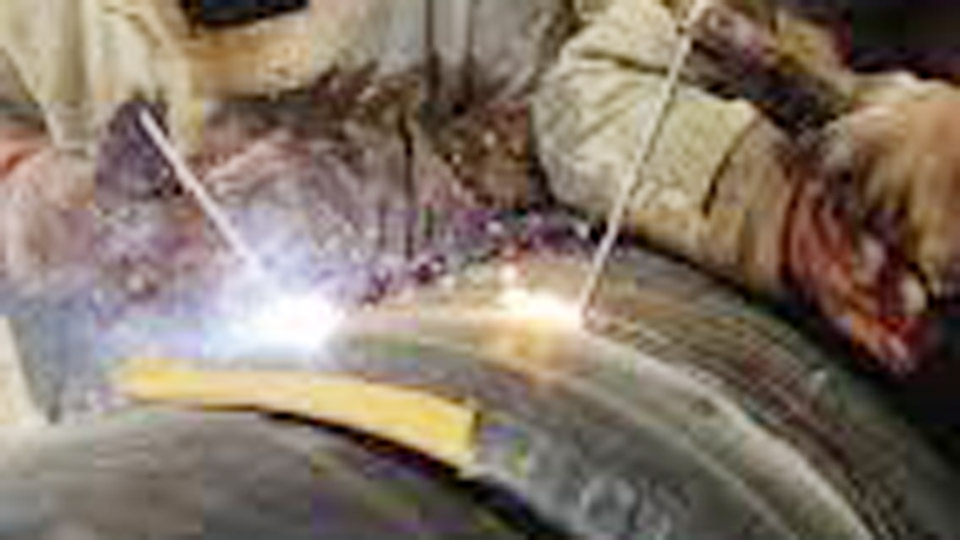
Image by canadianmetalworking
What Is Pipeline Welding and Why Should You Care?
Pipeline welding is all about joining sections of pipe to create leak-proof systems that transport fluids or gases over long distances. We’re talking carbon steel pipes mostly, from 4 inches up to giants over 48 inches in diameter, used in oil fields, refineries, or municipal water lines.
Unlike flat-plate welding, this is 3D work—welds have to be perfect all around the circumference, often in fixed positions where you can’t rotate the pipe.
Why dive in? For one, job security. I’ve worked through booms and busts, and pipelines always need maintenance or expansion. Safety’s huge too—a weak weld can cause catastrophic failures, like the ones I’ve seen shut down sites for weeks.
Material compatibility is key; mismatch your filler metal, and you get cracks from hydrogen embrittlement. Cost-wise, doing it right saves on repairs.
In my early days, I botched a joint by skimping on prep, and it cost the crew overtime to grind it out. Lesson learned: strong welds mean reliable jobs and fewer headaches.
From a practical standpoint, pipeline work builds versatility. You learn to weld in ditches, on hillsides, or even underwater if you go that route. It’s physically demanding, sure, but the satisfaction of passing an X-ray inspection? Priceless.
If you’re a fabrication hobbyist, these skills translate to custom builds like roll cages or exhaust systems. Pros use it for high-stakes repairs where integrity is everything.
Getting Your Foot in the Door: Education and Training Basics
Starting pipeline welding means building a foundation first. You can’t just grab a welder and hit the pipe— you need skills that hold up under inspection. Most folks I know kicked off with basic education, then specialized.
High School and Beyond
Finish high school or grab a GED—it’s non-negotiable for most programs and jobs. Shop classes helped me early on, teaching measurements and basic metalwork. Math matters too; calculating angles and fit-ups prevents gaps that weaken joints.
If you’re industry-bound, aim for a certificate or associate’s in welding. I’ve trained guys who skipped this and regretted it—without basics, you’re playing catch-up on codes and safety.
Choosing a Welding School or Program
Pick a school with hands-on pipe training. Look for ones partnered with brands like Lincoln Electric; they teach real equipment. Programs run 9-12 months, covering arc welding types.
In my experience, the best have instructors who’ve welded pipelines themselves. They’ll show you 5G and 6G positions—horizontal fixed and 45-degree inclined—which are pipeline staples. Avoid online-only; you need booth time to feel the puddle control.
Cost efficiency tip: Community colleges offer affordable options. I started at one in Oklahoma, paying peanuts compared to private schools, and it got me certified quick.
Mastering the Key Welding Processes for Pipelines
Pipeline welding uses specific processes for strength and portability. I’ve used them all on jobs from desert lines to mountain passes. Each has its place based on material, position, and environment.
SMAW (Stick Welding) – The Backbone of Pipeline Work
Stick welding, or SMAW, is my go-to for pipelines because it’s rugged and works without gas in windy fields. You use coated electrodes that provide shielding flux.
How it works: Strike an arc with the rod, melt it into the joint, and build layers. For pipes, start with E6010 for root passes—it’s cellulosic, digs deep for penetration in vertical down.
When to use: Outdoor jobs where equipment’s mobile. Why? No tanks to haul, and it handles dirty steel.
Machine settings: Amp it up to 90-120 for 1/8-inch rods on carbon pipe. Prep joints with a 30-degree bevel for full fusion.
Personal tip: On my first big line, I burned half-rods to keep heat consistent—full ones get too hot and slag runs.
GTAW (TIG) for Precision Joints
TIG, or GTAW, uses a tungsten electrode and inert gas for clean, high-integrity welds. It’s slower but produces defect-free joints.
How: Hold the torch steady, feed filler wire manually. Gas like argon shields the puddle.
When and why: Critical areas like nuclear or high-pressure gas lines where porosity can’t happen. It’s great for root passes on thin walls.
Settings: 100-150 amps DC for steel, with a 2% thoriated tungsten sharpened to a point.
I’ve used TIG to fix leaks on live lines—hot tapping—where strength is life-or-death. Mistake to avoid: Dirty tungsten causes contamination; always grind fresh.
Other Processes Like FCAW and GMAW
Flux-cored (FCAW) is fast for filler passes, using wire with internal flux. GMAW (MIG) sprays metal with gas shield, good for roots in shop settings.
When: FCAW for all-position speed on thick pipes; GMAW indoors to avoid wind blowing gas.
Pros and cons table:
| Process | Pros | Cons |
|---|---|---|
| SMAW | Portable, no gas needed, handles weather | Slower, more slag cleanup |
| GTAW | Clean welds, precise control | Slow, requires skill and gas |
| FCAW | High deposition, fast filling | Flux residue, not for roots usually |
| GMAW | Continuous wire, less spatter | Wind-sensitive, equipment-heavy |
In the field, I mix them—GTAW root, FCAW fill—for efficiency.
Essential Equipment and Gear You’ll Need
Don’t skimp on gear; it keeps you safe and productive. Start with a reliable welder—diesel generators for remote sites, like those 200-amp units I’ve hauled across states.
Basics: Electrode holders, cables, chipping hammers, wire brushes. For pipes: Clamps for alignment, jacks for positioning, bevelers for joint prep.
Safety gear: FR clothing, gloves, hood with auto-dark lens. I’ve seen burns from cheap hoods flipping up mid-weld.
Alternatives: If no beveler, use an angle grinder—messy but works in a pinch. Filler metals: Match to base, like ER70S-6 wire for mild steel.
Shop tip: Keep rods dry in ovens to prevent hydrogen cracks—I’ve lost welds to moisture.
Step-by-Step: Making Your First Pipeline Weld
Let’s get hands-on. I’ll walk you through a basic 6-inch carbon steel pipe weld in 5G position—horizontal fixed, like most field work.
Prepping the Pipe
Cleanliness is king. Cut ends square, bevel to 37.5 degrees for V-groove. Use a pipe cutter or torch; grind smooth.
Align sections with clamps—internal for tight fits. Tack weld at 12, 3, 6, 9 o’clock to hold.
Why? Poor prep leads to lack of fusion. I’ve redone joints because of mill scale left on.
The Root Pass
Start at top (12 o’clock) with E6010 rod, vertical down. Amp: 80-100. Whip motion for penetration.
Work halves: One welder top to bottom, another meets at bottom. Key: Full root opening fusion without burn-through.
Tip: If thin pipe, lower amps to avoid holes. Practice on scrap—my first roots looked like Swiss cheese.
Hot Pass, Filler, and Cap
Hot pass: E7018 low-hydrogen rod, high amps (120-140) to burn slag, concave bead.
Filler: Multiple layers with larger rods for volume, weaving to fill groove.
Cap: Flush finish, no excess—grind if needed. Vertical up for strength.
Inspect visually; X-ray for pros. Common fix: Grind undercuts, reweld.
In rain-soaked fields, I’ve tented setups to keep dry—adapt or fail.
Common Mistakes I’ve Seen (and Made) on the Job
Rookies rush roots, causing incomplete penetration—fix by grinding out and restarting. I’ve done it, learned slow is strong.
Oversized caps concentrate stress; keep flush. Falling behind quota? Poor planning—prep ahead.
Slag inclusion from lazy chipping; always brush hot. Hydrogen cracks? Use low-hy rods, preheat to 200°F.
Position switches mid-weld mess puddle control—practice transitions.
Pro tip: Mock up joints at home; saves embarrassment on site.
Safety Tips That Can Save Your Life
Pipeline work’s hazardous—flash burns, falls, fumes. Always PPE: Hood, gloves, boots.
Ventilate for hex chrome in stainless. Ground properly to avoid shocks.
In ditches, shore walls against collapse. I’ve seen close calls from ignored tie-backs.
Hot tapping? Pressure checks first. Rest when fatigued—mistakes multiply.
Material handling: Lift with legs, use cranes for heavy sections.
Building Experience: Apprenticeships and First Jobs
After school, apprentice 3-4 years—paid learning under pros. I’ve mentored dozens; it’s where theory meets mud.
Start as helper: Fetch rods, grind, learn by watching. Unions like Pipefitters offer paths—apply during open seasons.
Network at schools; instructors hook you up. In Texas, contractors hire green if you show hustle.
Resume tip: Highlight hands-on, even garage projects.
Certifications That Open Doors
Get AWS Certified Welder—tests pipe positions. API 1104 for pipelines specifically.
Renew every six months with continuity logs. I’ve tested in 6G; it’s tough but doors fly open.
No experience? Schools prep you. Endorsements in SMAW/GTAW boost pay.
Advancing Your Career in Pipeline Welding
Once started, specialize—underwater or nuclear for big bucks. Travel gigs pay per diem; I’ve chased lines from Alaska to Gulf.
Lead roles come with experience—oversee crews, inspect. Continuous learning: New alloys, automated rigs.
Balance life; road warrior burnout’s real. Save during booms for lean times.
Job outlook’s solid—over 400k welder spots by 2030, pipelines growing with energy needs.
Conclusion
You’re better equipped to pick processes, prep joints, and avoid pitfalls that sink newbies. With this, you’ll weld stronger, safer, and smarter—whether fixing a leak in your shop or laying miles of line. Always preheat in cold weather; it prevents cracks and saves you grinding time later. Get out there, strike that arc, and build something lasting.
FAQs
What’s the best welding process for a beginner in pipeline work?
Stick welding’s your starter—portable and forgiving on dirty jobs. Master SMAW first for roots, then branch out. I’ve taught apprentices this way; builds confidence quick.
How do I avoid common cracks in pipeline welds?
Preheat to 150-250°F based on thickness, use low-hydrogen rods, and keep interpass temps consistent. I’ve fixed many by grinding and rewelding—prevention’s easier.
What gear do I need for my first pipeline practice session?
Welder (200-amp min), E6010/E7018 rods, chipping hammer, grinder, clamps. Add safety stuff like hood and gloves. Start cheap, upgrade as you go—my first kit was secondhand but solid.
Is certification necessary to start pipeline welding jobs?
Yeah, most contractors want AWS or API creds. It proves you can weld to code. I got mine post-school; landed better gigs immediately.
How long before I can work on real pipelines?
After 6-12 months training and apprenticeship, you’re entry-level. Gain 1-2 years experience for solo work. Patience pays—rushing leads to fired welds and you.