
Stick welding thin sheet metal is one of those tasks that really tests your patience and control. Thin steel heats up fast, and with a stick welder it doesn’t take much to blow a hole right through the workpiece. I’ve had plenty of times where the settings looked right on paper, but poor arc control, the wrong electrode choice, or uneven joint prep turned a simple weld into a patch-and-grind job.
Compared to MIG or TIG welding, stick welding thin metal takes a lighter touch, careful attention to amperage, and a good understanding of metal thickness. Getting it right matters for weld strength, appearance, and avoiding warping or burn-through — especially on repairs where you don’t get a second chance.
In this guide, I’ll share the practical, shop-tested techniques I use to stick weld thin sheet metal cleanly, confidently, and without chasing holes across the panel.
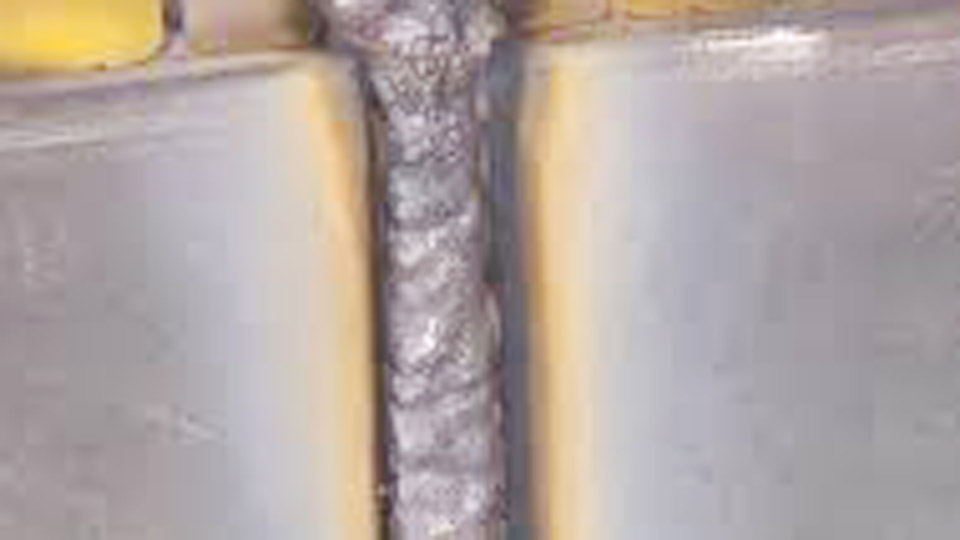
Image by red-d-arc
Understanding the Challenges of Stick Welding Thin Sheet Metal
Stick welding, or SMAW, isn’t the first process most folks think of for thin materials. I’ve seen plenty of beginners grab their welder and dive in, only to blow holes right through the sheet. The key challenge here is heat management. Thin metal—think 16 gauge or thinner—heats up fast and doesn’t dissipate it well, leading to distortion, burn-through, or incomplete fusion.
From my experience, the thinner the metal, the more unforgiving it is. On a job repairing farm equipment once, I had to weld 20-gauge patches on a hopper, and without the right approach, those sheets warped like a potato chip. Safety comes into play too; excessive heat can create fumes or spatter that catches you off guard if you’re not geared up.
Why Thin Metal is Tricky with Stick Welding
Thin sheet metal conducts heat quickly, so your arc can melt through before you even form a proper puddle. Unlike thicker stock where you can crank up the amps, here you need finesse. Material type matters—mild steel is common, but stainless or galvanized adds complications like zinc fumes or extra prep.
I remember my first attempt at welding thin exhaust tubing; I used too much amperage and ended up with more holes than metal. The trick is recognizing that stick welding’s high heat input makes it “hard mode” for thin stuff, but with practice, it’s doable and even preferable in outdoor or remote jobs where portability counts.
Common Mistakes to Avoid When Stick Welding Thin Metal
One big mistake is rushing in without testing settings on scrap. I’ve done it, and it cost me a whole sheet of material. Another is using the wrong polarity—DCEP might dig too deep, while DCEN keeps heat shallower.
Don’t overlook joint gaps; even a tiny one amplifies burn-through. Weaving too wide spreads heat unevenly, and welding long runs without breaks warps everything. Fix these by starting slow, tacking often, and cooling between passes. Trust me, patience here prevents a lot of grinding later.
Essential Equipment and Materials for Stick Welding Thin Sheet Metal
You don’t need a top-shelf setup, but the right tools make all the difference. I’ve welded thin metal with basic inverter machines in garages and pro shops alike, focusing on what gets the job done reliably.
Choosing the Right Stick Welder for Thin Materials
Look for an inverter welder that dials down to low amps, like 40-60A. My go-to is something like a basic DC unit—AC works too, but DC gives better control. Portability is key for hobbyists; pros might prefer heavier-duty models for consistent output.
In the US, machines meeting AWS standards ensure reliability. Avoid buzz boxes if they can’t go below 50A; they’ll frustrate you on 18-gauge or thinner.
Best Electrodes for Thin Sheet Metal
Electrode choice is crucial. I swear by 1/16-inch E6013 for its easy arc start and shallow penetration—perfect for thin mild steel. Run it at 50-60 amps on DCEN.
For a bit more strength, try 3/32-inch E7014; it’s forgiving downhill and runs cooler. Avoid aggressive rods like E6010 unless you’re whipping; they dig deep and risk holes.
Here’s a quick comparison table of rods I’ve used:
| Electrode | Diameter | Best Amps | Pros | Cons |
|---|---|---|---|---|
| E6013 | 1/16″ | 50-60A | Easy slag removal, smooth beads | Less penetration for thicker joints |
| E7014 | 3/32″ | 75-90A | Runs cool, good for positions | Can be sticky if amps are too low |
| E6011 | 3/32″ | 55-70A | Handles rust well | Deeper dig, higher burn-through risk |
Always store rods dry; moisture ruins them fast.
Safety Gear You Can’t Skip
Safety isn’t optional—I’ve seen burns from spatter on thin welds. Wear flame-resistant gloves, a helmet with at least shade 10 lens, and a respirator for fumes, especially on galvanized.
Leather jackets protect arms, and sturdy boots guard against drops. In workshops, good ventilation or exhaust fans keep air clear, aligning with OSHA guidelines for US welders.
Preparing Your Workspace and Materials
Prep work is half the battle. I’ve rushed this and paid for it with poor welds, so take your time.
Cleaning and Joint Preparation for Thin Sheet Metal
Cleanliness prevents contamination. Grind off rust, paint, or scale with a wire brush or angle grinder. For galvanized, remove zinc to avoid toxic fumes—use vinegar or a dedicated remover.
Joint types: Lap joints beat butts for thin metal; they distribute heat better. Tight fit-ups—no gaps over 0.5mm—reduce burn risk. Clamp pieces securely; vibration ruins arcs.
Setting Up for Success in Stick Welding Thin Metal
Organize your space: Good lighting spots defects early. Position work flat or vertical-down to gravity-help the puddle. Have scrap ready for tests—match your project metal.
Back Purging? Not always needed, but for stainless, it prevents sugaring. Simple setups with argon work if you’re fancy, but for mild steel, skip it.
Step-by-Step Guide to Stick Welding Thin Sheet Metal
Let’s get hands-on. This is how I approach it every time.
Adjusting Machine Settings for Thin Materials
Start with DCEN polarity for shallower heat. Amps: 40-60 for 1/16″ rods on 18-20 gauge. Test on scrap—too low sticks, too high burns.
Arc force low for control. On inverters, hot start helps initiate without sticking. For AC, aim for 50A min; it’s trickier but doable.
Techniques to Prevent Burn-Through
Use stitch welding: Short 1/4-inch tacks every 2 inches, alternating sides to cool. Strike arc, form puddle, move fast—whip or dab for control.
Travel speed matters—faster reduces heat dwell. Keep arc short; long arcs concentrate heat badly. For corners, start outside; the edge acts as a sink.
If blow-through happens, stop, cool, grind, and patch with lower amps.
Practicing on Scrap Before the Real Weld
Always practice. I once welded a thin panel without testing and warped it beyond repair. Run beads on similar gauge, adjust until no holes.
Focus on puddle observation—keep it small and moving. Build confidence with laps, then butts. Time yourself; efficiency comes with reps.
Advanced Tips and Tricks for Stick Welding Thin Sheet Metal
Once basics click, these elevate your game.
Using Heat Sinks to Control Temperature
Copper backing is gold. Clamp a thick bar behind the joint—it absorbs heat, preventing sag. I’ve made spoons from pipe for curved spots.
Aluminum works too, but copper’s better conductivity shines. For tubing, stuff with wet rags if access allows—evaporation cools.
Pros: Reduces distortion. Cons: Adds setup time, not always feasible in tight spots.
Welding Different Joint Types on Thin Metal
Laps: Overlap 1/2 inch, tack edges first. Butts: Back with copper, use filler if gaps exist.
Tees and corners: Angle for strength, weld downhill. For tubing, vertical-down with 7014 prevents sagging.
Examples: Automotive patches use laps for flush fits; HVAC ducts favor tees for airflow.
Fixing Common Issues Like Holes and Warps
Holes? Grind clean, back with copper, fill with short dabs. Warps? Hammer while hot or use clamps to counter.
Multi-pass if needed, but on thin, single’s often enough. Cool slowly with blankets to minimize stress.
Real-World Applications of Stick Welding Thin Sheet Metal
In the field, this skill shines. I’ve repaired trailer fenders—16-gauge mild steel, lap joints at 55A with 6013. Held up to road abuse.
For hobbyists, custom racks: Thin square tubing, stitch welds prevent collapse. Pros in fabrication: Exhaust mods, using 6011 for rusty spots.
Students, practice on shop projects like toolboxes. Industry workers, think prototypes—quick, cheap fixes before final assembly.
Cost efficiency: Stick’s low setup beats MIG gas costs. Safety: Strong welds prevent failures in load-bearing apps like gates.
One anecdote: On a ranch job, welded thin gates in wind—portable stick saved the day, no power for TIG.
Comparing Stick Welding to Other Processes for Thin Metal
Stick vs. MIG: MIG’s easier for thin, less heat, but stick’s tougher in outdoors.
Vs. TIG: TIG’s precise, but slow and pricey. Stick’s faster for quick repairs.
Pros of stick: Portable, cheap rods. Cons: More skill needed, slag cleanup.
Table for clarity:
| Process | Heat Input | Ease on Thin | Cost |
|---|---|---|---|
| Stick | High | Challenging | Low |
| MIG | Low | Easy | Medium |
| TIG | Controlled | Precise | High |
Stick wins for versatility in US shops following ASME codes.
Troubleshooting Weld Quality on Thin Sheet Metal
Beads too blobby? Lower amps. Undercut? Slow travel. Porosity: Clean better or dry rods.
Inspect visually: No cracks, even fusion. Test bends for strength. If weak, redo with better prep.
Maintaining Your Equipment for Consistent Results
Clean stingers, check cables for wear—frayed ones arc poorly. Store machines dry; dust kills inverters.
Rod ovens keep electrodes moisture-free. Regular maintenance ensures low-amp stability crucial for thin work.
Conclusion
You’ve now got the tools to tackle stick welding thin sheet metal with confidence. From choosing rods like 6013 for shallow runs to techniques like stitching and heat sinks, you’re set to avoid common pitfalls and produce strong, distortion-free welds. Whether it’s for a DIY project or pro fabrication, this skill boosts your versatility and saves bucks on materials.
Remember, practice on scrap is your best friend—it turns frustration into mastery. Always start with the lowest amps that hold an arc; it’s easier to amp up than fix a hole. Now, grab your welder and get after it—you’re more prepared than ever.
What electrode is best for welding thin sheet metal?
For thin sheet metal, I recommend 1/16-inch E6013. It starts easy, penetrates shallow, and leaves clean slag. Run it at 50-60 amps on DCEN for mild steel to minimize burn-through.
How do I prevent burn-through when stick welding thin metal?
Prevent burn-through by using low amps, short tacks, and fast travel. Add a copper heat sink behind the joint, keep arcs tight, and let cools between passes. Practice on scrap to dial in your speed.
What amperage should I use for welding 18-gauge sheet metal?
Aim for 55-70 amps with a 3/32-inch rod like E7014 on DCEN. Test on similar material—too high melts through, too low sticks. Adjust based on your machine and rod.
Can I stick weld galvanized thin sheet metal?
Yes, but remove zinc first with grinding or acid to avoid fumes. Use E6011 for any rust, low amps, and good ventilation. It’s trickier, so prioritize safety.
What’s the difference between DCEN and DCEP for thin metal welding?
DCEN puts more heat in the workpiece for shallower penetration—ideal for thin metal. DCEP heats the electrode more, digging deeper, so save it for thicker stock. Switch if your machine allows for better control.