
Identifying stainless steel screws is crucial for construction projects, repairs, and maintenance work. Unlike regular steel fasteners, stainless steel screws offer superior corrosion resistance and durability, making them essential for outdoor applications and moisture-prone environments. This guide will teach you seven reliable methods to determine whether your screws are made from stainless steel.
Understanding Stainless Steel Screw Characteristics
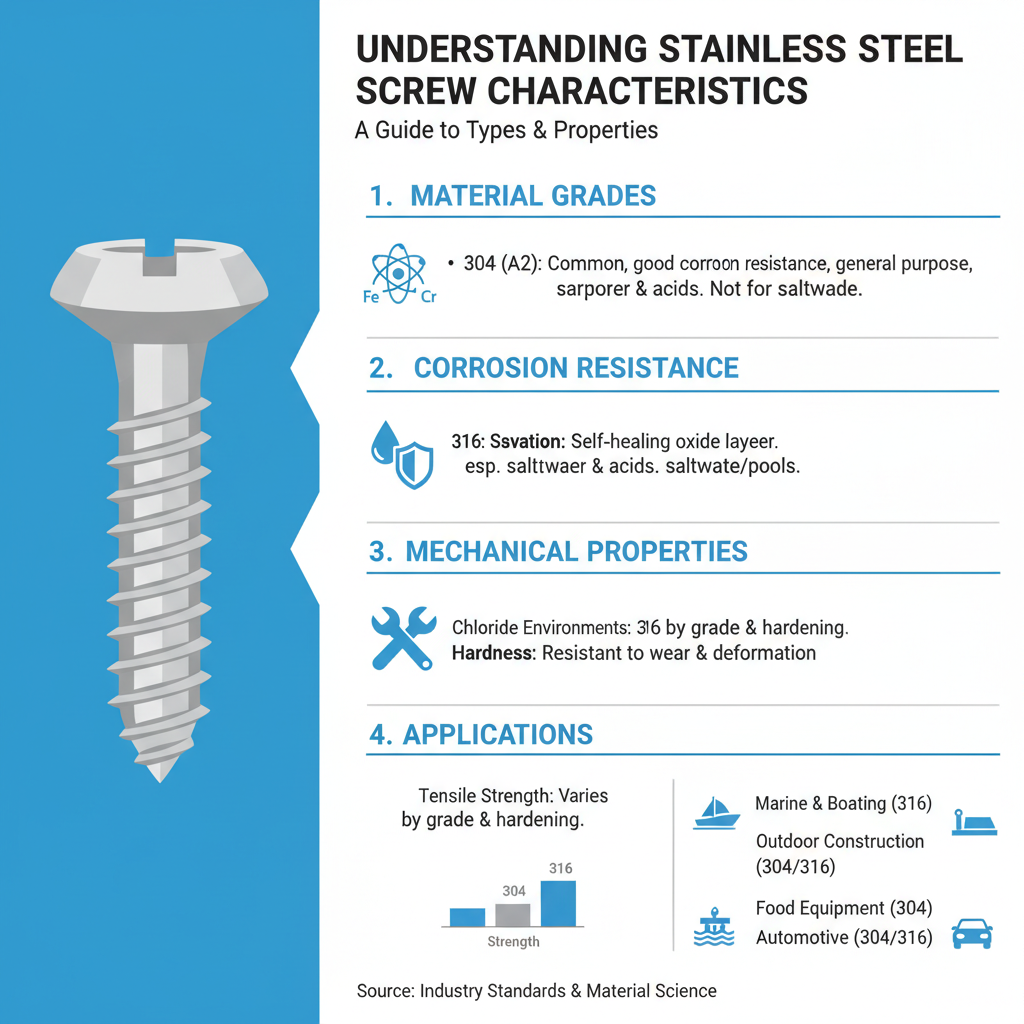
Stainless steel screws contain chromium, typically 10.5% or more, which creates a protective oxide layer on the surface. This composition gives stainless steel its distinctive properties and appearance.
The most common grades of stainless steel screws include:
– 304 stainless steel (most common)
– 316 stainless steel (marine grade)
– 410 stainless steel (magnetic variety)
Visual identification often provides the first clues. Stainless steel screws typically have a bright, silvery appearance with a slightly duller finish compared to chrome-plated screws. They maintain their luster over time without showing rust spots or discoloration.
Method 1: The Magnet Test
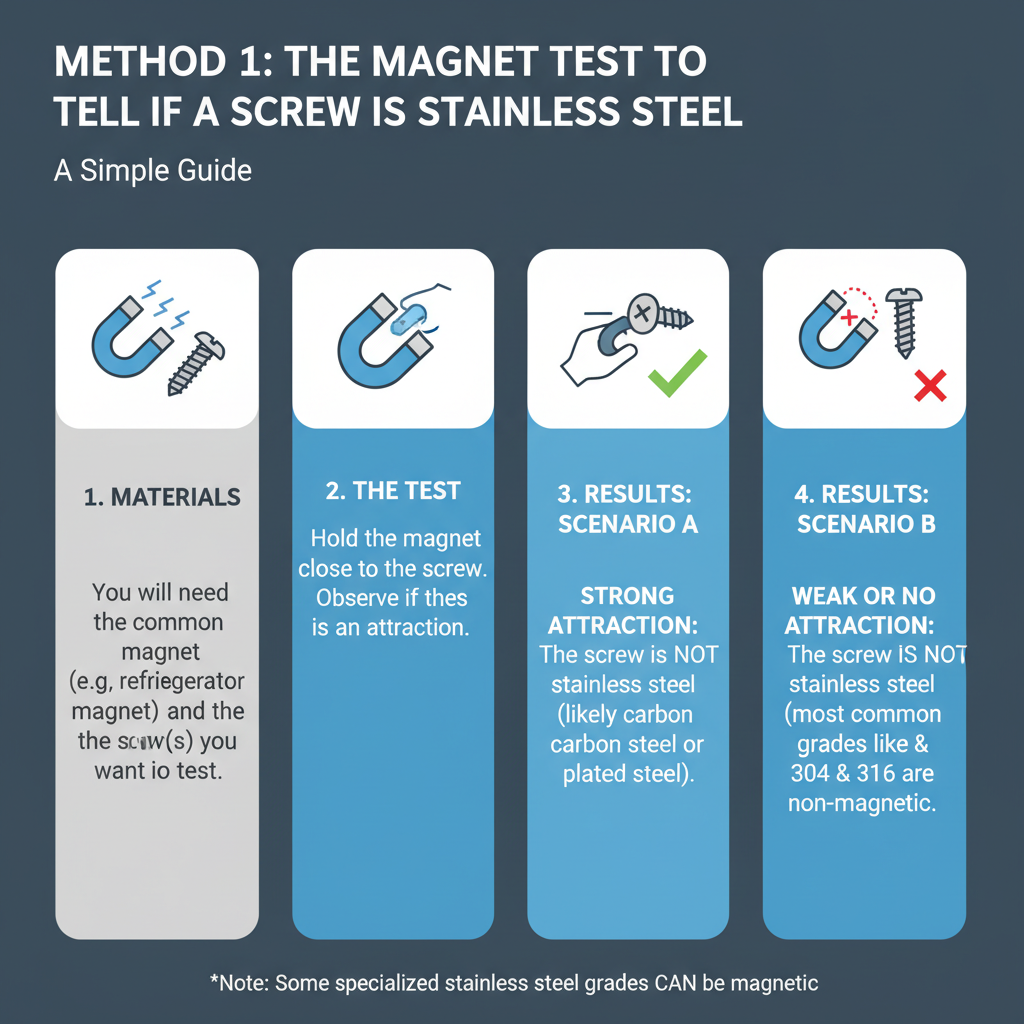
The magnet test is the quickest way to identify stainless steel screws. Most stainless steel grades (304 and 316) are non-magnetic or weakly magnetic.
Here’s how to perform the test:
1. Use a strong neodymium magnet or rare earth magnet
2. Bring the magnet close to the screw
3. Observe the magnetic attraction
Results interpretation:
– No attraction or very weak attraction: Likely 304 or 316 stainless steel
– Strong magnetic attraction: Could be 410 stainless steel or regular steel
– Moderate attraction: Possibly work-hardened stainless steel
Note that some stainless steel screws may show slight magnetism due to cold working during manufacturing. The rare earth magnet test should be combined with other identification methods for accurate results.
Method 2: Visual Inspection and Surface Analysis
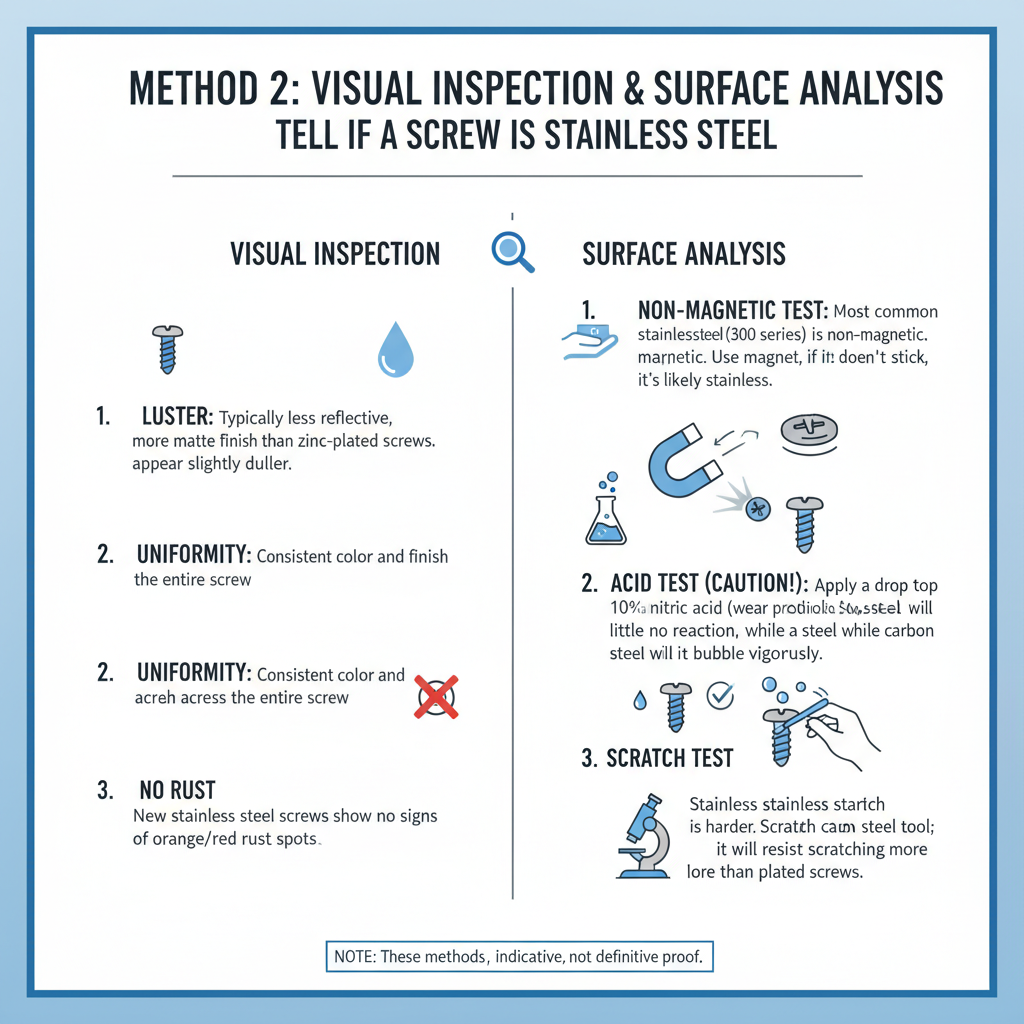
Stainless steel screws have distinctive visual characteristics that differentiate them from other materials.
Color and finish indicators:
– Bright, silvery-white appearance
– Consistent color throughout the surface
– No rust, corrosion, or discoloration
– Slightly matte finish compared to chrome plating
Surface texture examination:
– Smooth, even surface without pitting
– No flaking or peeling coating
– Uniform grain structure visible under magnification
Markings and stamps:
Many manufacturers stamp stainless steel screws with grade markings like “304,” “316,” or “SS.” Check the screw head for these identifications.
Method 3: The Spark Test
The spark test involves grinding a small portion of the screw to observe the sparks produced. This method requires safety equipment and should only be performed by experienced individuals.
Equipment needed:
– Bench grinder or angle grinder
– Safety glasses and gloves
– Well-ventilated area
Procedure:
1. Lightly touch the screw to the grinding wheel
2. Observe the spark pattern and color
3. Compare results with known materials
Spark characteristics:
– Stainless steel: Few sparks, orange-red color, short spark stream
– Carbon steel: Many bright white sparks, long streaming pattern
– Cast iron: Abundant red sparks with star-like bursts
Method 4: Chemical Testing Methods
Chemical tests provide definitive identification of stainless steel composition. These tests are particularly useful when other methods yield inconclusive results.
Nitric acid test:
This professional-grade test involves applying diluted nitric acid to determine chromium content. Due to safety concerns, this test should only be performed by qualified professionals with proper safety equipment.
Stainless steel testing solutions:
Commercial testing solutions are available that change color when applied to stainless steel. These solutions are safer than nitric acid and provide reliable results for field testing.
Copper sulfate test:
1. Clean the screw surface thoroughly
2. Apply copper sulfate solution
3. Wait 2-3 minutes
4. Observe color changes
Results: Stainless steel will not show copper deposits, while regular steel will develop a copper-colored coating.
Method 5: Weight and Density Comparison
Stainless steel has a different density compared to regular steel, affecting the weight of identical-sized screws.
Density values:
– 304 stainless steel: 8.0 g/cm³
– 316 stainless steel: 8.0 g/cm³
– Carbon steel: 7.85 g/cm³
While the difference is small, stainless steel screws are slightly heavier than carbon steel screws of the same size. This method works best when comparing multiple screws of known and unknown materials.
Practical comparison:
1. Gather screws of identical size and thread pitch
2. Use a precision scale to weigh each screw
3. Compare weights to identify material differences
Method 6: Corrosion Resistance Testing
Stainless steel’s primary advantage is its corrosion resistance. Simple exposure tests can help identify stainless steel screws.
Salt water test:
1. Prepare a salt water solution (3.5% salt concentration)
2. Submerge test screws for 24-48 hours
3. Examine for rust or corrosion signs
Results:
– Stainless steel: No rust or minimal surface staining
– Regular steel: Visible rust formation within hours
Accelerated corrosion test:
For faster results, create a more aggressive environment using salt spray or higher salt concentrations. Monitor screws every few hours for corrosion signs.
Method 7: Professional Testing and Certification
When absolute certainty is required, professional testing provides definitive material identification.
X-ray fluorescence (XRF) testing:
XRF analyzers can determine exact chemical composition within seconds. Many metal suppliers and testing laboratories offer this service.
Benefits of professional testing:
– Precise alloy identification
– Chromium and nickel content analysis
– Certification for critical applications
– Documentation for quality control
When to use professional testing:
– Critical structural applications
– Marine or chemical environments
– Quality control requirements
– Large quantity purchases
Common Mistakes to Avoid
Relying solely on appearance:
Chrome-plated screws can look similar to stainless steel but lack corrosion resistance. Always combine visual inspection with other testing methods.
Assuming all non-magnetic screws are stainless steel:
Some aluminum and brass screws are also non-magnetic. Use multiple identification methods for accuracy.
Ignoring manufacturer markings:
Many stainless steel screws have grade stamps or markings that provide definitive identification. Always check for these markings first.
Using weak magnets:
Refrigerator magnets may not provide reliable results. Use strong neodymium magnets for accurate magnetic testing.
Practical Applications and Importance
Understanding screw material composition is essential for:
Construction projects:
Using the correct fasteners ensures structural integrity and longevity. Stainless steel screws prevent failure due to corrosion in outdoor applications.
Marine environments:
Saltwater exposure requires marine-grade stainless steel (316) for optimal performance. Regular steel screws will fail rapidly in these conditions.
Food service equipment:
Stainless steel screws meet food safety requirements and resist cleaning chemical damage.
Automotive applications:
Exhaust systems and exposed components benefit from stainless steel’s heat and corrosion resistance.
Conclusion
Identifying stainless steel screws requires a systematic approach using multiple testing methods. The magnet test provides quick initial screening, while visual inspection reveals surface characteristics unique to stainless steel. Chemical testing and professional analysis offer definitive identification when certainty is crucial.
Combining these seven methods ensures accurate material identification, helping you select the right fasteners for your specific application. Remember that stainless steel screws cost more than regular steel but provide superior performance in corrosive environments.
For critical applications, always verify material composition through professional testing or purchase from certified suppliers who provide material documentation. This investment in proper identification prevents costly failures and ensures project success.
Whether you’re working on construction projects, marine applications, or general repairs,