
Powder coated metal surfaces provide excellent durability and appearance, but even the toughest finishes can develop chips, scratches, or wear spots over time. Learning how to touch up powder coated metal properly can restore your items to their original condition and extend their lifespan significantly.
To touch up powder coated metal, first clean and sand the damaged area, apply primer if metal is exposed, then apply matching touch-up coating in thin layers. The key is proper surface preparation and gradual color buildup for a seamless blend with the existing finish.
Assess The Powder Coating Damage on Metal surface
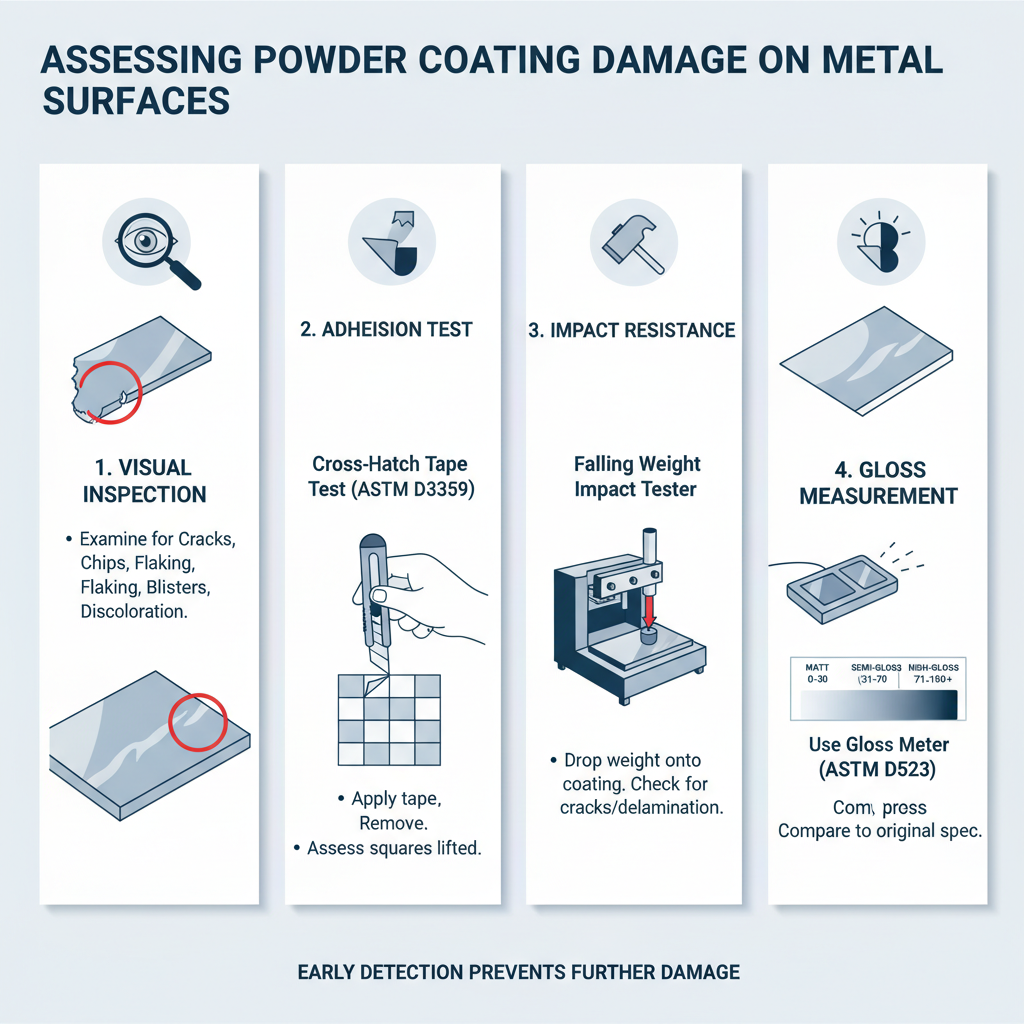
Before attempting any repairs, it’s crucial to assess the type and extent of damage to your powder coated surface. Common issues include surface scratches, deep gouges, chipped areas, and general wear patterns.
Surface scratches typically only affect the top layer of the powder coating and are the easiest to repair. These often appear as light marks that haven’t penetrated through to the metal substrate. Deep gouges and chips, however, expose the underlying metal and require more extensive repair work.
Environmental factors like UV exposure, salt air, and temperature fluctuations can cause powder coating to fade, chalk, or develop hairline cracks. Understanding the root cause helps determine the best repair approach and prevents future damage.
Rust-Mort Super is an excellent product for treating any exposed metal areas where corrosion has begun to form. This phosphoric acid-based solution converts rust and etches the metal surface, creating an ideal foundation for new coating adhesion.
Essential Tools and Materials for Powder Coating Touch-Ups
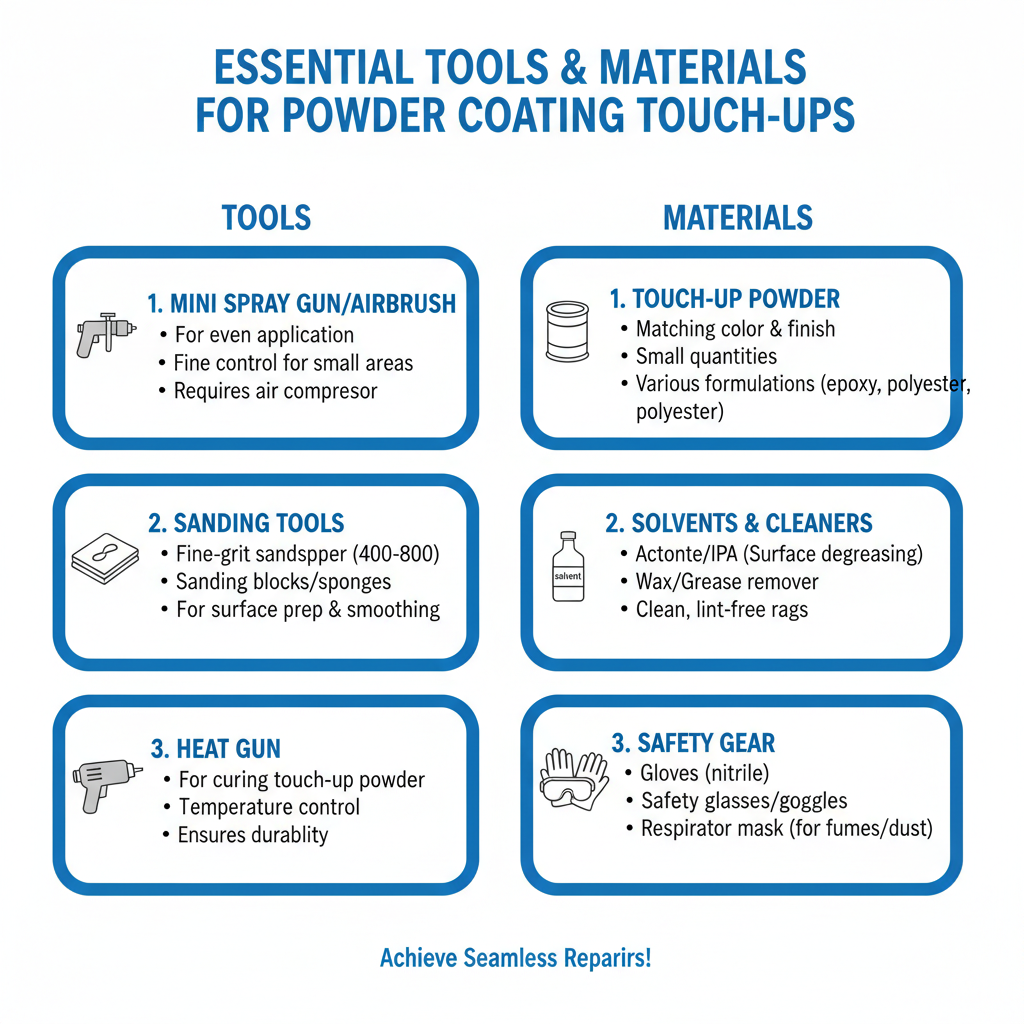
Successful powder coating repairs require specific tools and materials. Having everything prepared before starting ensures a smooth workflow and better results.
Cleaning and Preparation Supplies
Start with degreasing agents and cleaning solvents to remove dirt, oil, and contaminants. Isopropyl alcohol or acetone work well for final cleaning steps. You’ll also need various grits of sandpaper, ranging from coarse (80-120 grit) for heavy damage to fine (400-600 grit) for blending.
Steel wool or abrasive pads help with surface preparation, while tack cloths remove dust particles before coating application. A clean, lint-free environment is essential for professional results.
Application Tools
Depending on your chosen repair method, you might need spray guns, brushes, or aerosol cans. Small artist brushes work well for precise touch-ups, while foam brushes provide smooth coverage on larger areas.
Masking tape and plastic sheeting protect surrounding areas from overspray. A heat gun or hair dryer can accelerate curing times for certain coating types.
Step-by-Step Touch-Up Process of Powder Coated Metal
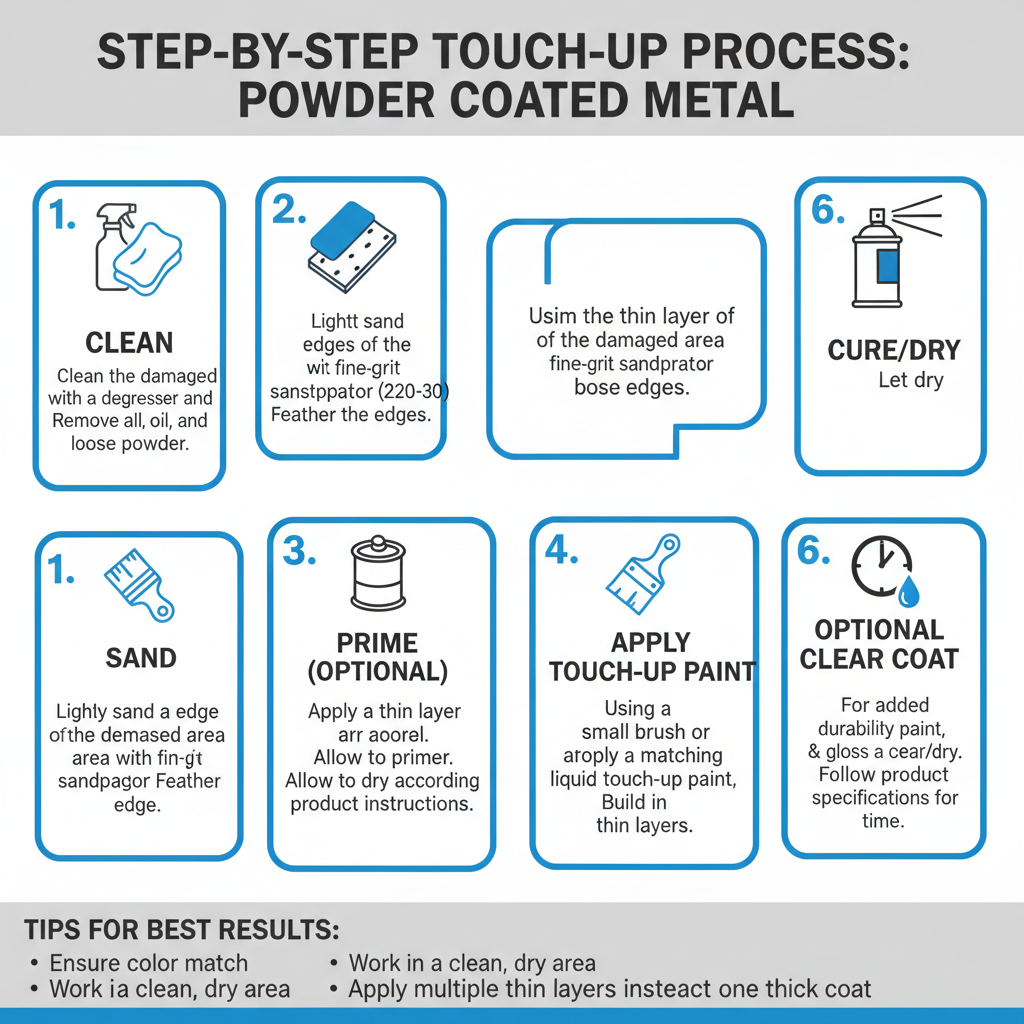
Step 1: Surface Assessment and Cleaning
Begin by thoroughly examining the damaged area under good lighting. Mark all spots requiring attention with removable tape or chalk. This prevents missing areas during the repair process.
Clean the entire surface with a degreasing agent, paying special attention to the damaged areas. Remove all dirt, grease, wax, and other contaminants that could interfere with coating adhesion.
Step 2: Damage Preparation
For minor scratches, light sanding with 400-grit sandpaper may be sufficient. Sand in circular motions, gradually expanding the repair area to blend with the surrounding coating.
Deep scratches and chips require more aggressive preparation. Start with coarser sandpaper (120-220 grit) to remove loose coating and create clean edges around the damage. Feather the edges to create a smooth transition zone.
If rust is present, treat it immediately with a rust converter or removal product. Allow the treatment to work according to manufacturer instructions before proceeding.
Step 3: Primer Application
Exposed metal areas typically require primer application before the topcoat. Choose a primer compatible with both the metal substrate and your chosen touch-up coating.
Apply primer in thin, even coats, allowing proper drying time between applications. Most primers require 24 hours to fully cure before topcoat application.
SEM Plastic Prep Spray works exceptionally well for preparing various substrates, including metal surfaces that have been treated with rust converters. This product ensures optimal adhesion between different coating layers.
Step 4: Color Matching and Coating Application
Matching the original powder coating color can be challenging. If possible, obtain the original color code from the manufacturer or take a sample to a coating supplier for matching.
Apply the touch-up coating in thin layers, building up coverage gradually. Multiple thin coats provide better durability and appearance than single thick applications.
For aerosol applications, maintain consistent distance and overlap patterns. Brush applications require steady, even strokes with minimal overlap to avoid brush marks.
Step 5: Blending and Finishing
Once the base color is applied and dried, focus on blending the repair area with the surrounding coating. Light sanding with fine-grit paper (600-800 grit) can help smooth transitions.
Some repairs benefit from clear coat application over the entire panel to ensure uniform gloss levels. This is particularly important for high-visibility areas or items with significant aesthetic requirements.
Common Mistakes to Avoid
Many DIY powder coating repairs fail due to inadequate surface preparation. Rushing through cleaning and sanding steps almost guarantees poor adhesion and premature failure of the repair.
Temperature and humidity conditions significantly affect coating performance. Avoid repairs during extreme weather conditions or in poorly ventilated areas. Most coatings require temperatures between 65-85°F and relative humidity below 50% for optimal results.
Applying coats too thickly is another common error. Thick applications are prone to runs, sags, and poor adhesion. Always follow manufacturer recommendations for film thickness and drying times.
Contamination between coats can cause adhesion problems and surface defects. Keep work areas clean and avoid touching prepared surfaces with bare hands.
Advanced Repair Techniques
Wet Sanding Methods
For high-quality repairs on visible surfaces, wet sanding techniques provide superior results. Use progressively finer grits, starting with 600 and finishing with 1200 or higher.
Wet sanding reduces dust and provides better surface smoothness. Use plenty of water and change it frequently to avoid recontaminating the surface with removed particles.
Spray Application Tips
Professional-quality spray equipment produces the best results for larger repair areas. Adjust spray patterns, pressure, and fluid flow according to the coating manufacturer’s specifications.
Practice spray techniques on test panels before working on the actual item. Consistent gun distance, overlap patterns, and trigger control are essential for uniform coverage.
Heat Curing Considerations
Some powder coating touch-up products benefit from heat curing to achieve maximum durability. Portable heat lamps or ovens can be used for small items, while heat guns work for localized curing.
Monitor temperatures carefully to avoid overheating, which can cause coating defects or discoloration. Use infrared thermometers for accurate temperature measurement.
Maintenance and Prevention
Regular maintenance significantly extends powder coating life and reduces the need for touch-up repairs. Establish a cleaning schedule appropriate for the item’s exposure conditions.
Mild soap and water cleaning removes most contaminants without damaging the coating. Avoid abrasive cleaners or scrubbing pads that can scratch the surface.
Apply protective wax or sealers annually to high-exposure items like outdoor furniture or automotive parts. These products provide additional UV protection and make cleaning easier.
Inspect powder coated items regularly for early signs of damage. Addressing small problems immediately prevents them from becoming major repair projects.
Professional vs. DIY Repairs
While many powder coating touch-ups can be successfully completed by DIYers, some situations require professional attention. Large damaged areas, color matching challenges, or items requiring high durability may benefit from professional refinishing.
Professional powder coating shops have access to original color formulations, specialized equipment, and controlled curing environments. They can also strip and recoat entire items when touch-up repairs aren’t sufficient.
Consider the item’s value, visibility, and performance requirements when deciding between DIY and professional repair. Critical components or expensive items often justify professional treatment.
Cost analysis should include material costs, time investment, and the risk of unsatisfactory results requiring professional correction.
Conclusion
Successfully touching up powder coated metal requires careful preparation, appropriate materials, and attention to detail. By following these step-by-step procedures and avoiding common mistakes, you can achieve repairs that restore both appearance and protection.
Remember that surface preparation is the most critical factor in repair success. Take time to properly clean, sand, and treat damaged areas before applying any coatings. Quality preparation work ensures long-lasting repairs that blend seamlessly with the original finish.
Regular maintenance and prompt attention to minor damage will minimize the need for extensive touch-up work. With proper care and occasional touch-ups, powder coated metal items can provide decades of reliable service while maintaining their attractive appearance.