
Using a stainless steel welding rod without sticking is one of those skills that took me a while to get comfortable with. When I first started doing stainless welding with stick, I’d strike an arc, things looked good for a second… and then tap — the rod glued itself to the metal.
It drove me crazy. That’s when I realized how much arc control, joint prep, metal thickness, and even the angle of the rod matter when you’re running stainless electrodes. Stainless filler rods behave differently than mild steel, and if your heat, travel speed, or technique is even a little off, sticking is almost guaranteed.
Getting it right is important not just for smoother welding, but also for strong, clean welds that hold up in real-world fabrication. In this guide, I’ll break down exactly how to keep that stainless rod running smooth — so you can spend more time welding and less time yanking a stuck electrode off your workpiece.
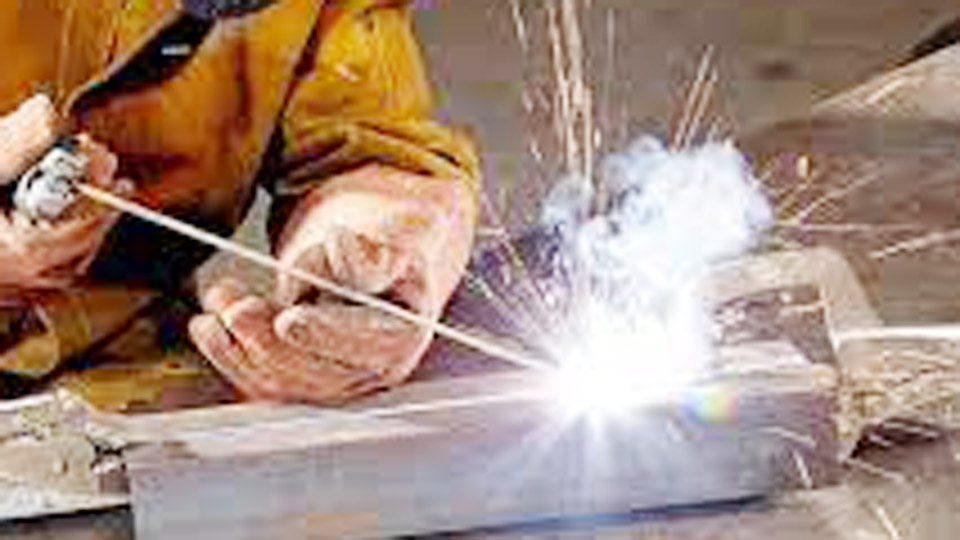
Image by josnoemedical
What Causes a Stainless Steel Rod to Stick
Let’s start with the why, because understanding the root cause is half the battle in preventing it. In stick welding, or SMAW as we call it in the trade, sticking happens when the electrode fuses to the base metal instead of forming a proper arc.
For stainless steel rods, this is often due to low amperage that doesn’t generate enough heat to melt the flux and start the puddle smoothly. The flux on these rods is designed to shield the weld, but if it’s not hot enough, everything just bonds together.
Moisture is another big culprit. Stainless rods, especially low-hydrogen types like 308L or 316L, absorb humidity from the air, which boils off during welding and disrupts the arc, leading to sticking. I’ve had batches of rods sitting out overnight in a humid garage, and the next day, they’re sticking like crazy.
Wrong striking technique plays a role too—if you just tap the rod instead of scratching it like a match, the contact is too brief or too direct, causing fusion without arc initiation.
Material prep matters here as well. If your stainless steel workpiece has oil, rust, or scale, it increases resistance and promotes sticking. And don’t forget about the rod itself; if it’s bent or damaged, it won’t conduct properly.
In my experience, rushing into a weld without checking these factors is a surefire way to frustration. Temperature plays in too—cold metal sucks heat away fast, making the rod stick before the puddle forms.
Joint type and position can exacerbate it. For instance, in tight corners or overhead positions, gravity and poor visibility make maintaining the right arc length tricky, leading to contact and sticking.
Polarity issues, like using the wrong setting on your machine, can also weaken the arc start. I’ve learned the hard way that skipping a quick test bead on scrap can turn a simple job into a headache.
Choosing the Right Stainless Steel Rod for Your Project
Picking the correct stainless steel rod is crucial because not all are created equal, and the wrong one can lead to sticking or poor welds. For most austenitic stainless like 304 or 316, I go with E308L or E316L rods—they’re low-carbon to minimize carbide precipitation and cracking. These run smooth with less spatter, but they need dry storage to avoid moisture-related sticking.
If you’re joining stainless to carbon steel, E309L is your friend; it handles the dissimilar metals without hot cracking. For high-heat applications like exhausts, E310 might be better for its heat resistance, though it’s trickier to run without sticking due to its flux.
Diameter matters too—3/32-inch for thinner materials to keep heat low, 1/8-inch for thicker stuff where you need more filler.
Consider the coating: -16 types are all-position with good slag removal, making them less prone to inclusions that indirectly cause sticking by messing with your technique. -15 are basic flux for better mechanical properties but can be finicky in arc stability. Brands like Lincoln Excalibur burn clean with minimal slag, reducing the chance of interruptions that lead to sticking.
Here’s a quick comparison table to help you choose:
| Rod Type | Best For | Pros | Cons | Typical Amps (1/8″) |
|---|---|---|---|---|
| E308L | 304 stainless | Low spatter, good corrosion resistance | Needs dry storage | 80-110 |
| E309L | Dissimilar metals | Handles carbon mixing well | More slag | 80-100 |
| E316L | 316 stainless, marine | Molybdenum for pitting resistance | Prone to moisture pickup | 75-105 |
| E310 | High-temp | Heat tolerant | Drippy puddle, harder to control | 90-120 |
I once grabbed the wrong rod for a food-grade tank repair—E309 instead of E316—and the extra slag made me fight sticking all day. Lesson learned: match the rod to the base metal for smoother runs.
Always check AWS classifications for US codes compliance; it ensures your welds meet standards for integrity. For hobbyists, start with versatile ones like E308L to build confidence without frequent sticking issues.
Preparing Your Materials and Equipment
Prep work is where winners are made in welding, especially with stainless to avoid sticking. Start by cleaning the base metal—use a stainless wire brush or grinder to remove oxides, oils, or dirt. Any contaminant increases electrical resistance, making the rod more likely to fuse on contact.
For the rods, keep them in a rod oven at 250-300°F if they’re low-hydrogen types; this drives out moisture that causes popping and sticking. I’ve skipped this on humid days and regretted it instantly. If no oven, at least store them in a dry box.
Joint prep: Bevel edges at 30-45 degrees for pipes or plates, with a 1/16 to 1/8-inch land and root gap. This allows better penetration without excessive heat that warps stainless. Tack welds should be small and clean to hold everything without distortion.
Check your equipment: Ensure cables are in good shape—no frayed insulation that could cause voltage drops leading to weak arcs and sticking. Ground clamp tight on clean metal. For portable setups common in US shops, test your generator for stable output.
Personal anecdote: On a job site fixing a stainless railing, I forgot to clean the oil from my gloves—transferred it to the rod, and it stuck on the first strike. Now, I always wipe everything down. Preheat the base if it’s thick or cold, around 200°F, to help the arc start smooth.
Setting Up Your Welding Machine for Stainless Steel
Getting your machine dialed in is key to avoiding that frustrating stick. For stainless rods, run about 20-30% lower amps than mild steel—say 65-90 amps for 3/32-inch E308L on DC electrode positive (DCEP) for best penetration. Too low, and you’ll stick; too high, and the puddle gets too fluid, risking burn-through.
If your machine has arc force or dig control, crank it up to 70-80%—this boosts amps momentarily on short arcs to prevent sticking without overheating. For older transformers, test on scrap to find the sweet spot.
Polarity: Always DCEP for stainless stick; it concentrates heat on the rod for better flux action. AC can work but leads to more spatter and potential sticking.
Hot start function helps too—bumps amps at initiation to melt the flux quick. I’ve used this on my Miller Thunderbolt for tricky starts on cold stainless pipe.
Monitor voltage—aim for 20-25 volts. If it’s dropping, check connections. For hobby machines like Lincoln AC-225, stick to flat positions initially to dial in without sticking woes.
How to Strike an Arc Without Sticking the Rod
Striking the arc right is your first line of defense against sticking. Approach it like lighting a match: Scratch the rod across the surface at a 15-20 degree angle, then lift slightly to establish the arc. Don’t just tap— that often leads to instant fusion without heat buildup.
Once lit, maintain an arc length equal to the rod diameter, about 1/8-inch for most. Too close, and it shorts out, sticking again. Practice on scrap stainless to get the feel—start slow, build speed.
If it sticks anyway, don’t yank; twist the stinger gently while increasing amps briefly. I’ve burned through gloves learning this, but it saves rods.
For restarts, chip slag first, then strike in the crater to tie in smoothly without cold laps that promote sticking later.
In windy conditions common on US job sites, shield the arc with your body or a screen to avoid blowouts that cause contact and sticking.
Step-by-step: 1. Hold rod at 70-80 degrees to work. 2. Scratch firmly but briefly. 3. Lift to arc length. 4. Begin travel. Simple, but practice makes perfect.
Welding Techniques to Prevent Sticking
Once the arc’s going, technique keeps it from sticking mid-weld. Keep a tight arc—almost dragging the flux on the puddle for stainless, as it helps control the runny slag. Travel speed: Moderate, not too fast or you’ll leave undercut; too slow, and heat builds, making the rod drippy.
Rod angle: 10-15 degrees drag for flat welds. Weave slightly if needed for wider joints, but keep it tight to avoid slag traps that force pauses and potential sticks.
For multi-pass, clean between layers with a chipping hammer and stainless brush—residual slag can insulate and cause sticking on restart.
In my shop, I always pause to adjust if the arc feels soft; better than fighting a stuck rod halfway through.
Manipulate the rod with a slight circular motion for better fusion without lengthening the arc.
For thin stainless, use stringer beads to minimize heat input and distortion, reducing chances of the rod contacting uneven surfaces.
Handling Vertical and Uphill Welds with Stainless Rods
Vertical uphill with stainless is tricky but doable without sticking if you stack it right. Use short beads or tacks, about 1-2 inches, then chip and continue without full cool-down. This keeps the heat consistent.
Amps lower: 60-80 for 3/32 rod. Weave a tight “U” or zigzag, pausing at sides for fusion. Rod angle: Nearly perpendicular, slight push.
To avoid sticking, preheat the joint to 300°F if possible; cold metal sucks amps.
For pipe, root with 3/32 rod at 65 amps, focusing on side wall wash. Grind humps with a burr bit for flat caps.
I once did a vertical repair on a stainless tank—stacked tacks saved me from sagging and sticking. Practice on plate first.
Common Mistakes When Welding Stainless Steel and How to Fix Them
One big mistake is running too low amps, leading to cold starts and sticking. Fix: Bump up 10-20 amps and test.
Poor cleaning: Oxides cause erratic arcs. Always brush or grind.
Wet rods: Bake them out; I’ve salvaged batches by grounding till moisture poofs.
Wrong angle: Too perpendicular causes slag run-ahead. Tilt to 15 degrees drag.
Rushing restarts without chipping: Leads to inclusions and sticks. Take the time.
Over-weaving: Makes puddle unstable. Stick to stringers or tight weaves.
In overhead, cold arcs wander—warm the piece. Beginners often lift too far; keep tight.
Safety Considerations for Stick Welding Stainless Steel
Safety first, always. Wear leather gloves, helmet with proper shade (10-13 for stainless amps), and flame-resistant jacket—sparks from stainless can be hot.
Fumes from chromium in stainless are hazardous; use ventilation or respirator in confined spaces to avoid hexavalent chrome exposure, per OSHA guidelines.
Eye protection even when chipping slag—bits fly. Ground properly to avoid shocks.
Fire watch: Stainless sparks travel far; have extinguisher ready.
I’ve had close calls with fumes; now I always set up exhaust fans in my garage.
Advanced Tips for Professional Results
For pro-level welds, experiment with arc control on modern machines—high settings focus the arc for less sticking.
Use premium rods like Lincoln for consistent burn.
On pipes, bigger root gaps for beginners aid fusion without sticking.
Back-purge with argon for roots if needed, though stick doesn’t always require it.
Practice mock-ups; I’ve spent hours on scrap to nail techniques.
For high-alloy stainless, slower travel prevents cracking.
Conclusion
You’ve now got the tools to use a stainless steel welding rod without sticking— from choosing the right type and prepping properly to striking that arc like a pro and handling tricky positions. Key takeaways: Keep amps adequate, rods dry, technique tight, and always clean everything.
You’re more prepared now to tackle projects with confidence, producing welds that last and meet US standards, whether it’s a hobby fix or shop work. Go ahead, fire up that machine and lay some beads—you’ll see the difference. Always run a test bead on scrap before the real deal; it catches issues early and saves headaches.
What Is the Best Amperage for Stainless Steel Stick Welding?
For most 1/8-inch stainless rods like E308L, aim for 80-110 amps on DCEP. Adjust based on position—lower for vertical to control the puddle. Test on scrap to avoid under or over-heating that causes sticking or burn-through.
How Do I Store Stainless Steel Welding Rods to Prevent Moisture?
Keep them in a rod oven at 250-300°F, especially low-hydrogen types. If no oven, use airtight containers with desiccants. Moisture leads to hydrogen cracking and sticking, so never leave them out overnight in humid areas.
Can I Use the Same Rod for Stainless and Carbon Steel?
Not ideally—use E309L for dissimilar joins to prevent cracking. Straight stainless rods on carbon can lead to brittle welds. Always match filler to the most demanding material for integrity.
What If My Rod Still Sticks After Following These Tips?
Check machine output—voltage drops from bad cables cause it. Try a different brand or fresh batch. If persistent, practice striking technique more; sometimes it’s just muscle memory needing work.
Is Stick Welding Stainless Better Than TIG for Beginners?
Stick is more forgiving outdoors and on dirty metal, but TIG offers cleaner results indoors. For hobbyists, start with stick to build basics without gas hassles, then graduate to TIG for precision.