
MIG welding aluminum with a spool gun can be both a game-changer and a challenge, even for experienced welders. Aluminum behaves nothing like mild steel—its fast heat transfer, sensitive metal thickness, and strict joint prep requirements force you to stay sharp from start to finish.
Running a spool gun helps eliminate wire-feeding issues, but it still takes careful setup, the right filler wire, and steady arc control to get clean results. Many welders get stuck comparing MIG vs TIG for aluminum, wondering if a spool gun can really deliver strong, good-looking welds without constant frustration.
This matters in real-world fabrication because poor aluminum welds mean weak joints, wasted material, and higher costs. I’ll break down practical, shop-tested techniques that make MIG welding aluminum with a spool gun smoother, cleaner, and a whole lot more reliable.
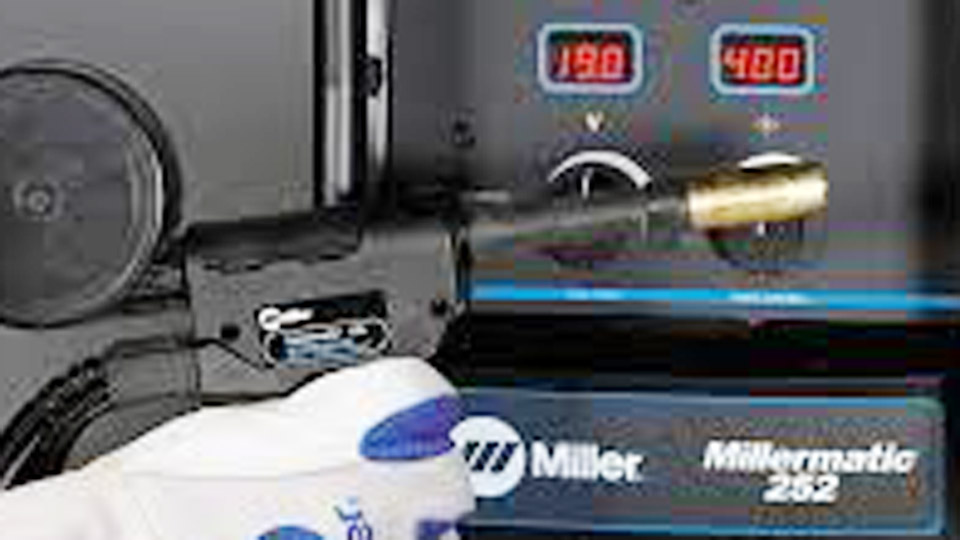
Image by weldingsuppliesfromioc
Why Use a Spool Gun for Aluminum MIG Welding
A spool gun is basically a MIG torch with its own mini wire feeder and a 1- or 2-pound spool mounted right on it. The drive rolls are inside the gun, so the aluminum wire only travels a short distance to the contact tip.
This matters because aluminum filler wire is soft—way softer than steel. Push it through a 10-15 foot liner in a standard MIG gun, and it buckles, birds nests at the drive rolls, or shaves off bits that clog everything. I’ve wasted hours cleaning out liners on jobs where I tried to cheap out and skip the spool gun.
With the spool right there, friction is minimal, feeding is consistent, and you avoid most jams. It’s not perfect—the gun’s a bit heavier and bulkier—but for anything over a few feet of weld, it’s a game changer.
You use it when speed matters more than TIG’s pretty stacked dimes, like repairing truck beds, welding marine parts, or fabbing up aluminum frames. For thin stuff under 1/8 inch, TIG might still be king to avoid burn-through, but on 3/16 or thicker, spool gun MIG flies.
Choosing the Right Spool Gun and Setup
Not all spool guns are equal. I’ve run cheap ones that overheated quick and premium ones that lasted years.
Popular US options include Miller’s Spoolmate series (100, 150, or 200—great for Millermatic machines), Hobart’s SpoolRunner, or Lincoln’s Magnum models. If you’re on a budget, brands like YesWelder or PrimeWeld make affordable ones that plug into common machines.
Match the gun’s voltage to your welder’s drive motor—usually 24V on many hobby/prosumer MIGs. Duty cycle matters too; a 150-200 amp gun at 60% lets you weld longer without pausing.
You’ll need 100% argon gas—no C25 mix like steel. Flow around 20-35 CFH. And small 1-4 pound spools of wire fit the gun.
Pros of spool gun: Reliable feed, portable for field work, faster than TIG on medium thicknesses.
Cons: Heavier in hand, limited spool size means more changes on big jobs, and cold starts can lap if not careful.
Essential Equipment and Preparation
Start with clean aluminum. That oxide layer forms fast and wrecks welds if you don’t remove it.
I always hit it with a dedicated stainless steel brush—never carbon steel, or you’ll contaminate. For heavy mill scale or old oxidation, flap disc or grinder with aluminum-specific wheels. Wipe with acetone right before welding; oils from handling cause porosity.
Joint prep: Bevel edges on thicker stuff for full penetration. Fitup tight—no big gaps, or you’ll burn through.
Use U-groove drive rolls if your machine has them, but the spool gun handles most of that.
Safety first: Aluminum spatter pops hot, and argon displaces air in tight spaces. Good ventilation, leather gloves, and a helmet with shade 10-13.
Selecting Filler Wire and Gas
Most shops run ER4043 or ER5356.
4043 flows better, wets out nice, less cracking on 6000 series alloys—my go-to for general repairs and 6061.
5356 is stronger, stiffer (easier feed sometimes), better for 5000 series like marine plate.
Wire diameter: 0.030 for thin stuff, 0.035 for most work up to 1/4 inch, 3/64 for thicker or higher amps.
Gas: Pure argon, 20-30 CFH typical. Too low and you get soot; too high turbulates and pulls in air.
I’ve mixed in helium for thicker plates—helps penetration—but it costs more and flows higher.
Dialing In Machine Settings
Settings vary by machine, thickness, and wire, but here’s what I’ve run on common US welders like Millermatic or Lincoln.
For 1/8 inch 6061 with 0.035 4043:
Voltage: 20-24V
Wire speed: 350-450 IPM
Aim for spray transfer—a steady hiss, not crackle like short circuit on steel.
Test on scrap: Burn back to tip if voltage low, unstable arc if high. Adjust voltage until steady spray, then fine-tune speed.
For thinner: Drop to 16-18V, slower speed.
Thicker 1/4: 24-28V, 500+ IPM if your gun handles.
Stickout: 1/2 to 3/4 inch—longer than steel.
Always push the puddle, 10-15 degree angle.
Step-by-Step Guide to MIG Welding Aluminum with a Spool Gun
Load the spool: Tension light—too tight deforms soft wire.
Trim wire straight, feed through tip.
Set polarity DCEP (electrode positive).
Purge gas line.
Tack welds: Quick bursts to avoid heat buildup.
Run the bead: Push angle, steady travel 10-15 inches per minute. Slight weave on wide joints, straight stringer on butts.
Watch the puddle—it flows like water when hot.
End the weld: Backstep or ramp down if your machine has it to fill crater.
Common fix for cold starts: Preheat tab or start hot and fast.
Techniques for Clean, Strong Welds
Push always—pulling drags oxide in, black soot everywhere.
Travel steady; aluminum heats quick, so faster speed than steel.
On fillets, slight C motion to wash toes.
Vertical: Push up, slight side-to-side.
Overhead: Tough, but short bursts and brace well.
I’ve fixed many porosity issues by brushing between passes on multi-pass welds.
Common Mistakes and How to Fix Them
Birdnesting: Loose tension or bent wire—check spool brake.
Burn-through: Too hot/slow—up speed, down amps.
Porosity: Dirty metal/gas issues—clean better, check flow.
Cold lap starts: Common on spool guns—preheat edge or run hotter initial.
Sooty welds: Pulling gun or low gas—push and up flow.
Burnback to tip: Voltage low for speed—bump volts, spare tips handy.
Troubleshooting Porosity, Lack of Fusion, and Other Issues
Porosity: 90% dirty prep or gas. Brush fresh, acetone wipe.
Lack of fusion: Cold settings or fast travel—more heat, slower.
Warpage: Heat spreads fast—skip weld, clamp heatsinks.
Wire stubs in tip: Snip ball end between welds.
When to Choose Spool Gun Over TIG or Other Methods
Spool gun MIG for speed on 1/8+ thickness, long beads.
TIG for thin, cosmetic, or precise control.
Stick? Rare for aluminum.
If no spool gun, teflon liner and straight hose works short term, but frustrating.
Conclusion
After all these years grinding beads on aluminum, getting comfortable MIG welding it with a spool gun made me way more versatile. You go from fighting the material to laying down solid welds that hold up on trailers bouncing down highways or boats slamming waves. It’s not as pretty as TIG every time, but for real-world repairs and fab work, it’s reliable, fast, and strong when done right.
You’re now armed with the prep, settings, and techniques to tackle aluminum without the usual headaches. You’ll save money on rework, build stronger parts, and finish jobs quicker. Always keep a pack of extra contact tips in your box. Aluminum eats them quick when dialing in, and burning back one mid-weld kills momentum. Stock up, and you’ll keep running smooth.
FAQ
What shielding gas do I need for spool gun aluminum MIG?
100% argon, no exceptions for most work. 20-35 CFH flow. Helium mixes for thick stuff if penetration’s lacking.
Can I MIG weld aluminum without a spool gun?
Possible with teflon liner, U-rolls, and straight hose, but feeds inconsistent and birds nests easy. Spool gun’s worth it for anything serious.
Why do my aluminum MIG welds have black soot?
Usually pulling the gun—push instead. Or low gas coverage. Brush clean and up flow a bit.
What’s the best wire for spool gun aluminum welding?
ER4043 for general, flows great on 6061. ER5356 if you need strength on 5083 or similar.
How do I avoid burn-through on thin aluminum with a spool gun?
Lower voltage, faster travel, pulse if your machine has it. Practice on scrap same thickness.