
Pipeline welding requires specialized equipment that can handle extreme conditions while maintaining portability and reliability. Old hot rod welding rigs have become legendary in the pipeline industry for their rugged construction, powerful performance, and ability to work in remote locations. This guide explores these iconic machines, their capabilities, and why they remain valuable assets for pipeline welders today.
Old hot rod welding rigs are high-amperage, engine-driven welding machines specifically designed for pipeline work. These rigs typically produce 300-600 amps of welding current, feature robust diesel or gas engines, and are built to withstand harsh field conditions while providing consistent arc performance for critical pipeline joints.
What Makes Pipeline Welding Rigs Different
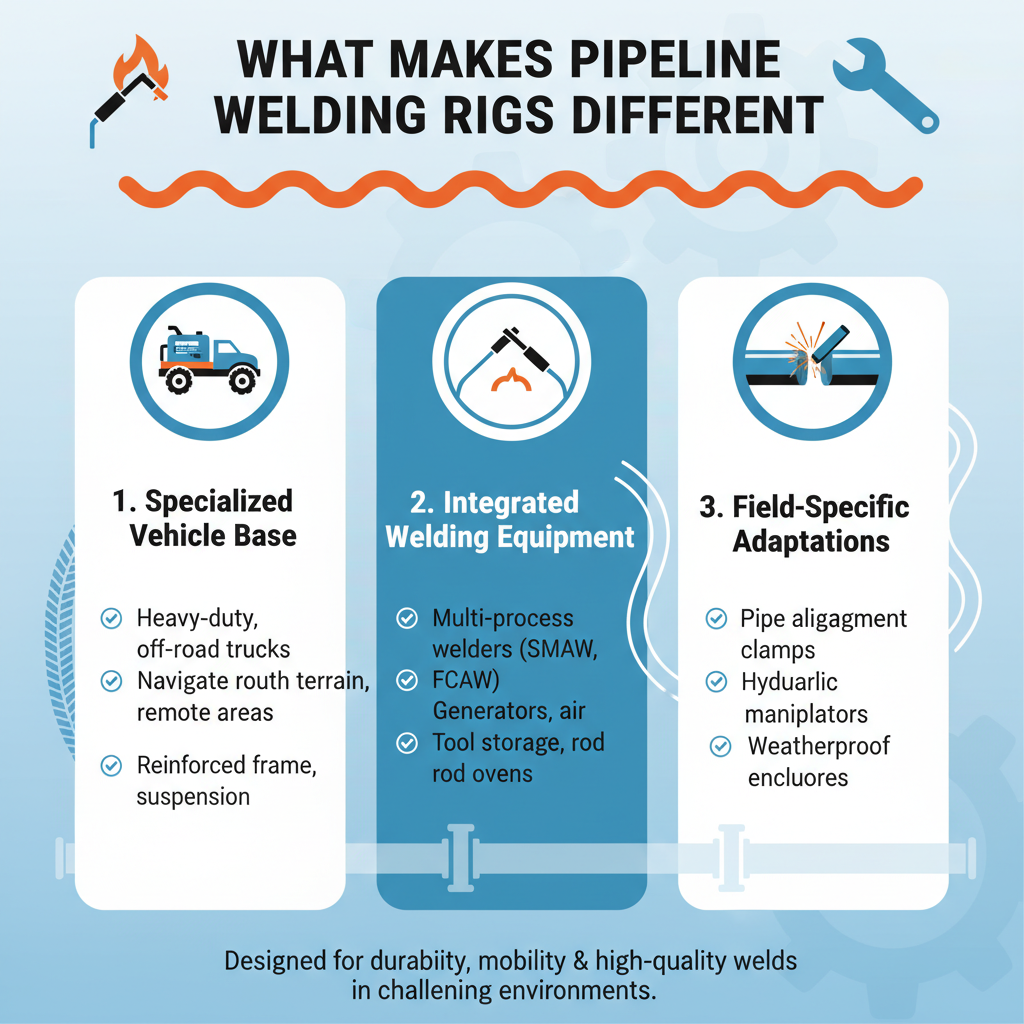
Pipeline welding rigs differ significantly from standard welding equipment due to the unique demands of pipeline construction. These machines must operate continuously in remote locations, often without access to electrical power or maintenance facilities.
The term “hot rod” in welding refers to machines modified or designed for maximum performance. Pipeline hot rods typically feature oversized generators, enhanced cooling systems, and reinforced components to handle the demanding duty cycles required for pipeline work.
Most pipeline rigs are mounted on trailers or skids for easy transport between job sites. The portability factor is crucial since pipeline construction often occurs across vast distances in challenging terrain.
Engine and Power Systems
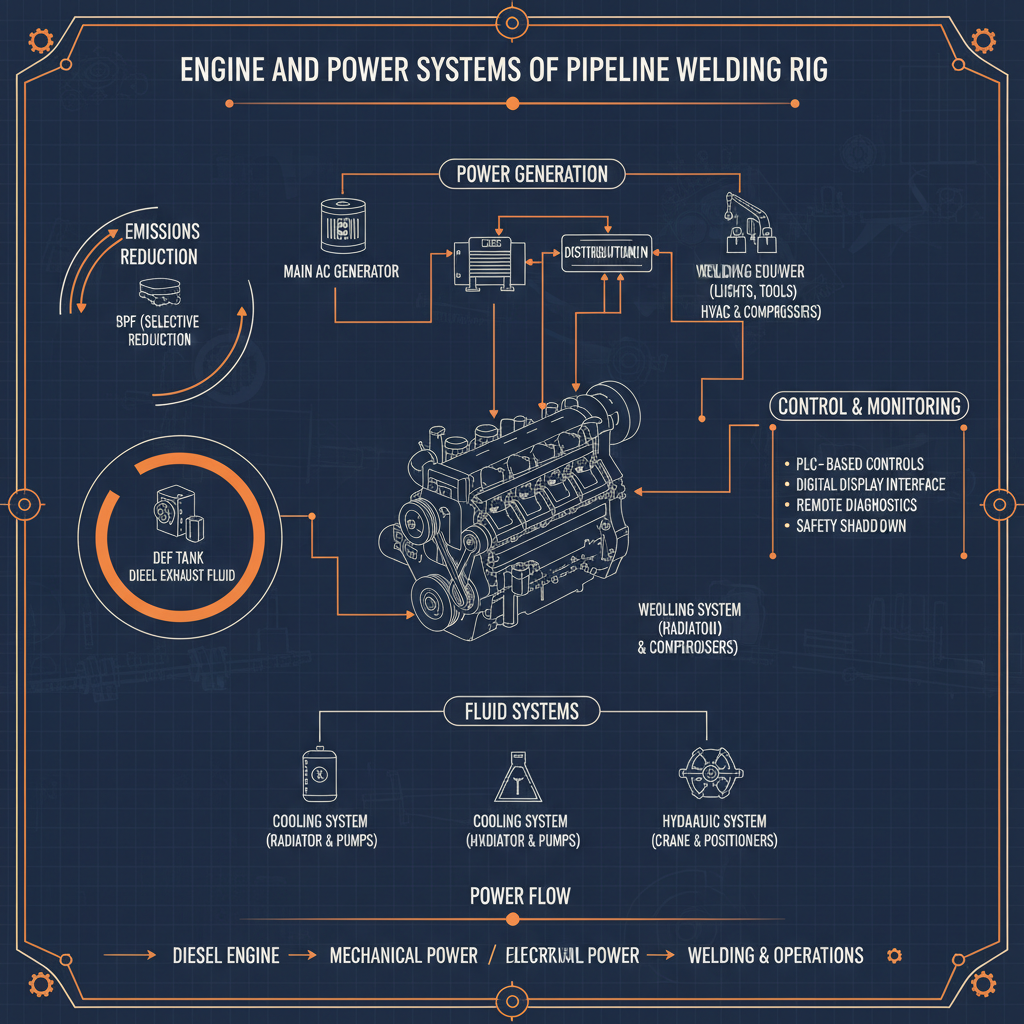
The heart of any pipeline welding rig is its engine system. Most old hot rod rigs use diesel engines ranging from 25 to 75 horsepower, chosen for their reliability and fuel efficiency during extended operation periods.
Popular engine choices include Kubota, Perkins, and Deutz diesels. These engines are typically naturally aspirated to reduce complexity and maintenance requirements in field conditions. The constant-speed operation required for welding allows these engines to run at optimal efficiency.
The electrical generation system converts engine power into welding current. Most pipeline rigs use rotating generators rather than inverter technology, providing the stable arc characteristics preferred by many pipeline welders. Generator output typically ranges from 300 to 600 amps at 100% duty cycle.
Arc Performance and Welding Characteristics
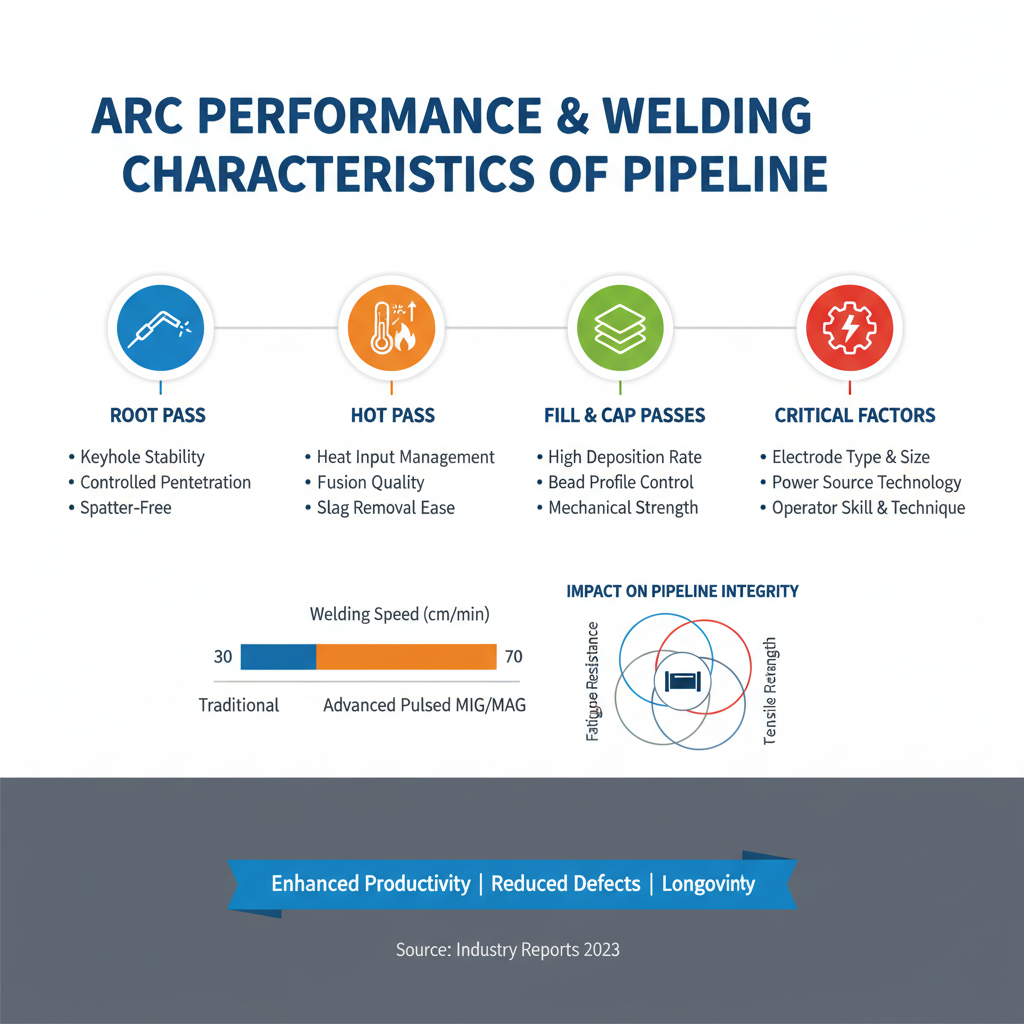
Pipeline welding demands exceptional arc stability and penetration characteristics. Old hot rod rigs excel in these areas due to their robust electrical systems and consistent power delivery.
The welding output on these machines is typically designed for stick welding (SMAW) and flux-cored arc welding (FCAW). The constant current (CC) output provides stable arc length control, essential for maintaining consistent penetration in pipeline root passes.
Many pipeline welders prefer the arc characteristics of older generator-based machines over modern inverter technology. The slight ripple in DC output from rotating generators can actually improve arc stability with certain electrode types commonly used in pipeline work.
Cooling and Thermal Management
Effective cooling systems are critical for pipeline rigs operating in hot climates or during extended welding sessions. Most old hot rod rigs feature oversized radiators and cooling fans to handle both engine and generator heat loads.
The welding circuit cooling is typically air-cooled rather than liquid-cooled to reduce complexity and potential leak points. Large heat sinks and cooling fins on the generator and control circuits help dissipate heat generated during high-amperage welding.
Some rigs include auxiliary cooling fans that activate during heavy welding loads. This prevents thermal shutdown and maintains consistent performance during critical welding operations.
Control Systems and User Interface
Pipeline welding rigs prioritize simplicity and reliability in their control systems. Most feature basic analog controls with large, easy-to-read gauges and switches that function reliably in dusty, vibration-prone environments.
The amperage control is typically a large rotary switch or rheostat that provides precise current adjustment. Remote amperage controls are common, allowing welders to adjust settings without returning to the machine during welding operations.
Arc force and dig controls help welders maintain stable arcs when welding in challenging positions or with specific electrode types. These controls are usually simple potentiometers that adjust the welding characteristic curve.
Fuel Systems and Runtime
Extended runtime capability is essential for pipeline work, where welding operations may continue for 10-12 hours per day. Most pipeline rigs feature large fuel tanks, typically 20-40 gallons, providing 8-12 hours of continuous operation.
Fuel consumption varies based on welding load, but most rigs consume 1-3 gallons per hour during typical pipeline welding operations. Diesel fuel systems include water separators and fuel filters to handle contaminated fuel that may be encountered in remote locations.
Some rigs include fuel level gauges and low-fuel warning systems to prevent unexpected shutdowns during critical welding operations. Auxiliary fuel connections allow for extended operation using external fuel supplies.
Maintenance and Field Serviceability
Pipeline welding rigs are designed for field maintenance with minimal specialized tools. Most components are accessible without removing major assemblies, and common wear items like filters and belts can be replaced quickly.
Engine maintenance follows standard diesel service intervals, typically every 250-500 hours depending on operating conditions. Oil and filter changes, air filter service, and cooling system maintenance are the primary routine requirements.
The electrical systems are generally robust and require minimal maintenance beyond keeping connections clean and tight. Brush replacement on generators is the most common electrical maintenance item, typically required every 1000-2000 hours of operation.
Common Issues and Troubleshooting
Overheating is the most common issue with pipeline welding rigs, usually caused by blocked cooling fins, low coolant levels, or excessive ambient temperatures. Regular cleaning of cooling systems prevents most thermal problems.
Starting problems often relate to fuel system issues, particularly water contamination or clogged filters. Carrying spare fuel filters and water separator elements prevents most fuel-related shutdowns.
Arc instability can result from loose connections, worn brushes, or contaminated slip rings on the generator. Regular inspection and cleaning of electrical connections maintains consistent welding performance.
Selecting the Right Rig for Your Needs
Amperage requirements depend on the pipe diameter and wall thickness being welded. Smaller diameter pipe (2-6 inches) typically requires 300-400 amps, while larger transmission pipe may need 500-600 amps for efficient welding.
Portability needs influence rig selection. Trailer-mounted units offer easy transport but may be restricted in some locations. Skid-mounted rigs can be lifted by crane but require transport vehicles.
Fuel type considerations include availability and cost in the work area. Diesel engines offer better fuel economy and longer life, while gas engines may be preferred where diesel fuel is expensive or difficult to obtain.
Frequently Asked Questions
What amperage do I need for pipeline welding?
Most pipeline welding requires 300-500 amps depending on pipe diameter and wall thickness. Smaller diameter pipe (2-6 inches) works well with 300-400 amps, while larger transmission pipe benefits from 500-600 amp capability.
Are old welding rigs reliable for pipeline work?
Well-maintained older rigs can be extremely reliable. Their simple mechanical systems and robust construction often outlast modern electronic equipment in harsh field conditions. Regular maintenance is key to reliability.
How long do pipeline welding rigs typically last?
Quality pipeline rigs can operate for 10,000-20,000 hours with proper maintenance. Many rigs from the 1980s and 1990s remain in active service today, testament to their durable construction.
What’s the difference between CC and CV output?
Pipeline welding typically uses constant current (CC) output, which maintains stable arc length as the welder manipulates the electrode. Constant voltage (CV) is used for wire welding processes not common in pipeline work.
Can I use a regular welding machine for pipeline work?
Regular shop welders lack the portability, duty cycle, and power output needed for pipeline work. Pipeline-specific rigs are designed for continuous operation in remote locations with high-amperage requirements.
How much fuel do pipeline welding rigs consume?
Fuel consumption varies from 1-3 gallons per hour depending on welding load and engine size. Most rigs average 2 gallons per hour during typical pipeline welding operations.
What maintenance is required for pipeline welding rigs?
Regular engine maintenance (oil changes, filter replacement), cooling system cleaning, fuel system service, and electrical connection inspection are the primary maintenance requirements. Most maintenance can be performed in the field.
Final Thoughts
Old hot rod welding rigs remain valuable assets in pipeline construction due to their proven reliability, robust construction, and excellent welding characteristics. While newer technology offers some advantages, these classic machines continue to provide dependable service in demanding pipeline applications. Understanding their capabilities, maintenance requirements, and proper operation ensures maximum productivity and longevity from these iconic welding machines. Whether you’re considering purchasing a vintage rig or maintaining an existing fleet, these machines represent decades of proven pipeline welding technology that continues to serve the industry effectively.