
Running stainless welding jobs and comparing processes like MIG vs TIG has taught me that not every arc behaves the way you expect once the hood comes down. That’s where the discussion around plasma arc welding advantages and disadvantages really starts to matter.
Many welders and DIY fabricators get stuck wondering if plasma arc welding is truly an upgrade over TIG, how it handles different metal thicknesses, or whether it just adds complexity without real payoff. Questions about filler rods, joint prep, and arc control come up fast—especially when weld quality, heat input, and distortion are on the line.
In real-world fabrication, choosing the wrong process can mean weak joints, wasted time, or higher costs on the job. Plasma arc welding offers impressive precision and consistency, but it’s not a magic solution for every application. Let’s break it down with practical, shop-tested insight so you can decide if plasma arc welding belongs in your workflow.
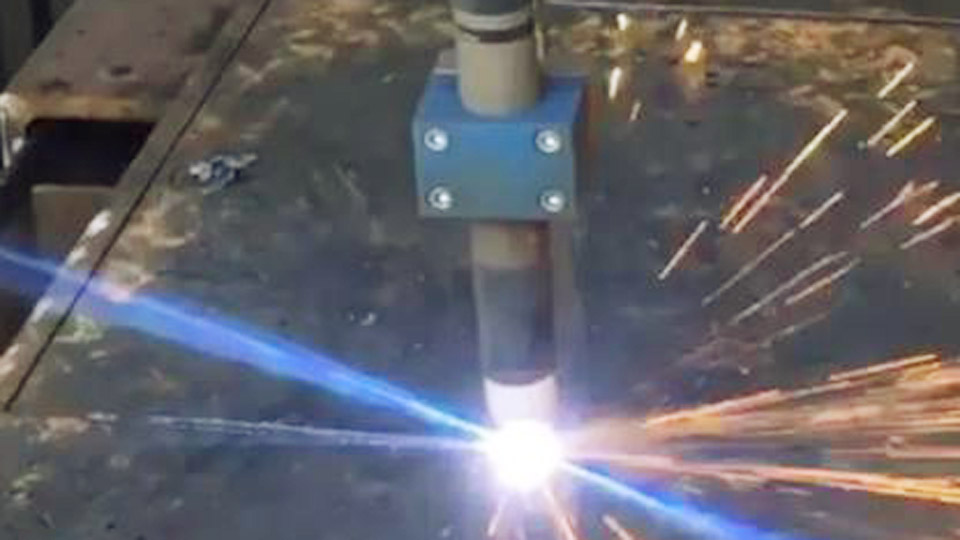
Image by minoo-cn
What Exactly Is Plasma Arc Welding?
I’ve been welding for over 20 years, and plasma arc welding—often just called PAW—still feels like a step up from the basics when I need that extra edge. At its core, it’s an arc welding process that uses a non-consumable tungsten electrode to create an electric arc, much like TIG welding.
But here’s where it gets interesting: the arc is constricted through a fine-bore nozzle, turning the shielding gas into a superheated plasma jet. This plasma is basically ionized gas, heated to temperatures that can hit 30,000 degrees Fahrenheit, which allows for incredibly focused energy.
Think of it like this—imagine squeezing a garden hose to make the water shoot farther and harder. That’s what the nozzle does to the arc. The setup includes a torch with the electrode inside, plasma gas (usually argon) flowing through the nozzle to form the plasma, and a separate shielding gas envelope to protect the weld pool from contamination. Power comes from a DC source, and most torches are water-cooled because of the intense heat.
PAW operates in three main modes, depending on what you’re tackling. Microplasma mode runs at low amps, say 0.1 to 15A, perfect for delicate work on thin sheets without melting everything around it. Medium current, from 15 to 200A, gives a stiffer arc for better control on mid-thickness materials.
Then there’s keyhole mode, over 100A, where the plasma punches right through the metal, creating a keyhole that fills in behind for deep penetration in a single pass.
In the shop, I use PAW when TIG just isn’t cutting it for precision or speed. It’s great for joining metals like stainless steel, aluminum, titanium, and even some exotics like Inconel. But don’t jump in without prepping your joint—clean edges are key, and a slight bevel on thicker stuff helps with fusion.
How Does Plasma Arc Welding Actually Work in Practice?
Pulling back the curtain on how PAW functions day-to-day, it starts with striking a pilot arc between the electrode and the nozzle using high-frequency ignition. This pilot arc ionizes the plasma gas, and once it’s going, you transfer the main arc to the workpiece. The constriction increases the arc’s velocity and temperature, making it more efficient than a standard arc.
From my experience, the real magic is in the gas flow. Plasma gas pushes the arc out, while shielding gas—often argon with a bit of hydrogen for hotter cuts—keeps oxygen away. I’ve found that adjusting the plasma gas flow rate is crucial; too low and you lose penetration, too high and you risk turbulence that pulls in air and causes porosity.
Safety-wise, always wear your gear. The process throws off UV and IR radiation that can burn your skin or eyes if you’re not covered. And that noise—around 100 decibels—means ear protection is non-negotiable, especially in a confined shop. I once forgot my plugs during a long session and paid for it with ringing ears for days.
When setting up, clamp your workpiece securely because the concentrated heat can cause quick expansion and warping if things shift. For electrode prep, I sharpen the tungsten to a 30-60 degree point for stability. Diameters range from 1/16 inch for low amps up to 1/8 inch for heavier work—match it to your current to avoid spitting tungsten into the weld.
The Key Advantages That Make PAW Stand Out in the Shop
One of the biggest wins with plasma arc welding is its deeper penetration. In keyhole mode, you can punch through 10mm of stainless in one go, something that would take multiple passes with TIG. I’ve used this on pipe welding jobs where time is money, and it saves hours by reducing filler metal needs and minimizing distortion.
Another advantage is the arc stability. Even at low currents, the arc stays put without wandering, which is a godsend for thin materials. I remember welding some 0.1mm sheets for an electronics prototype—PAW kept the heat zone tiny, avoiding warps that would’ve scrapped the part.
Tolerance to surface contamination is huge too. Coatings or oxides that would foul a TIG arc? PAW blasts through them because the electrode is recessed in the torch. This means less prep time, which is practical when you’re dealing with real-world rusty stock in a fabrication shop.
Speed is another perk. The concentrated energy lets you travel faster, boosting productivity. On automotive tubing, I’ve doubled my output compared to other methods. Plus, it’s versatile—works in all positions if you pulse the current in keyhole for overhead work.
Automation ease is a big one for pros. The torch design integrates well with robots, making it ideal for repetitive jobs like seam welding on tanks. And energy efficiency? It uses less power overall since the heat is so focused, cutting your electric bill on long runs.
Don’t overlook the quality. Welds come out narrower with smaller heat-affected zones, leading to stronger joints less prone to cracking. In my shop, this has meant fewer callbacks on structural repairs.
Deeper Penetration Without Sacrificing Control
Diving deeper into penetration, PAW’s keyhole technique is like drilling a clean hole through the metal and letting it seal up perfectly. For materials over 3mm thick, ramp up to 150-200A with higher gas flow—say 2-5 liters per minute for plasma argon—and you’ll get full fusion without underfill.
But control it by monitoring your travel speed. Too slow, and the keyhole widens, causing sagging; too fast, and it collapses. I always practice on scrap first, adjusting amperage in 10A increments until it feels right.
For aluminum, add a touch of helium to the plasma gas for better heat transfer. This combo has helped me on aerospace fittings where penetration depth directly impacts fatigue life.
Precision for Delicate Jobs That Other Processes Can’t Touch
On the precision side, microplasma mode shines for hobbyists or students tackling small parts. At 5-10A, you can weld wire meshes or sensors without melting adjacent components. I’ve fixed delicate medical tools this way, where even a hint of distortion ruins the assembly.
Tip: Keep your standoff distance consistent—up to 20mm works thanks to the long arc tolerance. Use a foot pedal for fine amperage tweaks, and always back-purge with argon on reactive metals like titanium to prevent oxidation.
The Downsides You Can’t Ignore with Plasma Arc Welding
No process is perfect, and PAW has its share of headaches. The equipment cost is steep— a good setup from Miller or Lincoln can run $5,000-$10,000, not including consumables like nozzles that wear out fast. In my early days, I blew through nozzles because I pushed the current too high without matching the bore size.
Skill level is another barrier. It’s not plug-and-play like stick welding; you need training to balance gas flows and currents. Beginners often get porosity from turbulent gas or tungsten inclusions from over-amping the electrode.
The torch is bulky, making manual welding awkward in tight spots. I’ve switched to TIG for confined repairs because PAW’s water lines and size limit maneuverability.
Noise and radiation are real issues. That 100dB hum requires hearing protection, and the bright arc demands a helmet with at least shade 10. Plus, infrared can heat up your shop quick—ventilate well to avoid fatigue.
Maintenance is higher too. Water-cooling systems clog if you skip flushes, and nozzles erode if mismatched. Not ideal for thin stuff under 0.1mm, where it might overheat, or very thick plates beyond 15mm without multi-pass preps.
Wider heat-affected zones compared to laser welding mean more potential for distortion in sensitive alloys. And it’s not as forgiving on joint fit-up—gaps over 0.5mm can cause burn-through.
Working Around the High Cost and Complexity
To mitigate costs, start with a used unit from a reputable dealer and budget for spares. I keep extra nozzles in 1-3mm bores, swapping based on job—smaller for precision, larger for power.
For complexity, take a class or shadow a pro. Practice on mild steel first, dialing in 100A for medium mode to get the feel. And always inspect your torch pre-job; a cracked insulator can arc dangerously.
Noise and Safety Hazards That Hit Home
Safety isn’t optional. I mandate full PPE in my shop—gloves, jacket, respirator for fumes. For noise, use molded earplugs over muffs for comfort during long welds. And position exhaust fans to pull away ozone and gases produced by the plasma.
If you’re sensitive to radiation, add face shields. I’ve seen guys get arc eye from glancing without protection—treat it seriously.
When Should You Use Plasma Arc Welding?
PAW is your go-to when precision and penetration matter more than simplicity. For DIYers fixing bike frames or hobbyists building models, microplasma handles thin aluminum without filler. Pros in fabrication love it for stainless tanks where speed cuts labor costs.
Use it on jobs needing single-pass welds, like pressure vessels or exhausts. Materials-wise, it’s ace for stainless, titanium, and copper alloys. Avoid it for cast iron or heavily coated steels where prep is excessive.
In repairs, it’s great for contaminated surfaces—think farm equipment with paint residue. But for quick backyard fixes, stick with MIG for ease.
Best Materials and Joint Types for PAW Success
Stainless steel thrives with PAW—use 308L filler for compatibility on 304 grades. For titanium, pure argon shielding prevents embrittlement.
Joint prep: Butt joints need square edges for keyhole; laps benefit from slight bevels. On pipes, a 6mm root face with vee groove works for two-pass welds.
Amperage ranges: 50-100A for 3mm steel, ramp to 150A for 6mm. Electrode diameter: 3/32 inch for most.
Step-by-Step Guide to Nailing a Plasma Arc Weld
First, clean your workpiece—wire brush oxides, degrease oils. Clamp securely to prevent movement.
Set up the machine: DC straight polarity, argon plasma at 1-3 LPM, shielding at 10-15 LPM. Sharpen electrode to 45 degrees.
Strike the pilot arc, then transfer to metal. Start at low amps, ramp up as you travel.
For keyhole: Push forward at 100-200 mm/min, adding filler if needed to fill the hole.
Post-weld: Slope out current gradually to close cleanly. Inspect for cracks—grind and reweld if porous.
Cool the torch between runs to avoid overheating.
Common Mistakes Beginners Make and How to Fix Them
One classic error is ignoring gas flow, leading to black sooty welds from oxidation. Fix by checking meters and using high-purity argon.
Over-amping melts the nozzle—stick to manufacturer specs, like 200A max for a 2mm bore.
Poor joint fit causes burn-through; tack weld first and fill gaps with filler.
I’ve botched a few by rushing travel speed—slow down for even puddles. If you get undercuts in keyhole, add activated flux or pulse the current.
For rod burn-off issues, match filler diameter to joint—1/16 inch for thin, 1/8 for thick.
Comparing Plasma Arc to TIG, MIG, and Laser Welding
PAW edges out TIG in penetration and speed but loses on portability. MIG is faster for thick mild steel but lacks precision on alloys.
Laser welding offers even narrower zones but costs a fortune—PAW is more accessible for small shops.
Here’s a quick comparison table:
| Process | Penetration Depth | Cost | Skill Level | Best For |
|---|---|---|---|---|
| PAW | High (up to 10mm single pass) | Medium-High | High | Precision alloys, tubes |
| TIG | Medium (multi-pass needed) | Low-Medium | Medium | General thin work |
| MIG | Variable | Low | Low-Medium | Production on steel |
| Laser | Very High | Very High | High | High-volume automation |
In my experience, switch to PAW when TIG beads look sloppy on titanium repairs.
Machine Settings That Work in Real US Shops
Using a Miller Dynasty or Lincoln Invertec? Set open circuit voltage to 70V min for stable starts.
Amperage: Micro—5-15A for 0.5mm sheets; Keyhole—150-250A for 8mm plates.
Gas: Argon plasma, argon-hydrogen shield for stainless.
Filler: Match base metal—ER70S for carbon steel.
Joint prep: Clean bevels at 30 degrees for vees.
Handle materials gently—titanium scratches easily, leading to inclusions.
Real Fabrication Jobs Where PAW Saves the Day
On a custom motorcycle frame, PAW’s low distortion kept alignments perfect. For aerospace brackets, its clean welds passed X-ray inspections first try.
In repairs, I’ve fixed cracked engine blocks with keyhole for deep fusion without filler waste.
Hobbyists: Try it on RC plane parts for lightweight strength.
I’ve learned that pairing PAW with proper ventilation turns a noisy process into a reliable one, especially on long shifts.
Wrapping Up
PAW’s balance of power and precision has pulled me out of tight spots more times than I can count. You’ve got the tools now to weigh if it’s right for your setup—whether you’re a student experimenting or a pro chasing efficiency.
Remember, the key to great welds is practice, but starting with the right process halves the battle. Always monitor your water cooler levels mid-job; a dry run can fry your torch in minutes, turning a good day sour.
FAQs
Is plasma arc welding better than TIG for thin metals?
Absolutely, especially in microplasma mode. It maintains a stable arc at currents as low as 0.1A, reducing distortion on sheets under 1mm. I’ve switched for electronics work where TIG wandered too much—just dial in 5-10A with argon and watch the clean beads form.
What amperage should I use for keyhole welding on stainless steel?
Start at 150A for 6mm thickness, bumping to 200A for deeper penetration. Adjust based on travel speed—aim for 150-200 mm/min. Test on scrap; too high melts the nozzle, too low leaves lack of fusion.
Can I use PAW for aluminum without issues?
Yes, but add helium to the plasma gas for better heat. Use 100-150A on 4mm stock with ER5356 filler. Clean thoroughly to avoid porosity—I’ve fixed bad welds by grinding out oxides and rewelding slower.
How do I avoid noise and radiation hazards in PAW?
Wear ANSI-rated ear protection for the 100dB output and a welding helmet with shade 10-12. Add a full-face shield for IR. Set up in a ventilated area; I use exhaust fans pulling 500 CFM to clear fumes.
What’s the biggest mistake with PAW equipment maintenance?
Skipping water system flushes leads to clogs and overheating. Drain and refill monthly with distilled water. Check nozzles for erosion after every 10 hours—replace if the bore widens, or you’ll get unstable arcs.