
Pulsed TIG is one of those tools that can make you feel like a hero one day and completely lost the next. I’ve had plenty of moments where my amperage was dialed in, my joint prep looked perfect, and my arc control felt solid — yet the bead still came out lumpy, undercut, or full of pinholes.
Whether you’re welding thin stainless, dialing in pulse frequency for better heat control, or switching between MIG vs TIG on the same job, pulsed TIG introduces its own quirks. A lot of welders struggle with things like inconsistent puddle rhythm, tungsten contamination, poor fusion, or overheating thin metal.
Understanding how to troubleshoot these issues matters for weld quality, distortion control, and keeping your stainless, aluminum, or mild steel projects clean and strong. In this guide, I’ll walk you through real pulsed TIG troubleshooting examples I’ve run into in the shop — and the simple adjustments that fix them fast.
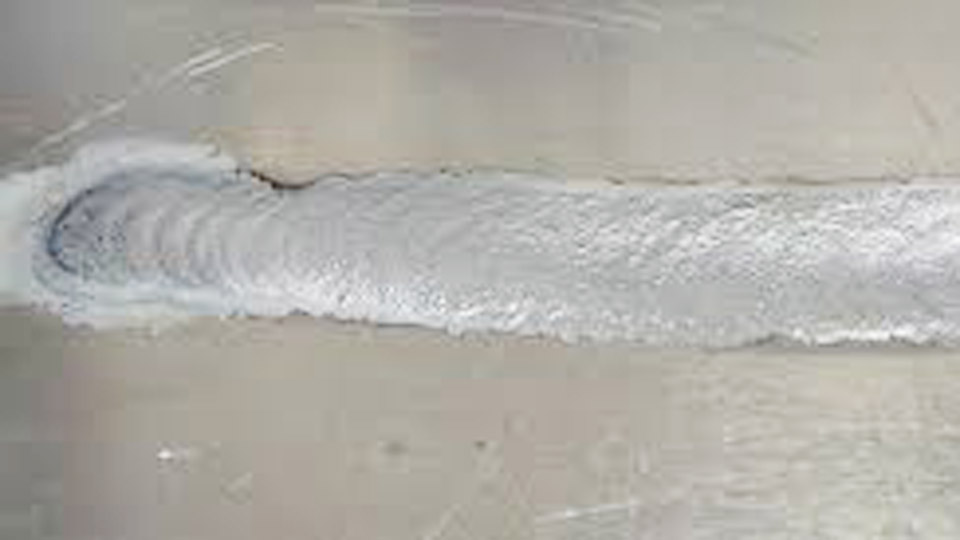
Image by grumpysperformance
What Is Pulsed TIG Welding and When Should You Use It
Pulsed TIG welding is essentially TIG on steroids—it’s the same gas tungsten arc process, but with the current pulsing between a high peak amperage and a lower background amperage at a set frequency.
Imagine pedaling your amperage up and down automatically; the peak melts the metal for penetration, while the background cools things off to prevent overheating. This alternation happens in pulses per second, or PPS, and it’s a game-changer for controlling the weld puddle.
I remember my first time experimenting with it on some thin aluminum sheet. Without pulsing, I’d burn through faster than you can say “oops.” But with pulsing, you get deeper penetration without dumping too much heat, which is crucial for materials prone to warping like stainless steel or titanium.
Use it when you’re dealing with thin gauges—say, under 1/8 inch—where standard TIG might cause distortion or burn-through. It’s also perfect for out-of-position welds, like overhead on a pipe, because the pulsing helps solidify the puddle quickly, reducing drip risks.
Why bother? It boosts weld integrity by minimizing the heat-affected zone, saves on filler material costs, and keeps your shop safer by avoiding weak joints that could fail.
From a practical standpoint, think about your machine setup. Most modern inverters like those from Miller or Lincoln have pulse controls: set your peak amps high enough for fusion, background around 30-50% of that for cooling, and frequency from 0.5 to 200 PPS depending on the job.
Low frequency (under 5 PPS) gives a rhythmic dab-and-freeze feel, great for beginners timing their filler additions. High frequency (over 100 PPS) tightens the arc for precision on edges or holes. But get it wrong, and you’re in troubleshooting territory—let’s break that down.
Common Problems in Pulsed TIG Welding
I’ve seen it all in the shop, from beads that look grainy and contaminated to parts that warp like a potato chip. Pulsed TIG troubleshooting examples often stem from mismatched settings or prep work, and ignoring them can turn a quick job into a grind-fest.
The good news? Most issues boil down to heat control, gas flow, or technique, and fixing them is about small tweaks rather than overhauls.
One classic problem is when your weld bead comes out uneven or with poor fusion, especially on stainless. You might notice the root isn’t penetrating fully, leaving a weak spot that could crack under stress.
This happens if your peak amperage is too low or your pulse frequency is off—too slow, and the heat doesn’t focus enough; too fast without adjusting background, and you overcool the puddle. I’ve burned through plenty of test pieces learning this.
Another frequent headache is distortion on thin sheets, where the material bows because the pulsing isn’t optimized to spread heat evenly. Or porosity, those pesky bubbles from trapped gas, often from dirty filler or inadequate shielding.
Don’t forget arc instability, where the arc wanders like it’s got a mind of its own. This could be from a worn tungsten or wrong polarity—always double-check you’re on DCEN for most metals, AC for aluminum. And craters at the end of your bead? That’s a sure sign you’re not tapering off properly, leading to cracks that compromise the whole weld.
These problems aren’t just cosmetic; they affect material compatibility and long-term durability, especially in US codes like AWS D1.1 for structural work.
Troubleshooting Lack of Fusion or Penetration
Lack of fusion is one of those pulsed TIG troubleshooting examples that sneaks up on you, especially when welding thicker aluminum or steel joints. You’ll spot it as a bead that sits on top without tying into the base metal, often because the peak amperage isn’t high enough to melt through or the pulse width is too short.
In my early days, I had a fillet weld on some 304 stainless that looked fine on the surface but failed a bend test—total lack of root fusion.
Here’s how to fix it step by step. First, check your joint prep: bevel the edges at 30-45 degrees for better access, and ensure a small root gap, about 1/16 inch, to let the arc reach deep. Clean everything—wire brush the oxide off aluminum or grind mill scale on steel.
Then, tweak your settings: bump peak amps to 120-150 for 1/8-inch material, keep background at 40-60 amps, and set frequency to 1-2 PPS for slower, deeper pulses. Travel slower, around 4-6 inches per minute, and feed filler at the leading edge of the puddle.
Common mistake? Rushing the travel speed because pulsing feels “faster”—slow down to let the peak do its job.
Pro tip: If you’re on an inverter with adjustable pulse width, set it to 50% on time for balanced fusion without excess heat. This maintains weld integrity and avoids costly reworks.
Troubleshooting Excessive Distortion or Warping
Warping is a killer on thin materials, and it’s a prime pulsed TIG troubleshooting example when heat input creeps up. You’ll see the sheet bend or twist after cooling, ruining fit-up for assemblies. I once warped a custom exhaust manifold because I ignored pulsing’s heat control—big lesson learned.
To tackle it, start with prevention: use copper backing bars to dissipate heat, and clamp the workpiece securely to a jig. For settings, go high frequency—100-200 PPS—to narrow the heat zone, with peak amps at 80-100 for 16-gauge stainless, background 20-30 amps, and short pulse width around 30%. This pulses quickly, reducing overall heat while maintaining penetration.
Step-by-step fix: If distortion happens, straighten with a hammer and dolly if minor, or heat-shrink carefully with a rosebud torch. But avoid it by skip welding—do short sections, alternating sides to balance stress.
Common pitfall: Setting background too low, which forces higher peaks and more heat. I’ve found 50% background of peak works for most thin stuff, keeping costs down by minimizing material scrap.
Troubleshooting Porosity and Contamination
Porosity shows up as pinholes or bubbles in your bead, weakening the weld and inviting corrosion—nasty in food-grade stainless work. In pulsed TIG, it often comes from contaminated gas or dirty filler, especially if your frequency is high and traps impurities.
I’ve dealt with this on aluminum jobs where moisture on the rod caused a Swiss cheese effect. Clean your filler with acetone and store in a dry quiver. Check gas flow: 15-20 CFH argon, no drafts pulling in air. For pulsing, use 1-5 PPS to agitate the puddle and let gases escape.
Fix it by grinding out the porous section and rewelding with fresh prep. Tip: If persistent, switch to a gas lens for laminar flow.
Mistake to avoid: Using mixed gas without checking—stick to pure argon for most TIG. This ensures safety and compatibility, per US standards.
Troubleshooting Craters and Cracking
Craters are depressions at the weld end that crack easily, a common pulsed TIG issue if you stop abruptly. Cracking follows, stressing the joint. On a pressure vessel mock-up, I cracked a bead because I forgot downslope.
Use your machine’s crater fill or downslope: taper amps over 3-5 seconds while adding filler. For pulsing, keep frequency steady but reduce peak gradually. Step-by-step: Backtrack the torch slightly, feed extra rod to fill the crater, then ease off.
Common error: No post-flow gas—set to 10-15 seconds to protect while cooling. Pro tip: On crack-prone alloys like 6061 aluminum, preheat to 200°F. This boosts integrity and efficiency.
Troubleshooting Arc Instability and Electrode Issues
Arc wandering or sputtering? That’s instability, often from wrong tungsten grind or pulsing too high without balance. I’ve had arcs jump sideways on tight corners, ruining the bead.
Sharpen tungsten longitudinally to 20-30 degrees, use 2% lanthanated for versatility. Settings: Frequency under 100 PPS for stability, arc length 1/8 inch. Fix by regrounding and checking polarity.
Mistake: Overheating tungsten with high peaks—cap at 150 amps for 3/32 electrode. Tip: For micro TIG, pulse frequency helps boil off contaminants.
Troubleshooting Oxidation and Discoloration
Oxidation turns stainless blue or black, killing corrosion resistance. In pulsing, excess heat from long pulse widths causes it.
I’ve sugared the back of pipes without back purging—always use argon at 5-10 CFH. Settings: Shorten pulse width to 20-40%, high frequency for control.
Fix: Pickle with acid paste, but prevent with gas lenses. Common slip: Inadequate post-flow—extend to 20 seconds on hot jobs.
Step-by-Step Guides for Pulsed TIG Fixes
Let’s get hands-on with a guide for fixing lack of penetration on aluminum. Step 1: Prep—clean with dedicated brush, bevel 45 degrees. Step 2: Set machine—AC mode, peak 140 amps, background 50, 2 PPS, 50% width. Step 3: Strike arc, wait for shiny puddle. Step 4: Travel at 5 IPM, dab 4043 filler. Step 5: Taper end with downslope.
For stainless distortion: Step 1: Clamp to table. Step 2: DCEN, peak 100, background 30, 150 PPS, 30% width. Step 3: Skip weld sections. Step 4: Cool between passes.
Machine Settings Tips for Pulsed TIG
Dialing settings is key. For thin steel: Peak 80-120A, background 25-40A, 1-5 PPS, 40-60% width. Aluminum: Peak 100-150A, background 40-60A, 100-200 PPS for focus. Stainless: Similar, but add back purge.
Common tip: Background at 30-50% peak prevents overcooling. Adjust for position—higher frequency overhead.
| Material | Thickness | Peak Amps | Background Amps | PPS | Pulse Width % |
|---|---|---|---|---|---|
| Aluminum | 1/16″ | 120-140 | 40-60 | 100-150 | 30-50 |
| Stainless | 16 gauge | 80-100 | 20-40 | 150-200 | 20-40 |
| Mild Steel | 1/8″ | 100-130 | 30-50 | 1-5 | 50-70 |
Pros and Cons of Pulsed TIG
Pros: Lower heat reduces distortion, deeper penetration on thin stuff, better puddle control for positions, prettier beads.
Cons: Steeper learning curve, potential for under-penetration if settings off, higher machine cost.
I’ve found pros outweigh cons for precision work.
Conclusion
We’ve covered pulsed TIG troubleshooting examples from fusion fails to distortion disasters, with fixes rooted in settings tweaks, prep, and technique. You’re now better equipped to pick the right pulse parameters for your material and job, ensuring stronger, safer welds that hold up in real-world applications like automotive fabs or structural repairs. Always run test beads on scrap—it’s saved me more headaches than I can count. Keep practicing, and your welds will shine.
FAQ
What causes porosity in pulsed TIG welds
Porosity often stems from contaminated filler or poor gas shielding. Clean your rods thoroughly and set argon flow to 15-20 CFH. In pulsing, lower frequency helps gases escape—try 1-2 PPS for better agitation.
How to prevent distortion in thin metal with pulsed TIG
Minimize heat by using high frequency (150+ PPS) and low pulse width (30%). Clamp securely and skip weld to balance stress. I’ve avoided warps this way on sheet metal jobs.
Why is my pulsed TIG arc unstable
Check tungsten grind—longitudinal sharpening stabilizes it. Wrong polarity or high frequency without balance causes wandering. Adjust arc length to 1/8 inch and reground your clamp.
What settings for aluminum in pulsed TIG
For 1/16-inch aluminum, go AC, peak 120-140 amps, background 40-60, 100-150 PPS, 30-50% width. This controls heat to avoid burn-through while ensuring penetration.
How to fix craters in pulsed TIG beads
Use downslope to taper amps over 3-5 seconds, adding filler as you backtrack. This fills the depression and prevents cracking—essential for pressure-tested welds.