
Stick welding is one of the most reliable welding processes out there, but it’s not without its challenges. I’ve had plenty of welds where the rod kept sticking, the arc wandered, or spatter went everywhere except where I wanted the bead to land.
Most stick welding problems come down to a few familiar culprits — incorrect amperage, the wrong electrode type, poor joint prep, or inconsistent arc control. Whether you’re running 6011 on dirty steel, 7018 on structural joints, or switching between stick, MIG, and TIG on different projects, these issues can quickly affect weld quality and strength.
Knowing how to identify and fix them matters for safety, efficiency, and producing welds that actually hold up in real-world conditions. In this guide, I’ll walk you through the most common stick welding problems and solutions, using practical, shop-tested fixes you can apply right away.
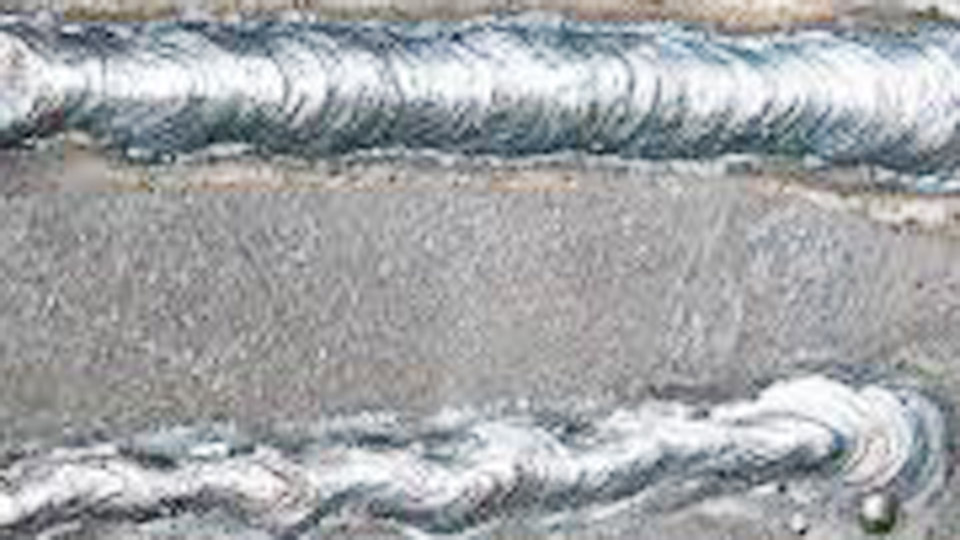
Image by yeswelder
Why Stick Welding Problems Matter in the Real World
Stick welding, or SMAW as some call it, is tough and versatile—perfect for outdoor jobs or dirty metals where other processes flake out. But ignore the problems, and you’re looking at more than just ugly beads. We’re talking safety hazards like welds cracking under load, leading to equipment failures that could hurt someone.
Then there’s the material side: mismatched electrodes can cause hydrogen cracking in high-strength steels, wasting time and money on rework. Cost efficiency takes a hit too, with excessive spatter meaning more cleanup and rod waste. On job sites, reliability is everything—a porous weld on a pipeline could mean leaks, shutdowns, and lost contracts.
I’ve learned this the hard way, like the time a rushed overhead weld on a barn roof beam undercut and had to be ground out entirely. Addressing these issues head-on keeps your work solid, your wallet intact, and your reputation as a welder intact.
From my experience, most problems stem from three areas: equipment setup, technique slips, and material prep. Get these right, and you’ll spend less time troubleshooting and more time laying down good metal. Let’s break it down.
Common Equipment Issues in Stick Welding
Your welder and rods are the backbone of any stick job. I’ve fried more than a few machines by pushing them too hard, but spotting equipment glitches early saves a ton of frustration.
Welder Power Problems and Fixes
Ever crank up your machine only to get a weak, sputtering arc? That’s often low amperage or voltage issues. On US machines like a Lincoln AC-225 or a Miller Thunderbolt, if your input power dips—say from a long extension cord or a generator bogging down—the arc won’t penetrate worth a damn. It leads to cold laps where the weld just sits on top, no fusion.
To fix it, first check your power source. I’ve found using a dedicated 220V outlet cuts out half the drama. Dial in amps based on your rod size: for a 1/8-inch E6013, start at 90-120 amps on mild steel. Too low, and the rod sticks like glue; too high, and you get burn-through on thin stuff.
Step-by-step: Plug in, set polarity (DCEN for most rods), strike a test arc on scrap, and tweak in 5-10 amp jumps until the puddle flows smooth without digging holes. Personal tip: If you’re on a budget generator, add a capacitor bank to stabilize voltage—saved my hide on remote fence repairs.
Electrode Storage and Moisture Troubles
Damp rods are a killer. Low-hydrogen types like E7018 suck up moisture faster than a sponge, leading to underbead cracking or porosity. I’ve pulled rods from a toolbox left in the rain, and the welds looked like Swiss cheese.
Solution: Store them in a rod oven at 250-300°F. If you don’t have one, bake ’em in your home oven at 350°F for an hour before use—but don’t mix with food, trust me. For on-the-go, airtight containers with silica packs work. When welding, only take out what you need for the next hour. This keeps hydrogen low, ensuring crack-free welds on thicker plates.
Machine Maintenance Tips
Over time, dust and slag build-up clogs fans and connections, causing overheating or erratic arcs. I’ve had a welder shut down mid-job from a gummed-up switch.
Keep it clean: Blow out vents weekly with compressed air, check cables for frays, and tighten grounds. If your arc wanders, it might be a bad stinger—replace it. Pro move: Test continuity with a multimeter before starting; anything over 0.5 ohms means resistance issues.
Technique-Related Stick Welding Problems
Technique is where most newbies—and even some old hands—trip up. I’ve mentored apprentices who could set up a machine blindfolded but laid beads like a drunk snake.
Arc Starting Difficulties
Nothing’s more aggravating than tapping your rod and having it weld itself to the plate. This electrode sticking happens from low amps, poor contact, or hesitation in your strike.
Causes: On inverters like the Hobart Stickmate, if open-circuit voltage is low (under 60V), the arc won’t jump. Dirty metal or a timid scratch exacerbates it.
Solutions: Use the scratch method—drag the rod like striking a match, then lift to about the rod’s diameter (1/8 inch for standard). If it sticks, rock it gently to break free without killing the arc. Boost amps temporarily if your machine has hot start.
From my shop: Practice on scrap until you can start 10/10 times. For stubborn rods like E7018, a quick tap followed by a pull works better than scratching.
Improper Arc Length Control
Too long an arc, and you get spatter everywhere; too short, and it extinguishes or sticks. Ideal is the core wire diameter—keeps the flux gassing properly for shielding.
Why it matters: Long arcs let in air, causing porosity; short ones reduce voltage, leading to poor fusion.
Fix it: Hold steady, adjusting your stance for visibility. If you’re overhead, shorten slightly to fight gravity. Lesson learned: On a vertical up weld for a trailer frame, my long arc caused undercut—dropped it to 1/16 inch, and it filled perfect.
Travel Speed and Angle Mistakes
Rushing your bead leaves it narrow and undercut; crawling makes it pile up with overlap.
Causes: Inconsistent speed overheats spots, warping thin sheet.
Solutions: Aim for the arc at the puddle’s leading edge. For flat fillets, drag at 10-15 degrees; vertical, push at 5-15. Step-by-step: Mark your path, start slow, watch the ripple—uniform means good speed. Table for reference:
| Position | Ideal Angle | Speed Tip |
|---|---|---|
| Flat | 10-15° drag | Medium, for even fill |
| Vertical Up | 5-15° push | Slower, pause at toes |
| Overhead | 5-10° drag | Faster, to avoid sag |
Pros: Right speed ensures penetration without burn-through. Cons: Too slow on thin metal risks holes.
Material and Joint Preparation Problems
Prep work is non-negotiable. I’ve seen pros skip it and pay with failed inspections.
Contamination Leading to Porosity
Porosity—those pesky holes—comes from gas trapped in the weld, often from rust, oil, or paint.
Causes: Dirty steel pulls contaminants into the puddle. Wet rods add hydrogen.
Solutions: Grind or wire brush to shiny metal, extending 1 inch beyond the joint. Use acetone for oils. For outdoor jobs, shield from wind. Personal story: Welding oily engine parts, I got bubbles galore—now I preheat to 200°F to burn off junk.
Step-by-step fix: 1. Clean area. 2. Dry rods. 3. Short arc. 4. Backstep if needed.
Poor Joint Fit-Up and Design
Gaps or misalignment cause lack of fusion, where weld doesn’t bond.
Why: No root opening on thick plates means no penetration.
Fixes: Bevel edges at 30-45 degrees for V-grooves. Clamp for tight fit. For T-joints, add a 1/16-inch gap. I’ve fabricated brackets where poor fit led to cracks—now I always mock-up first.
Material Compatibility Issues
Wrong rod for the metal spells trouble, like cracking on high-carbon steel.
Solutions: Match rods—E6010 for dirty mild steel, E7018 for clean structural. Check polarity: DCEP for deep penetration. Tip: On stainless, use E308—mismatch once gave me brittle welds on a gate.
Advanced Stick Welding Defects
Once basics are down, deeper issues emerge.
Undercutting Along the Toes
This groove weakens the joint, from high amps or fast weaves.
Causes: Heat concentrates on edges without fill.
Solutions: Pause at toes during weave, reduce amps. For 1/4-inch plate, 100 amps on E6013, weave no wider than 3/8 inch. From experience: On pipe, undercut ruined a pressure test—slowed my weave, problem solved.
Lack of Fusion or Penetration
Weld looks good but peels off—shallow root.
Causes: Low heat, fast travel.
Fixes: Amp up, slow down. Use E6010 for roots. Table of electrode pros/cons:
| Electrode | Pros | Cons |
|---|---|---|
| E6010 | Deep penetration, good on dirty metal | More spatter, harder to control |
| E7018 | Smooth bead, low hydrogen | Needs dry storage, less forgiving on starts |
| E6013 | Easy arc, minimal spatter | Shallower penetration |
Excessive Spatter
Spatter sticks everywhere, wasting time cleaning.
Causes: Long arc, high current, wet rods.
Solutions: Tight arc, clean everything. Anti-spatter spray helps, but I prefer technique tweaks.
Cracking in the Weld
Cracks from stress or hydrogen—disastrous for load-bearing.
Causes: Rapid cooling, high restraint.
Solutions: Preheat to 300°F on thick or alloy steels, use low-H rods. Fill craters by backstepping. Story: Cracked a axle repair—now I post-heat with a torch.
Arc Blow Deflection
Arc wanders like it’s possessed, from magnetic fields.
Causes: DC on large parts, ground placement.
Solutions: Switch to AC, move ground to weld end. Short arc minimizes it.
Safety Considerations in Troubleshooting
Safety isn’t optional. Porosity hides cracks that fail explosively. Always wear leather gloves, auto-dark helmet (shade 10-12), and flame-resistant clothes. Ventilate for fumes—I’ve felt the burn from poor air. Ground properly to avoid shocks. When fixing undercuts, grind with eye pro.
When to Use Alternatives to Stick Welding
Sometimes stick isn’t ideal. For thin sheet, MIG cuts distortion. But stick shines in wind or on rusty stuff. If problems persist, check if TIG suits precision work.
Conclusion
From dialing in your amps to prepping that joint like your life depends on it—and sometimes it does—you’re set to produce welds that hold up in the real world, whether it’s a quick DIY fix or a pro fabrication gig. Remember, every bead teaches you something; the key is practicing on scrap until it clicks.
Always run a stringer bead first on critical joints to check penetration—it’s saved me from countless reworks and built my confidence on tough jobs.
FAQs
What causes electrode sticking in stick welding?
Electrode sticking usually hits when your amps are too low or your strike is hesitant. Crank up the current a bit, clean your metal, and use a quick scratch-lift motion. If it’s a low-hydrogen rod, make sure it’s bone-dry from storage.
How do I fix porosity in my stick welds?
Porosity comes from contaminants or bad shielding. Grind your base metal shiny, keep rods dry, and hold a tight arc. If wind’s an issue, set up a screen—works wonders on job sites.
What’s the best way to avoid undercut in stick welding?
Undercut sneaks in with high amps or rushed weaves. Slow your travel, pause at the edges, and dial back current. Watch your puddle for smooth toes every time.
Why is my arc blowing off course?
Arc blow is magnetic mischief from DC setups. Reposition your ground clamp toward the weld end, or switch to AC if your rod allows. Shorten that arc too—it tames the wander.
How can I improve penetration in thick materials?
For better penetration, boost amps, slow down, and pick a digging rod like E6010. Bevel your joints and ensure tight fit-up—I’ve turned weak welds solid with proper prep.