
TIG welding aluminum is one of those skills that looks smooth and effortless when it’s done right — but getting there takes practice. I’ve had plenty of welds where the puddle suddenly ran away, the oxide layer fought back, or the aluminum overheated before I could even add filler rod.
Aluminum behaves very differently than steel, so AC balance, amperage control, and proper joint prep make or break the weld. A lot of welders struggle with things like tungsten contamination, poor cleaning action, or inconsistent bead appearance, especially when switching from MIG to TIG. Dialing this in matters for weld strength, appearance, and preventing cracks or porosity.
In this guide, I’ll share the practical TIG welding aluminum tips and tricks I use in the shop to control the puddle, manage heat, and lay down clean, strong welds with confidence.
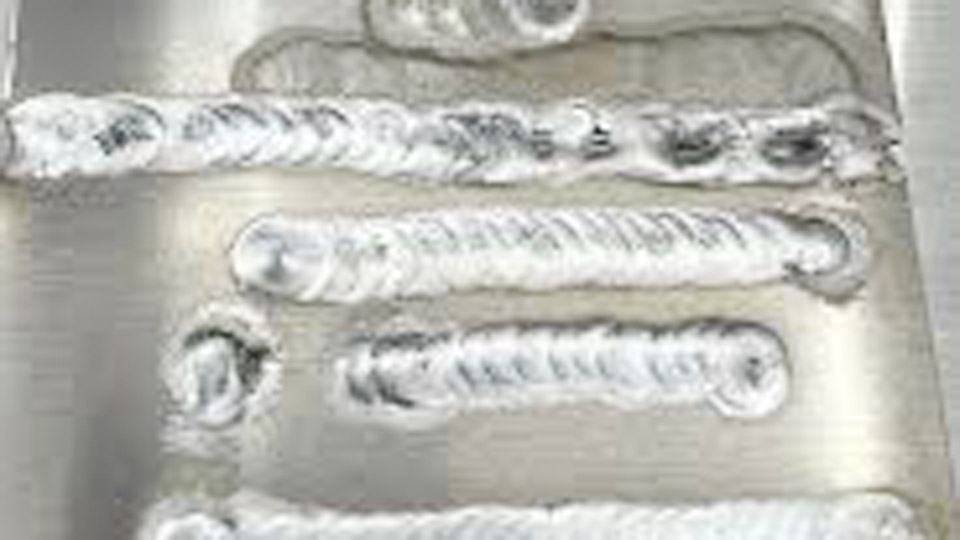
Image by Aluminum Tig welding
Why Choose TIG for Aluminum Welding
Let me start by saying TIG welding aluminum isn’t just another method—it’s often the best one for the job. I’ve tried MIG on aluminum, and while it’s faster for thicker stuff, TIG gives you that precision control you need for clean, high-quality beads.
Aluminum’s properties make it tricky: it’s got a low melting point around 1,200°F, high thermal conductivity that sucks heat away fast, and that stubborn oxide layer on top that melts at over 3,700°F. TIG handles all that with its non-consumable tungsten electrode and inert gas shield, letting you fine-tune heat input to avoid warping or burn-through.
In real-world applications, like fabricating automotive parts or repairing aircraft components here in the US, TIG shines for its ability to produce aesthetically pleasing welds without spatter. Think about those stacked-dime beads on a custom exhaust— that’s TIG magic. It also excels in maintaining weld strength, crucial for load-bearing structures where codes like AWS D1.2 come into play.
I’ve welded aluminum handrails that had to pass inspection, and TIG’s control over the puddle ensured no porosity or cracks. If you’re a student or hobbyist, starting with TIG builds skills that transfer to other processes. But remember, it’s not always the quickest—save it for jobs where quality trumps speed.
One lesson I learned early: TIG promotes safety by minimizing sparks and slag, reducing fire risks in your shop. It also cuts down on post-weld cleanup, saving you time and elbow grease. Cost-wise, while the initial setup might sting, efficient gas use and less filler waste pay off.
For industry workers, it’s about reliability—aluminum’s corrosion resistance paired with TIG’s clean joints means longer-lasting repairs. If you’re dealing with thin sheets, say 1/16-inch, TIG prevents distortion better than other methods. Bottom line, if integrity and finish matter, TIG is your go-to for aluminum.
Preparing Your Workspace and Materials
Preparation is where most welds succeed or fail, and I’ve botched enough jobs to know it firsthand. Before you even strike an arc, set up your workspace like a pro. Clear your bench of clutter—aluminum picks up contaminants easily, so a dedicated area helps.
I always lay down a clean welding blanket to catch any debris. Ventilation is key; aluminum welding produces ozone and fumes, so use an exhaust fan or respirator to stay safe, especially in enclosed US shops where OSHA guidelines apply.
Start with surface prep. Aluminum’s oxide layer is your enemy—it blocks fusion. I grab a stainless steel wire brush dedicated only to aluminum (never use it on steel to avoid cross-contamination) and scrub lengthwise along the joint. For stubborn oxide, a carbide burr on a die grinder works wonders, but don’t gouge the metal.
Then, wipe with acetone on a clean rag to remove oils or residues—do this right before welding, as oxide reforms quickly. On one project, I skipped a thorough clean on some 6061 alloy, and the weld was full of black specks. Lesson learned: always degrease both sides if it’s a through-weld.
Tungsten selection matters big time. For aluminum, I prefer 2% lanthanated or ceriated electrodes—they hold a point well on AC and resist contamination. Size-wise, 3/32-inch is versatile for most work up to 1/4-inch thick.
Ball the tip by switching to DCEP briefly on scrap aluminum: strike an arc, ramp up amps until it glows red, and let it form a hemisphere no bigger than 1.5 times the diameter. This stabilizes the arc. Zirconiated works too for higher amps, but avoid thoriated if you’re concerned about radioactivity.
Filler rods are next. Common choices are ER4043 for general use—it’s forgiving on cracks and flows well—or ER5356 for higher strength on 5xxx series alloys. Match the rod to your base metal; I check alloy charts for compatibility to avoid brittle welds.
Use 3/32-inch rods for most jobs, storing them clean and dry. A tip: if you’re out of TIG rods, straighten MIG wire by clamping one end and spinning the other in a drill—it’s a hack that saved me on a late-night repair.
Shielding gas is pure argon for 90% of aluminum TIG— it gives good arc stability and penetration. Flow rate? I set 15-20 CFH for a #7 cup, adjusting higher for windy shops. Too low, and you’ll get porosity; too high wastes gas and causes turbulence. Pre-flow 1-2 seconds and post-flow 10-15 seconds protect the tungsten and weld. For thicker stuff, add 25% helium to boost heat, but stick to argon if you’re new.
Safety gear: always. Leather gloves, a welding jacket, and an auto-darkening helmet with a shade 10-12 lens. I once got a nasty UV burn from skipping long sleeves—don’t repeat that. Eye protection under the helmet, and hearing plugs if your machine’s high frequency is loud. Set up clamps or fixtures to hold pieces steady; aluminum expands a lot with heat, so prevent warping.
Essential Machine Settings for TIG Welding Aluminum
Getting your machine dialed in is half the battle. I’ve tinkered with inverters like Miller and Lincoln, and the right settings turn frustrating sessions into smooth ones. First, polarity: always AC for aluminum. It alternates between electrode negative (EN) for penetration and electrode positive (EP) for cleaning the oxide. DC works for some thick stuff but lacks that cleaning action.
Amperage is based on thickness—rule of thumb: 1 amp per 0.001 inch. For 1/8-inch plate, start at 125 amps, but pedal down as needed. Tee joints need more, say 150 amps, since heat flows three ways. I always test on scrap to avoid burn-through.
AC balance controls the EN/EP ratio. Set to 70% EN/30% EP for most welds—more EN for penetration, more EP if you see black flecks (peppering) from oxide. But too much EP balls the tungsten excessively. On my machine, I start at 75% EN and tweak for a clean puddle.
Frequency adjusts arc shape. Default 60-120 Hz works, but crank to 150-200 Hz for thin material or tight corners—it focuses the arc like a laser, reducing heat spread. Lower to 80 Hz for thick plates needing a wider bead. High frequency stabilizes the arc but can be noisy—ear plugs help.
Pulse settings are a game-changer for thin aluminum. I use the “rule of 33”: 33 pulses per second, 33% background amps, 33% on-time. It agitates the puddle without overheating, preventing holes. For example, on 1/16-inch sheet, pulse at 100-150 amps peak, 50% background.
Here’s a quick comparison table for settings:
| Material Thickness | Amperage | AC Balance (EN%) | Frequency (Hz) | Filler Rod Size | Gas Flow (CFH) |
|---|---|---|---|---|---|
| 1/16 inch | 80-100 | 70-75 | 150-200 | 1/16 inch | 15-20 |
| 1/8 inch | 120-150 | 65-70 | 100-150 | 3/32 inch | 18-22 |
| 1/4 inch | 180-220 | 60-65 | 80-120 | 1/8 inch | 20-25 |
Pros of these settings: better control, less distortion. Cons: takes practice to fine-tune; overdo frequency and penetration drops.
Always use a foot pedal for amperage control—it lets you ramp up at starts and down at ends. For inverters, enable high-frequency start to avoid scratching the tungsten.
Step-by-Step Guide to TIG Welding Aluminum
Let’s walk through a weld like I’m handing you the torch. Say we’re doing a butt joint on 1/8-inch 6061 plate.
First, prep: Clean both pieces as I described—brush, degrease. Fit them up tight—no gaps over 1/32 inch, or you’ll burn through. Clamp securely.
Set your machine: AC, 130 amps max, 70% EN balance, 120 Hz frequency, argon at 18 CFH.
Hold the torch: Brace your hand on the table for stability, torch at 15 degrees forward tilt. Tungsten 1/8 inch out, close to the work—about its diameter away.
Strike the arc: Pedal down to 100 amps, pause 2-3 seconds for the puddle to form and oxide to clean. You’ll see a shiny dot.
Add filler: Dab the rod into the leading edge of the puddle, not the arc. Use a rhythmic dab-move-dab, pushing the torch forward. Keep the rod in the gas shield to avoid contamination.
Travel: Move at a steady pace—too fast, no penetration; too slow, overheating. As the piece heats, ease off the pedal to 80 amps to control the puddle width.
At edges or ends: Ramp amps up slightly to avoid erratic arc, then taper down slowly, adding extra filler to fill craters.
Stop: Hold the torch over the weld for post-flow—10 seconds—to cool it shiny.
Post-weld: Inspect for porosity or cracks. If it’s good, maybe polish with aluminum compound for shine.
I remember welding an aluminum toolbox—followed this, and it held up to years of abuse. Practice on scrap first.
Common Mistakes and How to Fix Them
Even pros slip up, but knowing common pitfalls keeps you ahead. One biggie: dirty material. Oxide or oils cause porosity—black holes in the bead. Fix: Always clean thoroughly, and use a fresh brush.
Wrong polarity: DC instead of AC leaves oxide intact, contaminating the weld. Switch to AC every time.
Improper balance: Too much EN, and you’ll see frost on the bead; too much EP, tungsten balls up. Adjust to 70/30 and test.
Long arc length: Pulls heat wide, causing burn-through. Keep tungsten close—shorten that standoff.
Rushing the start: No pause means poor wetting. Arc up and wait for the shiny puddle.
Overheating thin stuff: No pedal easing leads to holes. Pulse or back off amps.
Tungsten contamination: Dipping in the puddle or touching filler. Grind it clean or replace.
Filler issues: Wrong size or adding to the arc balls it up. Use right diameter, dab in puddle.
On a fence repair, I overheated and warped the panel—fixed by pulsing next time. Avoid these, and your welds improve fast.
Advanced Tips and Tricks for Pro-Level Welds
Once basics click, level up. For thin aluminum, use high frequency (200 Hz) for pinpoint control—great for corners.
Double-dip tacks: Add two dabs of filler for stronger holds, especially on ends where aluminum’s “hot short” makes it brittle.
Read the puddle: If it sinks, good penetration; if frosty, more cleaning (adjust balance).
Extend arc slightly when dabbing filler—lift 1-2mm to avoid dipping tungsten.
For cosmetics, run hot with high frequency—beads stack nicely.
Inboard tacks: Place half-inch inside to prevent end breaks.
Frequent dabs on gaps: Close spacing prevents holes.
Low frequency (50 Hz) for thick open joints—wider bead.
Polish visible welds: Tape edges, use compound—looks factory-fresh.
I’ve used these on custom rims—turned heads at shows.
Safety Considerations in TIG Welding Aluminum
Safety first—aluminum TIG amps up UV, so full PPE: jacket, gloves, helmet. Ventilate for ozone; I use a fume extractor.
Watch for hot metal—aluminum doesn’t glow red like steel, so it burns unexpectedly.
Secure gas cylinders; check hoses for leaks.
Electrical safety: Ground properly, avoid wet floors.
In US shops, follow OSHA—keep fire extinguisher handy.
I’ve avoided mishaps by double-checking setup.
Conclusion
Prep meticulously, dial in settings like AC balance and frequency, master puddle control, and avoid pitfalls like poor cleaning. With these TIG welding aluminum tips and tricks, you’re way more prepared to tackle projects confidently—whether it’s a hobby repair or pro fabrication.
You’ll save material, ensure strong joints, and enjoy the process. One pro tip: always practice on scrap before the real deal—it builds muscle memory and saves headaches. Now grab your torch and get welding; you’ll be stacking dimes in no time.
What AC Balance Should I Use for TIG Welding Aluminum?
Start with 70% EN and 30% EP for most jobs—it balances penetration and cleaning. If you spot black flecks, bump up EP slightly, but watch for tungsten balling. Test on scrap to fine-tune for your material.
How Do I Avoid Porosity in Aluminum TIG Welds?
Porosity comes from contaminants or poor gas coverage. Clean thoroughly with a stainless brush and acetone, ensure 15-20 CFH argon flow, and keep post-flow long enough to shield the cooling weld. Also, store filler rods clean.
What’s the Best Tungsten for Aluminum TIG?
Go with 2% lanthanated or ceriated—they hold up well on AC. Ball the tip for stability, and size to 3/32-inch for versatility. Avoid sharp points; a hemisphere works best.
Why Does My Aluminum Weld Warp?
Aluminum’s high expansion and conductivity cause warping from uneven heat. Use pulse settings to control input, tack frequently, and weld in short segments, letting it cool between. Clamps help too.
How Do I Choose the Right Filler Rod for Aluminum?
Match to your base alloy: ER4043 for crack-prone 6xxx series, ER5356 for stronger 5xxx. Check compatibility charts. Use 3/32-inch for most, and keep it in the gas shield to prevent oxidation.