
Welding cast iron with flux core is one of those jobs that sounds simple until you actually try it. Cast iron doesn’t behave like mild steel — it’s brittle, full of carbon, and quick to crack if the heat input or cooling rate is wrong. I’ve seen plenty of repairs fail because the wrong wire was used or the part wasn’t preheated properly.
Compared to MIG or TIG, flux core adds more heat and spatter, which makes arc control, joint prep, and understanding metal thickness even more critical. A lot of welders wonder if flux core is a good idea for cast iron at all, or if it’s just asking for trouble.
Getting this right matters for structural strength, safety, and avoiding cracks that show up days later. In this guide, I’ll walk you through when flux core can work on cast iron, how to set it up, and the proven techniques I use to make these tough repairs hold.
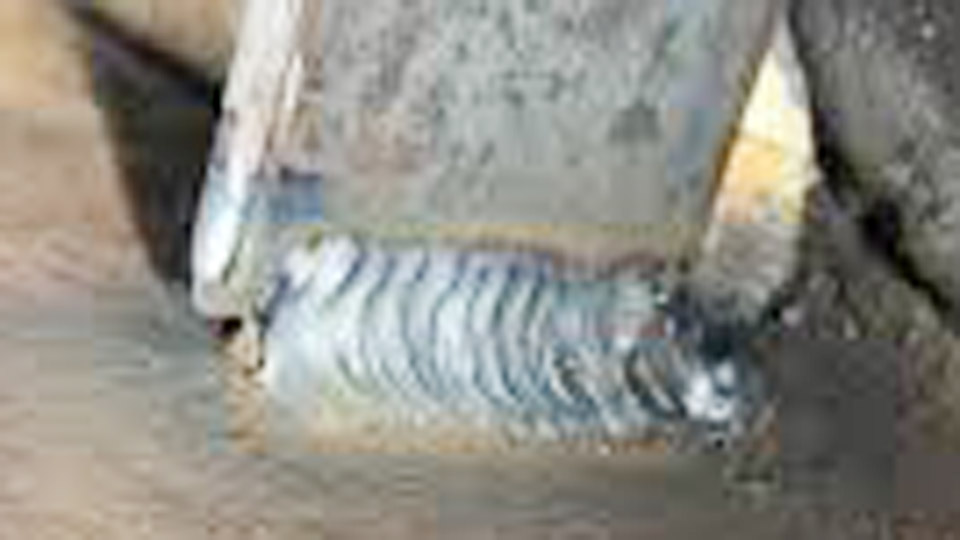
Image by I See You Don’t Know Shit About Welding
Understanding Cast Iron and Why It’s Challenging to Weld
Cast iron is one of those materials that looks tough but can be finicky under the torch. It’s essentially iron with a high carbon content, usually around 2-4%, which gives it great compressive strength but makes it brittle. In my experience, that’s why it cracks so easily from impacts or thermal shock.
When you’re welding, the heat causes expansion and contraction, and if not managed, it leads to white iron formation in the heat-affected zone—super hard and prone to breaking.
Why does this matter for flux core welding? Flux core relies on a tubular wire filled with flux that creates its own shielding gas, making it great for dirty or outdoor jobs. But cast iron’s impurities, like graphite flakes, can cause porosity if you’re not careful.
I’ve seen welds bubble up like bad popcorn because the base metal wasn’t prepped right. The key is recognizing that cast iron demands respect—rush it, and you’ll pay with rework.
From a practical standpoint, welding cast iron with flux core shines in scenarios where you need portability. Think repairing a cast iron gate on-site without dragging a gas bottle around. It promotes cost efficiency too, as flux core setups are often cheaper for hobbyists or small shops.
But always prioritize weld integrity; a poor repair on something like a machine base could lead to failures that endanger folks in the workshop.
Types of Cast Iron You Might Encounter
In the USA, we deal with several cast iron variants, each with its quirks. Gray cast iron, with its flaky graphite, is common in engine parts and pipes—it’s the most weldable but still needs preheating to avoid cracks. White cast iron is harder, often found in wear-resistant tools, and it’s a nightmare to weld without specialized techniques.
Then there’s ductile or nodular cast iron, used in automotive components, which has spherical graphite for better toughness. I’ve welded plenty of ductile iron brackets with flux core, and it holds up well if you use a high-nickel wire. Malleable cast iron, heat-treated for ductility, shows up in fittings and hardware—it’s forgiving but can revert to brittle if overheated.
Knowing your type helps with material compatibility. A quick spark test in the shop—grind it and watch the sparks—can clue you in: gray iron gives short, red bursts, while white is brighter and longer. This hands-on check has saved me from mismatched fillers more times than I can count.
Can You Really Weld Cast Iron With Flux Core?
Absolutely, you can weld cast iron with flux core, but it’s not my go-to for every job. In my shop, I’ve used it successfully on non-critical repairs like patching a cast iron skillet or fixing a bench vise. The flux in the wire helps burn through contaminants, which is handy since cast iron often comes rusty or oily.
That said, it’s not ideal for high-stress applications without extra steps. Flux core deposits a weld that’s machinable but can be prone to slag inclusions if your technique slips. Compared to stick welding with nickel rods, flux core is faster and requires less skill for basic beads, but it demands better control to prevent overheating.
When to use it? For DIYers or hobbyists without gas setups, it’s a lifesaver. Professionals might prefer it for fieldwork under US welding codes like AWS D1.1, where portability trumps precision. Just remember, success hinges on prep work—clean thoroughly and preheat to minimize thermal shock.
One lesson I learned the hard way: On a cast iron pump housing, I skipped full preheating and ended up with hairline cracks. Now, I always advise starting small—test on scrap to dial in your process.
Choosing the Right Flux Core Wire for Cast Iron
Picking the right flux core wire is crucial for strong, crack-resistant welds on cast iron. I swear by high-nickel content wires, like those with 55-99% nickel, because they match cast iron’s expansion rate and reduce brittleness.
A favorite in my kit is .030-inch diameter wire, such as Matheson or similar self-shielded options designed for cast iron. These provide good penetration without excessive heat input. For heavier sections, go up to .045-inch for better deposition rates.
Semantic keywords like “nickel-based flux core” or “cast iron repair wire” pop up in searches, and for good reason—they ensure filler compatibility. Avoid standard mild steel flux core; it’ll crack under stress. Instead, look for AWS classifications like E71T-11 with added alloys.
Practical tip: Store your wire in a dry spot to prevent moisture pickup, which causes porosity. I’ve had spools go bad from shop humidity, leading to spitty arcs. Cost-wise, expect $20-50 per spool in US markets—worth it for reliable welds.
Comparing Flux Core Wires for Different Cast Iron Applications
Here’s a quick comparison table to help you choose:
| Wire Type | Best For | Pros | Cons | Recommended Settings |
|---|---|---|---|---|
| High-Nickel (.030″) | Gray cast iron repairs | Excellent ductility, minimal cracking | Higher cost | 15-18V, 100-150 IPM |
| Alloyed Self-Shielded (.045″) | Ductile iron joints | High deposition, good for thick sections | More slag cleanup | 18-22V, 150-200 IPM |
| Standard Flux Core (avoid for critical) | Quick patches on non-load parts | Cheap, readily available | Prone to brittleness | 14-17V, 80-120 IPM |
This table draws from my shop trials—always adjust based on your machine.
Essential Equipment and Setup for Flux Core Welding Cast Iron
Your setup makes or breaks the job. Start with a reliable flux core welder; I use models like the Hobart Handler or Lincoln Electric, common in US shops for their durability. Ensure it’s rated for at least 140 amps to handle cast iron’s thickness.
You’ll need grinding tools for prep—a angle grinder with flap discs to V-groove cracks. Preheating gear is non-negotiable: a propane torch or oven to hit 500°F evenly. Post-weld, have welding blankets for slow cooling.
Safety gear? Full PPE—leather gloves, auto-darkening helmet (shade 10-12), respirator for fumes, and fire extinguisher nearby. Cast iron welding kicks up nasty smoke, so ventilate well.
Setup tip: Polarity matters—use DC electrode negative for deeper penetration on cast iron. Wire feed speed around 150 inches per minute keeps the arc stable. I’ve tweaked these on jobsites to avoid burn-through on thinner pieces.
Machine Settings Recommendations
Dialing in settings is trial and error, but here’s what works for me on a 1/4-inch cast iron plate with .030 wire: Voltage at 16-18V for a smooth arc, amperage 100-120A to melt without overheating. Wire speed 120-180 IPM ensures consistent feed.
For thicker stock, bump voltage to 20V and amps to 150A. Always run a test bead on scrap—too hot, and you’ll get undercut; too cool, poor fusion. In windy US outdoors, flux core’s self-shielding shines, but indoors, add a fan for fume extraction.
One anecdote: On a cast iron frame repair, low voltage caused lack of fusion—had to grind out and redo. Now, I always start conservative and adjust up.
Step-by-Step Guide to Welding Cast Iron With Flux Core
Let’s get hands-on. First, identify the crack or break—use dye penetrant if needed for hidden flaws.
Step 1: Clean the area. Grind away rust, paint, and contaminants to bright metal. Cast iron holds oil, so degrease with acetone.
Step 2: V-groove the joint. Use a 60-90 degree angle for full penetration—deeper for thick pieces.
Step 3: Preheat. Slowly bring the piece to 500-600°F using a torch. Monitor with temp sticks to avoid uneven heating.
Step 4: Tack weld. Short tacks hold it together without full heat buildup.
Step 5: Weld in short beads. Run 1-2 inch passes, peening each with a hammer to relieve stress. Use a drag technique for flux core.
Step 6: Peen and cool slowly. After each pass, peen while hot, then insulate with blankets for hours.
Step 7: Post-weld heat if needed. For critical parts, reheat to 900°F and cool controlled.
This process has fixed countless items in my shop, from vises to pulleys. For a real example, I repaired a cast iron bell—preheated in an oven, welded short beads, and it rang true again.
Preheating and Post-Weld Cooling: The Key to Success
Preheating isn’t optional—it’s your best defense against cracking. I aim for 500°F minimum, heating the whole piece if possible. Use rosebud tips on torches for even distribution; uneven heat is a common pitfall.
Why? It reduces thermal gradients, preventing martensite formation. In practice, I’ve used shop ovens for small parts, wrapping larger ones in insulation during preheat.
Post-weld, slow cooling is equally vital. Bury in sand or use ceramic blankets—aim for 50°F per hour drop. Rushing this once cost me a manifold; it cracked overnight. Now, I plan for 24-hour cool-downs on big jobs.
Tip: For US codes compliance, document temps if it’s structural—builds trust with inspectors.
Common Mistakes and How to Avoid Them
One big mistake: Skipping preheat. It leads to immediate cracks—always heat up.
Another: Using wrong wire. Mild steel flux core fails; stick to nickel alloys.
Overheating beads causes porosity—keep passes short and interpass temps under 700°F.
Not peening: This relieves stress; skip it, and welds pop.
Fixes? Practice on scrap, monitor heat, and clean slag thoroughly between passes. I’ve turned failed welds into lessons by grinding out and restarting.
Safety Considerations When Welding Cast Iron
Safety first, always. Flux core on cast iron produces heavy fumes—zinc or lead if painted—so use a respirator with P100 filters.
Eye protection: Auto-darkening helmets prevent arc flash. Leather clothing guards against sparks; cast iron spits hot metal.
Fire watch: Preheat can ignite nearby flammables—keep extinguishers handy.
Ventilation: Outdoor or exhaust fans pull away smoke. In my shop, I added a fume extractor after a hazy session reminded me of the risks.
Handle hot parts with tongs; burns are common for newbies. Follow OSHA guidelines for US workplaces—proper grounding prevents shocks.
Pros and Cons of Flux Core Welding Cast Iron vs. Other Methods
Flux core has its place, but let’s compare.
Pros of flux core: No gas needed, great for rusty surfaces, portable for field repairs. Higher deposition rates speed up jobs.
Cons: More slag cleanup, potential porosity, less precise than MIG.
Vs. MIG: MIG offers cleaner welds with gas shielding but requires bottles—less ideal outdoors. For cast iron, MIG with solid nickel wire penetrates better but costs more in setup.
Vs. Stick: Stick with Ni-rods is traditional for cast iron—strong but slower. Flux core is easier for beginners.
Table for clarity:
| Method | Pros for Cast Iron | Cons | Best Use |
|---|---|---|---|
| Flux Core | Portable, self-shielding, cost-effective | Slag, porosity risk | DIY repairs, outdoors |
| MIG | Clean, good fusion | Needs gas, expensive wire | Shop precision work |
| Stick | Strong, proven | Slow, skill-intensive | Critical structural |
In my experience, flux core wins for hobbyists fixing farm gear.
Real-World Applications and Examples
In US shops, flux core welding cast iron applies to automotive exhausts, machinery bases, and historical restorations. I once fixed a cast iron stove for a friend—preheated gently, used short beads, and it’s still cooking.
For students, practice on scrap engine blocks. Professionals: Use for pipeline fittings under API standards.
Anecdote: Repaired a vise jaw that snapped—V-grooved, preheated to 550°F, welded with .030 nickel wire. Held up to daily abuse.
These examples show versatility, from hobby to pro.
Conclusion
You’ve now got the tools to tackle welding cast iron with flux core confidently—from choosing wires to mastering preheat and avoiding pitfalls. You’re better prepared because you understand the why behind each step, ensuring safer, stronger repairs that stand the test of time.
Always peen your beads hot—it’s a simple habit that’s saved more welds than I can count. Grab your gear and give it a go; you’ll be surprised how capable you feel in the shop.
Is preheating always necessary for welding cast iron with flux core?
Yes, preheating is essential to prevent cracking due to thermal stress. Aim for 500-600°F, and heat the entire piece evenly for best results. Skipping it often leads to failures, especially on thicker sections.
What flux core wire diameter is best for cast iron repairs?
For most jobs, .030-inch works well for control and penetration. Go to .045-inch for heavier builds. Always match with high-nickel content for compatibility and ductility.
Can flux core welding cast iron produce machinable welds?
Definitely, with the right nickel-based wire, the weld is machinable and holds up. Just ensure slow cooling to maintain softness—I’ve drilled and tapped many such repairs without issues.
How do I fix porosity in flux core welds on cast iron?
Porosity often comes from contaminants or moisture. Clean thoroughly, dry your wire, and adjust voltage down slightly. If it persists, switch to shorter beads and better ventilation.
What’s the biggest advantage of flux core over stick for cast iron?
Flux core is faster and more portable, ideal for outdoor or quick fixes without rod changes. It’s forgiving for hobbyists, though stick might edge it out for ultimate strength in pro applications.