
After spending long days under a hood, it doesn’t take long to realize that welding isn’t just tough on metal—it can be tough on your body too. Understanding what are the health risks of welding is something every welder, from DIYers to full-time fabricators, needs to take seriously.
Welding exposes you to fumes, gases, intense UV radiation, heat, and noise, whether you’re running stick, MIG vs TIG, or flux core. Different materials—like stainless steel, galvanized steel, or aluminum—add their own risks, especially when poor ventilation or improper joint prep leads to contaminated fumes.
These hazards matter because long-term exposure can affect your lungs, eyes, skin, hearing, and overall health, sometimes without obvious short-term symptoms. The good news is most risks are preventable with the right habits and protection. I’ll break down the real health risks of welding and the practical steps welders use to stay safe on the job.
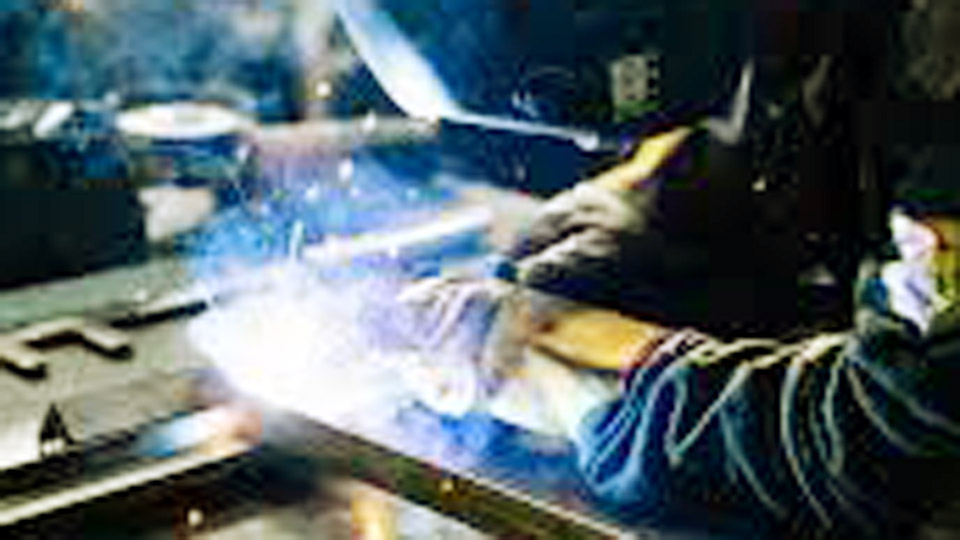
Photo by theconversation
The Biggest Threat: Breathing in Welding Fumes and Gases
Welding fumes are that cloudy mix of tiny metal particles and gases that rise up when your arc melts the base metal and filler. They’re produced in every process, whether you’re running SMAW on mild steel repairs or TIG on stainless aerospace parts.
The fumes contain stuff like manganese, chromium, nickel, and iron oxides, depending on your materials and rods. How does this happen? The intense heat vaporizes metals, which then condense into breathable particles that sneak into your lungs.
You encounter this risk anytime you’re welding indoors without good airflow or on coated materials like galvanized steel, which kicks out extra zinc fumes. Why use caution here? Chronic exposure ramps up your chances of lung issues, including cancer—studies show welders have a 20-30% higher risk of lung cancer from long-term fume inhalation.
It’s not just lungs; manganese in those fumes can build up and cause neurological problems, like tremors or balance issues that mimic Parkinson’s.
In my shop days, I once ignored a nagging cough after a week of heavy MIG on structural beams. Turned out to be early metal fume fever—fever, chills, and fatigue from zinc exposure.
Beginners often crank amperage too high thinking it’ll speed things up, but that just creates more fumes and spatter. Pros make the mistake of skipping respirators in “quick jobs,” leading to buildup over years.
To cut this risk, start with ventilation. Set up a fume extractor right at the arc—I’ve used portable units from Lincoln Electric that pull 500 CFM, positioning the hood 6-8 inches from the weld.
For amperage, match it to your rod size: for a 1/8-inch 7018 rod in SMAW, aim for 90-140 amps on mild steel to minimize excess heat and fumes. Too low, and you’ll get poor penetration with more restarts; too high, and fumes explode.
Joint prep helps too—bevel edges cleanly with a grinder to reduce filler needed, cutting fume production. Always check material compatibility; welding aluminum? Use argon shielding gas to contain fumes better than CO2 mixes. And wear a powered air-purifying respirator (PAPR) for enclosed spaces—I’ve sworn by 3M models since they fog less under helmets.
Here’s a quick table comparing fume risks across common processes:
| Process | Fume Level | Common Culprits | Mitigation Tip |
|---|---|---|---|
| SMAW (Stick) | High | Manganese from rods | Use low-fume rods like E7018-H4R, ventilate aggressively |
| MIG | Medium-High | Chromium if on stainless | Push technique to direct fumes away, 100-150 amps for 0.035 wire |
| TIG | Low-Medium | Ozone from UV | Argon flow at 15-20 CFH, slower travel speeds reduce exposure |
| FCAW | High | Flux gases | Outdoor if possible, or exhaust fans pulling 2000 CFM |
Pros of good ventilation: Cleaner shop, better bead appearance, fewer health scares. Cons: Initial setup costs $500-2000, but it pays off in productivity.
How Welding Can Mess with Your Lungs Over Time
Lung problems from welding aren’t just a one-off cough—they build quietly. Chronic obstructive pulmonary disease (COPD) is a big one, where fumes scar lung tissue, making breathing labored. It stems from repeated irritation; particles lodge in airways, triggering inflammation. Bronchitis and asthma flare-ups are common too, especially with ozone from high-heat processes.
This hits when you’re welding alloys or in poor ventilation, like confined tanks. Why bother preventing it? I’ve seen welders in their 40s huffing on inhalers, unable to tackle big jobs without breaks. It affects penetration too—rushed welds from fatigue mean more distortion and rework.
One lesson from my early days: I was fabbing exhaust systems with high-chrome stainless, no extractor. Months later, persistent wheezing had me at the doc—early airway irritation.
Common newbie error: Ignoring wind direction outdoors, letting fumes blow back. Pros forget annual lung checks, thinking they’re invincible.
Fix it by monitoring air quality—use a simple particle meter app on your phone for spot checks. For settings, dial amperage precisely: On a Miller Multimatic 215, for 1/16-inch electrodes, stick to 50-90 amps to avoid overheating and extra ozone. Prep joints with acetone wipes to remove oils that vaporize into irritants.
Step-by-step for safe lung practices:
- Assess the job—indoors? Crank exhaust fans.
- Choose rods: Low-hydrogen for less smoke.
- Set machine: Match polarity (DCEP for most SMAW) to stabilize arc, reducing spatter.
- Weld smart: Short sessions, breaks in fresh air.
- PPE up: N95 minimum, but upgrade to half-mask with P100 filters for heavy days.
Real shop tip: In US fabs, follow OSHA’s 5 mg/m³ limit for fumes—test your space if needed.
The Neurological Side Effects You Don’t See Coming
Manganese in welding rods and wires is the sneaky culprit here. It accumulates in the brain from inhaled fumes, disrupting nerves and leading to manganism—symptoms like tremors, slow movements, and mood changes. How? The metal bypasses your body’s filters when breathed in, unlike dietary sources.
This risk amps up with processes using manganese-rich fillers, like some flux-cored wires for high-strength steel. Why care? It can end careers; I’ve known a fabricator who quit at 50 because shaky hands ruined his precision TIG work.
Anecdote: Back in a shipyard gig, a coworker dismissed early fatigue as “getting old.” Turned out manganese exposure from years of SMAW on manganese steels. Beginners overload on high-manganese rods without knowing; pros push limits in deadlines, inhaling more.
Mitigate with rod choice—switch to low-manganese alternatives like ER70S-6 for MIG on mild steel. Amperage wise, for 3/32-inch rods, 70-110 amps keeps the arc controlled, less vapor. Material handling: Store rods dry to prevent hydrogen cracking, which forces higher amps and more fumes.
Pros: Early detection via blood tests keeps you ahead. Cons: Testing isn’t free, but unions often cover it.
Protecting Your Eyes from the Arc’s Harsh Glare
UV and infrared radiation from the arc is like a mini sun— it causes “welder’s flash,” burning the cornea for painful, teary eyes. Long-term, it raises cataract risk. The light spectrum damages cells directly.
Happens in any open-arc process, worse with high amps creating brighter arcs. Why crucial? Blurry vision means uneven beads, poor fusion, and safety slips like tripping over cords.
I once skipped my auto-darkening helmet for a “quick tack”—ended up with flash burn that night, eyes like sandpaper. Newbies stare too long adjusting; pros get complacent without side shields.
Always use a helmet with shade 10-13 for SMAW at 100+ amps. For machines like Hobart Handler, set voltage 18-22V with wire speed 200-300 IPM to tame the arc brightness.
Step-by-step eye safety:
- Inspect helmet lenses for scratches.
- Position work to avoid reflections.
- Weld in bursts, look away during slag chipping.
- Use curtains to shield others.
Table of shade levels:
| Amperage | Recommended Shade | Process Example |
|---|---|---|
| Under 60 | 8-10 | Light TIG |
| 60-160 | 10-11 | SMAW repairs |
| 160-250 | 11-12 | Heavy MIG |
| Over 250 | 12-14 | High-amp FCAW |
Skin Burns and Long-Term Damage from Heat and Sparks
Sparks, spatter, and UV can cause immediate burns or long-term skin cancer. Heat melts skin on contact; UV ages it prematurely.
Common in SMAW with sticky rods or high amps causing spatter. Why matters: Burns lead to infections, scarring that limits mobility for welding postures.
Shop story: A trainee amped too high on 6010 rods, spatter burned through his shirt. Lesson? Dial 80-120 amps for 1/8-inch 6010, use drag technique.
Tips: Leather jackets, gloves rated for 500°F. Prep: Grind scale off joints for smoother arcs.
Filler compatibility: Match rod to base—E7018 for low-alloy steels avoids mismatch spatter.
Pros: Full gear prevents downtime. Cons: Hot in summer, but breathable options exist.
Noise That Sneaks Up on Your Hearing
Welding noise from grinders, hammers, and arcs hits 85-100 dB, causing gradual hearing loss. Vibrations damage inner ear hairs.
In busy shops with multiple welders. Why? Ringing ears distract, leading to mismeasured joints or weak welds.
I plugged ears inconsistently early on—now I deal with tinnitus. Beginners blast radios over noise; pros ignore it.
Use earplugs or muffs, especially prepping with angle grinders. For settings, lower amps reduce arc crackle—100 amps max for detail work.
Electrical Shocks and How to Avoid Them
Shocks from live electrodes or wet conditions can stop your heart. Current flows through you if grounded poorly.
In damp shops or with faulty machines. Why? A zap interrupts your weld, causing porosity or cracks.
Anecdote: Wet gloves once shocked me mid-bead—ruined the joint. Fix: Dry everything, use GFCI outlets on US machines like Lincoln Power MIG.
Step-by-step:
- Check cables for frays.
- Ground work properly.
- Wear rubber-soled boots.
- Set machine to lowest effective amps.
Fertility and Other Hidden Risks for Welders
Heat and metals like lead in some solders can lower sperm count. Fumes affect hormones.
For long-haul welders on heavy metals. Why? Family planning suffers, plus fatigue from low energy.
Tip: Ventilate, get regular checkups. Rods without lead coatings help.
Wrapping Up
It’s clear that welding’s rewards—building something lasting, the satisfaction of a perfect bead—come with a price tag on your health if you’re careless. But armed with these insights, you’re set to spot risks early, tweak your setups for safer runs, and keep distortions or burn-through at bay by nailing those amperage sweet spots.
You’ll weld smarter, not harder, avoiding the pitfalls that trip up so many. Always run a test bead on scrap before the real job—it catches amperage mismatches that could spike fumes or spatter, saving your lungs and your workpiece.
FAQ’s
Can welding fumes really cause cancer?
Yes, prolonged exposure to fumes, especially from stainless or painted metals, ups lung and kidney cancer risk. Cut it by using exhaust systems and low-fume rods, sticking to 90-130 amps on common electrodes to minimize production.
What’s the best way to prevent metal fume fever?
Avoid galvanized steel without stripping zinc first. Weld outdoors or with strong ventilation, and take breaks every hour. Hydrate well—I’ve dodged it by sipping water between beads.
How do I choose the right respirator for my welding setup?
For SMAW or MIG, go P100 filters in a half-mask. In confined spaces, PAPR with HEPA. Fit-test annually; wrong size leaks fumes.
Are there health risks from welding aluminum specifically?
Aluminum produces ozone and fine particles that irritate lungs. Use pure argon, 15-25 amps per 1/16-inch thickness on TIG, and a push technique to direct fumes away.
Why do my eyes hurt after welding, and how to fix it?
That’s arc eye from UV. Always use auto-darkening helmets, shade matched to amps. Rest eyes in dark, use drops if burned—prevention beats cure every time.