
A specialty welder is a highly skilled professional who performs specialized welding techniques beyond basic welding applications. These experts work with unique materials, complex projects, and advanced welding processes that require extensive training and certification. Unlike general welders, specialty welders focus on specific industries, materials, or techniques that demand precision and expertise.
A specialty welder is a highly trained professional who performs advanced welding techniques in specific industries like aerospace, underwater construction, pipeline work, or nuclear facilities. These welders require specialized certifications and work with unique materials or in challenging environments that demand precision beyond general welding skills. They typically earn higher salaries than general welders due to their specialized expertise and the critical nature of their work.
Understanding the Role of a Specialty Welder
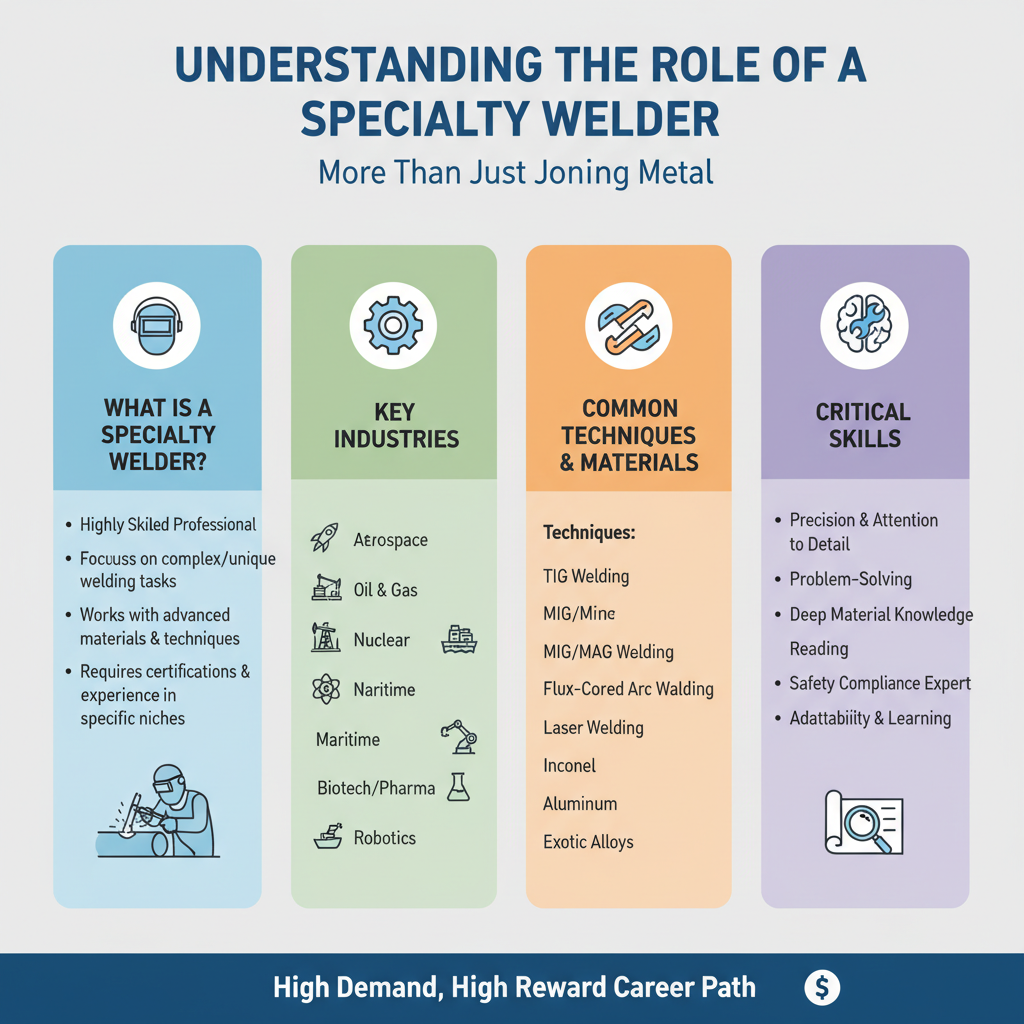
Specialty welders represent the elite tier of welding professionals. They possess advanced skills in specific welding disciplines and often work in industries where precision, safety, and quality are paramount. These professionals undergo rigorous training and certification processes to master their chosen specialization.
The demand for specialty welders continues to grow as industries become more complex and require specialized expertise. From aerospace manufacturing to underwater construction, these skilled professionals fill critical roles that general welders cannot perform.
Key Characteristics of Specialty Welders
Specialty welders distinguish themselves through several key characteristics:
– Advanced technical knowledge in specific welding processes
– Specialized certifications and credentials
– Experience with unique materials and applications
– Ability to work in challenging environments
– Precision and attention to detail
– Problem-solving skills for complex projects
Types of Specialty Welding Disciplines
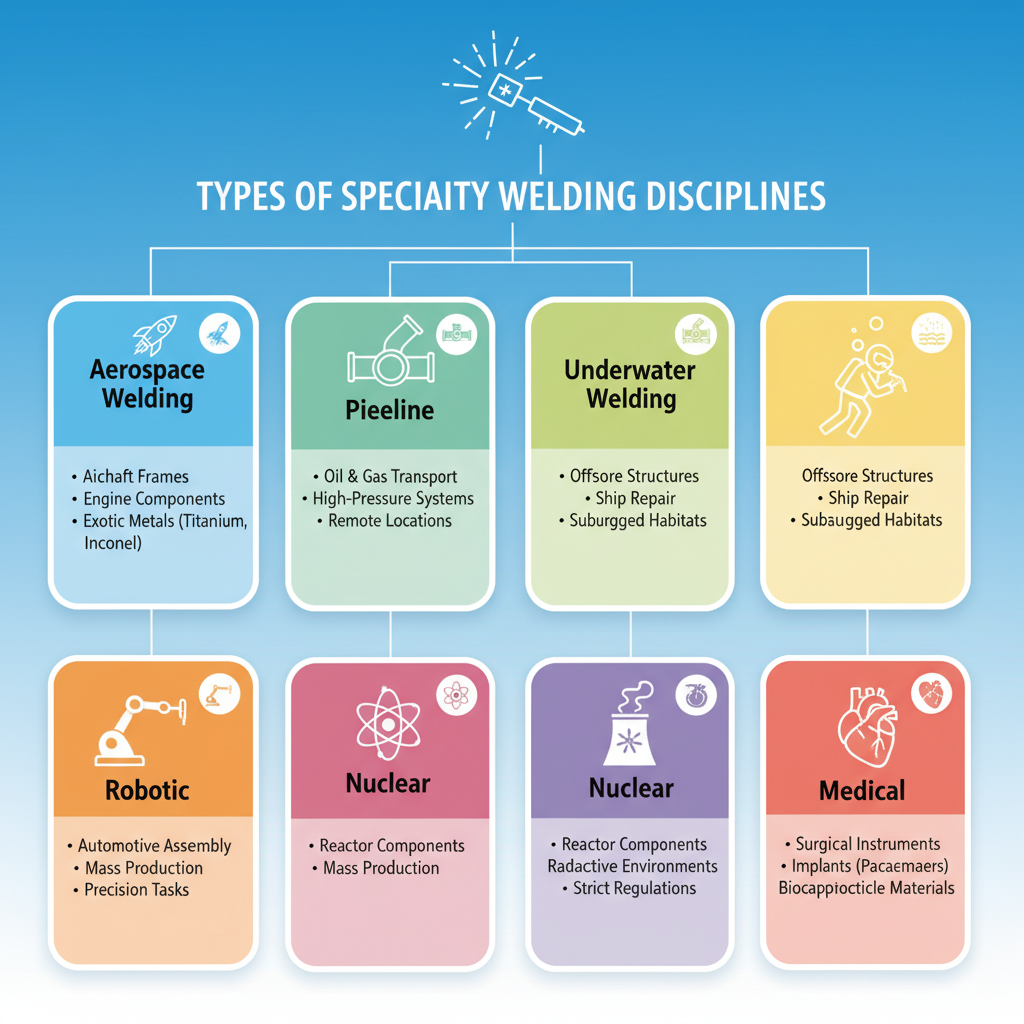
The field of specialty welding encompasses numerous disciplines, each requiring specific skills and knowledge. Understanding these different types helps clarify what makes a specialty welder unique.
Aerospace Welding
Aerospace welders work with aircraft components, spacecraft, and related equipment. They must meet strict quality standards and work with lightweight, high-strength materials like titanium and aluminum alloys. These professionals often use Miller Dynasty 350 TIG welders for precision work on critical aerospace components.
Aerospace welding requires:
– Extensive knowledge of aviation regulations
– Precision welding techniques
– Understanding of material properties
– Quality control expertise
– Security clearance in many cases
Underwater Welding
Underwater welders, also known as commercial divers, perform welding operations below water surfaces. This highly specialized field combines welding skills with commercial diving expertise.
Requirements include:
– Commercial diving certification
– Underwater welding training
– Physical fitness standards
– Safety protocol knowledge
– Emergency response skills
Pipeline Welding
Pipeline welders specialize in joining sections of oil, gas, and water pipelines. They often work in remote locations and must produce high-quality welds that meet strict safety standards.
Pipeline welding involves:
– Travel to remote job sites
– Working with large-diameter pipes
– Meeting API and other industry standards
– X-ray testing of welds
– Working in various weather conditions
Nuclear Welding
Nuclear welders work in nuclear power plants and related facilities. They must meet the highest safety and quality standards due to the critical nature of nuclear applications.
Nuclear welding requires:
– Extensive background checks
– Specialized training programs
– Radiation safety knowledge
– Precise documentation
– Continuous monitoring and testing
Essential Skills and Qualifications
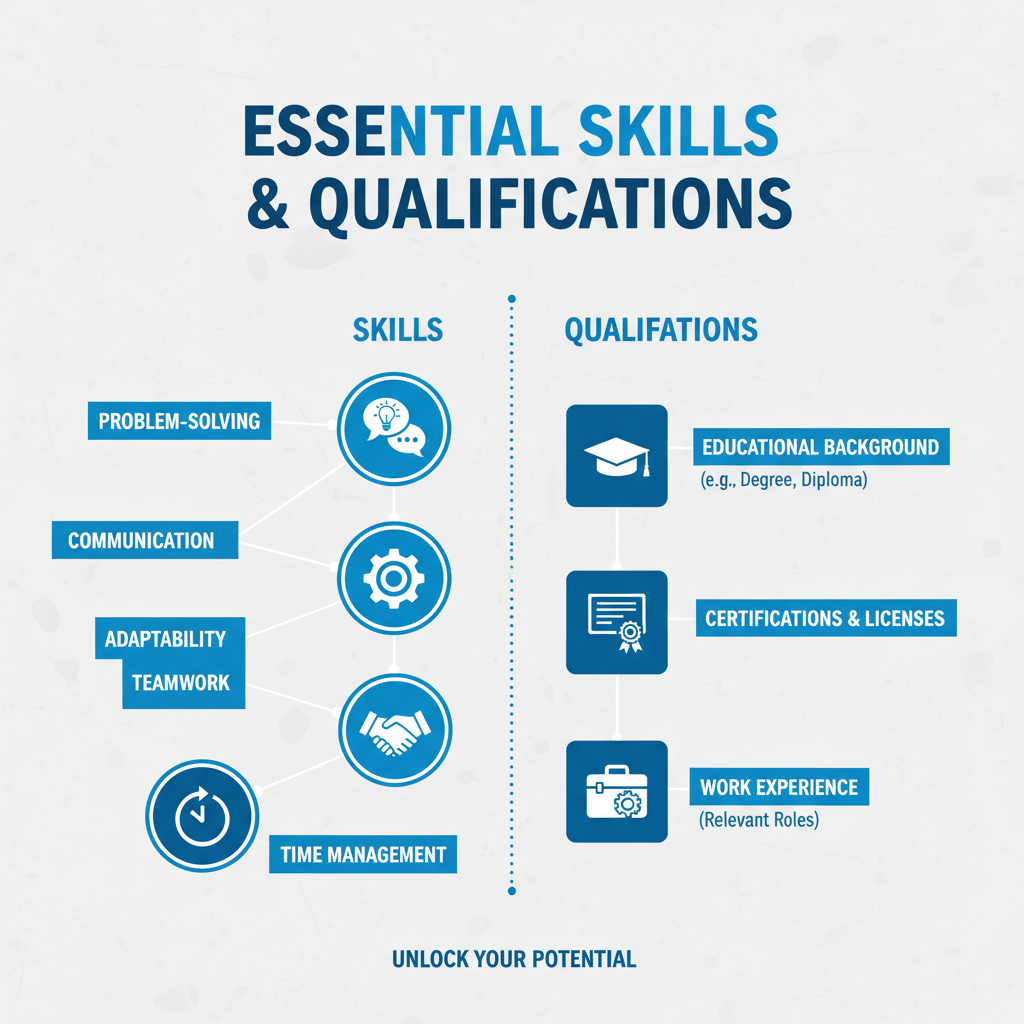
Becoming a specialty welder requires developing specific skills and obtaining relevant qualifications. The path varies depending on the chosen specialization, but certain fundamentals apply across all disciplines.
Technical Skills
Specialty welders must master advanced technical skills beyond basic welding:
Welding Process Expertise: Deep knowledge of specific welding processes like TIG, MIG, stick welding, or specialized techniques like electron beam welding.
Material Knowledge: Understanding of how different materials behave during welding, including exotic alloys, stainless steel, aluminum, and composite materials.
Blueprint Reading: Ability to interpret complex technical drawings, welding symbols, and specifications.
Quality Control: Knowledge of testing methods, inspection techniques, and quality assurance procedures.
Certifications and Training
Most specialty welding positions require specific certifications:
– AWS (American Welding Society) certifications
– Industry-specific certifications
– Safety training certifications
– Continuing education requirements
– Periodic recertification
Physical and Mental Requirements
Specialty welding often involves challenging working conditions:
– Physical stamina and dexterity
– Good hand-eye coordination
– Ability to work in confined spaces
– Mental focus and attention to detail
– Problem-solving abilities
Industries That Employ Specialty Welders
Specialty welders find employment across numerous industries, each with unique requirements and challenges. Understanding these industries helps clarify the diverse opportunities available.
Manufacturing and Fabrication
Manufacturing facilities employ specialty welders for complex fabrication projects. These professionals work with advanced materials and precision equipment like the Lincoln Electric PowerWave S350 for automated welding applications in high-volume production environments.
Key sectors include:
– Automotive manufacturing
– Heavy equipment production
– Custom fabrication shops
– Medical device manufacturing
– Electronics manufacturing
Energy Sector
The energy industry relies heavily on specialty welders for various applications:
Oil and Gas: Pipeline construction, refinery maintenance, and offshore platform work.
Nuclear Power: Reactor maintenance, component fabrication, and safety system installation.
Renewable Energy: Wind turbine construction, solar panel mounting systems, and hydroelectric facility maintenance.
Construction and Infrastructure
Large construction projects often require specialty welding expertise:
– Bridge construction and maintenance
– High-rise building frameworks
– Stadium and arena construction
– Infrastructure repair projects
– Architectural metalwork
Transportation
Various transportation industries employ specialty welders:
– Shipbuilding and marine repair
– Railway car manufacturing
– Aircraft maintenance and repair
– Automotive racing industry
– Commercial vehicle manufacturing
Career Path and Advancement Opportunities
The career path for specialty welders typically involves progression from general welding to specialized applications. Understanding this progression helps aspiring welders plan their career development.
Entry-Level Development
Most specialty welders begin with:
1. Basic Welding Training: Completing welding school or apprenticeship programs
2. General Experience: Working in general welding positions to build foundational skills
3. Skill Development: Practicing advanced techniques and learning new processes
4. Initial Certifications: Obtaining basic welding certifications
Specialization Phase
The transition to specialty welding involves:
1. Choosing a Specialization: Selecting a specific field based on interests and opportunities
2. Advanced Training: Completing specialized training programs
3. Certification Achievement: Obtaining industry-specific certifications
4. Experience Building: Working in entry-level specialty positions
Career Advancement
Experienced specialty welders can advance through:
Senior Welder Positions: Taking on more complex projects and mentoring junior welders.
Welding Inspector: Moving into quality control and inspection roles.
Welding Supervisor: Managing welding teams and projects.
Welding Engineer: Developing welding procedures and specifications.
Independent Contractor: Starting their own welding business or consulting practice.
Salary Expectations and Job Market
The specialty welding field offers competitive compensation, with salaries varying based on specialization, location, and experience level. Understanding the financial aspects helps individuals make informed career decisions.
Salary Ranges by Specialization
Different specialty welding fields offer varying compensation levels:
Underwater Welding: $50,000 – $150,000+ annually, depending on experience and project complexity.
Nuclear Welding: $60,000 – $120,000 annually, with excellent benefits and job security.
Aerospace Welding: $45,000 – $100,000 annually, with opportunities for overtime and bonuses.
Pipeline Welding: $40,000 – $120,000 annually, often with travel allowances and per diem.
Factors Affecting Compensation
Several factors influence specialty welder salaries:
– Geographic location and cost of living
– Industry demand and project availability
– Level of experience and expertise
– Certifications and specialized training
– Willingness to travel or work in challenging conditions
– Union membership and collective bargaining agreements
Job Market Outlook
The job market for specialty welders remains strong due to:
– Infrastructure modernization needs
– Energy sector expansion
– Manufacturing growth
– Retirement of experienced welders
– Increasing complexity of welding applications
Conclusion
A specialty welder represents the pinnacle of welding expertise, combining advanced technical skills with specialized knowledge in specific industries or applications. These professionals play crucial roles in aerospace, energy, construction, and manufacturing sectors, where precision and quality are essential.
The path to becoming a specialty welder requires dedication, continuous learning, and specialized training. However, the career offers excellent compensation, job security, and the satisfaction of working on challenging, high-impact projects. As industries continue to evolve and require more specialized expertise, the demand for skilled specialty welders will continue to grow.
Whether interested in underwater welding adventures, precision aerospace work, or critical nuclear applications, specialty welding offers diverse career opportunities for skilled professionals willing to invest in their expertise and training. The field rewards those who pursue excellence with competitive salaries, job stability, and the opportunity to work on projects that shape our modern world.