
Plasma arc cutting is a process that uses a high-velocity jet of ionized gas (plasma) to cut through electrically conductive metals like steel, stainless steel, and aluminum. Unlike oxy-fuel cutting, which relies on combustion, plasma cutting melts the metal using extreme heat generated by an electric arc, while the high-speed plasma blows the molten metal away, leaving a clean cut.
From hands-on experience, it’s faster than traditional methods, works on thinner and thicker metals alike, and allows for precise cuts—even intricate shapes—without warping the workpiece as much.
Compared to MIG or TIG welding, plasma cutting doesn’t join metal; it’s all about separation, but knowing arc control, gas type, and amperage settings is just as critical to avoid rough edges or dross. I’ll explain how plasma arc cutting works in practice, what equipment you need, and tips for clean, efficient cuts in the shop.
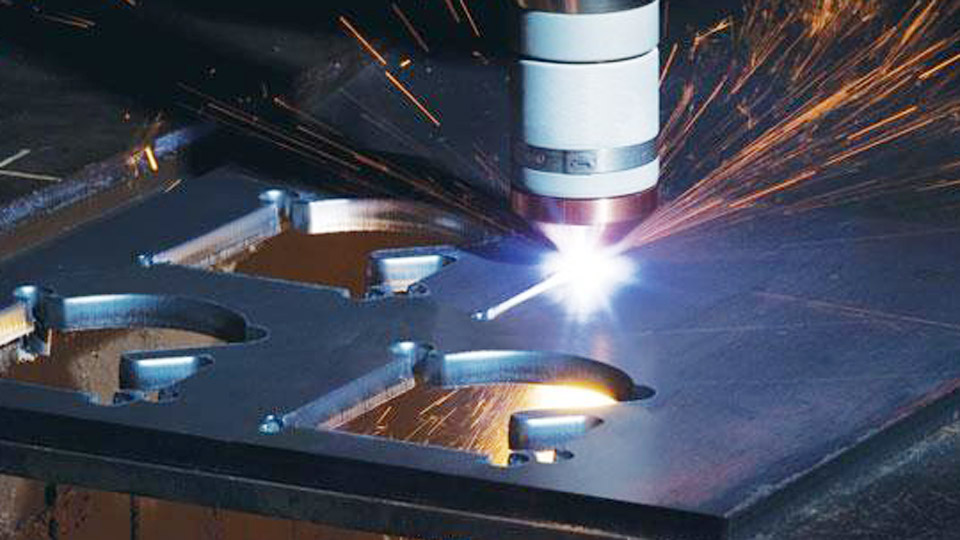
Image by canadianmetalworking
How Does Plasma Arc Cutting Actually Work in the Shop?
Plasma arc cutting is all about harnessing electricity and gas to create a focused beam of extreme heat. At its core, it’s a thermal process where you ionize a gas—turning it into plasma, the fourth state of matter—and use that to melt and blow away metal.
I’ve used it on everything from thin sheet metal for custom brackets to thicker plates for structural repairs, and it beats hacking away with a grinder every time.
Here’s how it breaks down: You start with a power supply that generates a high-voltage electrical arc. This arc passes between an electrode inside the torch (usually made of copper with a hafnium or tungsten insert for durability) and the workpiece, which acts as the anode.
Compressed gas—air, nitrogen, oxygen, or mixes—flows through a nozzle around the electrode. The arc heats the gas to over 20,000°C, ionizing it into plasma. That plasma jet exits the nozzle at high speed, melting the metal on contact and ejecting the molten material to create a cut.
When to pull it out? Anytime you’re dealing with electrically conductive materials up to about 2 inches thick, especially if you need speed and portability. Why? It doesn’t require preheating like oxy-fuel, so you save time on setup, and it’s less likely to cause heat-affected zones that weaken your welds later.
In my shop, I use it for quick prototypes or repairs where laser precision isn’t needed but oxy-fuel would be too slow.
Practical tip: Always check your torch standoff—the distance between the nozzle and the metal. Too close, and you’ll drag and wear out consumables fast; too far, and your cut quality drops. I learned this the hard way on a stainless job—kept getting dross buildup until I adjusted to about 1/8 inch standoff.
For beginners, start with a drag shield if your machine supports it; it lets you rest the torch on the metal for steadier hands.
This diagram shows the torch setup clearly—see how the gas constricts the arc for that pinpoint heat?
What Materials Work Best with Plasma Arc Cutting?
Not every material is a candidate for plasma arc cutting, but if it’s electrically conductive, you’re probably good to go. We’re talking mild steel, stainless steel, aluminum, copper, brass, titanium, and even cast iron. I’ve cut through rusted farm equipment frames (mild steel) and marine-grade aluminum for boat repairs without switching processes.
How does it handle them? The plasma arc needs the material to complete the electrical circuit, so non-conductive stuff like wood or plastic is out. For ferrous metals like steel, oxygen gas amps up the cutting speed by reacting with the iron. On non-ferrous like aluminum, stick with air or nitrogen to avoid oxidation issues that mess with edge quality.
Use it when you’re fabricating parts that need clean edges for welding prep—think automotive frames, HVAC ducts, or custom signage. Why? It leaves a narrower kerf (the cut width) than oxy-fuel, reducing material waste and making fit-up easier for your welds.
Shop-floor tip: For thicker aluminum (over 1/2 inch), crank up the amperage and use a nitrogen-argon mix if available—it gives smoother cuts with less dross. Common mistake? Trying to cut painted or coated metal without grinding off the surface first.
The arc can jump erratically, leading to poor starts. Fix it by clamping a good ground and lightly sanding the contact area. In one job, I skipped this on galvanized steel and ended up with toxic fumes—lesson learned, always ventilate and prep properly.
Setting Up Your Plasma Cutter: Amperage Ranges, Gas Choices, and Nozzle Sizes
Getting your setup right is where the magic happens—or the frustration starts. Plasma cutters range from portable 30-amp units for garage hobbyists to 200-amp beasts for industrial shops. In the US, brands like Hypertherm or Lincoln Electric are staples, with inverters making them lighter and more efficient than old transformer models.
What are the key settings? Amperage controls the power—higher amps for thicker metal. Gas type affects cut quality: air for general use (cheap and easy), oxygen for faster steel cuts, nitrogen for stainless to prevent oxidation. Nozzle size (electrode diameter equivalent) matches your amp range—smaller for fine work, larger for heavy-duty.
When to adjust? For a 1/4-inch mild steel plate, I’d set 40-60 amps; for 1-inch, bump to 100+ amps. Why? Too low, and you get sluggish cuts with excess dross; too high, and you risk warping or nozzle burnout.
Practical advice: Always match your consumables to the job. A 60-amp nozzle on a 30-amp setting will overheat and fail prematurely. I keep a chart taped to my machine for quick reference.
Joint prep? Clean edges help, but plasma tolerates rust better than most. For material compatibility, test on scrap—aluminum cuts faster but needs higher amps than steel of the same thickness.
Here’s a quick comparison table for amperage ranges on common materials (based on shop-tested settings for US machines like a Hypertherm Powermax):
| Material Thickness | Mild Steel Amperage | Stainless Steel Amperage | Aluminum Amperage | Recommended Gas |
|---|---|---|---|---|
| 1/8 inch | 20-40 amps | 25-45 amps | 30-50 amps | Air or Nitrogen |
| 1/4 inch | 40-60 amps | 45-65 amps | 50-70 amps | Oxygen (Steel), Nitrogen (Others) |
| 1/2 inch | 60-80 amps | 65-85 amps | 70-90 amps | Nitrogen or Mix |
| 1 inch | 80-120 amps | 85-125 amps | 90-130 amps | Argon-Hydrogen for Thick |
Remember, these are starting points—tweak based on your machine’s manual and test cuts. In my experience, underestimating amps leads to incomplete penetration, forcing you to go over the line twice and risking distortion.
When Should You Choose Plasma Arc Cutting Over Oxy-Fuel or Laser?
Plasma shines in scenarios where speed and versatility trump ultra-precision. It’s my go-to for shop fabrication because it’s portable, doesn’t need gas cylinders like oxy-fuel, and handles a variety of metals without swapping setups.
What is it? A melting process via ionized gas arc. How does it stack up? Vs. oxy-fuel: Plasma cuts non-ferrous metals that oxy can’t, no preheating, safer without explosive gases. But oxy-fuel wins on super-thick steel (over 2 inches) and costs less for basic setups.
Vs. laser: Plasma is cheaper to buy and run, better for thicker materials, but laser offers pinpoint accuracy with no dross on thin sheets. Use plasma when budget matters or you’re in a dusty shop—lasers hate contamination.
Pros of plasma: Fast (up to 10x oxy on thin metal), minimal heat distortion, underwater capable for noise reduction, multi-torch setups for production. Cons: Noisier, potential dross on edges, limited to conductive materials, higher power draw.
When to use? For repair jobs like cutting out damaged sections on equipment, or fab work like shaping plates for welding. Why? It reduces rework—cleaner cuts mean less grinding before welding.
Tip from the floor: If you’re debating methods, factor in your power source. A 220V single-phase plasma inverter runs fine in most US garages, unlike three-phase lasers. I once switched from oxy to plasma on a batch of stainless brackets—halved my time and avoided the flame hazards near flammables.
Seeing a plasma cutter in action like this? That’s the spark shower you get on a good cut—efficient and controlled.
Step-by-Step Guide to Making Your First Plasma Cut
Let’s walk through it like I’m handing you the torch. Safety gear on first—more on that later.
Prep your workspace: Clear flammables, ensure good ventilation (plasma kicks up fumes), and clamp your ground lead directly to the clean metal for a solid arc.
Select consumables: Pick a nozzle and electrode matching your amps. For a 50-amp cut on 1/4-inch steel, use a fine-cut nozzle if available for tighter kerf.
Set machine parameters: Dial in amps (say 45 for starters), gas flow (around 60-80 psi for air), and mode (drag or standoff). Test on scrap to fine-tune.
Position the torch: Hold at 90 degrees to the surface, 1/8-inch standoff. Trigger the pilot arc—most modern machines start automatically.
Start the cut: Pierce the metal by tilting slightly if needed, then move steadily at 10-20 inches per minute depending on thickness. Watch for consistent sparks out the bottom.
Finish and inspect: Release the trigger, let the post-flow gas cool the torch. Check for dross—if there’s buildup, slow your speed next time or increase amps.
Clean up: Knock off any slag with a chipping hammer, grind if welding follows.
This process saved me on a custom gate job—precise curves without templates. Common issue? Uneven speed causes wavy cuts. Fix by practicing straight lines with a guide rail.
Common Mistakes Beginners Make with Plasma Cutting and How to Fix Them
Even pros slip up, but here’s what I’ve seen trip people most.
Mistake one: Wrong amperage. Too low, and your cut drags with excess molten metal sticking. Fix: Bump up 10-20 amps and test. On a aluminum panel, I once set too low and had to recut the whole piece—wasted time.
Mistake two: Poor ground connection. Arc won’t start stably, leading to erratic cuts. Clamp directly to bare metal, not paint.
Mistake three: Ignoring consumable wear. A pitted electrode causes double-arcing, ruining your nozzle. Inspect after every few hours; replace when the hafnium insert is recessed more than 1/16 inch.
Mistake four: Cutting too fast on thick material. Results in incomplete penetration. Slow down and watch the kerf—sparks should exit straight.
From my shop: A trainee rushed a stainless job, got dross everywhere. We fixed by cleaning the nozzle, resetting gas pressure, and practicing speed control. Always ventilate—fumes from galvanized can make you sick.
Safety Considerations Every Time You Fire Up the Plasma Cutter
Safety isn’t optional—I’ve seen arc flashes blind folks temporarily, and slag burns are no joke.
What are the risks? Intense UV light causes “welder’s flash” (arc eye), flying sparks start fires, fumes from coatings are toxic, and high noise levels damage hearing.
How to protect? Wear shade 8-12 welding helmet (darker for higher amps), leather gloves, flame-resistant jacket, and pants. Use ear plugs, and a respirator for confined spaces or galvanized metal.
When cutting: Work in well-vented areas, keep a fire extinguisher handy, and avoid wet floors to prevent shocks.
Why it matters: Plasma is safer than oxy-fuel (no gas explosions), but complacency bites. In my early days, I skipped gloves and got a hot slag burn—now I gear up fully every time.
Gear like this keeps you protected—helmet, gloves, the works.
Advanced Techniques for Taking Your Plasma Cuts to Pro Level
Once basics are down, level up with these.
For bevel cuts: Tilt the torch 30-45 degrees for weld prep edges. Use a guide for consistency.
Gouging: Swap to a gouging tip, angle at 35 degrees, and remove welds or defects without full cuts. Great for repairs.
CNC integration: If you’re in production, hook to a table for automated shapes—I’ve used it for batch brackets, cutting time by 70%.
Material handling: Stack sheets for multiple cuts, but watch for warping. For titanium, use argon to minimize oxidation.
Tip: Fine-tune gas pressure—too high splatters, too low slows. On a high-alloy job, I dialed it perfectly and got mirror-smooth edges ready for welding.
Wrapping Up
Plasma arc cutting transformed how I approach fab work—faster setups mean more time for creative builds, and cleaner results cut down on frustration. You’ve got the guide now to pick the right settings, avoid pitfalls, and tackle jobs with confidence, whether it’s a quick garage fix or a full shop run.
With this knowledge, you’re equipped to match amps to material, choose gases wisely, and keep safety front and center, turning potential headaches into smooth operations. Always do a post-cut inspection under good light—catch any undercut early and grind it out before it becomes a weak spot in your weld.
Can plasma arc cutting be used on non-metal materials?
No, it’s strictly for electrically conductive metals. If you try plastics or wood, the arc won’t form properly. Stick to steel, aluminum, or copper for best results.
What’s the ideal amperage for cutting 1/2-inch mild steel?
Aim for 60-80 amps on most US machines. Start at the low end, test on scrap, and increase if the cut isn’t clean through. Too high risks excessive kerf width.
How do I reduce dross buildup on my plasma cuts?
Slow your travel speed, ensure proper standoff (1/8 inch), and use the right gas—oxygen for steel helps blow it away. If persistent, check for worn consumables and replace them.
Is plasma cutting safer than oxy-fuel for beginners?
Yes, no explosive gases or open flames, but you still need PPE for UV, sparks, and fumes. Ventilate well, especially on coated metals, to avoid health issues.
What gas should I use for cutting stainless steel with plasma?
Nitrogen or a nitrogen-argon mix works best to prevent oxidation and give clean edges. Air is okay for rough cuts but can leave a nitride layer that affects welding.