
Poly welding, also known as plastic welding, is a fabrication process that joins thermoplastic materials by applying heat to soften the polymer chains and create a molecular bond. This technique permanently fuses plastic components together, creating joints that are often stronger than the original material itself.
Unlike traditional welding methods used for metals, poly welding works specifically with thermoplastic polymers that can be repeatedly heated and cooled without degrading their chemical structure. The process involves heating the plastic materials to their melting point, allowing the polymer chains to intermingle, and then cooling them to form a solid, unified piece.
Understanding the Science Behind Poly Welding
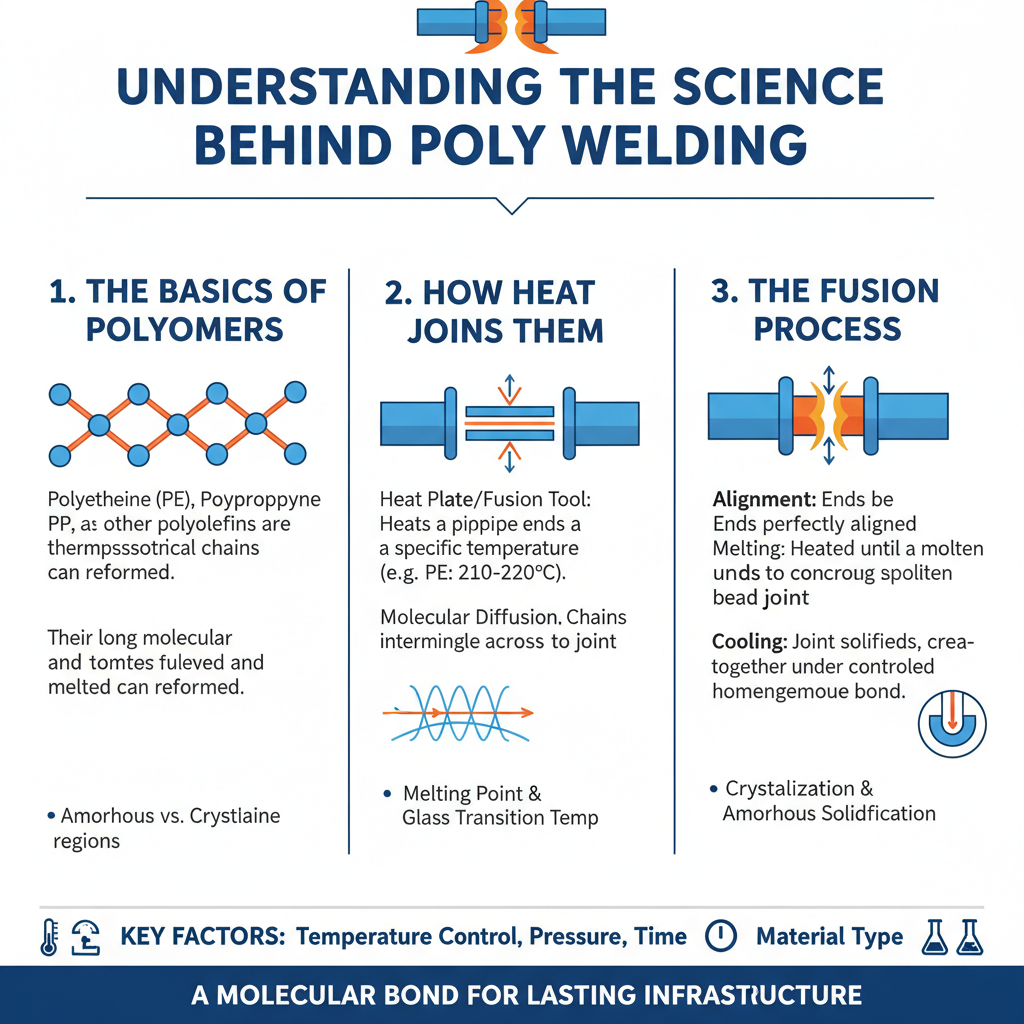
Poly welding relies on the unique properties of thermoplastic materials. When heated to specific temperatures, these plastics become pliable and can be manipulated or joined together. The key to successful poly welding lies in understanding the molecular structure of different plastic types.
Thermoplastics consist of long polymer chains held together by relatively weak intermolecular forces. When heat is applied, these forces weaken, allowing the chains to move freely. As the material cools, the polymer chains re-solidify, creating strong bonds between the joined pieces.
The most commonly welded plastics include:
– Polyethylene (PE)
– Polypropylene (PP)
– Polyvinyl chloride (PVC)
– Acrylonitrile butadiene styrene (ABS)
– Polycarbonate (PC)
– Nylon (PA)
Professional welders often use equipment like the Leister Triac ST Hot Air Welder for precision work on various thermoplastic materials, as it provides consistent temperature control essential for quality joints.
Types of Poly Welding Methods
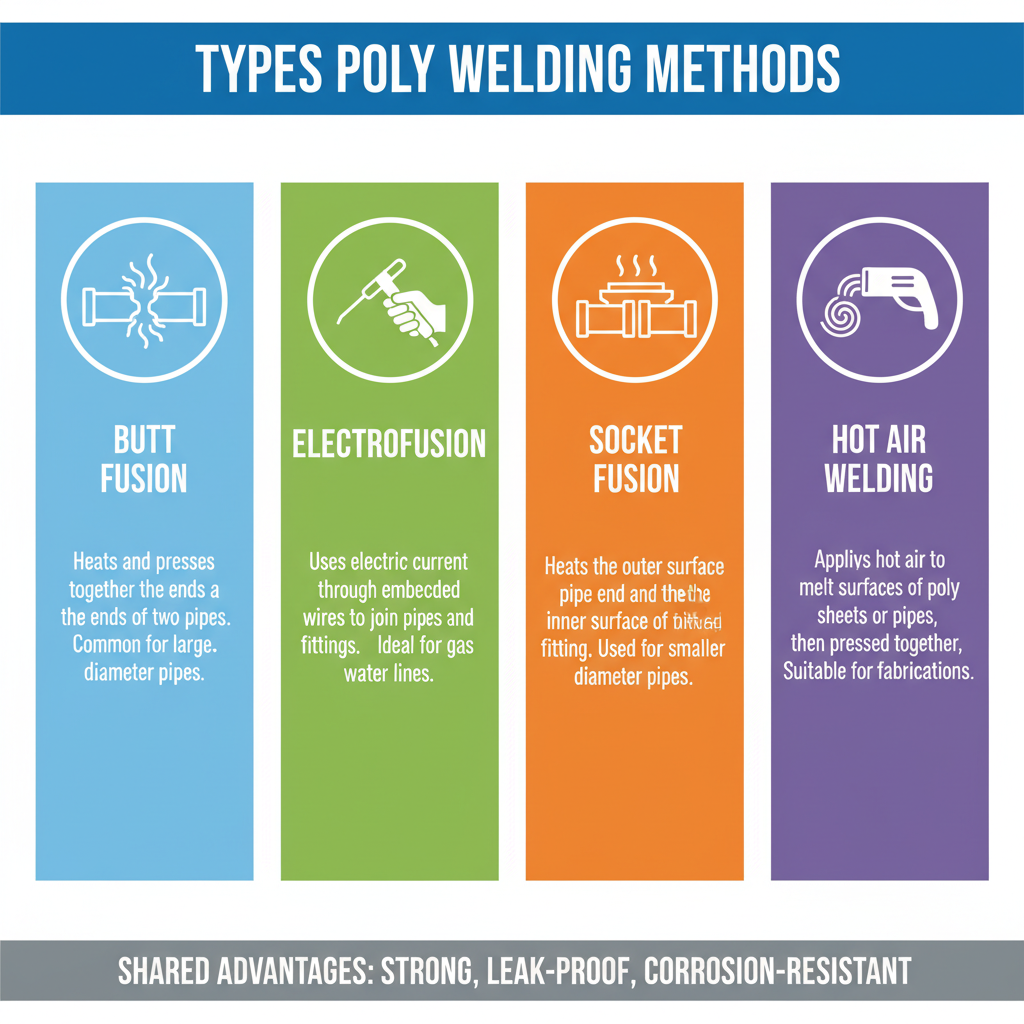
Hot Air Welding
Hot air welding uses heated air streams to soften plastic materials and welding rods simultaneously. The operator guides a welding rod into the joint while applying hot air, typically between 200-600°C depending on the material type.
This method offers excellent control and is ideal for:
– Repair work on plastic tanks and containers
– Fabricating custom plastic components
– Joining dissimilar plastic materials
– Creating watertight seals
Ultrasonic Welding
Ultrasonic welding employs high-frequency vibrations to generate heat through friction at the joint interface. This method creates precise, clean welds without requiring additional materials or external heat sources.
Benefits of ultrasonic welding include:
– Fast cycle times (typically 0.5-2 seconds)
– No consumable materials needed
– Excellent for small, intricate parts
– Minimal heat-affected zones
Friction Welding
Friction welding generates heat through mechanical friction between rotating plastic parts. One component rotates at high speed while pressed against the stationary piece, creating heat that melts both surfaces.
Solvent Welding
Solvent welding uses chemical solvents to temporarily dissolve plastic surfaces, allowing them to fuse together as the solvent evaporates. This method works particularly well with PVC, ABS, and acrylic materials.
Step-by-Step Poly Welding Process
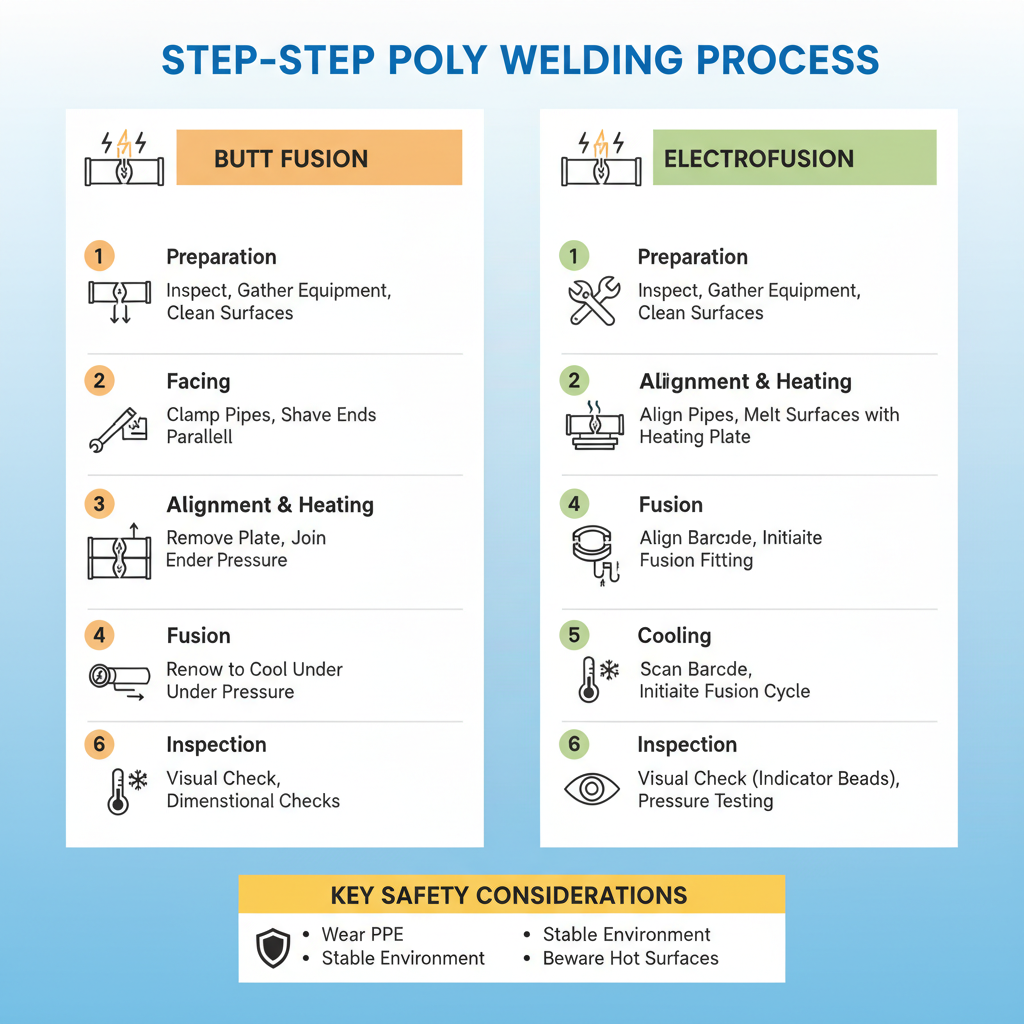
Preparation Phase
1. Material Identification: Verify that both pieces are made from compatible thermoplastic materials. Incompatible plastics will not create strong bonds.
2. Surface Cleaning: Remove all dirt, grease, oxidation, and contaminants from welding surfaces using appropriate cleaning solvents.
3. Joint Preparation: Create proper joint geometry through cutting, grinding, or machining to ensure optimal fit-up.
4. Equipment Setup: Configure welding equipment for the specific plastic type, including temperature settings, air flow rates, and welding rod selection.
Welding Execution
1. Preheating: Apply heat to the joint area until the plastic reaches its welding temperature, indicated by a glossy appearance.
2. Rod Introduction: Insert the welding rod at the correct angle (typically 45-90 degrees) while maintaining consistent heat application.
3. Bead Formation: Move the welding torch steadily along the joint, ensuring proper penetration and bead formation.
4. Quality Control: Monitor the weld appearance for consistent color, smooth surface finish, and proper fusion.
Many fabrication shops rely on the Miller Spectrum 625 X-TREME Plasma Cutter for preparing plastic materials before welding, as clean, precise cuts are crucial for strong joint formation.
Post-Welding Operations
1. Cooling: Allow the weld to cool naturally without forced air or water cooling, which can create internal stresses.
2. Inspection: Examine the completed weld for defects such as porosity, incomplete fusion, or cracking.
3. Testing: Perform appropriate tests to verify weld strength and integrity.
4. Finishing: Remove excess material and smooth the weld area if required for the application.
Applications and Industries Using Poly Welding
Automotive Industry
The automotive sector extensively uses poly welding for manufacturing and repairing plastic components. Applications include:
– Bumper repair and fabrication
– Interior trim assembly
– Fuel tank manufacturing
– Dashboard component joining
– Underhood plastic parts
Chemical Processing
Chemical plants rely on poly welding for constructing corrosion-resistant equipment:
– Storage tank fabrication
– Piping system installation
– Ventilation ductwork
– Chemical containment structures
– Laboratory equipment manufacturing
Marine Applications
Boat builders and repair facilities use poly welding for:
– Hull repair and modification
– Deck component installation
– Storage compartment fabrication
– Plumbing system assembly
– Safety equipment manufacturing
Construction and Architecture
Building applications include:
– Roofing membrane installation
– Window frame manufacturing
– Insulation panel joining
– Decorative element fabrication
– Structural glazing systems
Advantages and Limitations of Poly Welding
Key Advantages
Strength and Durability: Properly executed poly welds often exceed the strength of the base material, creating permanent joints that resist mechanical stress and environmental factors.
Cost Effectiveness: Poly welding eliminates the need for mechanical fasteners, adhesives, or additional joining materials, reducing overall project costs.
Design Flexibility: The process allows for complex joint geometries and enables joining of parts that would be difficult to assemble using other methods.
Environmental Benefits: Welded plastic joints can be recycled along with the base material, supporting sustainable manufacturing practices.
Chemical Resistance: Welded joints maintain the chemical resistance properties of the base plastic materials.
Common Limitations
Material Compatibility: Only thermoplastic materials can be poly welded, and different plastic types often cannot be joined effectively.
Skill Requirements: Quality poly welding requires trained operators who understand material properties, equipment operation, and proper techniques.
Equipment Investment: Professional poly welding equipment represents a significant capital investment for many operations.
Environmental Sensitivity: Welding quality can be affected by ambient temperature, humidity, and air movement in the work area.
Quality Control and Testing Methods
Visual Inspection
Experienced welders can identify many defects through careful visual examination:
– Uniform bead appearance
– Consistent color throughout the weld
– Absence of porosity or voids
– Proper penetration depth
– Smooth surface finish
Destructive Testing
When weld quality verification is critical, destructive testing methods include:
– Tensile strength testing
– Bend testing
– Impact resistance evaluation
– Cross-sectional analysis
– Chemical resistance testing
Non-Destructive Testing
For applications where the welded component must remain intact:
– Ultrasonic thickness measurement
– Pressure testing for sealed joints
– Leak detection methods
– Visual inspection with magnification
– Dye penetrant testing
Safety Considerations in Poly Welding
Personal Protective Equipment
Proper PPE is essential for safe poly welding operations:
– Heat-resistant gloves
– Safety glasses or face shields
– Respiratory protection when required
– Protective clothing
– Non-slip footwear
Ventilation Requirements
Many plastics release potentially harmful fumes when heated. Adequate ventilation systems must:
– Remove welding fumes from the work area
– Provide fresh air circulation
– Meet local environmental regulations
– Protect operator health
Fire Safety
Hot air welding equipment and heated plastics present fire hazards:
– Maintain fire extinguishers nearby
– Keep combustible materials away from work areas
– Follow proper equipment shutdown procedures
– Train operators in emergency response
Future Developments in Poly Welding Technology
The poly welding industry continues evolving with new technologies and applications. Robotic welding systems are becoming more sophisticated, offering improved consistency and quality for high-volume production. Advanced temperature monitoring systems provide real-time feedback to ensure optimal welding conditions.
Laser welding of plastics is gaining popularity for precision applications, offering minimal heat-affected zones and excellent control over the welding process. This technology is particularly valuable in medical device manufacturing and electronics applications.
New plastic formulations designed specifically for welding are being developed, offering improved weldability while maintaining desired mechanical and chemical properties.
Conclusion
Poly welding represents a versatile and effective method for joining thermoplastic materials across numerous industries. Understanding the fundamental principles, proper techniques, and safety requirements enables successful implementation of this technology in various applications.
The key to successful poly welding lies in proper material preparation, equipment selection, operator training, and quality control procedures. As plastic materials continue to replace traditional materials in many applications, poly welding skills become increasingly valuable for manufacturers, repair facilities, and fabrication shops.
Whether used for automotive repair, chemical equipment fabrication, or architectural applications, poly welding provides strong, durable joints that meet demanding performance requirements while offering cost-effective solutions for joining thermoplastic materials.