
Finding the right adhesive for metal bonding can make the difference between a permanent repair and a costly failure. Whether you’re working on automotive parts, industrial equipment, or home repairs, understanding which glue provides the strongest metal-to-metal bond is crucial for project success.
Structural epoxies are typically the strongest glue for metal-to-metal bonding, with some formulations achieving tensile strengths exceeding 6,000 PSI. Two-part epoxies like 3M Scotch-Weld DP460 and Loctite EA 9394 offer exceptional strength and durability for demanding applications.
This article will guide you through the strongest adhesives available for metal bonding, explain how they work, and help you choose the right option for your specific application. You’ll learn about application techniques, surface preparation requirements, and common mistakes that can weaken even the strongest bonds.
For most applications, structural epoxies provide the best combination of strength, temperature resistance, and chemical durability. However, the “strongest” choice depends on your specific requirements, including the metals being bonded, environmental conditions, and load requirements.
Understanding Metal Bonding Strength
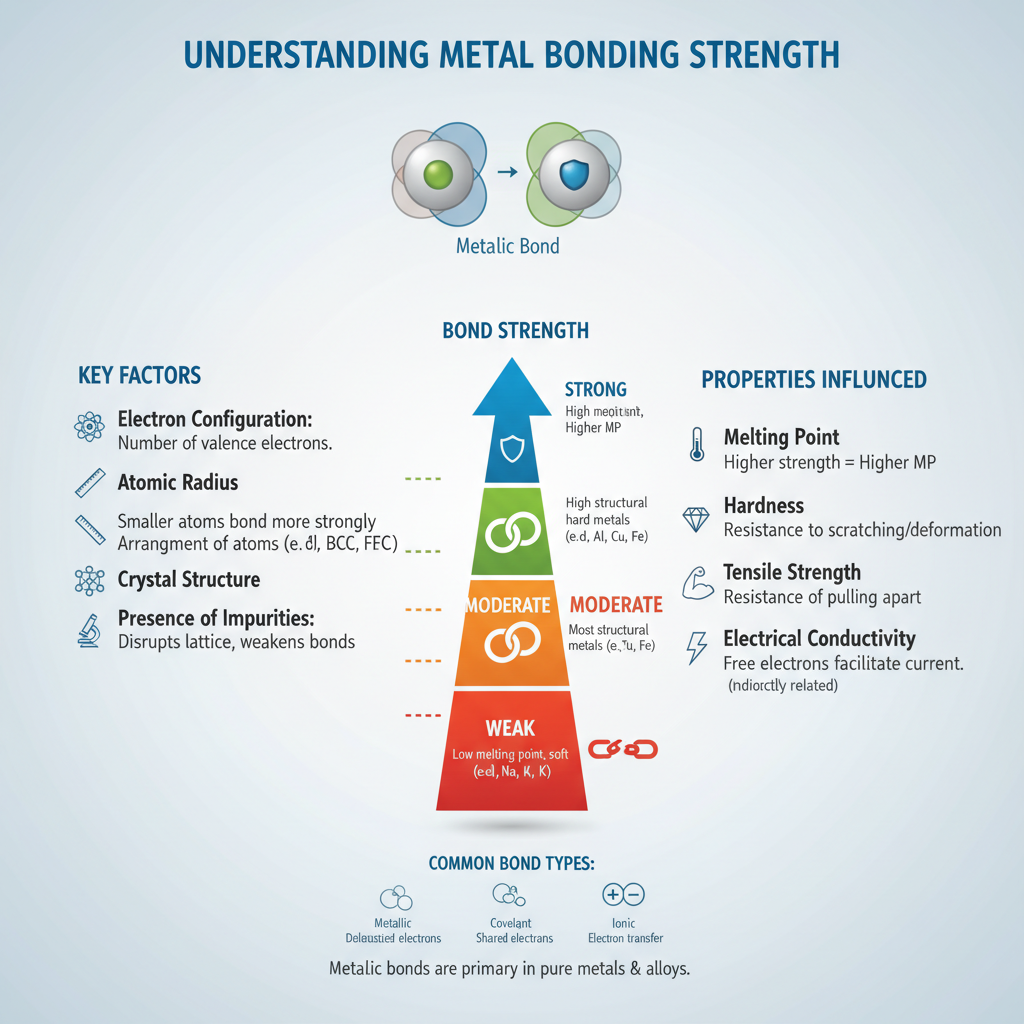
Adhesive strength for metal bonding is measured in several ways, with tensile strength and shear strength being the most important metrics. Tensile strength measures how much pulling force the bond can withstand before failing, while shear strength indicates resistance to sliding forces.
The strongest metal adhesives typically achieve tensile strengths between 3,000 and 8,000 PSI. However, real-world performance depends heavily on surface preparation, application technique, and environmental factors.
Temperature resistance is another critical factor. Many adhesives lose significant strength at elevated temperatures, making this consideration essential for automotive, aerospace, and industrial applications.
Structural Epoxies: The Gold Standard
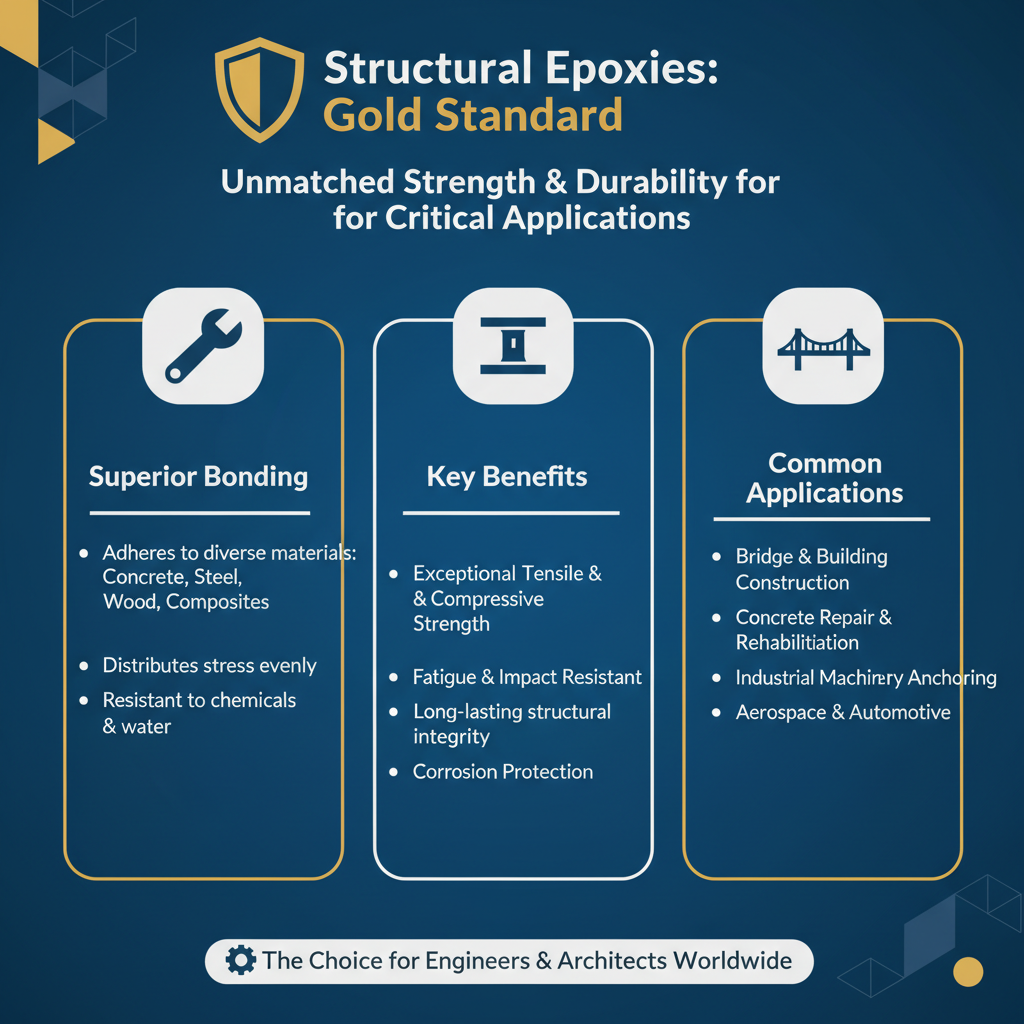
Structural epoxies represent the pinnacle of metal bonding technology. These two-part adhesives cure through a chemical reaction that creates cross-linked polymer chains, resulting in exceptionally strong and durable bonds.
High-performance structural epoxies like Henkel Loctite EA 9394 can achieve tensile strengths exceeding 6,000 PSI on steel substrates. These adhesives also maintain their strength across wide temperature ranges, often from -65°F to 350°F or higher.
The curing process for structural epoxies can be accelerated with heat, allowing for faster production cycles in industrial applications. Room temperature cure times typically range from 24 to 72 hours for full strength development.
Acrylic Structural Adhesives
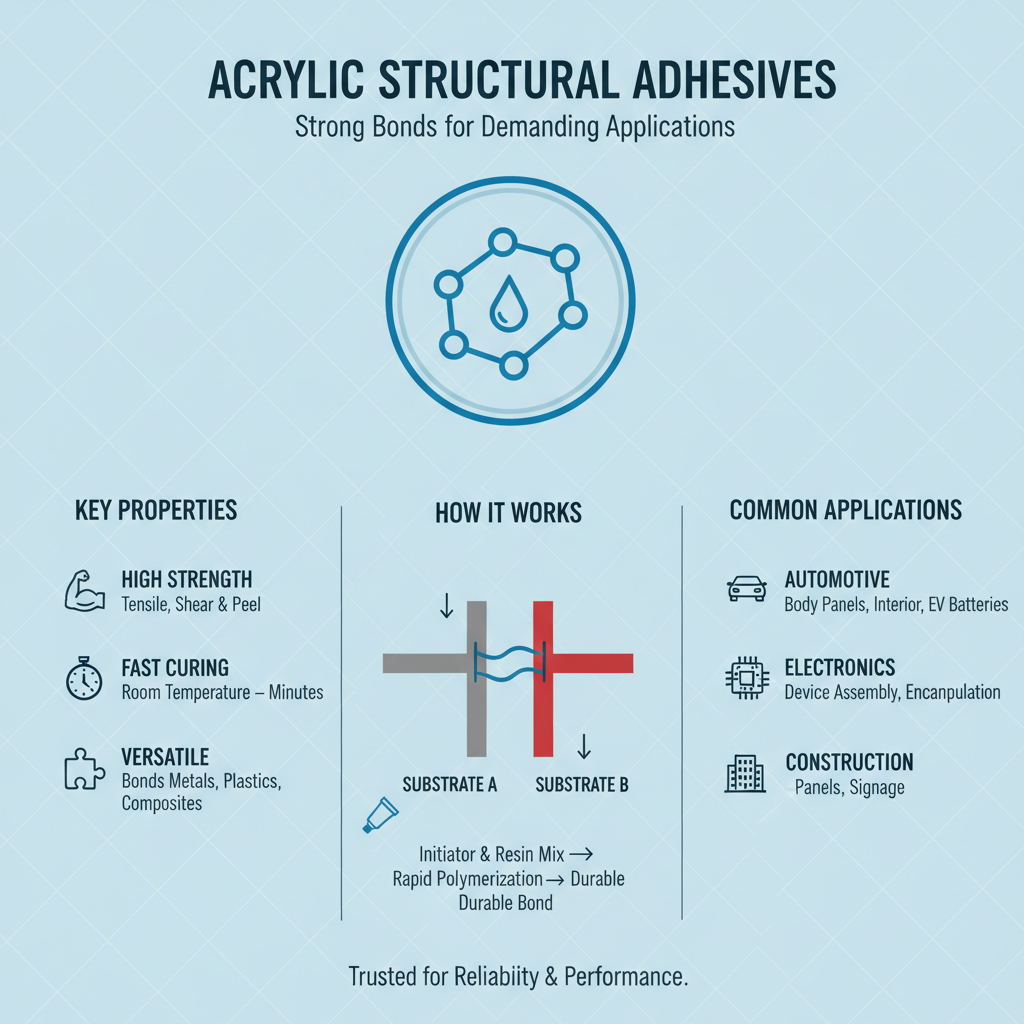
Acrylic structural adhesives offer several advantages over epoxies, particularly in terms of surface preparation tolerance and cure speed. These adhesives can bond to slightly oily or contaminated surfaces that would cause epoxy failures.
Modified acrylics like 3M Scotch-Weld DP8005 achieve tensile strengths around 4,000 PSI while offering excellent impact resistance and flexibility. This makes them ideal for applications involving vibration or thermal cycling.
The fixture time for structural acrylics is typically much faster than epoxies, often reaching handling strength within 10-20 minutes. This rapid cure can significantly improve productivity in manufacturing environments.
Cyanoacrylates for Specific Applications
While not typically considered the strongest option, certain cyanoacrylates (super glues) can achieve impressive metal bonding strength in specific applications. Structural cyanoacrylates like Henkel Loctite 4090 can reach tensile strengths of 3,000-4,000 PSI on metal substrates.
The primary advantage of cyanoacrylates is their extremely fast cure time, often reaching significant strength within seconds. This makes them valuable for assembly operations where immediate fixturing is required.
However, cyanoacrylates have limited temperature resistance and can become brittle over time, making them unsuitable for high-stress or high-temperature applications.
Surface Preparation: Critical for Maximum Strength
Even the strongest adhesive will fail without proper surface preparation. Metal surfaces must be clean, dry, and properly textured to achieve maximum bond strength.
Degreasing is the first step, typically accomplished with solvents like acetone or isopropyl alcohol. Industrial applications may require vapor degreasing or alkaline cleaning for complete contaminant removal.
Surface roughening through sandblasting, grinding, or chemical etching increases the bonding surface area and improves mechanical adhesion. A surface roughness of 125-250 microinches is typically optimal for most structural adhesives.
Some metals require special preparation. Aluminum should be treated with chromic acid etching or anodizing for maximum bond durability. Stainless steel may require plasma treatment or specialized primers to achieve optimal adhesion.
Application Techniques for Maximum Strength
Proper application technique is crucial for achieving the full strength potential of any metal adhesive. The adhesive should be applied in a thin, uniform layer to minimize stress concentrations and ensure complete wetting of both surfaces.
Joint design significantly impacts bond strength. Lap joints and scarf joints distribute stress more evenly than butt joints, resulting in higher overall strength. The overlap length should be at least 10-15 times the adhesive thickness for optimal performance.
Clamping pressure during cure helps eliminate voids and ensures intimate contact between the adhesive and metal surfaces. However, excessive pressure can squeeze out too much adhesive, creating a starved joint with reduced strength.
Environmental Factors Affecting Bond Strength
Temperature extremes can significantly impact adhesive performance. While structural epoxies generally offer the best high-temperature performance, even these can lose 50% or more of their strength at elevated temperatures.
Humidity and chemical exposure also affect long-term bond durability. Some adhesives are specifically formulated for harsh chemical environments, while others may degrade rapidly when exposed to certain solvents or acids.
UV exposure can degrade certain adhesive types over time. For outdoor applications, UV-stable formulations or protective coatings may be necessary to maintain bond integrity.
Choosing the Right Adhesive for Your Application
Selecting the strongest glue for your specific application requires considering multiple factors beyond pure strength numbers. Load type, environmental conditions, cure time requirements, and cost all play important roles in the decision.
For high-temperature applications like exhaust systems or engine components, heat-resistant epoxies or ceramic-filled adhesives may be necessary despite potentially lower room-temperature strength.
Applications involving impact or vibration may benefit from more flexible adhesives that can absorb energy without failing, even if their ultimate tensile strength is lower than rigid alternatives.
Common Mistakes That Weaken Metal Bonds
Over-application of adhesive is a common mistake that can actually weaken the bond. Thick adhesive layers are more prone to cracking and create stress concentrations that can lead to premature failure.
Inadequate surface preparation is perhaps the most common cause of adhesive failure. Even microscopic contamination can prevent proper adhesion, regardless of the adhesive’s inherent strength.
Mixing errors with two-part adhesives can result in incomplete cure and significantly reduced strength. Precise ratio control and thorough mixing are essential for achieving full performance.
Insufficient cure time is another frequent problem. While adhesives may reach handling strength quickly, full strength development often requires 24-72 hours at room temperature.
Testing and Quality Control
Professional applications often require bond strength testing to verify performance. Lap shear testing per ASTM D1002 is the most common method for evaluating metal adhesive bonds.
In practice, field experience shows that properly applied structural epoxies consistently deliver the highest strength and durability for metal bonding applications. Quality control procedures should include surface preparation verification, adhesive mixing checks, and periodic bond testing.
Non-destructive testing methods like ultrasonic inspection can detect voids or weak areas in critical bonds without destroying the assembly.
Frequently Asked Questions
What is the absolute strongest glue for metal to metal bonding?
Structural epoxies like Henkel Loctite EA 9394 and 3M Scotch-Weld DP460 offer the highest tensile strengths, often exceeding 6,000 PSI on properly prepared steel surfaces.
How long does the strongest metal glue take to cure?
Most structural epoxies require 24-72 hours for full strength development at room temperature, though heat can accelerate curing to as little as 30 minutes at 250°F.
Can super glue be used for strong metal bonds?
Structural cyanoacrylates can achieve 3,000-4,000 PSI on metal, but they have limited temperature resistance and durability compared to epoxies or acrylics.
Does surface preparation really matter for bond strength?
Yes, proper surface preparation is critical. Even the strongest adhesive will fail on contaminated or smooth surfaces. Clean, slightly roughened surfaces are essential for maximum strength.
What temperature can the strongest metal adhesives withstand?
High-performance structural epoxies can maintain significant strength from -65°F to 350°F or higher, with some specialized formulations working up to 500°F.
How thick should the adhesive layer be for maximum strength?
Thin bondlines of 0.005-0.010 inches typically provide the strongest bonds. Thicker layers are more prone to cracking and stress concentrations.
Can the strongest metal adhesives be used on all types of metals?
Most structural adhesives work well on steel, aluminum, and other common metals, but some metals like copper or certain stainless steels may require special primers or surface treatments.
Final Thoughts
Structural epoxies consistently deliver the strongest metal-to-metal bonds, with tensile strengths exceeding 6,000 PSI when properly applied. However, the best choice for your application depends on specific requirements including temperature resistance, cure time, and environmental conditions.
Success with any metal adhesive depends heavily on proper surface preparation and application technique. Clean, slightly roughened surfaces and appropriate joint design are just as important as selecting a high-strength adhesive. Taking time to prepare surfaces correctly and follow manufacturer guidelines will ensure you achieve the full strength potential of these remarkable bonding agents.