
When working with 1/8 inch pipe threads, selecting the correct drill bit size is crucial for creating properly threaded holes. The standard drill bit size for 1/8 inch NPT (National Pipe Thread) is 21/64 inch or 0.328 inches in diameter. This specific size ensures optimal thread engagement and creates a secure, leak-proof connection for your plumbing or pneumatic applications.
For 1/8 inch NPT (National Pipe Thread), use a 21/64 inch drill bit, which equals 0.328 inches in diameter. This size creates approximately 75% thread engagement, providing the optimal balance between connection strength and ease of threading for secure, leak-proof pipe connections.
Understanding 1/8 Inch Pipe Thread Specifications
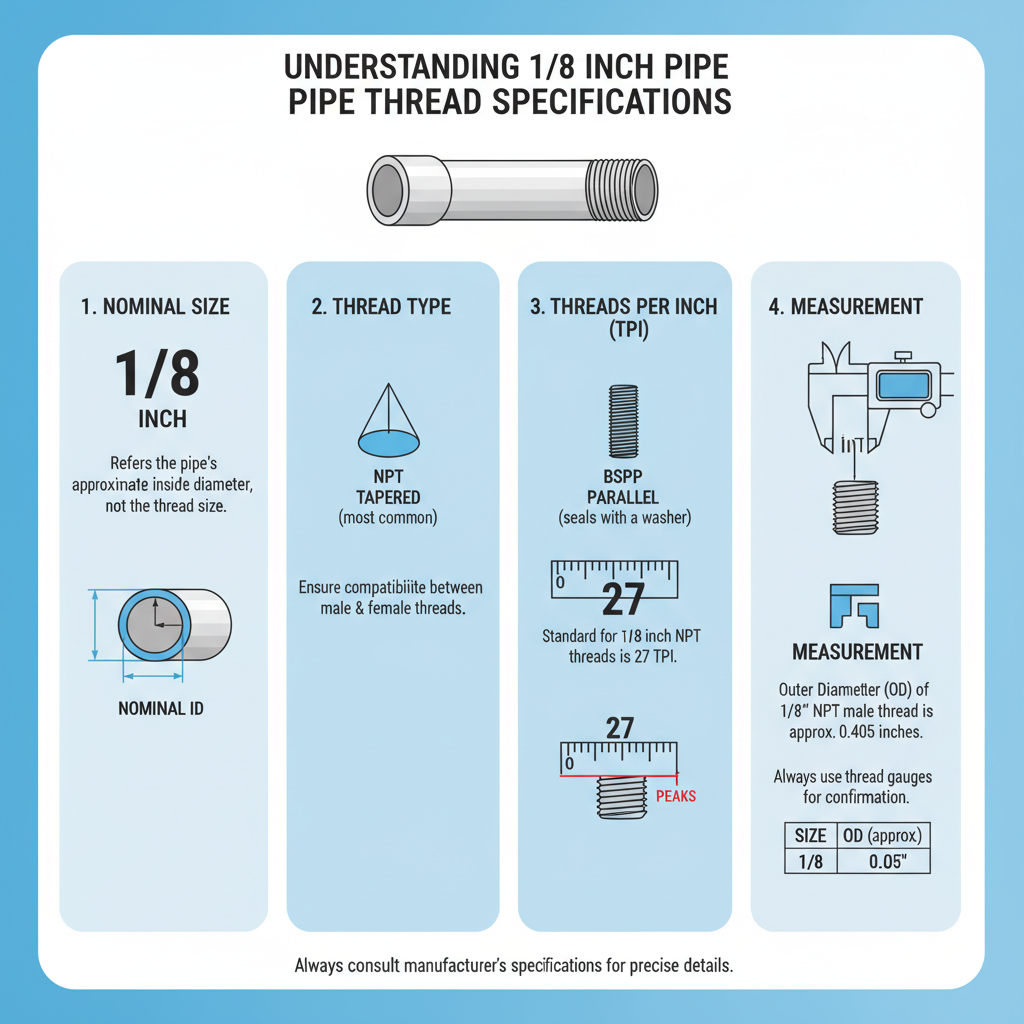
The 1/8 inch pipe thread designation refers to the nominal inside diameter of the pipe, not the actual thread diameter. In reality, 1/8 inch NPT has an outside diameter of approximately 0.405 inches at the thread’s largest point.
NPT threads are tapered, meaning they gradually decrease in diameter along their length. This taper creates a tight seal when the male and female threads are joined together. The taper rate for NPT threads is 1 in 16, or 3/4 inch per foot.
Key specifications for 1/8 inch NPT include:
– Threads per inch: 27
– Major diameter: 0.405 inches
– Pitch diameter: 0.3726 inches
– Minor diameter: 0.340 inches
– Tap drill size: 21/64 inch (0.328 inches)
When using a Irwin Hanson Tap and Die Set, these measurements become critical for achieving proper thread formation and ensuring your connections meet industry standards.
Calculating the Correct Drill Bit Size
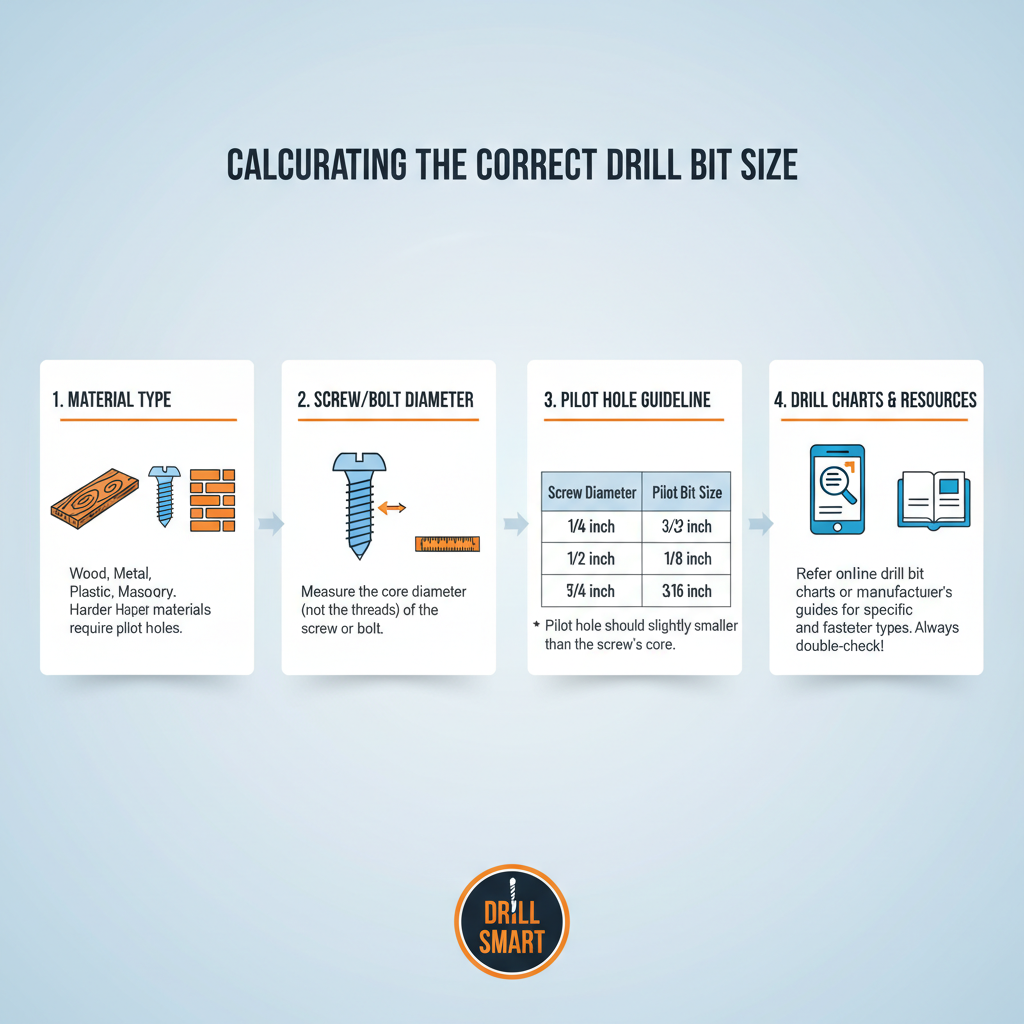
The drill bit size for pipe threads is determined by the minor diameter of the thread, which represents the smallest diameter of the threaded hole. For 1/8 inch NPT, this calculation involves subtracting the thread depth from the major diameter.
The formula for calculating tap drill size is:
Tap Drill Diameter = Major Diameter – (1.0825 ÷ Threads per Inch)
For 1/8 inch NPT:
– Major diameter: 0.405 inches
– Threads per inch: 27
– Tap drill diameter: 0.405 – (1.0825 ÷ 27) = 0.405 – 0.040 = 0.365 inches
However, the standard tap drill size of 21/64 inch (0.328 inches) is slightly smaller than this calculated value. This smaller size accounts for the tapered nature of NPT threads and ensures proper thread engagement.
The 21/64 inch drill bit creates approximately 75% thread engagement, which provides optimal strength while allowing for easy threading and proper sealing.
Step-by-Step Drilling Process

Proper drilling technique is essential for creating clean, accurate holes that will accept 1/8 inch pipe threads without issues.
Preparation Steps:
1. Mark the drilling location with a center punch
2. Secure the workpiece in a vise or clamp
3. Select a sharp 21/64 inch drill bit
4. Choose appropriate cutting fluid for your material
Drilling Process:
1. Start with a smaller pilot hole (1/8 inch) to ensure accuracy
2. Gradually increase drill bit size to the final 21/64 inch diameter
3. Maintain steady, moderate pressure throughout the drilling process
4. Use cutting fluid to reduce heat buildup and extend bit life
5. Drill at appropriate speed for your material type
Speed Recommendations:
– Steel: 200-400 RPM
– Aluminum: 800-1200 RPM
– Brass: 600-1000 RPM
– Plastic: 300-600 RPM
After drilling, deburr the hole edges and clean away all metal chips before tapping. A Vermont American Drill Bit Set with multiple size options allows you to create the pilot hole and final diameter hole with precision.
Material Considerations and Adjustments
Different materials may require slight adjustments to the standard 21/64 inch drill bit size for optimal results.
Steel and Iron:
Standard 21/64 inch drill bit works perfectly for most steel applications. The material’s strength requires sharp bits and adequate lubrication to prevent overheating.
Aluminum:
Aluminum’s softer nature may allow for slightly larger drill holes. Some machinists prefer 11/32 inch (0.344 inches) for aluminum to compensate for material expansion during tapping.
Brass and Bronze:
These materials typically work well with the standard 21/64 inch size. Their machinability makes them forgiving for slight size variations.
Plastic Materials:
Plastics may require careful consideration of thermal expansion. The standard size usually works, but slower drilling speeds prevent melting.
Cast Iron:
Often requires the exact 21/64 inch size due to the material’s brittleness. Larger holes may cause cracking during tapping.
Wall thickness also affects drill bit selection. Thin-walled materials may benefit from slightly smaller holes to maximize thread engagement, while thick sections can accommodate the full 21/64 inch diameter.
Common Threading Problems and Solutions
Even with the correct drill bit size, several issues can occur during the threading process.
Oversized Holes:
If your drill bit creates holes larger than 21/64 inch, the threads may not engage properly. Solutions include:
– Using thread-locking compound to fill gaps
– Installing threaded inserts for permanent repair
– Welding the hole closed and re-drilling (for metal parts)
Undersized Holes:
Holes smaller than 21/64 inch create excessive resistance during tapping:
– Tap may break under excessive torque
– Threads may be incomplete or damaged
– Re-drill with the correct size bit
Thread Misalignment:
Poor hole preparation can cause crooked threads:
– Always use a center punch for accurate starting points
– Maintain perpendicular drilling angle
– Use a drill press when possible for precision
Material Tearing:
Dull bits or incorrect speeds can tear material:
– Replace worn drill bits immediately
– Adjust drilling speed for material type
– Apply appropriate cutting fluid
Incomplete Thread Formation:
This often results from incorrect drill bit size or dull tapping tools:
– Verify 21/64 inch drill bit diameter with calipers
– Use sharp, high-quality taps
– Apply steady, consistent pressure during tapping
Thread Engagement and Sealing Considerations
Proper thread engagement is crucial for both mechanical strength and sealing performance in 1/8 inch pipe thread applications.
The 21/64 inch drill bit size provides approximately 75% thread engagement, which represents the optimal balance between strength and ease of assembly. Higher engagement percentages increase the risk of tap breakage and make assembly more difficult, while lower percentages reduce connection strength.
Sealing Methods:
– Pipe thread compound (pipe dope)
– PTFE tape (Teflon tape)
– Anaerobic thread sealants
– Pre-applied thread sealant
Thread Engagement Guidelines:
– Minimum engagement: 60% for adequate strength
– Optimal engagement: 75% for best balance
– Maximum engagement: 85% before assembly becomes difficult
Hand-tight plus 1-3 additional turns typically provides proper sealing for 1/8 inch NPT connections. Over-tightening can damage threads or crack fittings, especially in softer materials.
Quality Control Checks:
– Measure hole diameter with precision calipers
– Test thread engagement with a plug gauge
– Verify thread pitch with a thread gauge
– Check for proper taper alignment
Conclusion
Selecting the correct drill bit size for 1/8 inch pipe threads is fundamental to creating reliable, leak-proof connections. The standard 21/64 inch (0.328 inches) drill bit provides optimal thread engagement for most materials and applications.
Remember that proper drilling technique, appropriate speeds, and sharp tools are just as important as using the correct bit size. Take time to prepare your workpiece properly, use adequate lubrication, and maintain consistent drilling pressure throughout the process.
Whether you’re working on plumbing installations, pneumatic systems, or hydraulic applications, following these guidelines will help ensure your 1/8 inch pipe thread connections meet professional standards and provide years of reliable service.