
Automotive shops rely on specialized welding equipment to perform critical repairs on vehicle frames, body panels, exhaust systems, and structural components. Professional auto repair facilities require reliable, versatile welding machines that can handle various materials and thicknesses commonly found in modern vehicles.
Automotive shops primarily use MIG welders for general steel repairs, TIG welders for precision aluminum work, and plasma cutters for material removal. Most professional shops invest in multi-process welding machines that combine MIG, TIG, and stick welding capabilities, along with spot welders for body panel work and proper gas supply systems for consistent weld quality.
Primary Welding Processes in Automotive Repair
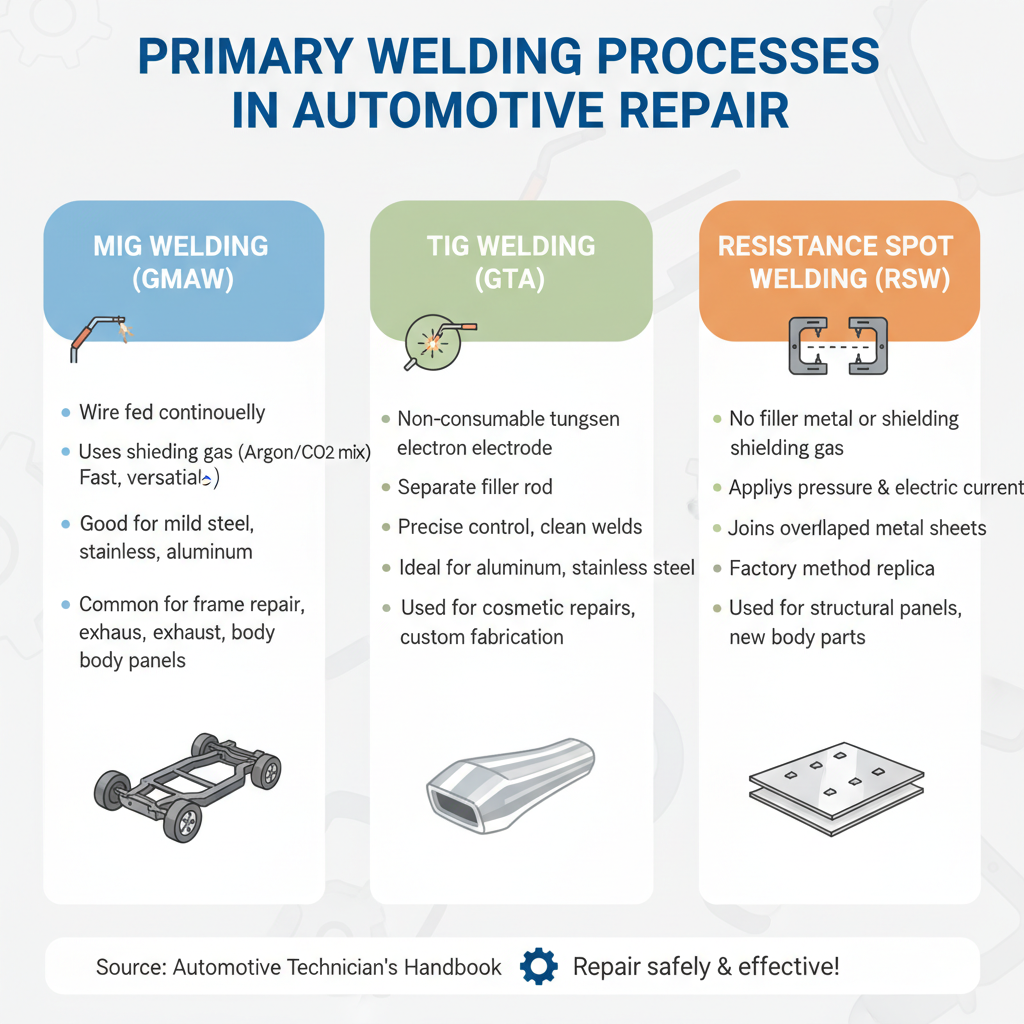
MIG Welding (GMAW) – The Industry Standard
Metal Inert Gas welding dominates automotive repair shops due to its versatility and ease of use. MIG welders create strong, clean welds on steel body panels, frames, and brackets commonly found in vehicle construction.
The Lincoln Electric Power MIG 210 MP exemplifies the multi-process capability that automotive shops demand. This machine handles both steel and aluminum welding tasks, making it ideal for modern vehicle repairs that involve mixed materials.
MIG welding advantages in automotive applications include:
– Fast welding speeds for efficient repairs
– Minimal post-weld cleanup required
– Excellent penetration on thin materials
– Suitable for both steel and aluminum components
– Easy to learn for new technicians
TIG Welding (GTAW) – Precision Work
Tungsten Inert Gas welding provides the precision control needed for delicate automotive repairs. TIG welders excel at welding thin aluminum panels, stainless steel exhaust components, and critical structural elements where weld quality is paramount.
Automotive shops use TIG welding for:
– Aluminum body panel repairs
– Stainless steel exhaust system modifications
– High-strength steel frame repairs
– Custom fabrication work
– Restoration projects requiring pristine weld appearance
Stick Welding (SMAW) – Heavy-Duty Applications
Shielded Metal Arc Welding handles thick steel components and structural repairs where portability matters. While less common than MIG welding, stick welders remain valuable for heavy truck repairs and frame straightening operations.
Essential Welding Equipment Categories
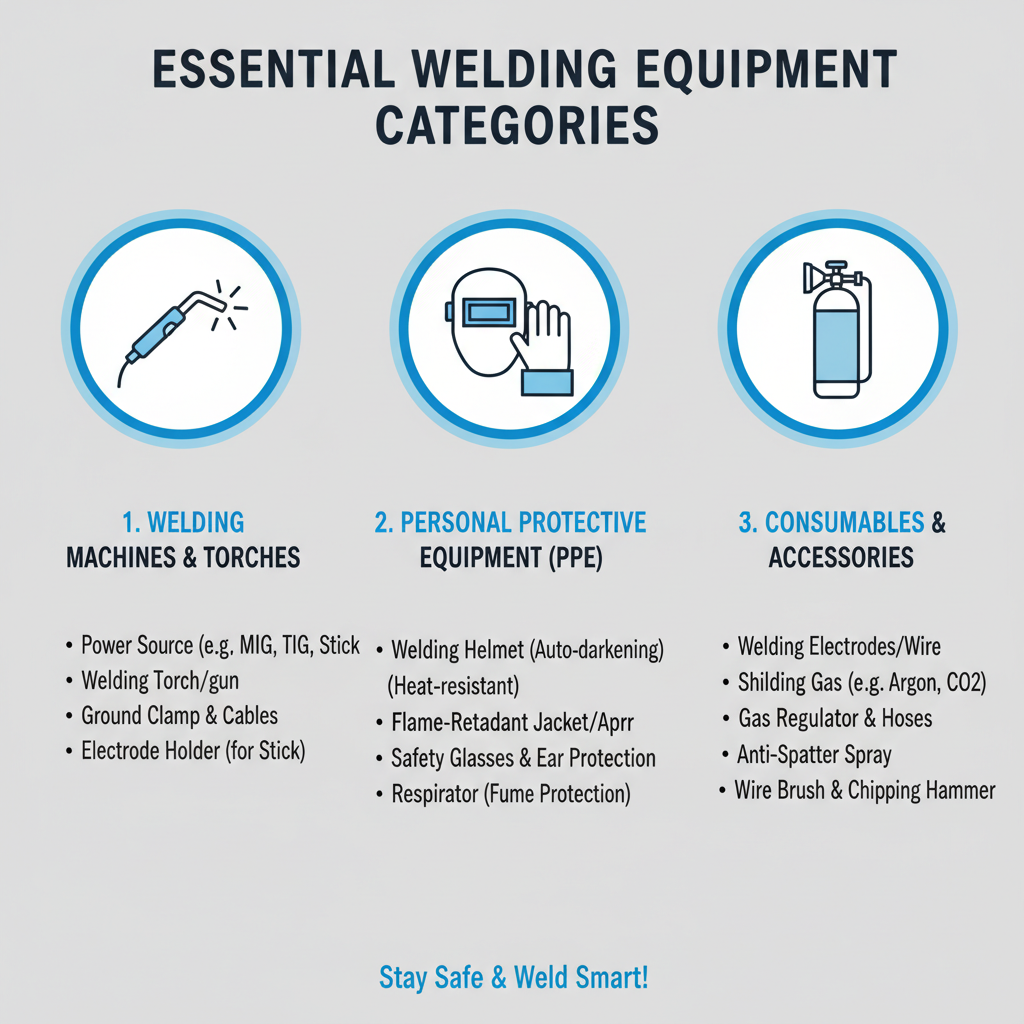
Multi-Process Welding Machines
Modern automotive shops increasingly choose multi-process welders that combine MIG, TIG, and stick welding capabilities in a single unit. These machines maximize shop efficiency while minimizing equipment costs and floor space requirements.
Key features automotive shops should consider:
– Dual voltage capability (120V/240V)
– Aluminum welding compatibility
– Digital controls for precise settings
– Duty cycle ratings suitable for production work
– Easy wire feeding systems
Plasma Cutting Equipment
Plasma cutters complement welding operations by providing clean, precise cuts through various automotive materials. These tools excel at removing damaged sections and preparing materials for welding repairs.
The Hypertherm Powermax45 XP represents the professional-grade plasma cutting capability that busy automotive shops require. Its ability to cut through painted surfaces and various thicknesses makes it indispensable for collision repair work.
Plasma cutting applications include:
– Removing damaged body panels
– Cutting exhaust pipe sections
– Trimming reinforcement materials
– Creating custom brackets and fixtures
– Preparing materials for welding
Spot Welding Systems
Resistance spot welding replicates original factory joining methods used in vehicle manufacturing. Automotive shops use spot welders for body panel replacement and structural repairs where maintaining original specifications is crucial.
Spot welding benefits:
– Matches factory construction methods
– Maintains vehicle structural integrity
– Fast joining process for overlapping panels
– Minimal heat distortion
– Professional repair appearance
Gas Supply and Handling Equipment
Proper shielding gas management ensures consistent weld quality across all automotive welding operations. Shops require reliable gas delivery systems and appropriate gas mixtures for different materials and applications.
Common automotive welding gases include:
– 75% Argon / 25% CO2 for steel MIG welding
– Pure Argon for aluminum TIG welding
– 90% Argon / 10% CO2 for spray transfer welding
– Pure CO2 for heavy steel applications
Specialized Automotive Welding Accessories
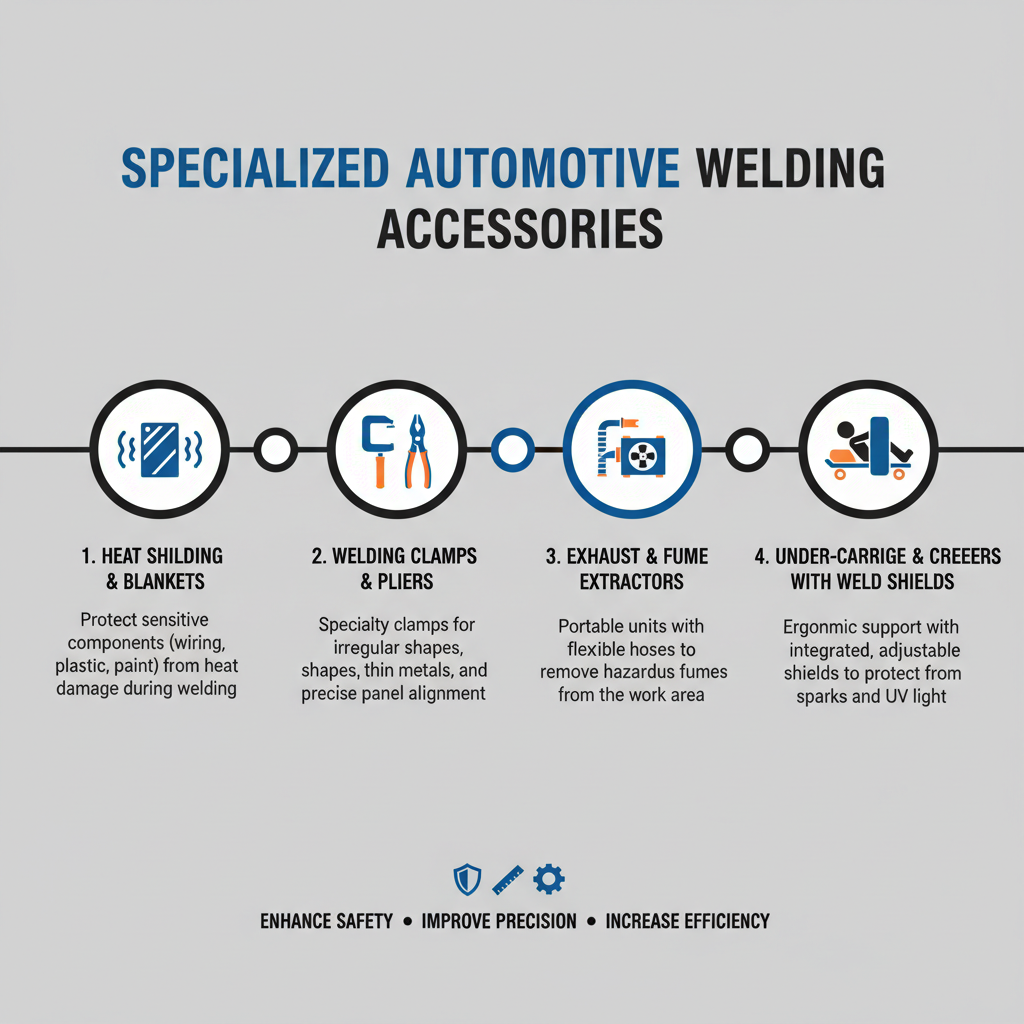
Welding Tables and Fixtures
Dedicated welding surfaces provide stable platforms for automotive repair work. Adjustable fixtures help position components correctly and maintain proper alignment during welding operations.
Professional welding tables feature:
– Heat-resistant surfaces
– Integrated clamping systems
– Adjustable height mechanisms
– Ground connections for electrical safety
– Storage for welding accessories
Ventilation and Fume Extraction
Automotive welding generates hazardous fumes that require proper extraction and filtration. Professional shops install comprehensive ventilation systems to protect technician health and comply with safety regulations.
Effective fume extraction includes:
– Overhead exhaust systems
– Portable fume extractors
– Cross-draft ventilation
– Personal protective equipment
– Air quality monitoring
Welding Helmets and Safety Equipment
Auto-darkening welding helmets improve productivity and safety in fast-paced automotive repair environments. Modern helmets offer variable shade control and enhanced visibility for detailed work.
Essential safety equipment includes:
– Auto-darkening welding helmets
– Fire-resistant welding jackets
– Heat-resistant gloves
– Safety glasses for grinding operations
– Respiratory protection when required
Factors Influencing Equipment Selection
Shop Size and Volume
Large collision repair centers require high-duty-cycle welding equipment capable of continuous operation. Smaller specialty shops may prioritize versatility over maximum output capacity.
Volume considerations include:
– Daily welding hours
– Number of simultaneous operators
– Peak demand periods
– Equipment sharing between technicians
Vehicle Types Serviced
Shops specializing in specific vehicle categories need equipment matched to those applications. Luxury car restoration requires different capabilities than heavy truck repair or classic car work.
Vehicle-specific requirements:
– Aluminum-intensive luxury vehicles
– High-strength steel in modern cars
– Thick steel in commercial trucks
– Specialty materials in performance vehicles
Budget and ROI Considerations
Welding equipment represents a significant capital investment that must generate appropriate returns. Shops should evaluate total cost of ownership including consumables, maintenance, and productivity gains.
Financial factors include:
– Initial equipment purchase price
– Ongoing consumable costs
– Maintenance and service requirements
– Productivity improvements
– Energy consumption costs
Maintenance and Training Requirements
Regular Equipment Maintenance
Consistent maintenance schedules ensure reliable operation and extend equipment life. Automotive shops should establish preventive maintenance programs covering all welding equipment.
Maintenance tasks include:
– Wire feed system cleaning
– Gas line leak testing
– Contact tip replacement
– Ground connection inspection
– Calibration verification
Technician Training Programs
Proper training maximizes equipment capabilities and ensures consistent weld quality. Shops should invest in ongoing education to keep technicians current with evolving welding technologies.
Training areas include:
– Equipment operation procedures
– Material-specific techniques
– Safety protocol compliance
– Quality control standards
– New technology adoption
Conclusion
Automotive shops require diverse welding equipment to handle the variety of materials and repair challenges in modern vehicle service. MIG welders serve as the primary workhorses, while TIG welders provide precision capability for specialized applications. Multi-process machines offer versatility and space efficiency for many shop operations.
Successful equipment selection depends on matching capabilities to specific shop needs, vehicle types serviced, and volume requirements. Proper maintenance and technician training ensure maximum return on welding equipment investments while maintaining the high-quality repairs that automotive customers expect.
Investing in appropriate welding equipment enables automotive shops to perform professional repairs efficiently while building customer confidence and business profitability.