
After spending years welding in shops and on job sites, one thing I’ve learned is that not all welding rods can be treated the same once the box is opened. That’s where the question what welding rods need to be kept in an oven really matters, especially for anyone doing structural, pipe, or code work.
Many welders get confused about which electrodes are moisture-sensitive and which ones are more forgiving, leading to issues like porosity, hydrogen cracking, and weak welds. Rods used for stick welding—particularly certain low-hydrogen filler rods—are highly affected by humidity, storage conditions, and handling.
Keeping the right rods in an oven isn’t just about following rules; it directly impacts arc stability, weld quality, structural strength, and job-site safety. In this guide, I’ll break down exactly which welding rods need oven storage and why it makes a real difference in the weld.
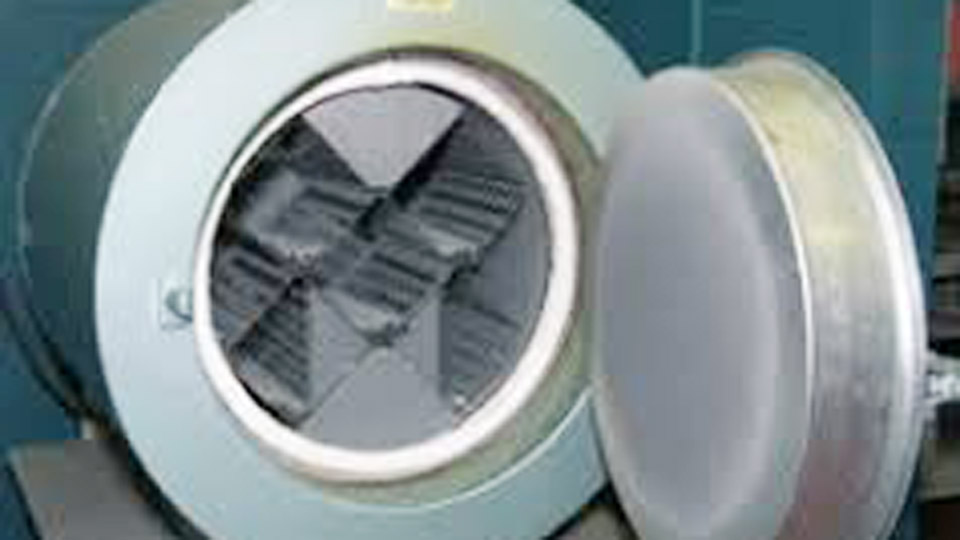
Photo by lincolnelectric
Why Moisture is the Enemy of Good Welds
Moisture sneaks into welding rods faster than you might think, especially in humid environments like a coastal fab shop or a rainy Midwest garage. When electrodes absorb water from the air, it turns into hydrogen gas during welding, which gets trapped in the molten metal.
As the weld cools, that hydrogen causes cracks—sometimes immediate, sometimes delayed, showing up days later and compromising the entire joint.
This is where rod ovens come in. They’re basically heated cabinets that keep rods at a low temperature to drive out moisture and prevent reabsorption. Not all rods need this treatment, but for those that do, it’s non-negotiable.
Think of it like storing ammo dry to avoid misfires; in welding, a damp rod can lead to poor fusion, excessive spatter, and even structural failures on jobs like bridge repairs or pressure vessels.
From my experience, ignoring moisture control has cost me hours of grinding out bad welds. Once, on a custom gate project for a farm, I used some E7018s that sat out too long. The result? Brittle welds that cracked under load testing.
Lesson learned: Always check rod condition before striking an arc. For beginners, start by feeling the rod—if it’s sticky or has a powdery flux, it’s compromised.
Safety-wise, moist rods increase arc instability, leading to more UV exposure and potential burns from erratic spatter.
On the flip side, dry rods give you consistent performance, better control over heat input, and reduced distortion on thin materials.
If you’re welding mild steel indoors, you might get away with less vigilance, but for outdoor jobs or alloy steels, oven storage is your best friend.
Which Welding Rods Actually Require Oven Storage
Let’s get specific. In stick welding (SMAW), electrodes are classified by AWS codes, like E6010 or E7018. The ones that need oven storage are low-hydrogen types, designed for high-strength welds where crack resistance is key.
These include E7018, E7016, E8018, and similar variants. The “18” ending often signals low-hydrogen flux, which is sensitive to moisture.
Why these? Their flux contains minimal hydrogen-producing compounds, but it absorbs atmospheric moisture easily. Without an oven, they can pick up enough water in hours to ruin a weld.
Cellulose-based rods like E6010 or E6011, on the other hand, thrive on a bit of moisture for better penetration and don’t require ovens—in fact, drying them out can make them perform worse.
I’ve used E7018s extensively for structural work, like fabricating crane booms. They’re great for all-position welding with deep penetration and low spatter, but only if kept dry.
For hobbyists, if you’re building a trailer hitch, stick with low-hydrogen rods for safety, but store them right to avoid porosity.
Other rods to watch: Stainless steel electrodes like E308L or E316L also benefit from oven time, especially in food-grade or marine applications where corrosion resistance matters. High-nickel alloys for exotic metals? Same deal.
But rutile rods like E6013? They’re more forgiving and can sit on a shelf without issues, making them ideal for quick repairs.
To choose, match the rod to your base metal. For carbon steel, E7018 pairs well with A36 or A572 grades. Amperage-wise, start low—say 90-120 amps for 1/8″ diameter on mild steel—to avoid burn-through. Always preheat joints on thicker stock to reduce hydrogen risks further.
How Rod Ovens Work and Why They’re Worth the Investment
A rod oven isn’t fancy—it’s a insulated box with a heater, thermostat, and shelves, holding rods at 250-300°F to evaporate moisture without damaging the flux. Portable ones plug into 110V outlets, perfect for mobile welders, while shop models handle hundreds of pounds.
Here’s how it works: Fresh rods from sealed cans go straight in. The heat drives out any absorbed water, and the low humidity inside prevents reentry.
Some ovens have holding modes at lower temps for long-term storage. In my shop, I keep one running 24/7 during humid summers; it pays for itself in reduced scrap.
When to use one? Always for low-hydrogen rods on critical jobs. For example, welding high-tensile steel beams requires E7018s baked at 300°F for an hour if exposed. Why? It ensures the hydrogen content stays below 5ml/100g of weld metal, per AWS specs, preventing cold cracking.
Shop tip: Don’t overcrowd the oven—air needs to circulate. And calibrate your thermostat yearly; I’ve seen ovens off by 50°F, leading to under-dried rods. For DIYers, a cheap countertop model works fine for small batches, but pros should invest in vented units to handle fumes.
If you’re new, test a rod post-oven: It should feel dry and strike smoothly without popping. Pair this with proper machine settings—DC positive for deep penetration on E7018s, around 100-150 amps for 5/32″ rods on 1/4″ plate.
Setting Up Amperage and Diameters for Oven-Stored Rods
Getting amperage right with low-hydrogen rods is tricky but essential. Too high, and you get excessive spatter and rod burn-off; too low, poor fusion and slag inclusion. For E7018, a 1/8″ diameter runs best at 90-140 amps on DC, depending on position—flat needs less than vertical.
Diameter matters too. Thinner rods (3/32″) suit sheet metal at 70-110 amps, while 3/16″ beasts handle thick plate at 180-250 amps. Always start at the low end and adjust based on bead profile—aim for a smooth, convex shape without undercutting.
In practice, on a repair job for a bulldozer blade, I used 5/32″ E7018 at 130 amps. The oven-kept rods gave perfect tie-in, no distortion. Common mistake: Running hot to speed up, which vaporizes flux and invites porosity. Fix it by dialing back 10-20 amps and weaving slower.
Joint prep is key here. Bevel edges on butt joints over 1/4″ thick for better penetration. Clean off rust or paint—moist rods hate contaminants. For overhead welding, drop to 100 amps max to control the puddle.
Here’s a quick comparison table for common low-hydrogen rods:
| Rod Type | Diameter | Amperage Range (DC+) | Best For | Pros | Cons |
|---|---|---|---|---|---|
| E7018 | 1/8″ | 90-140 amps | Structural steel | Low spatter, high strength | Moisture-sensitive, slower deposition |
| E7016 | 5/32″ | 120-180 amps | Pipelines | Good ductility, all positions | Requires clean surfaces, higher cost |
| E8018 | 3/16″ | 160-220 amps | High-tensile alloys | Excellent toughness | Heavier rod, more preheat needed |
| E308L | 1/8″ | 80-130 amps | Stainless | Corrosion-resistant | Prone to cracking if moist, expensive |
Use this as a starting point, but tweak based on your machine—Lincoln or Miller inverters run cooler than old transformers.
Common Mistakes with Rod Storage and How to Fix Them
Even seasoned welders slip up on storage. One biggie: Leaving rods in open cans overnight. In humid shops, they absorb moisture in hours, leading to hydrogen-induced cracking. I’ve seen pros grind out entire seams because of this—wasted time and filler.
Fix: Transfer to the oven immediately after opening. If exposed, rebake at 500-600°F for 1-2 hours, then hold at 250°F.
Another mistake: Mixing rod types in one oven. Low-hydrogen and cellulose don’t play nice; the former needs dryness, the latter tolerates moisture.
Beginners often ignore expiration—rods past two years lose flux integrity. Check dates and rotate stock. On a fab job for truck frames, I once used old E7018s; the welds looked fine but failed bend tests. Lesson: Inspect flux for cracks or discoloration.
Handling tips: Use gloves to avoid skin oils contaminating rods. Store vertically to prevent bending. If no oven, seal in plastic with desiccants for short-term, but that’s no sub for heat.
For bad welds from moist rods—porous or cracked—grind out fully, preheat the area, and reweld with dry stock. Prevent by logging oven times; in my shop, we use a simple chart.
Step-by-Step Guide to Using a Rod Oven Effectively
Ready to set up? Here’s a practical walkthrough from my routine.
First, choose your oven—aim for one with 100-rod capacity for small shops. Plug it in, set to 250°F, and let it stabilize.
Step 1: Open fresh rod cans only when needed. Inspect for damage.
Step 2: Load rods vertically on shelves, not stacked.
Step 3: Close the door and monitor temp—use a digital thermometer for accuracy.
Step 4: For exposed rods, preheat oven to 500°F, bake 1 hour per inch of rod length, then drop to holding temp.
Step 5: Remove only what you need for the job—rods cool fast and reabsorb moisture in 4-8 hours.
Step 6: After use, return unused rods to the oven immediately.
In action, on a bridge repair contract, this process ensured zero rejects. Tip: Label shelves by rod type to avoid mix-ups.
For portable jobs, use electrode quivers—mini ovens that hold a few dozen rods at 150°F.
When You Can Skip the Oven: Alternatives for Other Rods
Not every rod demands oven love. For quick tacks or dirty work, E6010s shine without it—their cellulose flux uses moisture for aggressive digging. Run them at 80-120 amps for root passes on pipe.
E6013 rutile rods are beginner-friendly, forgiving on storage, ideal for sheet metal at 70-100 amps. Pros: Smooth arc, easy slag removal. Cons: Lower strength than low-hydrogen.
If oven-less, vacuum-sealed storage works short-term for sensitive rods, but don’t rely on it for critical welds. In humid areas, dehumidifiers help, but they’re no match for heat.
I’ve switched to flux-cored wire for some jobs to bypass rod hassles altogether, but stick welding’s portability keeps it king for field repairs.
Material Compatibility and Joint Prep for Optimal Results
Matching rods to metals prevents issues. E7018 for mild steel ensures good elongation, reducing distortion. For stainless, E309L bridges dissimilar metals.
Prep joints thoroughly: Grind to bright metal, bevel 30-45 degrees for full penetration. On thick stock, preheat to 200°F to diffuse hydrogen.
Amperage ties in—higher for alloys to melt tougher fluxes. Test on scrap: If bead flattens too much, drop amps.
Anecdote: Welding aluminum bronze overlays, I used oven-dried specialty rods at 140 amps—perfect fusion, no cracks.
Safety First: Handling Oven-Stored Rods on the Job
Hot rods from ovens burn skin fast—use tongs or gloves. Ventilate to avoid flux fumes.
Eye protection is non-negotiable; moist rods increase flash risks. Ground properly to prevent shocks.
In shops, place ovens away from flammables. For students, start with supervised practice to build habits.
Wrapping Up
Thinking back on my career, proper rod storage has been the unsung hero behind countless successful projects. It’s not glamorous, but it separates solid work from failures. Now, you’re armed with the know-how to pick the right rods, set your machine spot-on, and avoid those costly pitfalls.
Whether you’re a hobbyist fixing farm gear or a pro on industrial fabs, dry rods mean stronger, safer welds every time. Always run a stringer bead test on scrap before the real job—it reveals rod condition faster than any gauge.
FAQs
Can I use low-hydrogen rods without an oven if I’m in a dry climate?
Not reliably. Even in arid areas, shop humidity fluctuates, and rods can absorb moisture from handling. I’ve tried it in Arizona jobs, but still got occasional porosity. Best bet: Use a portable quiver or bake them in a conventional oven at low temp as a workaround, but invest in proper storage for consistency.
What happens if I weld with moist E7018 rods?
You’ll see popping arcs, excessive spatter, and porous welds that look like Swiss cheese. Worse, hydrogen cracking can appear later, weakening the joint. Fix by grinding out and rewelding dry. In my experience, it’s cheaper to prevent than repair—always rebake suspect rods.
How long can oven-stored rods stay out before needing rebaking?
Typically 4-8 hours, depending on humidity. In a damp shop, err on the short side. I’ve pushed it to 12 hours in controlled environments, but check for tackiness. Rule of thumb: If in doubt, back in the oven.
Are there rod ovens for home use that won’t break the bank?
Yes, basic models start at $100 online or at welding suppliers. Look for ones with adjustable thermostats and capacity for 10-20 lbs. For DIYers, they’ve saved me on garage projects like building workbenches—reliable and simple.
What’s the difference in performance between oven-dried and shelf-stored low-hydrogen rods?
Dried ones give smoother arcs, better slag flow, and crack-free welds. Shelf-stored? Expect instability and defects. On a pressure vessel job, the difference meant passing X-ray inspections versus rework. Always prioritize dryness for quality.