
Few things kill your rhythm faster than striking an arc and having the rod freeze solid to the metal. When you start asking why does my welding rod keep sticking, it’s usually happening on thinner material, rusty steel, or when the settings just aren’t right.
Rod sticking is almost always tied to low amperage, poor arc control, incorrect electrode angle, or a mismatch between stick welding rod size and metal thickness. Compared to MIG vs TIG, stick welding demands more finesse at arc start and tighter control once the puddle forms.
This matters because constant sticking doesn’t just slow you down—it leads to weak starts, poor penetration, and frustration that can wreck weld quality. I’ll walk you through the real causes of rod sticking and the simple, shop-proven fixes that get your arc lit clean and keep it burning.
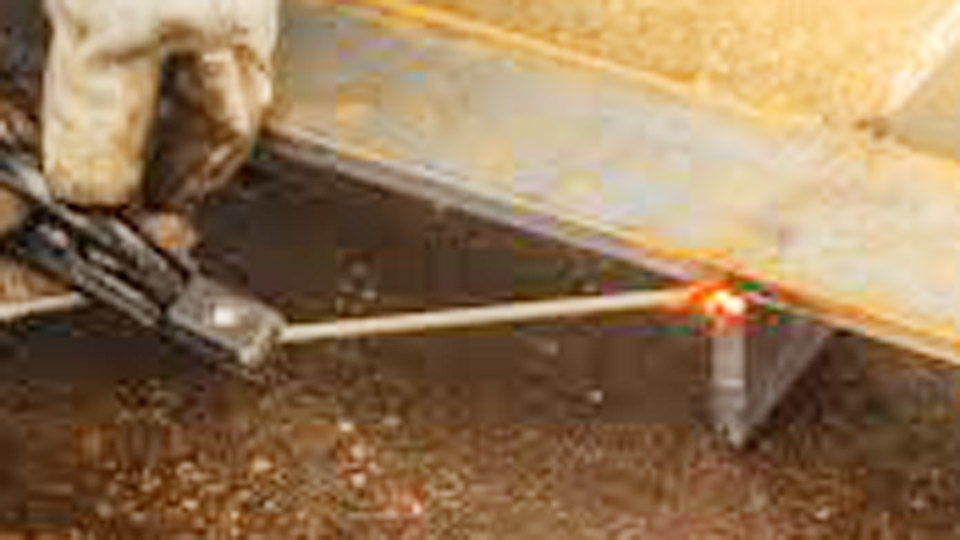
Photo by mmcertifiedwelding
Understanding the Basics of Stick Welding and Rod Sticking
Stick welding, or Shielded Metal Arc Welding (SMAW), is the go-to process for a lot of us in the field because it’s versatile, portable, and doesn’t require fancy gas setups. You clamp a rod—technically an electrode—into your holder, strike an arc, and the flux coating melts to shield the weld pool from contaminants.
But when that rod sticks, it’s usually because the arc isn’t hot enough or stable enough to melt the rod properly without it freezing to the base metal.
I’ve seen this happen on everything from mild steel repairs to stainless fab jobs. The electrode is consumable, meaning it becomes part of the weld, but if it sticks, you’re left scraping off slag and starting over, which can weaken the joint if not handled right.
What Causes Rod Sticking in SMAW?
Rod sticking boils down to a few key culprits, and low amperage is often the biggest offender. When your current is too low, the arc doesn’t generate enough heat to melt the rod tip fast enough, so it touches the metal and solidifies there. Think of it like trying to light a match in the wind—it fizzles out before it catches.
Other causes include a short arc length, where you’re holding the rod too close to the work, or damp electrodes that introduce moisture and mess with the flux. Dirty base metal with rust, paint, or oil can also create resistance, leading to inconsistent arcs.
And don’t overlook polarity: For most rods like E6010 or E7018, DC electrode positive (DCEP) is standard, but switching to DC electrode negative (DCEN) by mistake can cause sticking on certain materials.
In my shop, I once had a batch of rods that sat in a humid corner too long. Every strike ended in a stick, and we lost half a day drying them out in an oven. Lesson learned: Store your rods in a dry rod oven at around 250°F to keep moisture at bay.
How Amperage Affects Your Weld
Amperage is the lifeblood of your weld—too little, and you get sticking; too much, and you’re dealing with burn-through or excessive spatter. For a typical 1/8-inch E7018 rod on mild steel, aim for 90-140 amps, depending on the joint thickness. Thinner materials need lower settings to avoid warping, while thicker plates can handle higher for better penetration.
Here’s how it works: Higher amps increase the arc force, pushing the molten metal away and preventing the rod from fusing. But it’s not just about cranking the dial. You have to match it to the rod type—cellulose-coated rods like E6010 run hotter and forgive lower amps better than low-hydrogen ones like E7018, which demand precise control to avoid porosity.
When should you adjust? Always start with the manufacturer’s recommended range printed on the rod box, then tweak based on your machine’s output. In real jobs, like welding I-beams for a barn frame, I’ve dialed down to 100 amps for vertical ups to prevent sagging, but ramped up to 130 for flat positions where sticking was an issue.
Practical tip: Use a digital multimeter to check your machine’s actual output—older US brands like Lincoln or Miller can drift over time. And if you’re on a generator in the field, account for voltage drops that sneakily lower your effective amps.
Common Mistakes That Lead to Sticky Rods
Even pros slip up here, but beginners especially. I’ve trained dozens of hobbyists who come in thinking it’s all about technique, only to find their setup is the real villain.
Choosing the Wrong Electrode Diameter
Picking the right rod size is crucial because diameter directly ties to amperage needs. A 3/32-inch rod might work fine at 70-100 amps for thin sheet metal, but switch to 5/32-inch, and you’ll need 120-200 amps to keep it from sticking. Go too big for your machine’s capacity, and you’re fighting a losing battle—the rod won’t melt evenly.
How does this play out? On a recent auto frame repair, a guy in my shop grabbed a 1/8-inch E6013 for 1/4-inch plate thinking it was “close enough.” Result: Constant sticking because his 200-amp machine couldn’t push enough heat through the thicker rod without overheating the thin spots.
When to use what: For DIY projects like fence fixes, stick with 1/8-inch for versatility. Pros on heavy fab might prefer 5/32-inch for faster deposition. Pros: Smaller diameters start arcs easier and reduce heat input. Cons: They burn faster, so you swap rods more often, increasing downtime.
Shop tip: Always match diameter to material thickness—rule of thumb, rod diameter should be about half the thinnest part you’re welding. And test on scrap first; it’s cheaper than scrapping a whole assembly.
Ignoring Material Compatibility
Not all rods play nice with every metal. Using an E6010 on cast iron? Good luck—that cellulose coating is great for deep penetration on rusty steel but can cause cracking and sticking on high-carbon stuff. Compatibility ensures the filler metal matches the base’s chemistry, preventing issues like underbead cracking or poor fusion.
In practice, for mild steel, E7018 is king for its low-hydrogen properties, reducing sticking on clean joints. But on galvanized steel, you’ll stick more due to zinc fumes disrupting the arc—grind it off first.
Why bother? Mismatched materials lead to weak welds that fail under load, like that trailer hitch I fixed last year that snapped because the rod wasn’t rated for the alloy.
Tip: Check AWS classifications—E for electrode, first two digits for tensile strength, third for positions, fourth for coating type. For stainless, grab 308L rods to avoid carbide precipitation and sticking from oxidation.
Step-by-Step Guide to Preventing Rod Sticking
Let’s get hands-on. This is where theory meets the shop floor.
Setting Up Your Machine Correctly
First, power up your welder—whether it’s a classic Lincoln Idealarc or a modern inverter like the Miller Multimatic. Set polarity to DCEP for most rods.
Step 1: Select your rod and check the amp range. For E7018 1/8-inch, start at 110 amps.
Step 2: Clamp your ground securely—poor connections cause voltage drops and sticking.
Step 3: Strike a test arc on scrap. If it sticks, bump amps by 10-20 and try again.
Step 4: Adjust arc force if your machine has it; higher settings help “dig” through sticking.
In the shop, I always preheat thicker metals to 200°F with a torch to reduce thermal shock, which can cause initial sticks.
Proper Joint Preparation
Joint prep is non-negotiable. Dirty or poorly fitted joints invite sticking.
Step 1: Clean the base metal—wire brush or grind off rust, scale, or paint within 1 inch of the joint.
Step 2: Bevel edges for thicker materials (over 1/4-inch) to ensure full penetration without the rod bridging gaps.
Step 3: Tack weld pieces to hold alignment; loose fits make the arc wander and stick.
Step 4: Position yourself comfortably—leaning awkwardly shortens your arc unintentionally.
Anecdote: On a pipeline repair gig, skipping bevels led to sticks every few inches. After proper prep, we laid beads like butter.
Advanced Techniques for Tricky Welds
Once basics are down, let’s talk overhead or vertical welding, where gravity makes sticking worse.
For vertical ups, use a weaving motion to build the bead without letting the rod dwell too long. Amps around 10% lower than flat to control the pool.
In confined spaces, like boiler repairs, short rods (9-inch stubs) reduce sticking by improving control.
Comparison table for rod types:
| Rod Type | Amperage Range (1/8″) | Best For | Pros | Cons |
|---|---|---|---|---|
| E6010 | 75-125 amps | Dirty steel, deep penetration | Forgiving on rust, fast freeze | Rough bead, more spatter |
| E6013 | 80-130 amps | Thin sheets, clean work | Smooth arc, easy start | Less penetration, not for dirty metal |
| E7018 | 90-140 amps | Structural, low hydrogen | Strong welds, low porosity | Needs dry storage, harder to restart |
This table saved me time when quoting jobs—pick based on the client’s material condition.
Troubleshooting On the Fly in the Shop
Stuck mid-weld? Don’t panic. Twist the holder gently to break the rod free without bending it. If it’s fused bad, cut it with pliers and restrike.
Common fix: If amps are right but still sticking, check for rod angle—aim for 15-20 degrees drag for most.
For damp rods, bake at 300°F for an hour. I’ve revived whole boxes this way.
Pros of troubleshooting: Saves material, builds skill. Cons: Interrupts flow, risks arc strikes on finished areas.
Safety First: Avoiding Hazards from Sticky Rods
Sticking isn’t just annoying; it can lead to flashes if you yank too hard. Always wear your helmet with auto-darkening lens set to shade 10-13, gloves, and flame-resistant jacket.
In tight spots, sticking increases burn risk from hot slag. Ventilate well—fumes from burning flux are no joke.
Shop story: A trainee got a minor burn from a stuck rod popping free. Now, we drill “respect the arc” from day one.
Matching Rods to Specific Jobs
For auto repairs, E6013 on body panels to minimize distortion. Amps low, around 80, to prevent warpage.
On heavy equipment, E7018 for strength, amps at 120+ for thick plates.
Filler compatibility: Match carbon content—high-carbon steels need nickel rods to avoid brittleness.
Tip: For aluminum, forget sticks; switch to TIG, but if forced, use DCEN with specialized rods.
Fine-Tuning for Different Materials
Mild steel forgives a lot, but stainless demands clean preps and lower amps to avoid carbide issues.
Cast iron: Preheat to 500°F, use nickel rods at 100 amps max to prevent cracking.
Galvanized: Strip zinc, or use rods with silicon to cut through fumes.
In my experience, ignoring this on a fence job led to porous, sticky welds that needed grinding out.
When to Upgrade Your Gear
If sticking persists despite tweaks, your machine might be undersized. Entry-level 140-amp units struggle with 5/32 rods.
Invest in an inverter for stable arcs—my switch to a Hobart Handler cut sticking by half.
But don’t blame gear first; 90% of issues are operator error.
The real game-changer? Practice. Set up scrap and run beads daily.
I’ve clocked thousands of hours, and sticking still happens on off days, but now I fix it in seconds.
Remember that farm gate I mentioned? After dialing in 110 amps on dry E7018, it welded clean, held strong through winters. That’s the payoff—reliable work that lasts. Always “whip” the rod slightly on restart to clear slag and prevent initial sticks. It’ll make your welds pro-level smooth.
FAQ
How Do I Know If My Amperage Is Too Low?
Watch for a weak, sputtering arc and immediate sticking on strike. Bump it up in 10-amp increments until the rod melts steadily without burn-through. Test on scrap matching your job’s thickness.
What’s the Best Way to Store Welding Rods to Avoid Sticking?
Keep them in a rod oven at 250-300°F for low-hydrogen types like E7018. For others, airtight containers with desiccants work. I’ve lost batches to humidity—don’t stack open boxes in damp shops.
Can Wrong Polarity Cause Rod Sticking?
Absolutely, especially on DC machines. Stick with DCEP for most rods; DCEN is for specific cuts or TIG. Flip the leads and test—if sticking worsens, switch back.
Why Does My Rod Stick More on Vertical Welds?
Gravity pulls the molten pool down, shortening the arc. Lower amps slightly, use a tighter drag angle, and weave to build shelf. Practice on plate stands to master it.
How Do I Fix a Weld After a Rod Stuck?
Grind out the stuck spot, clean slag, and restart with a hot start if your machine has it. Overlap beads by 1/2 inch for continuity. If it’s structural, inspect for cracks.