
Welding offers solid earning potential across various industries, with salaries ranging from $35,000 to over $100,000 annually depending on specialization, location, and experience level. Understanding welder compensation helps you make informed career decisions in this skilled trade.
Average Welder Salary Overview
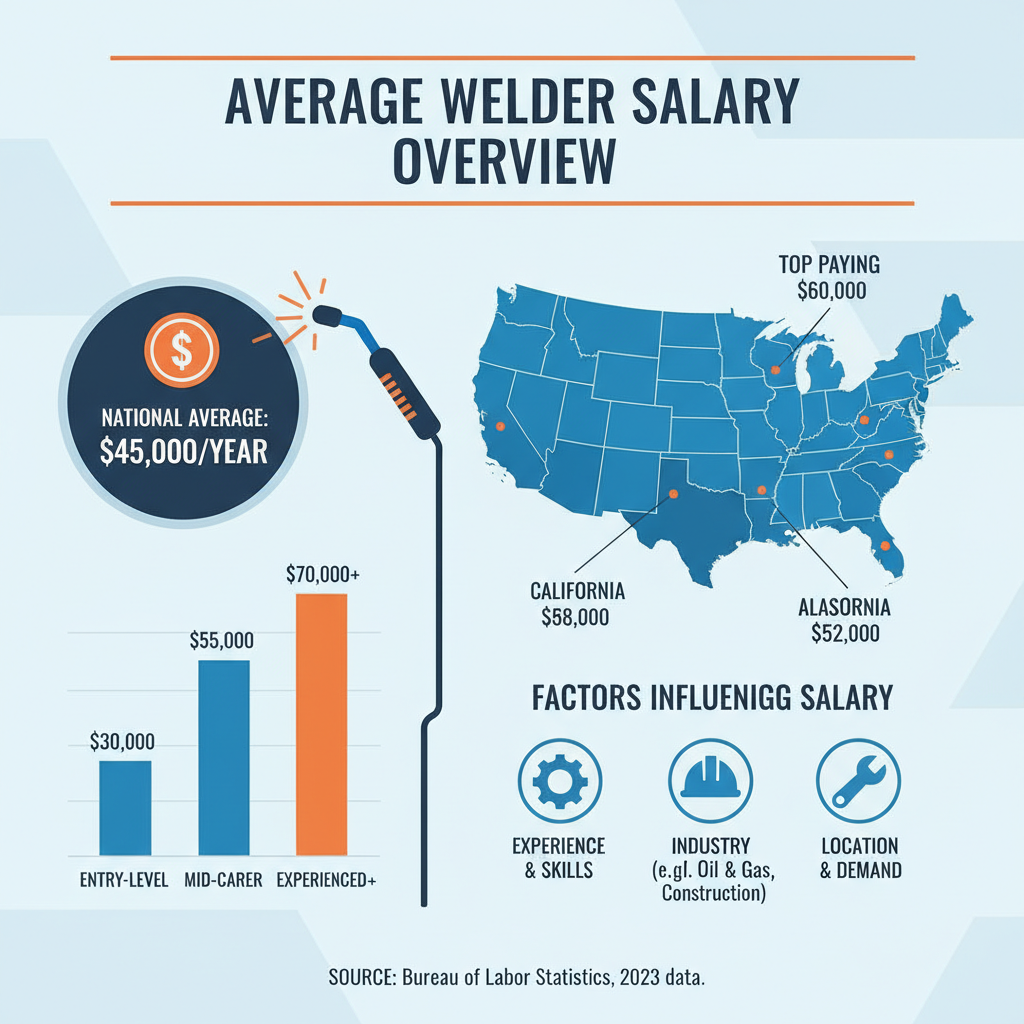
The median annual salary for welders in the United States is approximately $47,540, according to the Bureau of Labor Statistics. However, this figure varies significantly based on multiple factors including geographic location, industry sector, and welding specialization.
Entry-level welders typically start between $30,000 and $40,000 per year, while experienced professionals can earn $60,000 to $80,000 annually. Specialized welders in high-demand fields like underwater welding or aerospace applications can command six-figure salaries.
Hourly wages for welders generally range from $15 to $35 per hour, with overtime opportunities often available in construction and manufacturing sectors. Many welders supplement their income through freelance projects or side work, particularly those skilled with equipment like the Lincoln Electric Power MIG 210 MP, which offers versatility for various welding applications.
Factors Affecting Welder Salaries
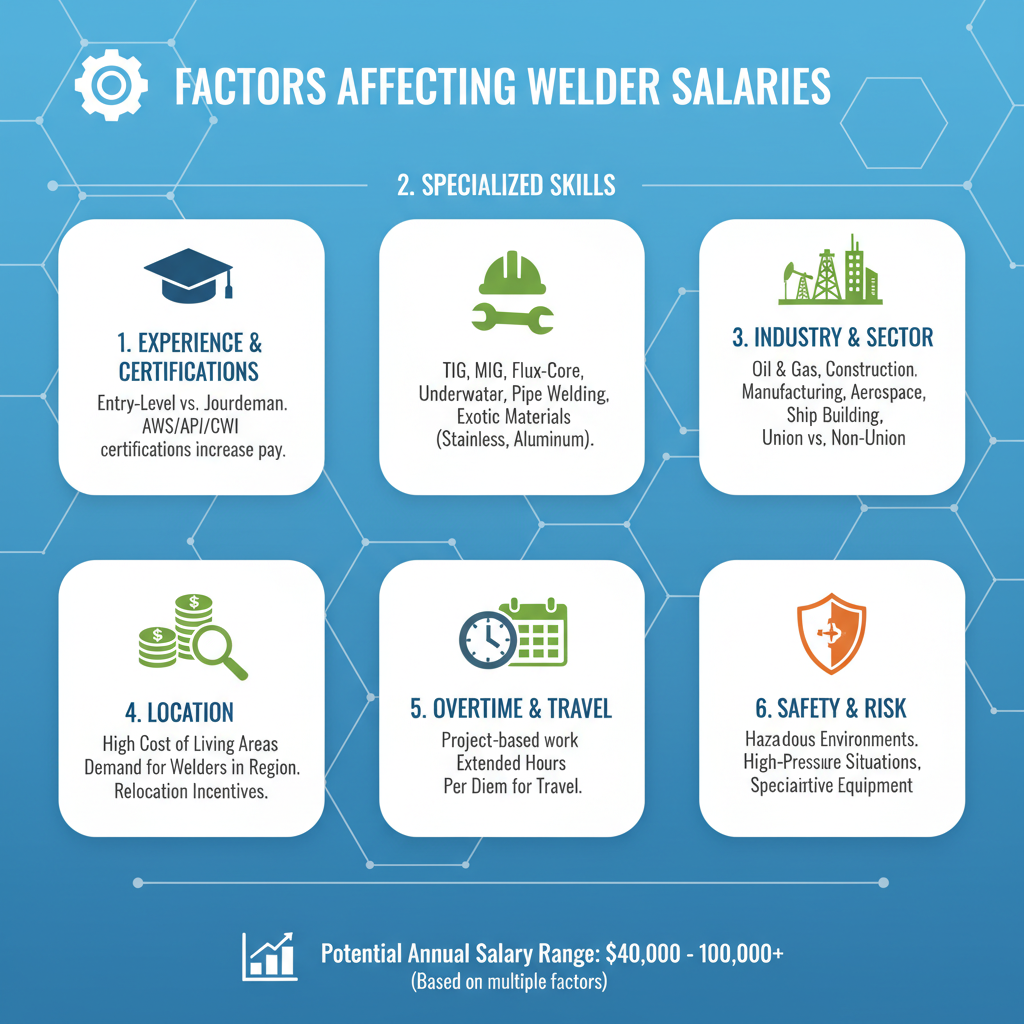
Geographic Location Impact
Location plays a crucial role in determining welder compensation. States with heavy industrial presence typically offer higher wages:
– Alaska: $73,000 average annual salary
– Hawaii: $68,000 average annual salary
– North Dakota: $58,000 average annual salary
– Wyoming: $57,000 average annual salary
– West Virginia: $55,000 average annual salary
Urban areas generally provide higher wages than rural locations, though cost of living differences should be considered. Oil and gas regions often offer premium compensation due to demanding work conditions and specialized requirements.
Industry Specialization
Different industries offer varying compensation levels for welding professionals:
Construction and Infrastructure: $45,000 – $65,000 annually
Construction welders work on buildings, bridges, and infrastructure projects. Steady demand exists for skilled professionals who can handle structural welding requirements.
Manufacturing: $40,000 – $60,000 annually
Manufacturing welders create products ranging from automobiles to appliances. This sector offers stable employment with potential for advancement into supervisory roles.
Oil and Gas: $55,000 – $85,000 annually
Energy sector welding involves pipeline construction, refinery maintenance, and offshore platform work. Higher wages reflect specialized skills and challenging work environments.
Aerospace: $50,000 – $75,000 annually
Aerospace welding requires precision and adherence to strict quality standards. Certification requirements are extensive but compensation reflects the specialized nature of the work.
Experience Level Breakdown
Welding salaries increase substantially with experience and skill development:
Entry-Level (0-2 years): $30,000 – $42,000
New welders focus on basic techniques and safety protocols. Starting wages vary by region and employer size.
Mid-Level (3-7 years): $42,000 – $58,000
Experienced welders handle complex projects and may supervise junior staff. Specialized certifications increase earning potential.
Senior Level (8+ years): $58,000 – $80,000+
Veteran welders often move into supervisory roles, quality control, or specialized applications requiring advanced skills.
High-Paying Welding Specializations
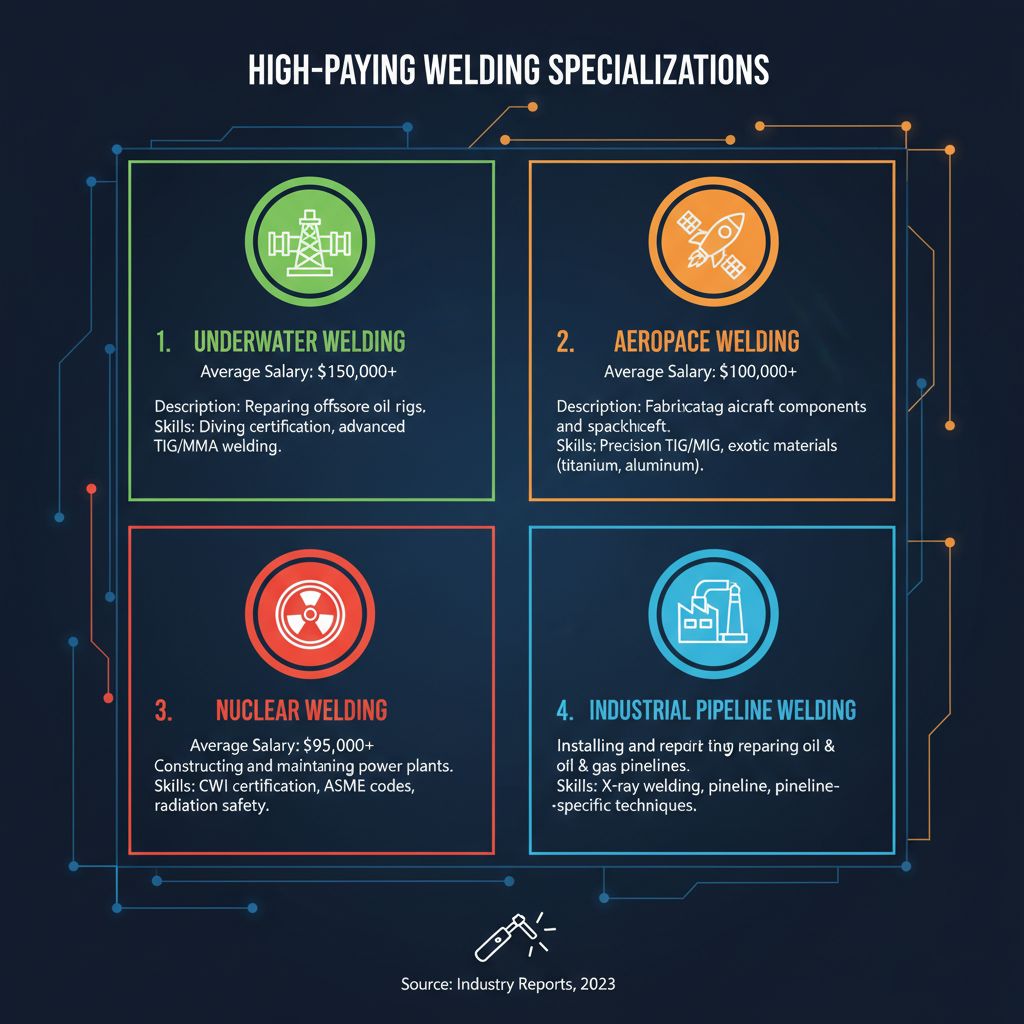
Underwater Welding
Underwater welders earn between $75,000 and $150,000 annually, with some earning over $200,000. This specialized field combines commercial diving with welding skills, requiring extensive training and certification.
The high compensation reflects significant risks and specialized equipment requirements. Most underwater welders work in marine construction, ship repair, or offshore oil platforms.
Pipeline Welding
Pipeline welders earn $50,000 to $100,000+ annually, depending on project location and duration. Travel requirements are common, but per diem allowances supplement base wages.
This specialization involves joining pipe sections for oil, gas, and water distribution systems. Certification through organizations like the American Petroleum Institute is typically required.
Aerospace and Military Welding
Aerospace welders earn $50,000 to $85,000 annually while working on aircraft, spacecraft, and defense equipment. Security clearances may be required for certain positions.
Precision welding techniques and exotic materials characterize this field. Quality standards are extremely high, requiring continuous training and certification maintenance.
Nuclear Welding
Nuclear facility welders earn $60,000 to $95,000 annually. Extensive background checks and specialized training are mandatory for this highly regulated field.
Work involves maintaining nuclear power plants and related infrastructure. Safety protocols are extensive, and career longevity depends on maintaining clean safety records.
Certification Impact on Earnings
Welding certifications significantly impact earning potential. American Welding Society (AWS) certifications are industry-standard credentials that validate specific skills.
Common Certifications and Their Value
AWS D1.1 Structural Welding: Adds $3,000 – $8,000 annually
This certification covers structural steel welding for buildings and bridges. High demand exists across construction and manufacturing sectors.
AWS D1.5 Bridge Welding: Adds $5,000 – $12,000 annually
Specialized certification for bridge construction and repair. Limited number of certified welders creates premium compensation opportunities.
ASME Section IX: Adds $4,000 – $10,000 annually
Pressure vessel and piping certification required for boiler and pressure vessel work. Oil, gas, and power generation industries highly value this credential.
API 1104 Pipeline: Adds $6,000 – $15,000 annually
Pipeline welding certification essential for oil and gas industry work. Travel opportunities and project-based work often accompany this specialization.
Maintaining current certifications requires ongoing testing and skill demonstration. Investment in quality welding equipment like the Miller Multimatic 220 AC/DC helps welders practice and maintain proficiency across multiple processes, supporting certification maintenance and skill development.
Employment Benefits and Total Compensation
Beyond base salaries, welders often receive comprehensive benefits packages that increase total compensation value.
Health and Insurance Benefits
Most full-time welding positions include health insurance, dental coverage, and vision benefits. These benefits can add $8,000 to $15,000 in annual value.
Life insurance and disability coverage protect against work-related injuries, which are more common in welding than many other professions.
Retirement and Savings Plans
Many employers offer 401(k) plans with company matching contributions. Union positions often include pension plans providing long-term financial security.
Some companies provide profit-sharing arrangements, particularly in manufacturing and construction sectors during profitable periods.
Additional Compensation Elements
Overtime Pay: Time-and-a-half compensation for hours exceeding 40 per week
Per Diem: Daily allowances for travel assignments
Tool Allowances: Annual stipends for equipment maintenance and replacement
Training Reimbursement: Company-paid certification and skill development programs
Regional Salary Variations
High-Paying States
Several states consistently offer above-average welding compensation:
Alaska leads in welder compensation due to oil industry presence and challenging working conditions. Remote locations and harsh weather contribute to premium wages.
Hawaii’s high cost of living drives elevated wages, though living expenses offset much of the salary advantage.
North Dakota’s oil boom created substantial demand for skilled welders, maintaining elevated wage levels despite market fluctuations.
Metropolitan Area Premiums
Major metropolitan areas often provide higher wages but also higher living costs:
– San Francisco Bay Area: $65,000 – $85,000 average
– New York City: $55,000 – $75,000 average
– Houston: $50,000 – $70,000 average
– Chicago: $48,000 – $68,000 average
Cost of living calculations are essential when comparing opportunities across different regions.
Career Advancement Opportunities
Welding careers offer multiple advancement pathways beyond basic welding positions.
Supervisory Roles
Welding supervisors earn $55,000 to $85,000 annually while overseeing welding operations and managing teams. Leadership skills and extensive welding experience are prerequisites.
Quality control inspectors earn similar wages while ensuring welding work meets specifications and safety standards.
Welding Instruction
Welding instructors at technical schools and community colleges earn $40,