
Miller welding machines are among the most trusted names in the welding industry, but understanding their pricing can be challenging for both beginners and professionals. This guide breaks down Miller welder costs across all categories, from entry-level stick welders to professional multi-process machines.
Miller welding machines range from $200 for basic stick welders to over $15,000 for industrial multi-process units. Most hobbyist models cost $500-$2,000, while professional machines typically run $2,500-$8,000. Prices vary significantly based on welding processes, amperage output, and advanced features.
Miller Welding Machine Price Categories
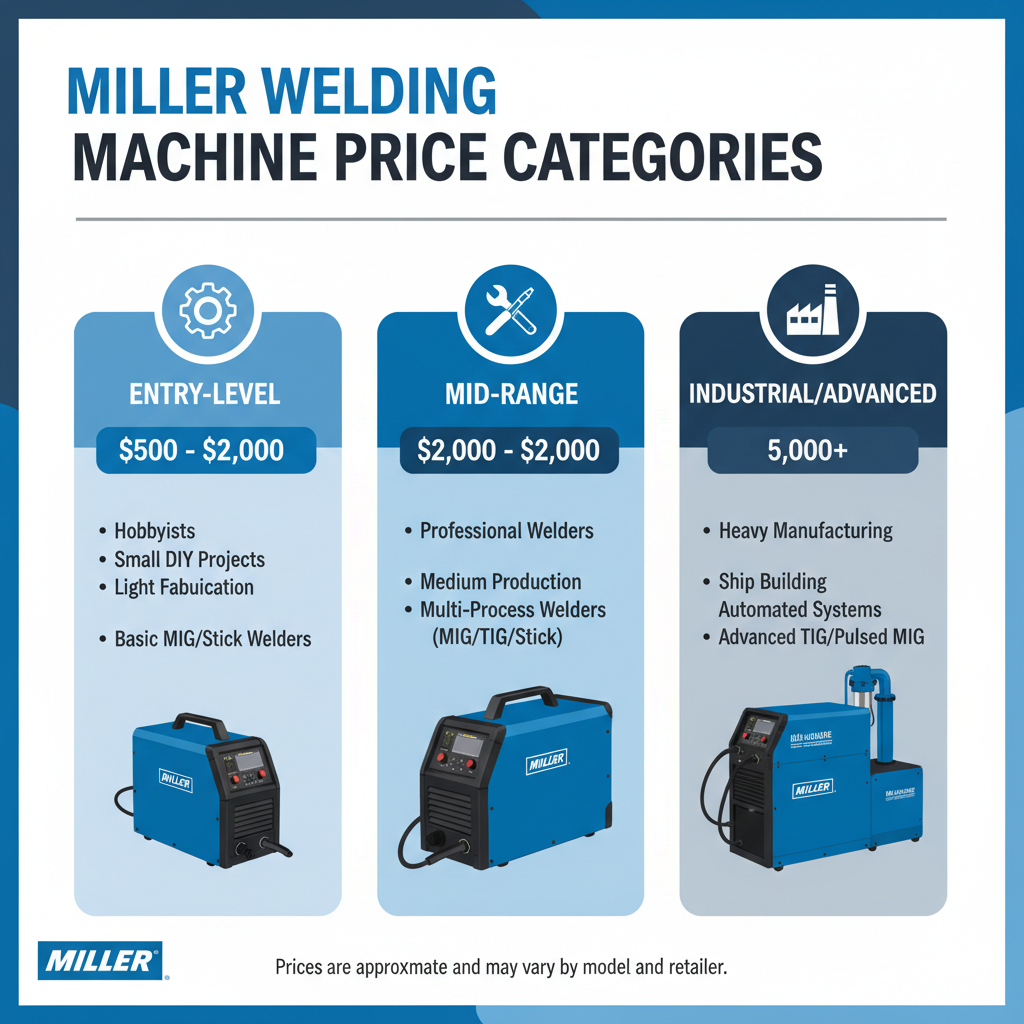
Miller organizes their welding equipment into distinct price tiers based on intended use and capabilities. Understanding these categories helps narrow down options based on your budget and welding needs.
Entry-level Miller welders target hobbyists and light-duty applications. These machines typically handle basic stick welding and simple MIG projects around the home or small shop.
Professional-grade units serve contractors, fabricators, and serious enthusiasts who need reliable performance for demanding projects. These welders offer multiple processes and higher duty cycles.
Industrial Miller machines cater to manufacturing facilities and heavy construction where continuous operation and maximum versatility are essential.
Entry-Level Miller Welder Costs
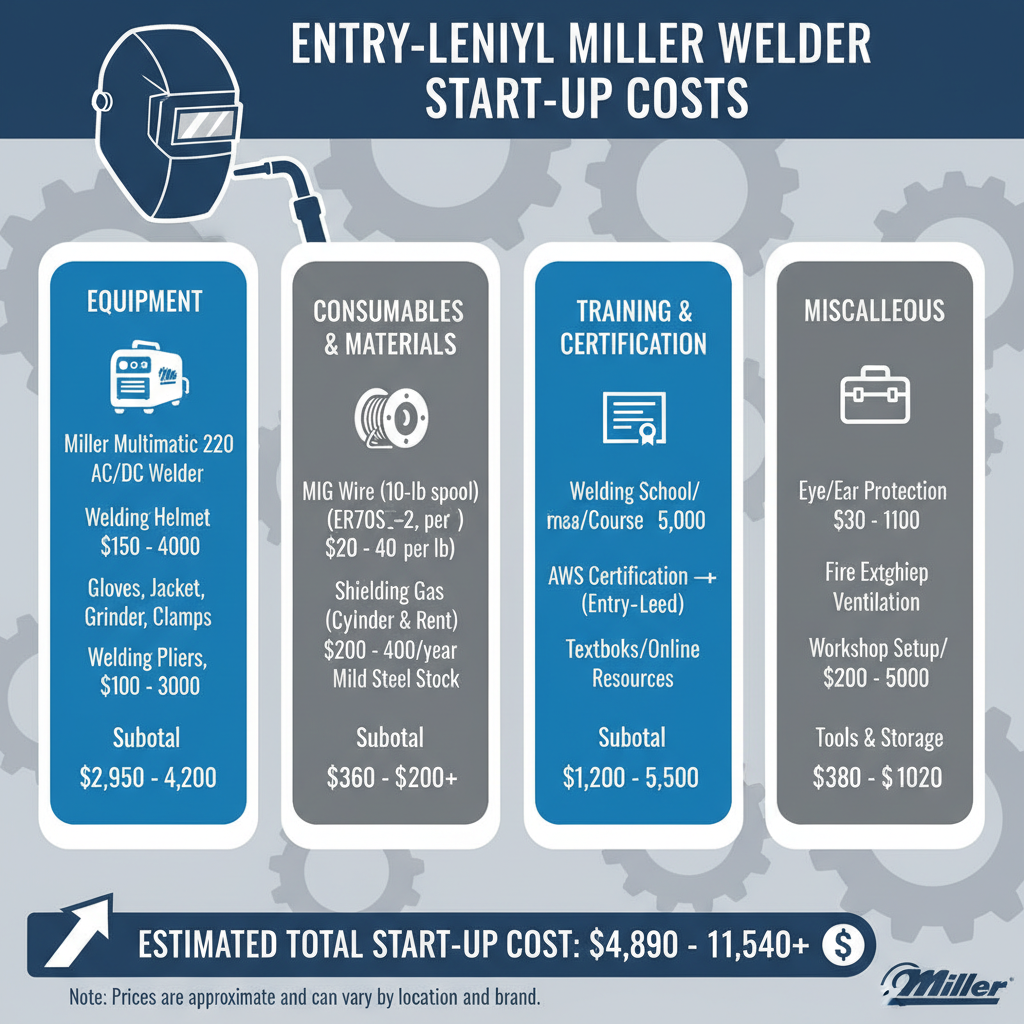
Miller’s most affordable welders start around $200 for basic stick welding units. The Thunderbolt series represents their budget-friendly option for occasional use.
The Miller Diversion 180 AC/DC TIG welder costs approximately $1,200-$1,400. This machine appeals to hobbyists wanting to learn TIG welding without a massive investment.
Miller’s Millermatic 141 MIG welder typically sells for $600-$800. This compact unit handles light-gauge steel welding for automotive repairs and home projects.
These entry-level machines sacrifice some features and duty cycle compared to professional models. However, they provide genuine Miller quality at accessible price points.
Mid-Range Professional Miller Welders
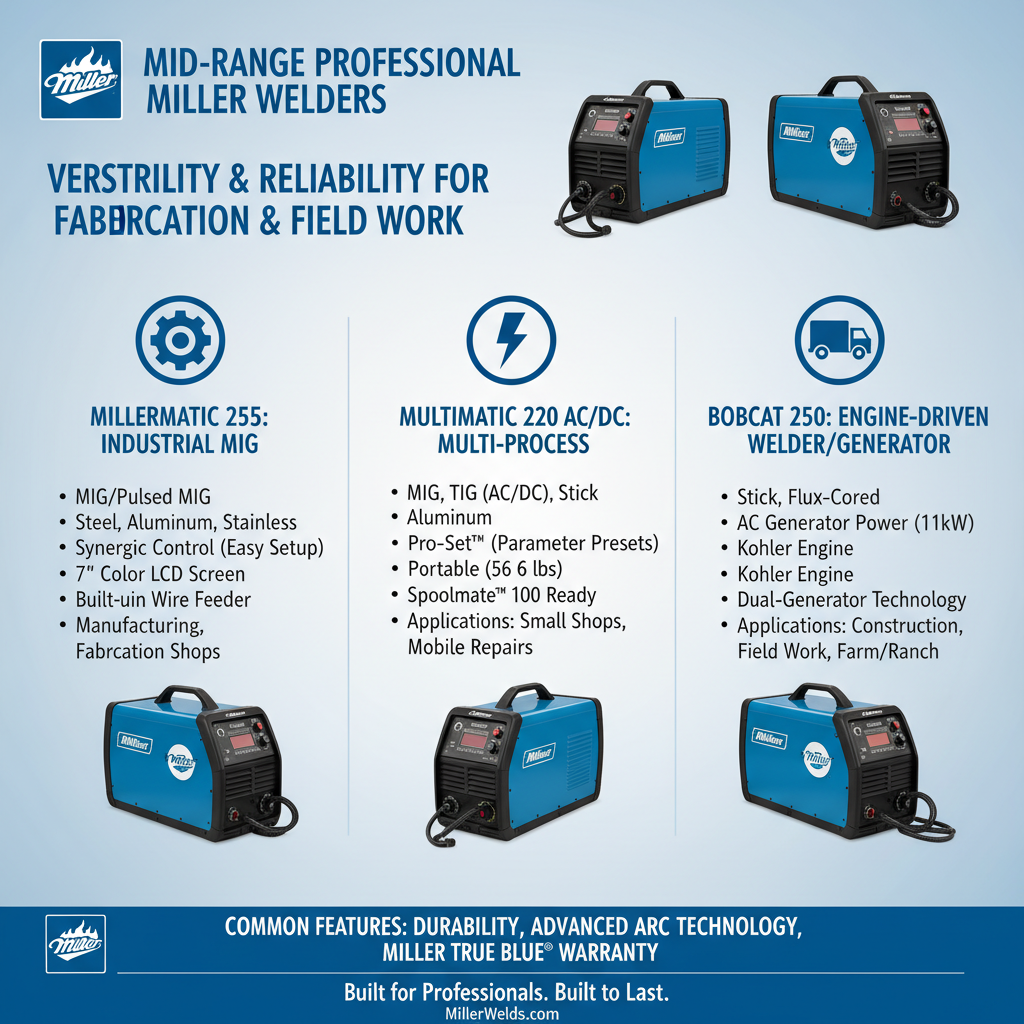
Professional Miller welders occupy the $2,500-$6,000 price range. These machines offer the reliability and performance that contractors depend on daily.
The Miller Syncrowave 210 TIG welder costs around $3,500-$4,000. This machine provides precise AC/DC TIG welding for aluminum and steel fabrication work.
Miller’s Millermatic 252 MIG welder runs approximately $2,800-$3,200. This unit handles production welding with excellent arc characteristics and consistent wire feeding.
The popular Miller Dynasty 210 DX TIG welder sells for $4,500-$5,200. Advanced inverter technology delivers superior arc control and energy efficiency.
These professional units feature higher duty cycles, better arc characteristics, and enhanced durability compared to entry-level models.
High-End Industrial Miller Equipment
Industrial Miller welders command premium prices but deliver unmatched performance for demanding applications. These machines often exceed $8,000 and can reach $15,000 or more.
The Miller Dynasty 400 represents their flagship TIG welder, costing $8,000-$10,000. This machine handles the most challenging aluminum and exotic metal welding projects.
Miller’s PipeWorx 400 pipeline welder sells for approximately $12,000-$15,000. Specialized features support high-quality pipe welding in critical applications.
Multi-process Miller welders like the Dynasty 280 DX cost $6,000-$7,500. These versatile machines perform TIG, stick, and pulse welding in a single unit.
Industrial units justify their cost through superior duty cycles, advanced controls, and specialized features that boost productivity in commercial settings.
Factors Affecting Miller Welder Prices
Several key factors influence Miller welding machine pricing beyond the basic model selection. Understanding these variables helps explain price differences between similar units.
Welding process capability significantly impacts cost. Single-process machines cost less than multi-process units that handle TIG, MIG, and stick welding in one machine.
Amperage output directly correlates with price. Higher amperage welders cost more due to larger transformers, cooling systems, and power components required.
Advanced features like pulse welding, synergic controls, and digital displays add to the base price. These features improve weld quality but increase manufacturing complexity.
Duty cycle ratings affect pricing as well. Machines rated for continuous operation cost more than those designed for intermittent use.
Miller Welder Accessories and Additional Costs
Miller welding machines require various accessories that add to the total investment. These costs often surprise first-time buyers who focus only on the base machine price.
TIG welders need tungsten electrodes, gas regulators, and specialized torches. A complete TIG setup can add $300-$800 to the initial purchase.
MIG welders require wire feeders, contact tips, and shielding gas equipment. Budget an additional $200-$500 for essential MIG accessories.
Stick welders need electrode holders and ground clamps, typically adding $50-$150 to the base cost.
All Miller welders benefit from proper carts or stands, which cost $100-$400 depending on size and features.
Where to Buy Miller Welding Equipment
Miller welding machines are available through multiple channels, each offering different pricing and service advantages. Choosing the right supplier affects both initial cost and long-term support.
Authorized Miller dealers provide full warranty support and technical assistance. Prices may be higher, but service quality typically exceeds other channels.
Online retailers often offer competitive pricing but may provide limited technical support. Shipping costs for heavy welders can offset advertised savings.
Industrial supply companies serve commercial customers with volume discounts and extended payment terms. These suppliers focus on professional-grade equipment.
Used equipment dealers offer significant savings but with limited warranty coverage. Careful inspection is essential when buying used Miller welders.
Comparing Miller Prices to Competitors
Miller welding machines typically command premium pricing compared to many competitors. However, this cost difference often reflects superior build quality and reliability.
Lincoln Electric offers comparable quality at similar price points. Both brands target professional users willing to pay for proven performance.
ESAB welders sometimes cost less than equivalent Miller units while offering similar capabilities. Feature comparison is essential when evaluating alternatives.
Budget brands like Harbor Freight sell welders at much lower prices but with reduced durability and limited service support.
Professional users often find Miller’s higher initial cost justified by lower maintenance expenses and longer service life.
Financing Options for Miller Welders
Many suppliers offer financing programs to make Miller welding equipment more accessible. These options help spread costs over time while maintaining cash flow.
Miller Credit provides direct financing through the manufacturer. Terms typically range from 12-60 months depending on purchase amount and creditworthiness.
Equipment leasing allows businesses to acquire Miller welders without large upfront investments. Monthly payments may be tax-deductible as business expenses.
Credit cards work for smaller purchases but may carry high interest rates. Some cards offer promotional financing for equipment purchases.
Bank loans provide another option for significant equipment investments. Business loans often offer better terms than consumer financing.
Frequently Asked Questions
What is the cheapest Miller welding machine?
The most affordable Miller welder is typically a basic stick welder starting around $200-$300. These entry-level units handle light-duty welding tasks but lack advanced features.
How much does a good Miller MIG welder cost?
A quality Miller MIG welder for serious hobbyist or light professional use costs $800-$2,500. Professional-grade units range from $2,500-$5,000 depending on features and amperage.
Are Miller welders worth the extra cost?
Miller welders justify their premium pricing through superior reliability, better arc characteristics, and excellent customer support. Professional users often find the investment worthwhile.
What Miller welder is best for beginners?
The Miller Millermatic 141 MIG welder offers an excellent entry point at around $600-$800. It provides genuine Miller quality while remaining affordable for new welders.
Do Miller welders hold their value?
Miller welders maintain strong resale value due to their reputation for reliability. Well-maintained units often sell for 50-70% of original price after several years.
How long do Miller welding machines last?
With proper maintenance, Miller welders typically provide 15-25 years of reliable service. Industrial units in heavy-use applications may require more frequent servicing but often exceed 20 years.
What warranty comes with Miller welders?
Miller provides comprehensive warranties ranging from 1-3 years depending on the model. Professional units often include extended coverage on key components like transformers and circuit boards.
Making the Right Investment Decision
Miller welding machines represent a significant investment that should align with your specific welding needs and budget constraints. The key lies in matching machine capabilities to intended applications rather than simply choosing the cheapest option.
Consider your welding frequency, material types, and thickness requirements when evaluating Miller models. Occasional hobbyists can often succeed with entry-level units, while professionals need the reliability and features of higher-end machines.
Factor in total ownership costs including accessories, consumables, and potential repairs. Miller’s reputation for durability often makes their welders cost-effective over the long term despite higher initial prices.
The welding industry continues evolving with new technologies and improved efficiency. Miller consistently incorporates these advances into their product line, making their welders a sound investment for serious welding applications. Whether you choose an entry-level unit or professional-grade machine, Miller’s commitment to quality ensures you’re getting equipment that will serve you well for years to come.