
Rust formation on metal surfaces is a common problem that affects everything from tools and automotive parts to outdoor furniture and household appliances. Learning how to remove rust from metal effectively can save you money and extend the lifespan of your metal items. This comprehensive guide covers proven methods, tools, and techniques to eliminate rust and prevent its return.
Rust can be effectively removed from metal using three main approaches: mechanical methods like sanding and wire brushing for surface rust, chemical rust removers for deeper corrosion, and natural solutions like vinegar or lemon juice for light rust spots. The key is choosing the right method based on the severity of rust and following up with proper protection like primer and paint to prevent future rust formation.
Understanding Rust Formation and Types
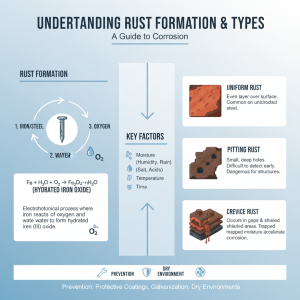
Rust occurs when iron or steel reacts with oxygen and moisture, creating iron oxide. This chemical process, known as oxidation, weakens metal structures and creates the characteristic reddish-brown coating we recognize as rust.
There are three main types of rust you’ll encounter:
Surface Rust: Light, superficial rust that affects only the outer layer of metal. This type is easiest to remove and causes minimal structural damage.
Scale Rust: Deeper rust that has begun to pit the metal surface. Scale rust requires more aggressive removal methods and may leave permanent marks.
Penetrating Rust: Severe rust that has eaten through significant portions of the metal. This type often requires professional treatment or complete replacement of the affected part.
Understanding the rust type helps determine the most effective removal approach. Surface rust responds well to gentle methods, while penetrating rust may need powerful chemical treatments or mechanical removal techniques.
Essential Tools and Materials for Rust Removal
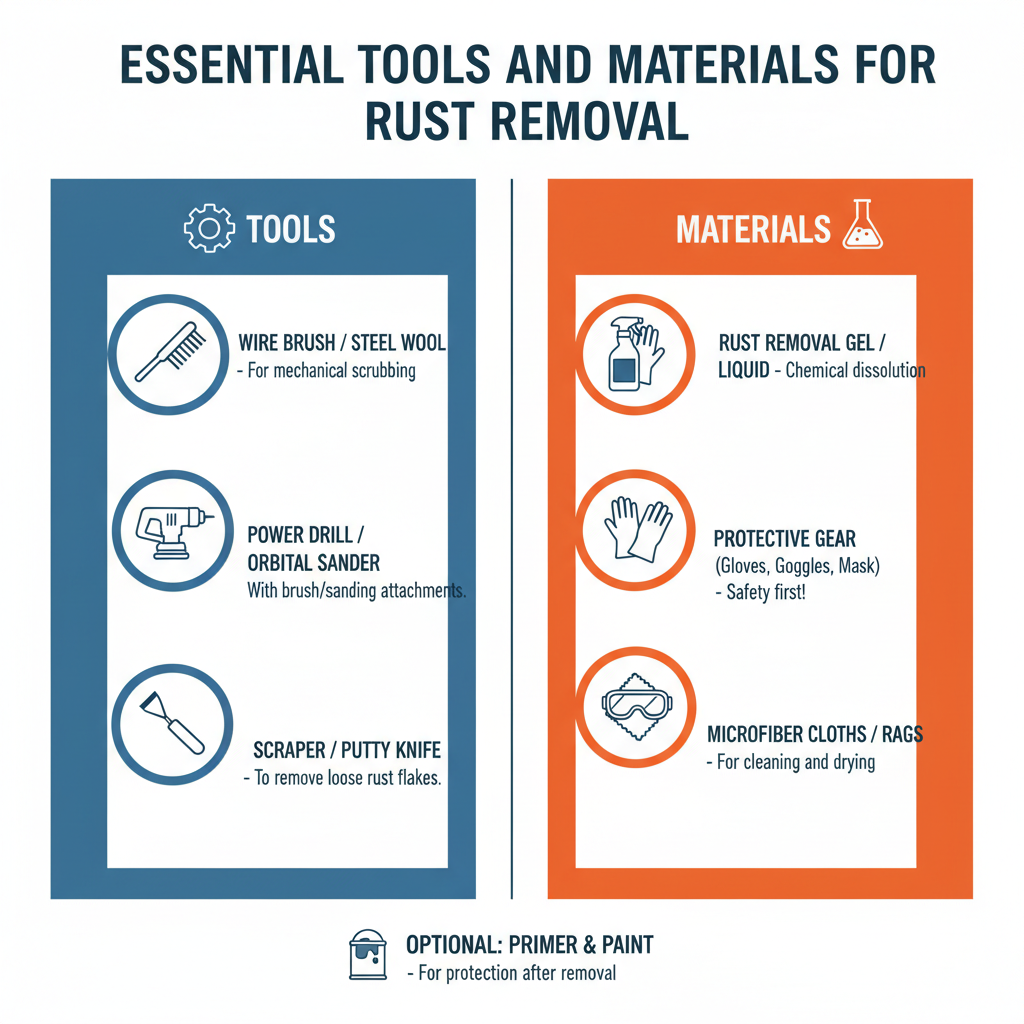
Before starting any rust removal project, gather the appropriate tools and materials. Your toolkit should include:
Mechanical Tools:
– Wire brushes (various sizes)
– Steel wool (different grades)
– Sandpaper (120-400 grit)
– Power drill with wire brush attachments
– Angle grinder for heavy-duty jobs
Chemical Rust Removers:
– Evapo-Rust provides an effective, non-toxic solution for removing rust without harsh acids or caustic chemicals
– White vinegar (acetic acid)
– Lemon juice and salt mixture
– Baking soda paste
– Commercial rust converters
Safety Equipment:
– Safety glasses
– Work gloves
– Dust mask or respirator
– Protective clothing
– Adequate ventilation
Additional Supplies:
– Clean rags or paper towels
– Plastic containers for soaking
– Primer and paint for protection
– Clear protective coatings
Step-by-Step Rust Removal Methods
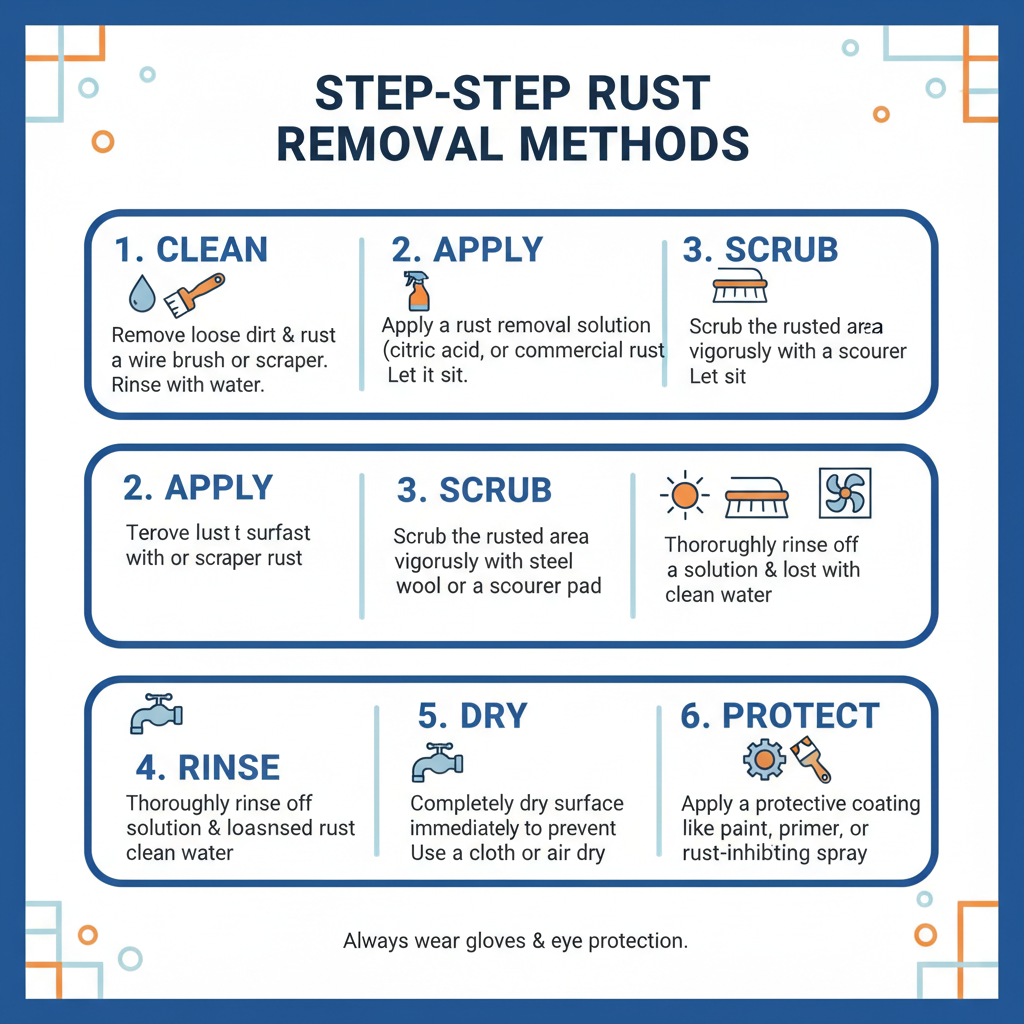
Method 1: Mechanical Rust Removal
Mechanical removal works best for surface rust and accessible areas where you can apply physical force.
Step 1: Clean the rusty surface with soap and water to remove dirt and debris. Allow the metal to dry completely.
Step 2: Start with coarse steel wool or 120-grit sandpaper to remove loose rust flakes. Work in circular motions, applying steady pressure.
Step 3: Progress to finer grits (220-400) to smooth the surface and remove remaining rust particles.
Step 4: Use a wire brush to reach crevices and detailed areas that sandpaper cannot access effectively.
Step 5: Clean the surface with a damp cloth to remove rust dust and debris.
Step 6: Apply primer immediately to prevent new rust formation.
Method 2: Chemical Rust Removal
Chemical rust removers dissolve rust through acid reactions, making them ideal for intricate parts or heavily rusted items.
Step 1: Choose an appropriate chemical rust remover based on your project needs and safety preferences.
Step 2: Prepare the work area with proper ventilation and safety equipment.
Step 3: Apply the rust remover according to manufacturer instructions. Some products require brushing on, while others work through soaking.
Step 4: Allow the chemical to work for the recommended time period. Avoid leaving products on longer than specified to prevent metal damage.
Step 5: Scrub gently with a brush to help remove loosened rust particles.
Step 6: Rinse thoroughly with water and dry completely.
Step 7: Neutralize any remaining acid with baking soda solution if recommended by the product instructions.
Method 3: Natural Rust Removal Solutions
Natural methods offer safer alternatives for light rust removal and household items.
Vinegar Treatment:
Soak rusty items in white vinegar for 2-24 hours depending on rust severity. The acetic acid dissolves rust naturally. Scrub with steel wool and rinse thoroughly.
Lemon and Salt Method:
Cover rusty areas with salt, then squeeze lemon juice over the salt. Let sit for 2-3 hours before scrubbing with the lemon rind. This method works well for small rust spots.
Baking Soda Paste:
Mix baking soda with water to create a thick paste. Apply to rusty areas and let sit for several hours. Scrub with steel wool and rinse clean.
Advanced Rust Removal Techniques
Electrolytic Rust Removal
This method uses electrical current to reverse the oxidation process. It’s particularly effective for valuable or delicate metal items.
Setup Requirements:
– Plastic container large enough for the rusty item
– Battery charger or power supply
– Washing soda (sodium carbonate)
– Steel rebar or similar sacrificial metal
Process:
Connect the negative terminal to the rusty item and positive terminal to the sacrificial metal. Submerge both in the washing soda solution and run current for 4-12 hours.
Rust Converters
Naval Jelly Rust Dissolver transforms existing rust into a protective coating rather than removing it completely. This approach works well when complete rust removal is impractical.
Apply rust converter directly to clean, dry rust. The product chemically converts rust into a stable compound that can be painted over. This method is particularly useful for large surfaces or structural elements.
Power Tool Methods
Electric grinders, sanders, and rotary tools speed up mechanical rust removal on large projects.
Angle Grinder: Use wire wheel attachments for heavy rust removal. Work systematically across the surface, maintaining consistent pressure.
Rotary Tool: Perfect for detailed work and tight spaces. Use cutting discs, wire brushes, and sanding drums as needed.
Power Drill: Wire brush attachments work well for moderate rust removal on flat and curved surfaces.
Preventing Future Rust Formation
Successful rust removal is only half the battle. Preventing new rust formation protects your investment and maintains the metal’s appearance.
Immediate Protection:
Apply primer within hours of rust removal. Bare metal begins oxidizing immediately when exposed to air and moisture.
Paint Systems:
Use high-quality metal primers followed by appropriate topcoats. Marine-grade paints offer superior protection for outdoor applications.
Environmental Controls:
Reduce moisture exposure through proper storage, ventilation, and drainage. Use dehumidifiers in enclosed spaces where metal items are stored.
Regular Maintenance:
Inspect metal items regularly for early rust signs. Address surface rust immediately before it spreads and deepens.
Protective Coatings:
Consider specialized coatings like galvanizing, powder coating, or rust-inhibiting waxes for long-term protection.
Safety Considerations and Best Practices
Rust removal involves potentially hazardous materials and processes. Follow these safety guidelines:
Chemical Safety:
– Read and follow all product labels
– Work in well-ventilated areas
– Wear appropriate protective equipment
– Store chemicals safely away from children and pets
– Dispose of waste materials according to local regulations
Mechanical Safety:
– Wear safety glasses to protect from flying debris
– Use dust masks when sanding or grinding
– Secure workpieces properly before applying force
– Inspect tools regularly for damage or wear
Environmental Considerations:
– Contain rust debris and chemical runoff
– Use drop cloths to protect surrounding areas
– Choose environmentally friendly products when possible
– Follow local disposal guidelines for hazardous waste
Troubleshooting Common Rust Removal Problems
Stubborn Rust Spots:
Some rust areas resist initial treatment attempts. Try combining methods, such as applying chemical rust remover followed by mechanical scrubbing. Increase contact time for chemical treatments, but don’t exceed manufacturer recommendations.
Pitted Metal Surfaces:
Deep rust pits may remain visible even after successful rust removal. Use automotive body filler or metal repair compounds to smooth surfaces before priming and painting.
Flash Rusting:
New rust can form quickly on cleaned metal surfaces. Work in sections, applying primer immediately after
Final Thoughts
Removing rust from metal doesn’t have to be complicated or expensive. Whether you choose simple household solutions like vinegar and baking soda, mechanical methods such as sanding or wire brushing, or chemical rust removers for tougher jobs, the key is acting early and choosing the method that suits the level of corrosion.
Once the rust is gone, proper drying, protective coatings, and regular maintenance can prevent it from coming back. With a little time and care, you can restore metal items to their original strength and appearance—and keep them rust-free for the long run.